
The Evolution of Wireless EMS Technology
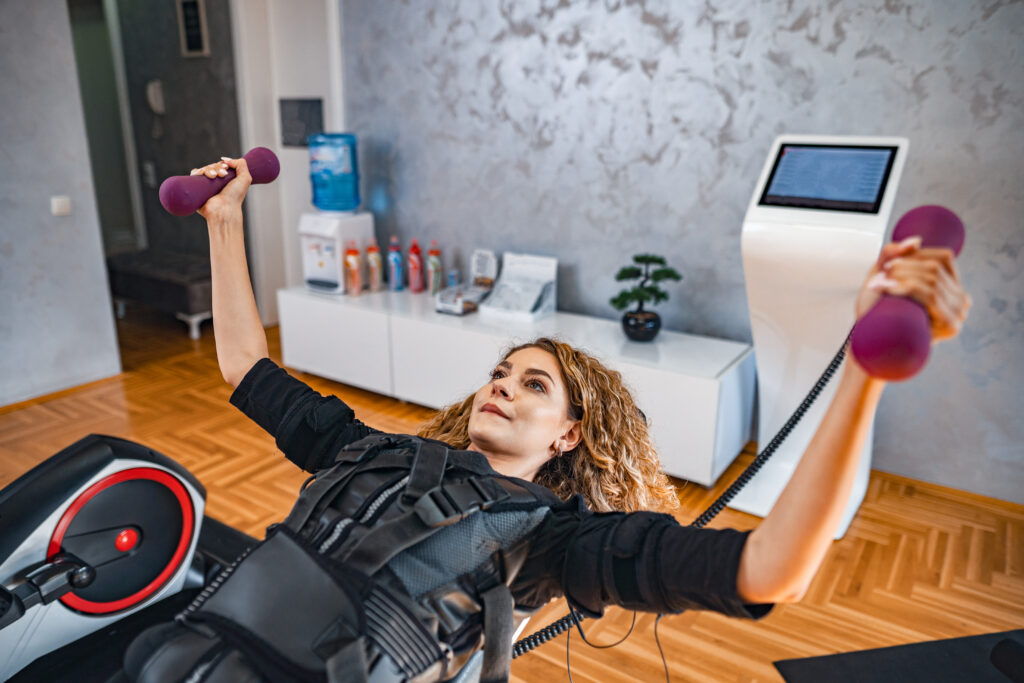
Wireless EMS suits have come a long way from the first commercial systems. Here’s how wireless EMS technology has evolved — and where it’s heading next.
Wireless EMS Suit Safety: What Every Trainer Needs to Know
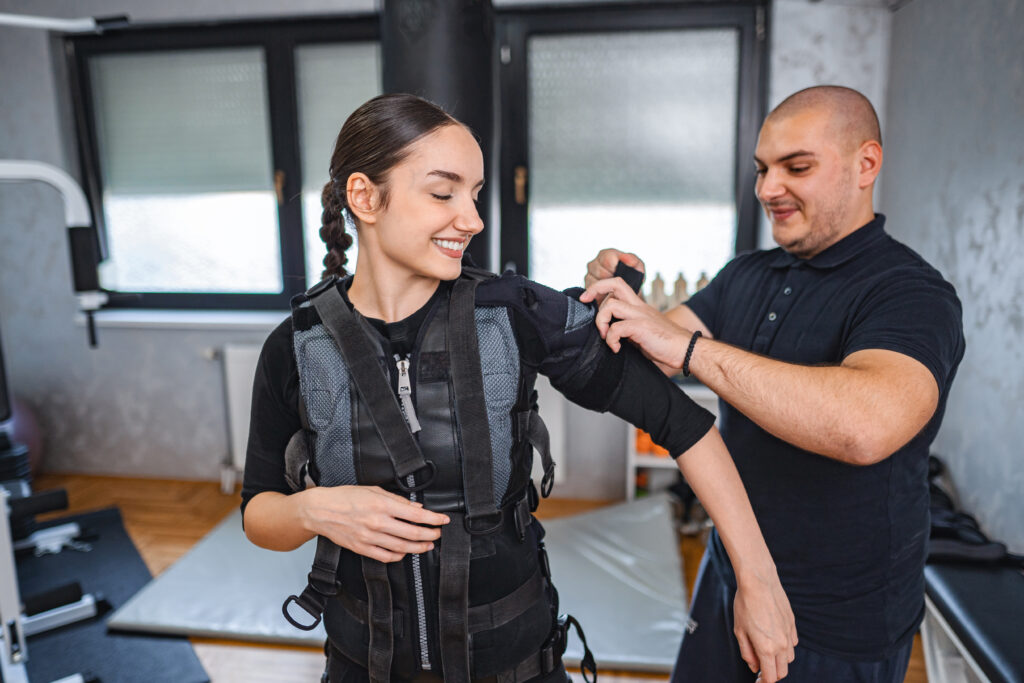
Safety protocols for wireless EMS training share the same foundations as wired EMS — with a few additional considerations. Here’s what every trainer using wireless EMS suits must know.
Wireless EMS Suits for Personal Training Studios: Operational Considerations

Adding wireless EMS to a personal training studio changes how you operate. Here’s what studio owners need to know about running wireless EMS professionally and efficiently.
Wireless EMS for Outdoor and Functional Training

One of wireless EMS’s biggest advantages is the freedom to train outdoors. Here’s how wireless EMS suits open up outdoor and functional training formats that wired systems can’t match.
Wireless EMS Suits and Client Experience: What Makes the Difference
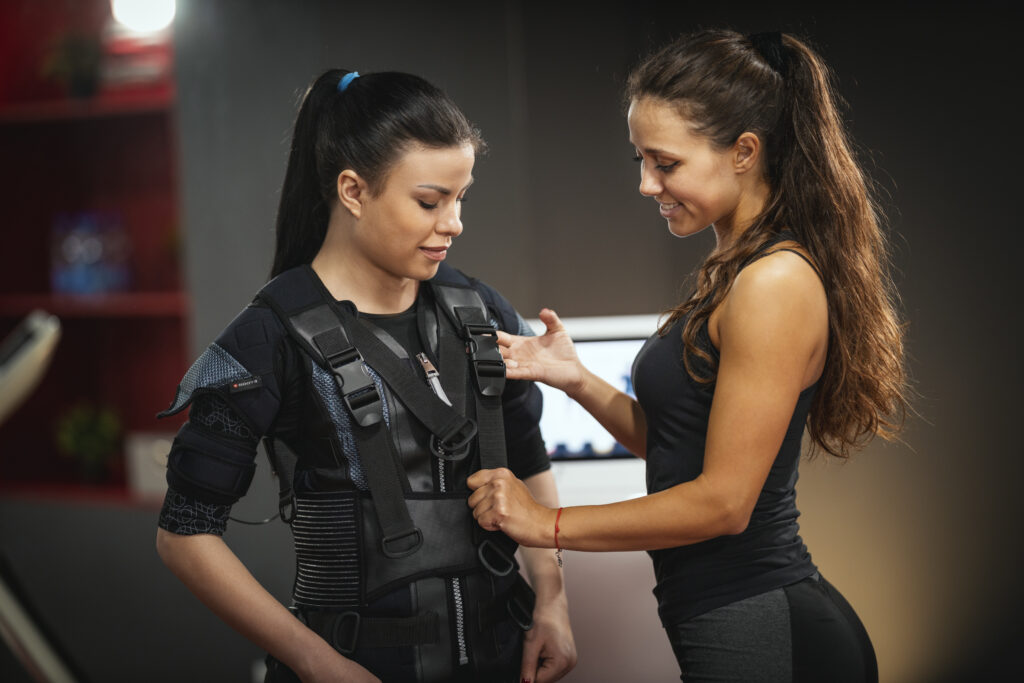
Client experience is one of wireless EMS’s strongest selling points. Here’s how wireless EMS changes the training experience — and how trainers can make the most of it.
How Wireless EMS Suits Are Changing Group Training
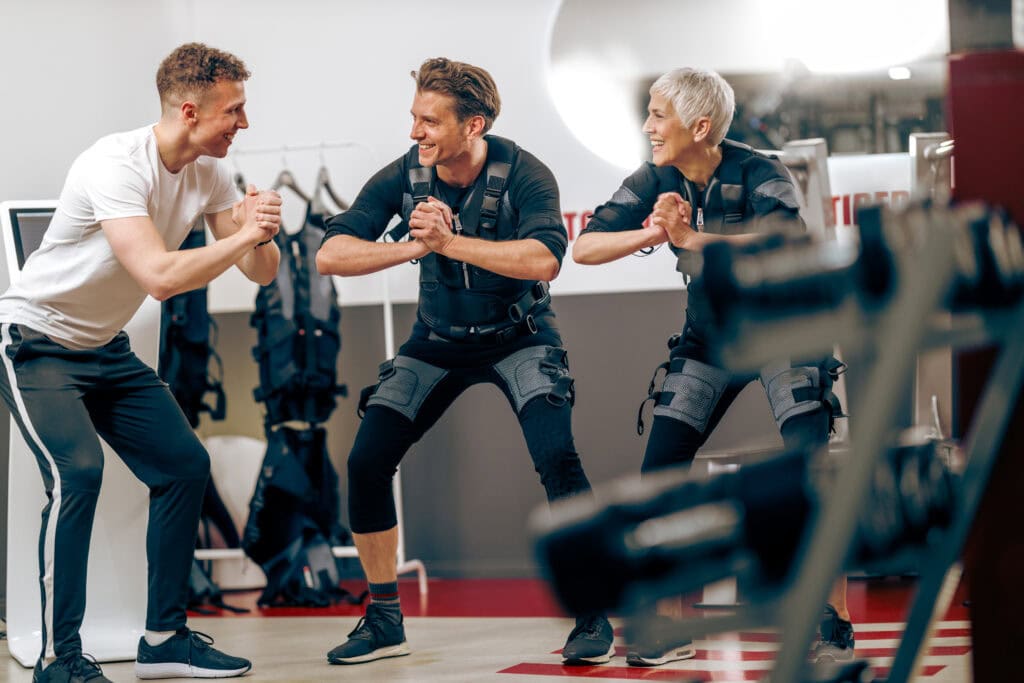
Wireless EMS opens the door to group training formats that wired systems can’t match. Here’s how studios are using wireless EMS for group sessions — and why it’s changing the business model.
Wireless EMS for Sports Performance and Athletic Training
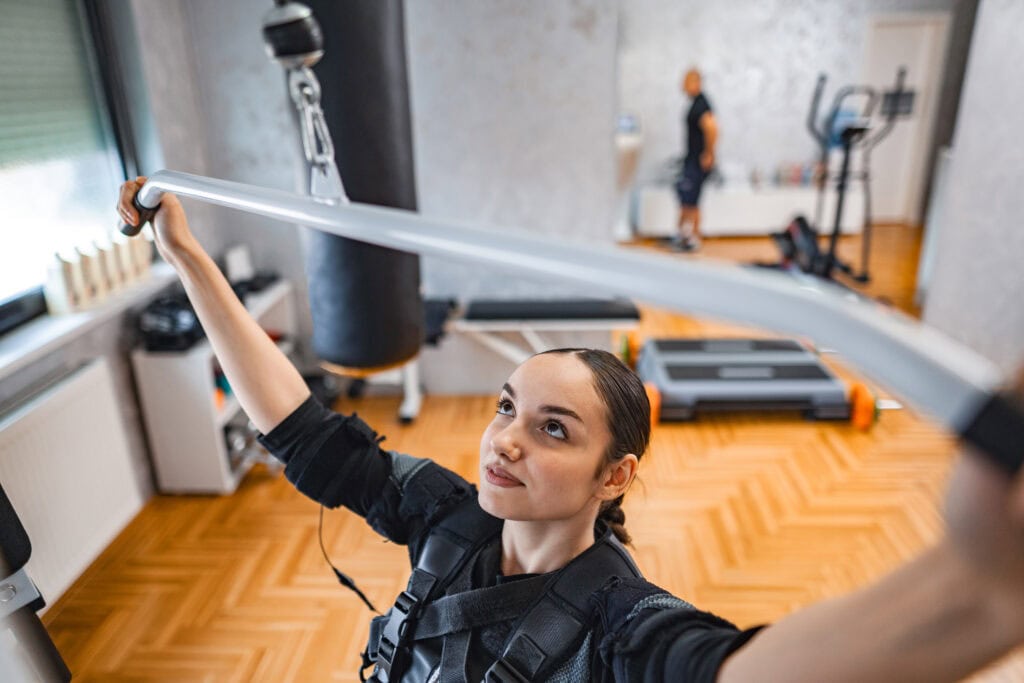
Wireless EMS opens new possibilities for sport-specific training. Here’s how athletes and performance coaches are using wireless EMS suits to enhance athletic development.
EMS Muscle Weakness Seniors: A Practical Guide to Stronger, Healthier Aging In 2026

EMS muscle weakness seniors programs offer a joint-friendly, time-efficient alternative to conventional resistance training, and the research in older adult populations is compelling.
EMS Hamstring Quad Injury Prevention 2026: A Better and Powerful Approach to Lower Body Balance

Hamstring-quad imbalances increase injury risk. Here’s how EMS training can support balanced lower extremity strength for injury prevention in athletes and active individuals.
EMS Posture Correction 2026: Can Electrical Stimulation Actually Fix Poor Posture?

EMS posture correction reaches the chronically inhibited muscles — lower traps, deep cervical flexors, glutes — that rounded shoulders and forward head posture depend on to persist.