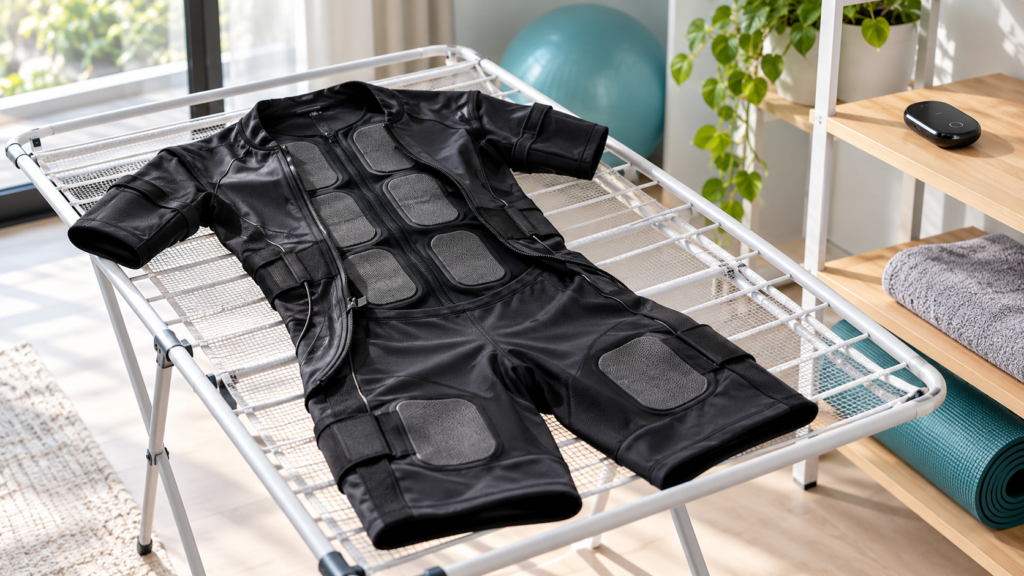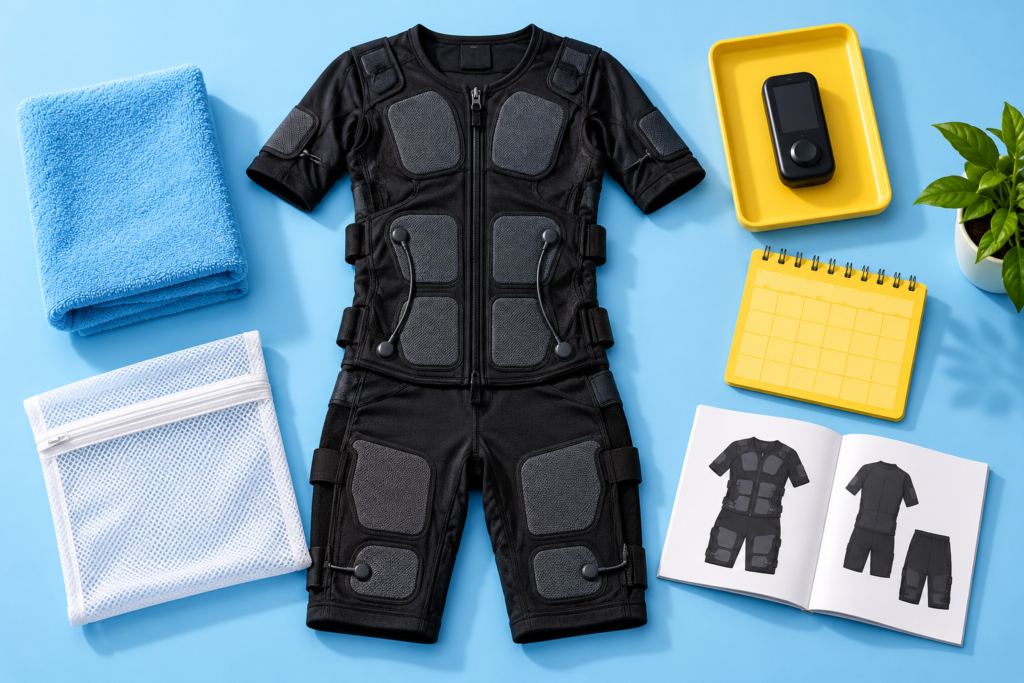

EMS warm up cool down athletes applications represent two distinct but complementary uses of electrical muscle stimulation that bookend the main training session: pre-activation for performance enhancement and post-exercise recovery facilitation. Research into ems for warmup and cooldown integrating stimulation int continues to evolve as more studios adopt evidence-based approaches.
EMS warm up cool down athletes protocols differ fundamentally in their parameters and goals. Pre-activation EMS uses moderate-to-high intensity stimulation to prepare the neuromuscular system; cool-down EMS uses low intensity to facilitate recovery. Understanding ems for warmup and cooldown integrating stimulation int is key for any trainer looking to modernize their program.

This article provides practical guidance on how to integrate EMS into pre- and post-exercise routines, the evidence supporting these applications, and how to use EMS warm-up and cool-down protocols most effectively as part of a comprehensive athletic preparation program. The evidence supporting ems for warmup and cooldown integrating stimulation int is growing steadily in the professional fitness space.
EMS Pre-Activation: Warming Up the Neuromuscular System
EMS warm up cool down athletes pre-activation research shows that brief high-intensity EMS applied before strength or power training can enhance subsequent performance. For coaches exploring ems for warmup and cooldown integrating stimulation int, proper protocol design is essential.
EMS pre workout activation mechanism: pre-exercise EMS at moderate-to-high intensity creates temporary elevation of motor unit recruitment and calcium sensitization in muscle fibers that can enhance subsequent voluntary contractions. Clients asking about ems for warmup and cooldown integrating stimulation int deserve clear, evidence-informed guidance.
EMS warm protocol for athletes: 5-10 minutes of EMS targeting the primary muscle groups that will be trained, applied 5-15 minutes before the main session, is the typical EMS warm up protocol used in research settings. The practical application of ems for warmup and cooldown integrating stimulation int varies depending on goals and client profile.
EMS warm up cool down athletes PAP timing: the enhancement from pre-activation EMS typically peaks 5-10 minutes after the stimulation ends, making it ideal for complex training where the main lifts or explosive work follow the EMS warm-up.: Ems for warmup and cooldown integrating stimulation int
EMS post workout recovery protocol: post-activation potentiation (PAP) from EMS creates a window of enhanced neuromuscular function where subsequent explosive exercises produce greater force output. Studios investing in ems for warmup and cooldown integrating stimulation int report strong client retention and satisfaction.
EMS warm up cool down athletes PAP application: for athletes performing complex training (combining heavy strength work with plyometrics), EMS can serve as the initial high-intensity stimulus that creates the PAP window for subsequent explosive work. Anyone serious about ems for warmup and cooldown integrating stimulation int should prioritize certified equipment and trained staff.
EMS cool down routine application: the post-exercise cool-down application of EMS is fundamentally different — the goal shifts from performance enhancement to facilitating the physiological processes of recovery. The business case for ems for warmup and cooldown integrating stimulation int is supported by both research and real-world results.
EMS warm up cool down athletes cool-down application timing: the most effective window for post-exercise EMS cool-down stimulation is in the 30-60 minutes following the main session, when blood flow promotion is most beneficial.
EMS cool down routine in athletic settings: EMS cool down applications use low frequencies (4-15 Hz) and low-to-moderate intensity to create gentle muscle contractions that promote blood flow without adding training stress. Getting the most from ems for warmup and cooldown integrating stimulation int requires consistent protocol and progress tracking.

EMS warm up cool down athletes frequency: for pre-activation, EMS warm up cool down athletes protocols can be used before each training session. For cool-down applications, post-exercise EMS every training day is appropriate. Safety remains a top priority in any ems for warmup and cooldown integrating stimulation int program.
EMS warm up cool down athletes equipment considerations: portability of the EMS device matters for warm-up and cool-down applications. Athletes need the ability to use EMS conveniently in training environments. Professionals offering ems for warmup and cooldown integrating stimulation int benefit from ongoing education and certification.
Conclusion
EMS warm up cool down athletes protocols represent a sophisticated integration of electrical stimulation technology into the full training session, providing both performance enhancement and recovery support.
For athletes with regular EMS access, integrating EMS warm up cool down athletes protocols into daily training routines can meaningfully enhance both training quality and recovery quality.
Ready to optimize your training with EMS? Explore our brand reviews and product reviews, or compare systems with our product comparison tool.
Frequently Asked Questions
EMS pre-activation for EMS warm up cool down athletes warm-up specifically: pre-activation EMS can support neuromuscular readiness, particularly for sports requiring explosive first movements.
EMS pre-activation can support neuromuscular warm-up and targeted muscle activation before training sessions. The key is using appropriate low-to-moderate intensity that activates without fatiguing — the goal is readiness, not conditioning stimulus. For muscles prone to inhibition (like glutes), EMS warm-up may be particularly useful in achieving activation levels that conventional warm-up doesn’t consistently reach.
EMS warm up cool down athletes PAP training: post-activation potentiation (PAP) from EMS warm up cool down athletes pre-activation creates a temporary enhancement in contractile properties lasting 5-15 minutes.
Post-activation potentiation (PAP) is a temporary enhancement in explosive muscle performance that follows a high-intensity conditioning activity. Research has explored EMS as a PAP-induction tool, finding some evidence of enhanced explosive performance following high-intensity EMS stimulation. This is an advanced application requiring precise timing and individual calibration.
How long should an EMS cool-down session last?
EMS cool-down sessions typically last 15 to 25 minutes at low frequency and intensity. This duration appears sufficient to provide meaningful blood flow promotion to recovering muscles without unnecessarily extending the post-training period. Beginning within 30-60 minutes after training maximizes the relevance of blood flow support to the active recovery processes.
Can EMS replace a traditional warm-up?
No — EMS pre-activation should complement rather than replace a comprehensive warm-up that includes cardiovascular preparation, dynamic mobility work, and sport-specific movement rehearsal. EMS can add a targeted neuromuscular activation component but does not provide the full range of preparation that a comprehensive warm-up offers.
Is EMS cool-down better than active recovery?
EMS cool-down and active recovery (light exercise) work through similar mechanisms — promoting blood flow to recovering muscles — but deliver this benefit through different means. EMS allows passive blood flow promotion without the mechanical load of additional exercise. Head-to-head comparisons show comparable recovery effects, with EMS being more accessible for athletes who are too fatigued for active recovery exercise.