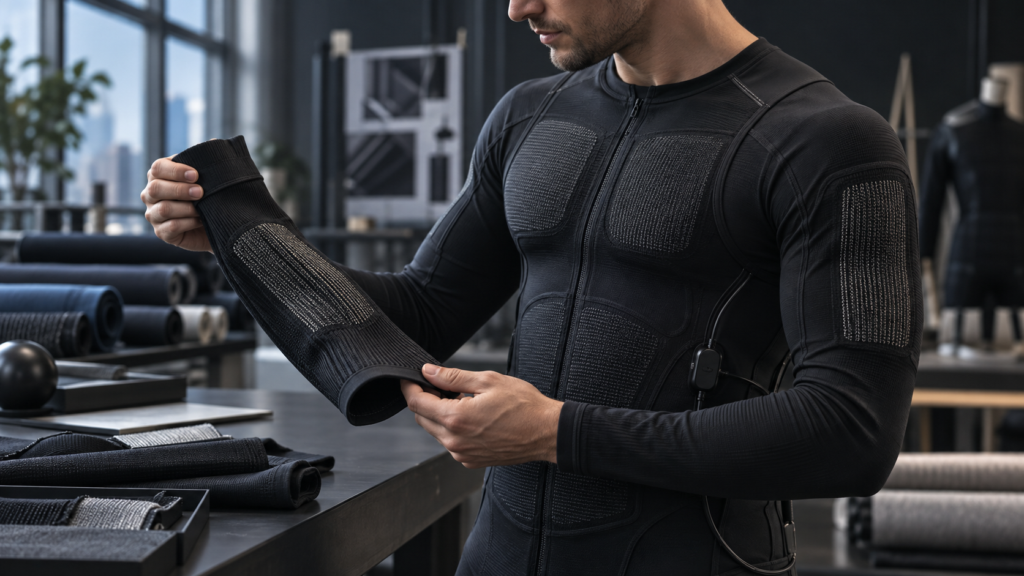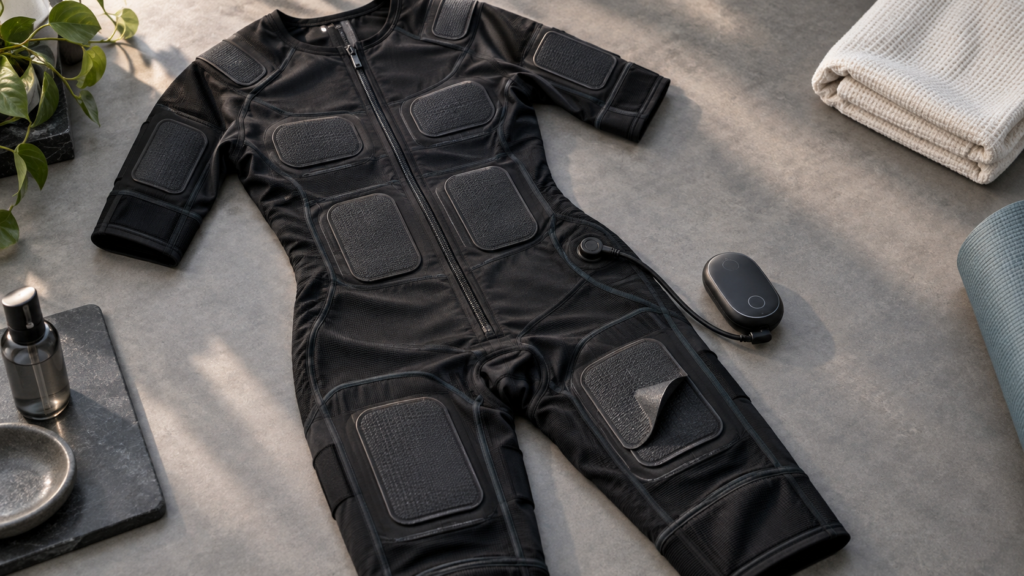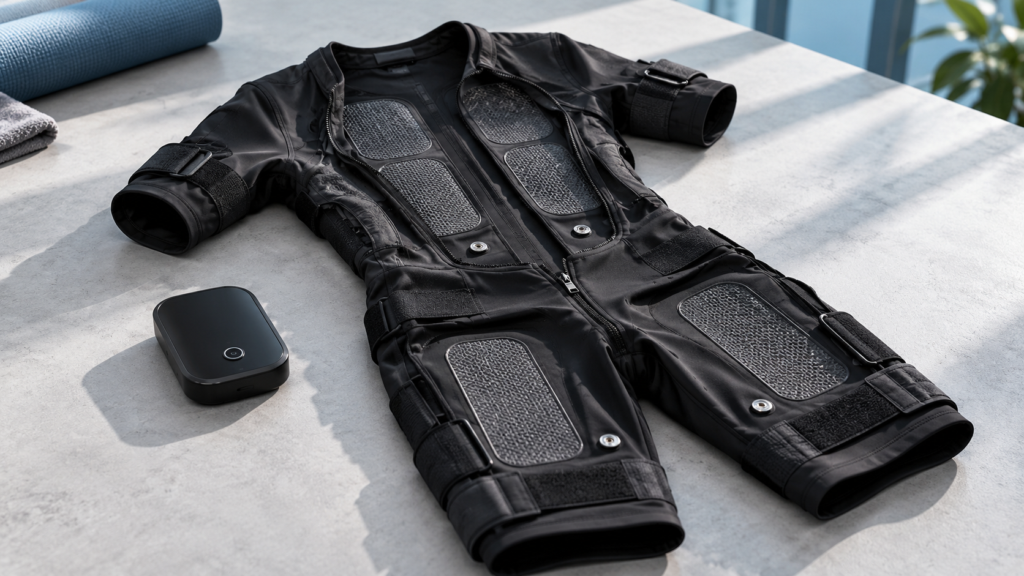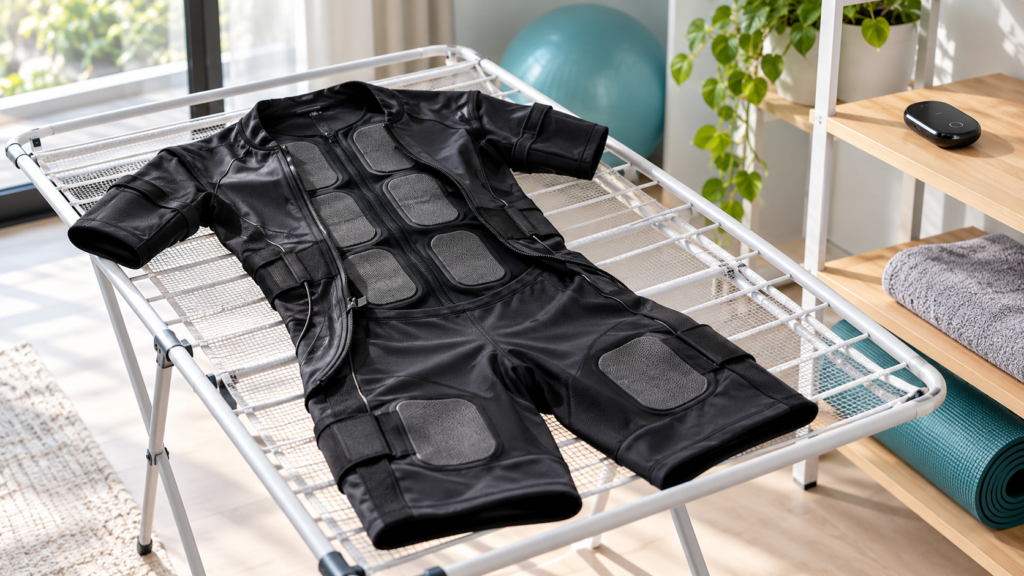
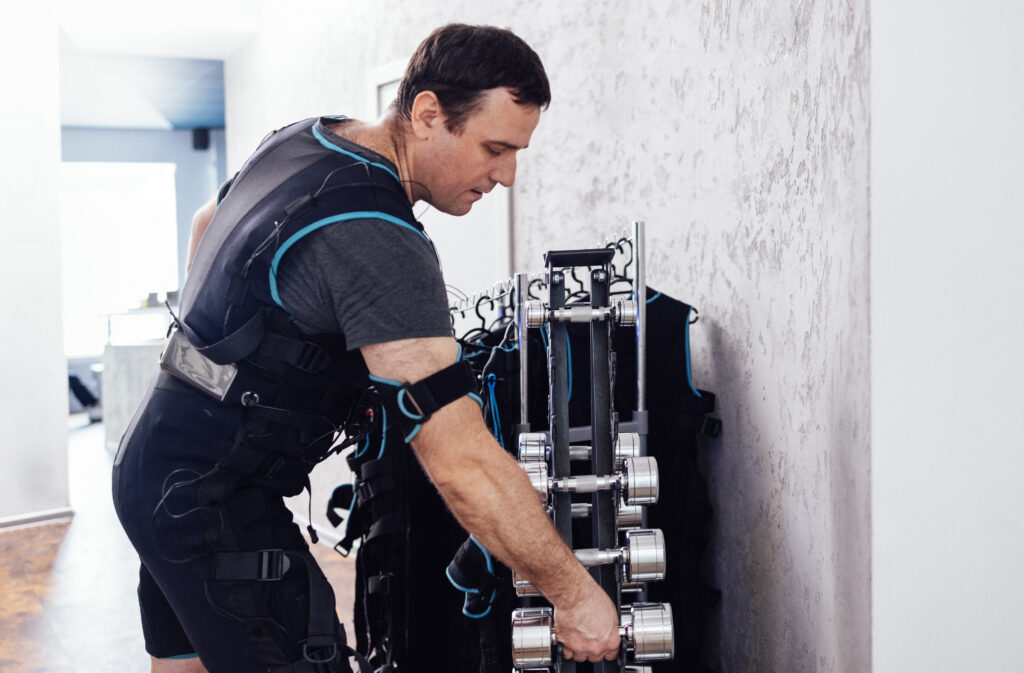
EMS body composition improvement represents one of the most sought-after outcomes for EMS training consumers. The ability of EMS body composition programs to simultaneously address both fat loss and muscle development makes EMS particularly interesting for body recomposition goals. Research into ems training for body composition targeting fat loss wh continues to evolve as more studios adopt evidence-based approaches.
EMS body composition research demonstrates that WB-EMS training can produce simultaneous improvements in both fat mass and lean mass — the “holy grail” of fitness that conventional training often struggles to achieve simultaneously. Understanding ems training for body composition targeting fat loss wh is key for any trainer looking to modernize their program.
This article examines EMS body composition research findings, the conditions under which EMS recomposition occurs, and practical strategies for optimizing EMS body composition outcomes. The evidence supporting ems training for body composition targeting fat loss wh is growing steadily in the professional fitness space.

Why Body Recomposition Is Difficult and Where EMS May Help
EMS recomposition challenge: conventional wisdom holds that simultaneous fat loss and muscle gain requires very specific conditions. EMS body composition research challenges this conventional wisdom by showing meaningful recomposition in multiple populations. For coaches exploring ems training for body composition targeting fat loss wh, proper protocol design is essential.
EMS fat loss muscle gain mechanism: EMS creates muscle-building stimulus (from high-intensity contractions) while simultaneously increasing caloric expenditure — creating conditions favorable for both muscle gain and fat loss. Clients asking about ems training for body composition targeting fat loss wh deserve clear, evidence-informed guidance.
The research evidence supports this dual-stimulus hypothesis. Studies examining WB-EMS training in various populations — sedentary adults, middle-aged individuals, elderly adults, and overweight individuals — consistently find that the EMS group shows both reduced fat mass and maintained or increased lean mass over the training period, consistent with true recomposition occurring rather than simple weight loss. The practical application of ems training for body composition targeting fat loss wh varies depending on goals and client profile.
Research Evidence for EMS Body Recomposition: Ems training for body composition targeting fat loss wh
EMS body composition systematic review research consistently shows that WB-EMS training produces significant improvements in both body fat percentage and lean body mass in multiple populations. Studios investing in ems training for body composition targeting fat loss wh report strong client retention and satisfaction.
EMS simultaneous fat loss muscle building evidence: the magnitude of EMS body composition improvements is typically modest but meaningful — 1-3 kg lean mass improvement and 2-4% body fat reduction in well-designed programs. Anyone serious about ems training for body composition targeting fat loss wh should prioritize certified equipment and trained staff.
Electrical stimulation body composition mechanism: the combination of high-intensity muscle activation (anabolic) and elevated caloric expenditure (catabolic) creates the conditions for EMS body composition recomposition. The business case for ems training for body composition targeting fat loss wh is supported by both research and real-world results.
For younger, more active populations, the recomposition benefits of EMS tend to be most pronounced in those who are not already performing intensive resistance training — because consistent high-volume conventional resistance training is already providing a strong muscle-building stimulus. EMS adds greatest body composition value when the existing training program lacks sufficient muscle activation stimulus to drive lean mass development alongside whatever activity is driving caloric expenditure. Getting the most from ems training for body composition targeting fat loss wh requires consistent protocol and progress tracking.
Practical Strategies for EMS-Based Body Recomposition
EMS body composition optimization strategy: adequate protein intake (1.6-2.2g/kg), consistent twice-weekly EMS training, and caloric balance appropriate for goals maximizes EMS body composition outcomes. Safety remains a top priority in any ems training for body composition targeting fat loss wh program.

Maintaining a modest rather than aggressive caloric deficit — if weight loss is a goal — supports better recomposition outcomes from EMS training by providing enough energy substrate to support the muscle building that EMS training stimulates. Very aggressive caloric restriction (greater than 1,000 kcal/day deficit) impairs muscle protein synthesis even with resistance training stimulus and should be avoided in EMS-based body composition programs. Professionals offering ems training for body composition targeting fat loss wh benefit from ongoing education and certification.
Consistency over time is the most critical factor in EMS body composition outcomes. The research showing meaningful recomposition from EMS involves training periods of 8 to 16 weeks with twice-weekly sessions — a commitment that allows for the cumulative training adaptations in both muscle tissue and fat metabolism that produce visible body composition changes. Expecting recomposition results in shorter timeframes sets unrealistic expectations.
Conclusion
EMS body composition represents a genuinely effective application of whole-body EMS training. The evidence strongly supports simultaneous fat loss and muscle development with appropriate protocols.
For individuals seeking EMS body composition improvement, the key requirements are: consistent training, adequate protein intake, and patience — meaningful EMS body composition changes require 12+ weeks of consistent training.
Ready to improve your body composition with EMS? Explore our brand reviews and product reviews, or compare options with our product comparison tool.
Frequently Asked Questions
Can EMS training help build muscle while losing fat?
Research consistently shows that WB-EMS training produces simultaneous reductions in fat mass and maintenance or increases in lean mass in multiple study populations — a body recomposition profile. This dual effect appears to be one of EMS’s distinctive body composition advantages compared to conventional cardio exercise, which typically reduces both fat and lean mass.
Is EMS body recomposition suitable for older adults?
EMS body recomposition research has shown particularly strong results in older adults, where EMS has been found effective for reversing sarcopenic obesity — the combination of elevated fat and reduced muscle common with aging. EMS’s ability to provide resistance training stimulus without heavy joint loading makes it especially accessible for older adults pursuing body composition improvement.
How long does EMS body recomposition take?
Research studies examining EMS body recomposition typically use 8 to 16 week training periods and find meaningful changes within this timeframe. Visible body composition changes — a leaner, more muscular appearance — generally require consistent training over this period rather than shorter timeframes.
Do I need to diet while doing EMS for body composition?
Dietary protein adequacy is important for supporting the lean mass development that drives EMS recomposition. Moderate caloric management supports fat loss without impairing the muscle-building response. Very aggressive caloric restriction is counterproductive for EMS body recomposition and should be avoided.
Why might the scale not change much even when EMS is improving body composition?
EMS training can simultaneously reduce fat mass and increase lean mass, meaning the scale weight may change little even as body composition improves meaningfully. Muscle is denser than fat — when fat is replaced by muscle, appearance improves and health metrics improve even without significant scale movement. Body composition measurements (DEXA, bioelectrical impedance) or clothing fit are more informative indicators of EMS recomposition progress than scale weight.