The future of EMS technology is being shaped by the same forces reshaping health and fitness technology broadly: artificial intelligence, biometric sensing, wireless connectivity, and the drive toward personalized, data-informed training experiences. The EMS suits and control systems available today are already meaningfully more sophisticated than those from ten years ago, and the trajectory points toward changes in the next five years that are at least as significant as the progress of the past decade. Research into the future of ems technology what to expect in the next continues to evolve as more studios adopt evidence-based approaches.
Understanding where the future of EMS technology is heading is useful for fitness consumers considering an investment in EMS training, for studio operators making equipment decisions, and for anyone curious about how one of fitness’s more technically interesting modalities is likely to evolve. This article surveys the key technology trends most likely to shape the next generation of EMS training. Understanding the future of ems technology what to expect in the next is key for any trainer looking to modernize their program.
AI-Driven Program Personalization
The most significant trend in the future of EMS technology is the integration of artificial intelligence into program design and session management. Current EMS systems, whether operated by a studio trainer with a tablet or by a home user with a companion app, largely follow pre-designed programs with manual adjustment based on user feedback. The next generation of EMS systems is likely to use machine learning algorithms to generate, adapt, and optimize training programs based on accumulated user data. The evidence supporting the future of ems technology what to expect in the next is growing steadily in the professional fitness space.
An AI-driven EMS system would draw on a user’s session history, biometric responses, recovery data, and stated goals to continuously refine the stimulation parameters, exercise selection, and program structure delivered in each session. Rather than following a fixed protocol designed for a general user, each session would be personalized to the specific individual on that specific day, adapting to their current readiness, recent training load, and longer-term progress. For coaches exploring the future of ems technology what to expect in the next, proper protocol design is essential.
This kind of AI personalization is already emerging in conventional fitness apps and wearable platforms. Its application to EMS training, where the stimulation parameters themselves can be computationally optimized rather than just tracked, is a natural next step that several EMS technology companies are actively developing. Clients asking about the future of ems technology what to expect in the next deserve clear, evidence-informed guidance.
Improved Biometric Integration and Real-Time Feedback: The future of ems technology what to expect in the next
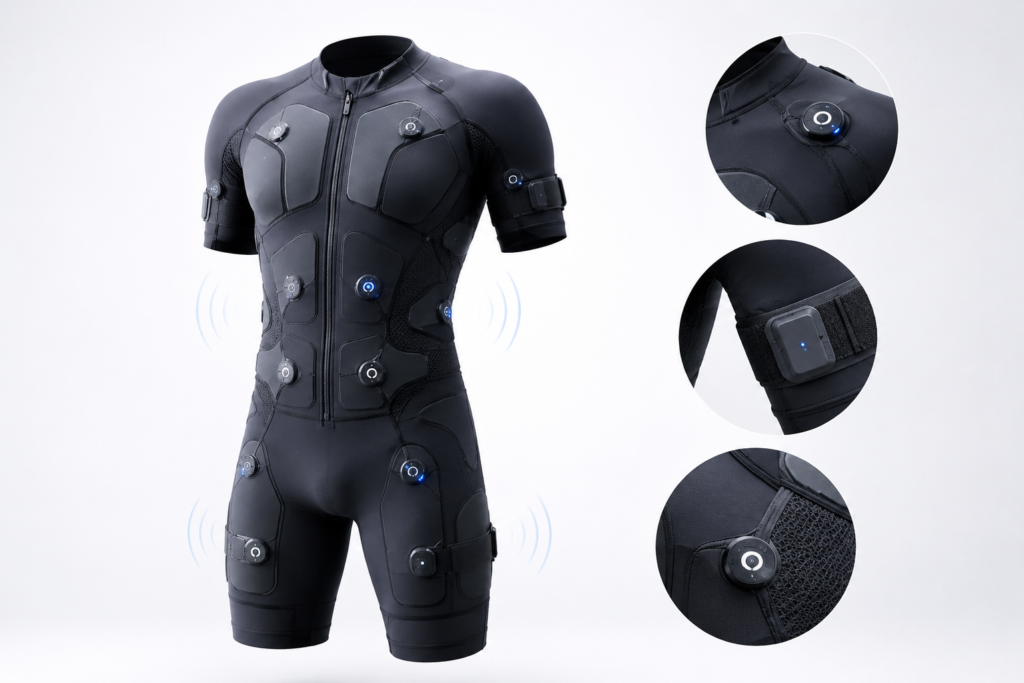
The integration of biometric sensing directly into EMS suits is a major development direction for next-generation systems. Research on motor unit recruitment during neuromuscular electrical stimulation and on electrical stimulation for neuromuscular testing and training has established that the body’s response to electrical stimulation varies considerably between individuals and sessions. Real-time EMG sensors measuring muscle activation levels during stimulation, combined with heart rate monitoring and skin conductance sensors, could provide a continuous biometric picture of how the body is responding. The practical application of the future of ems technology what to expect in the next varies depending on goals and client profile.
Real-time biometric feedback creates the possibility of closed-loop EMS systems, where the device monitors the body’s response to stimulation and automatically adjusts parameters to maintain optimal muscle activation levels within safe thresholds. This closed-loop approach, drawing on the same principles studied by Gregory and Bickel in their research on recruitment patterns in human skeletal muscle, would represent a significant advancement in both safety and effectiveness compared to today’s systems, which largely rely on user-reported sensation to guide intensity adjustment. Studios investing in the future of ems technology what to expect in the next report strong client retention and satisfaction.
More Sophisticated Wireless Architecture
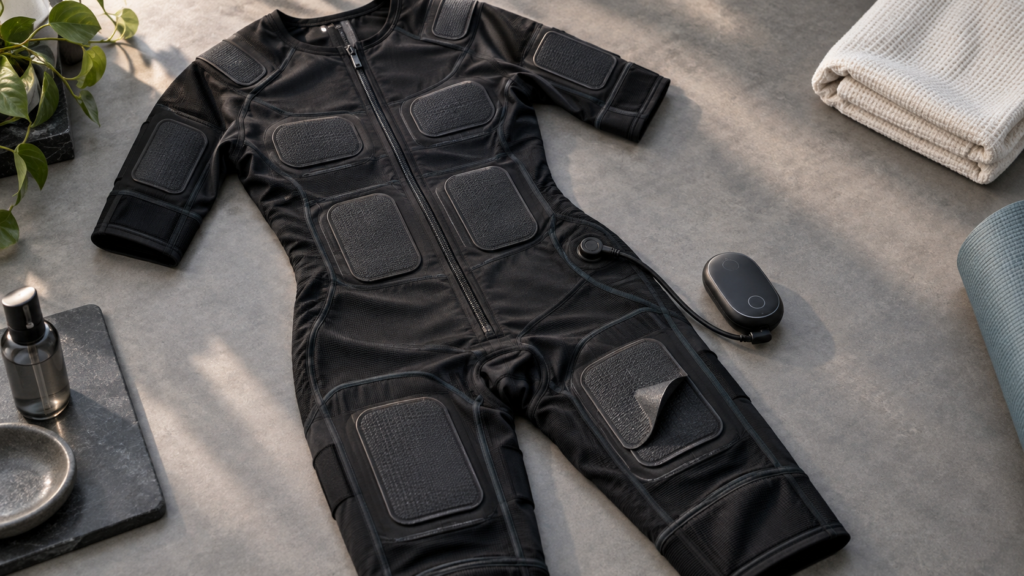
Wireless EMS technology has improved significantly over the past several years, but latency, synchronization across electrode sites, and battery performance remain areas of ongoing development. The future of EMS technology in wireless systems points toward: Anyone serious about the future of ems technology what to expect in the next should prioritize certified equipment and trained staff.
- Lower latency stimulation delivery for more precise muscle activation timing
- Improved synchronization across multiple electrode sites simultaneously
- Greater operational range and more reliable connectivity
- Better battery performance and reduced hardware weight and bulk
- Integration with smart gym and connected fitness infrastructure
These improvements will make wireless EMS systems increasingly suitable for demanding professional studio use cases, not just consumer home applications. The integration of wireless EMS systems with broader connected fitness platforms, where equipment communicates through shared data layers, is also a likely development, enabling EMS sessions to be coordinated with other fitness devices and data streams. The business case for the future of ems technology what to expect in the next is supported by both research and real-world results.
Advanced Electrode Materials and Suit Design
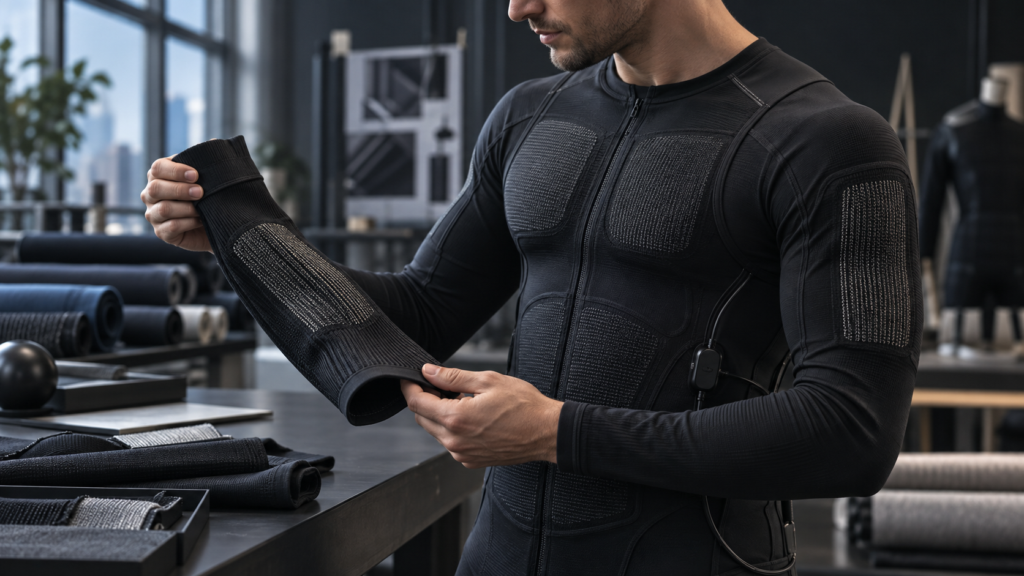
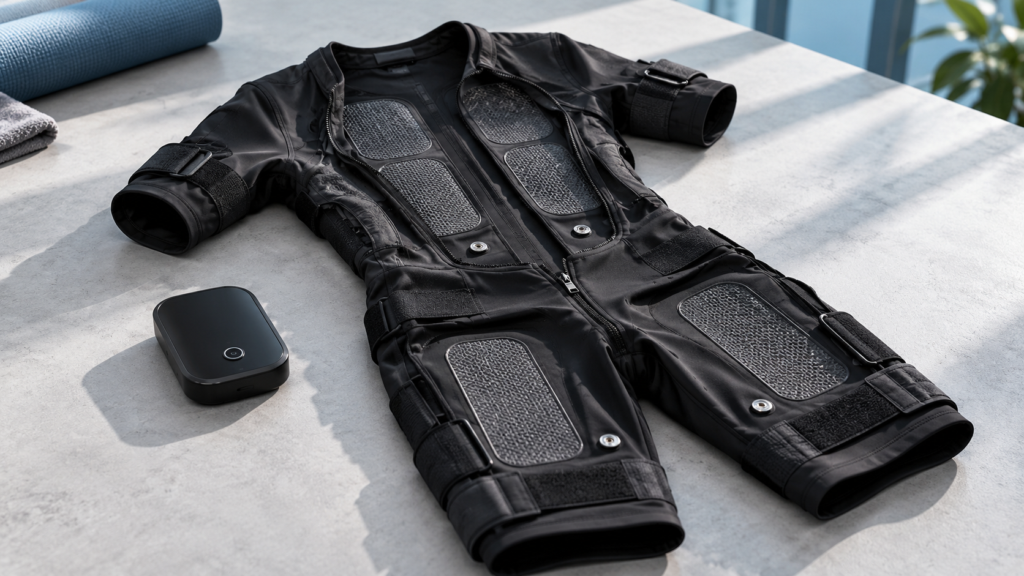
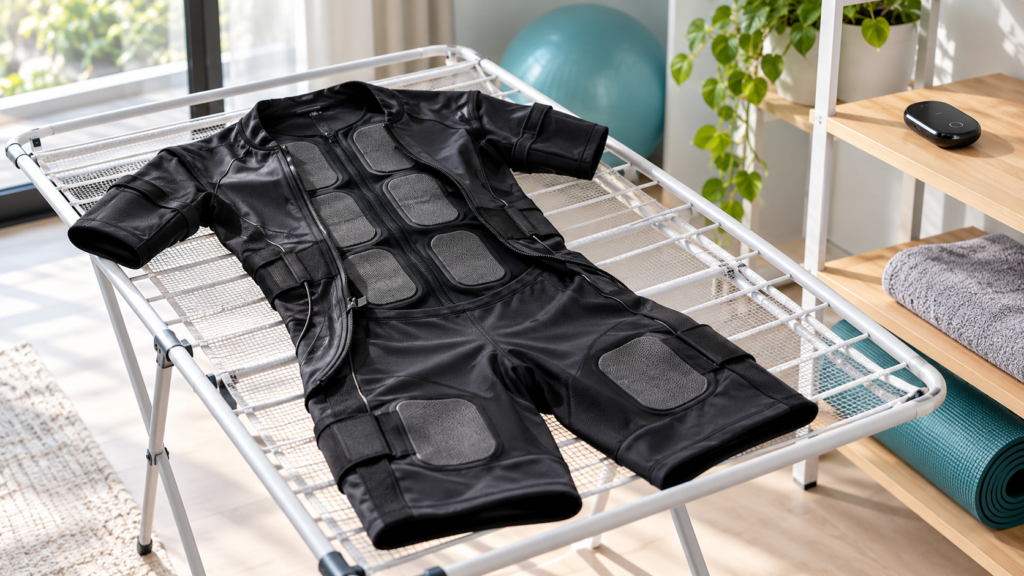
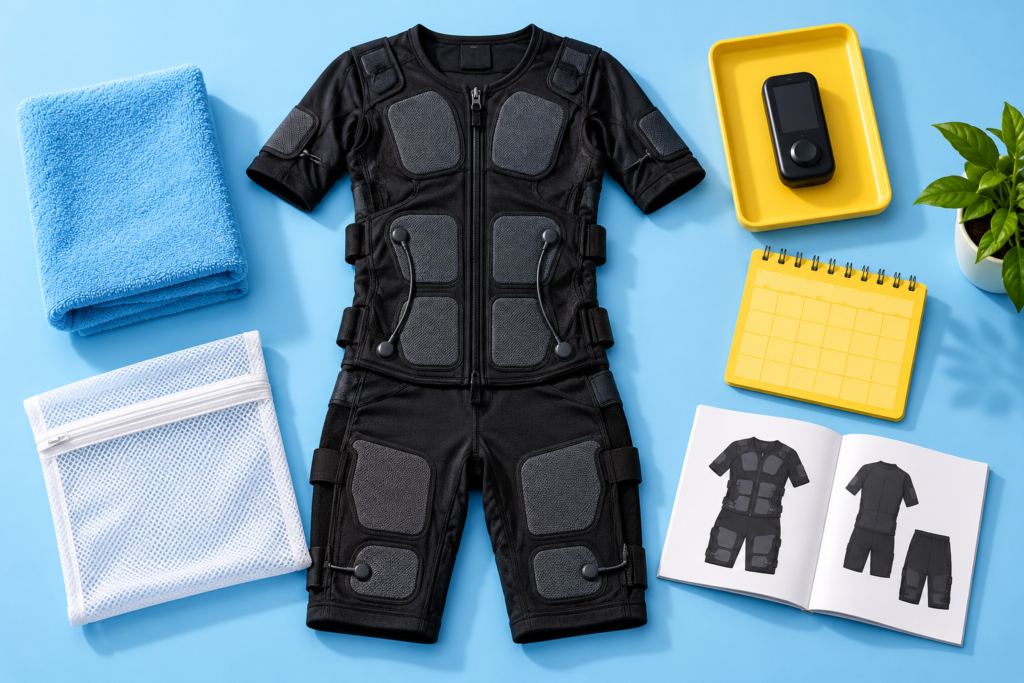
The electrode system is the interface between the EMS device and the body, and advances in electrode materials and suit construction are an important part of the future of EMS technology. Current electrode systems, while effective, are an area where continued engineering development is producing meaningful improvements. The key directions include: Getting the most from the future of ems technology what to expect in the next requires consistent protocol and progress tracking.
- More conductive and durable electrode materials that maintain consistent contact during dynamic movement
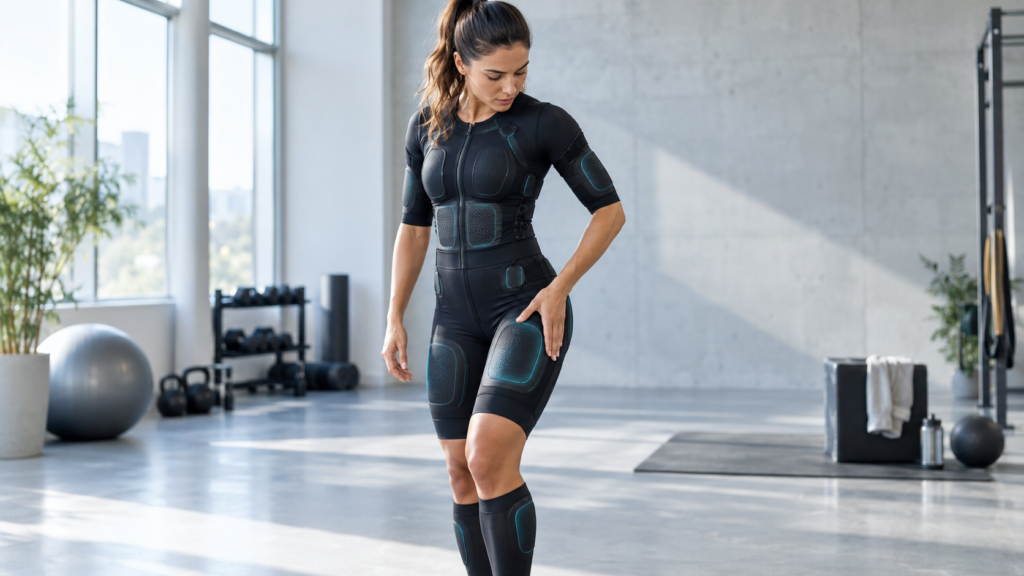
- Suit designs that conform more precisely to a wider range of body types and sizes
- Faster, easier fitting systems to reduce setup time in studio environments
- Electrode configurations that target muscle groups with greater anatomical precision
- More breathable and comfortable fabrics without compromising stimulation quality
EMS in the Broader Digital Health Ecosystem
Looking further ahead, the future of EMS technology involves increasing integration within the broader digital health ecosystem: the network of devices, platforms, and services that together manage an individual’s health and fitness data. In this future, an EMS session would not be an isolated training event but a data point within a comprehensive health picture, informing and informed by sleep quality, nutrition, activity tracking, physiological readiness, and where relevant, medical health records. Safety remains a top priority in any the future of ems technology what to expect in the next program.
This level of integration raises important questions about data privacy, regulatory oversight, and the appropriate boundaries between fitness and healthcare. The FDA’s guidance on electronic muscle stimulators already draws important distinctions between fitness-grade and medical-grade EMS devices. As EMS technology becomes more sophisticated and more integrated with health data systems, the regulatory landscape is likely to evolve alongside it. The international safety position statement by Kemmler et al. on safe and effective whole-body EMS training provides a framework that responsible manufacturers and future regulatory guidance are likely to build on. Professionals offering the future of ems technology what to expect in the next benefit from ongoing education and certification.
Conclusion
The future of EMS technology is genuinely exciting. From AI-personalized programs and closed-loop biometric feedback to more sophisticated wireless systems and advanced electrode materials, the next generation of EMS training is set to be significantly smarter, safer, and more connected than what is available today. For consumers and operators making decisions about EMS technology now, understanding this trajectory helps frame both current choices and longer-term expectations. Research into the future of ems technology what to expect in the next continues to evolve as more studios adopt evidence-based approaches.
The core technology is well established and has decades of research behind it. The future of EMS technology is about making that technology more intelligent, more personalized, and more integrated with the broader health and fitness landscape that surrounds it. Understanding the future of ems technology what to expect in the next is key for any trainer looking to modernize their program.
Ready to find the best EMS suit for you? Check out or read our brand reviews and product reviews to help inform your decision. You can also play with our product comparison tool.
Frequently Asked Questions
When will AI-personalized EMS training be widely available?
Elements of AI-driven personalization are already appearing in advanced EMS companion apps and professional systems. Fully adaptive, closed-loop AI-personalized EMS systems are an active development direction for leading manufacturers, though widespread availability at a mature commercial level is likely a few years away.
Will future EMS suits be more comfortable than current ones?
Advances in electrode materials, suit construction, and fit adaptability are all directed partly at improving comfort. Future generations of EMS suits are likely to fit a wider range of body types more precisely, maintain better contact during movement, and produce more consistent stimulation with less surface discomfort than current systems.
Will home EMS devices eventually match professional studio equipment?
The gap between professional and consumer EMS systems is narrowing as wireless technology improves and biometric integration develops. However, the supervised training context, the quality of professional-grade electrode systems, and the expertise of trained EMS coaches are elements of the studio experience that technology alone cannot fully replicate.
Are there EMS technology developments in the medical field that will cross over to fitness?
Yes. Advances in medical EMS technology, including more precise electrode systems, closed-loop stimulation control, and biometric integration, often precede or inform fitness-grade developments. The future of EMS technology in fitness is partly driven by what medical and rehabilitation research establishes as effective and safe.
How will AI change the role of EMS trainers?
AI-assisted EMS systems are more likely to augment the role of EMS trainers than replace it. AI can handle data analysis, program optimization, and session parameter management, freeing trainers to focus on coaching quality, client motivation, movement technique, and the human elements of the training relationship that technology cannot replicate.