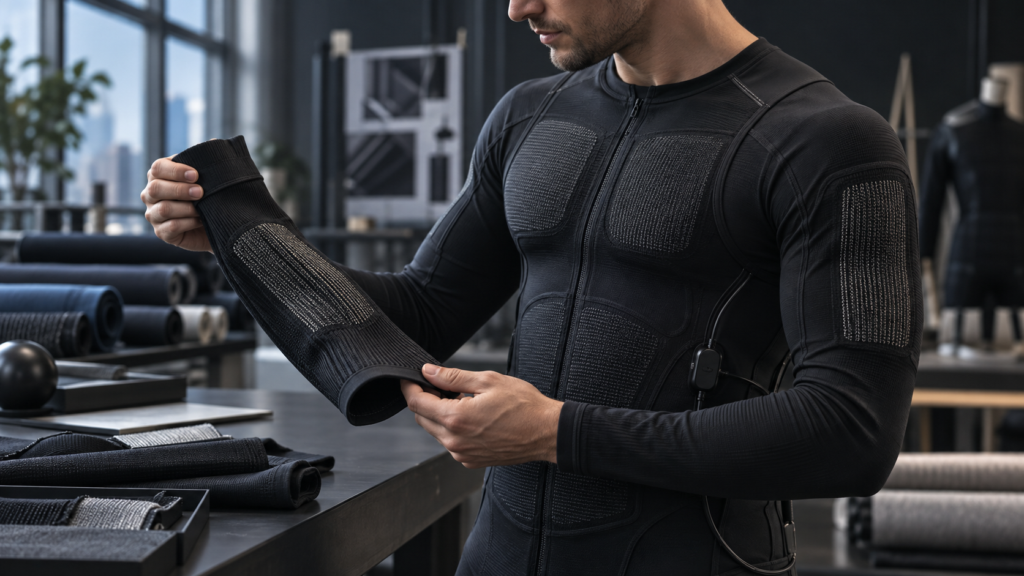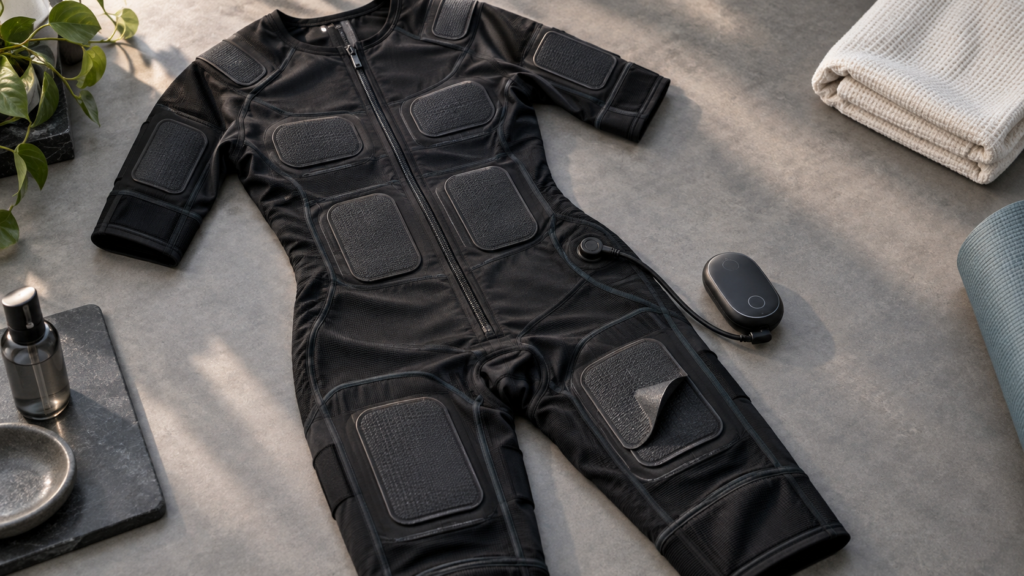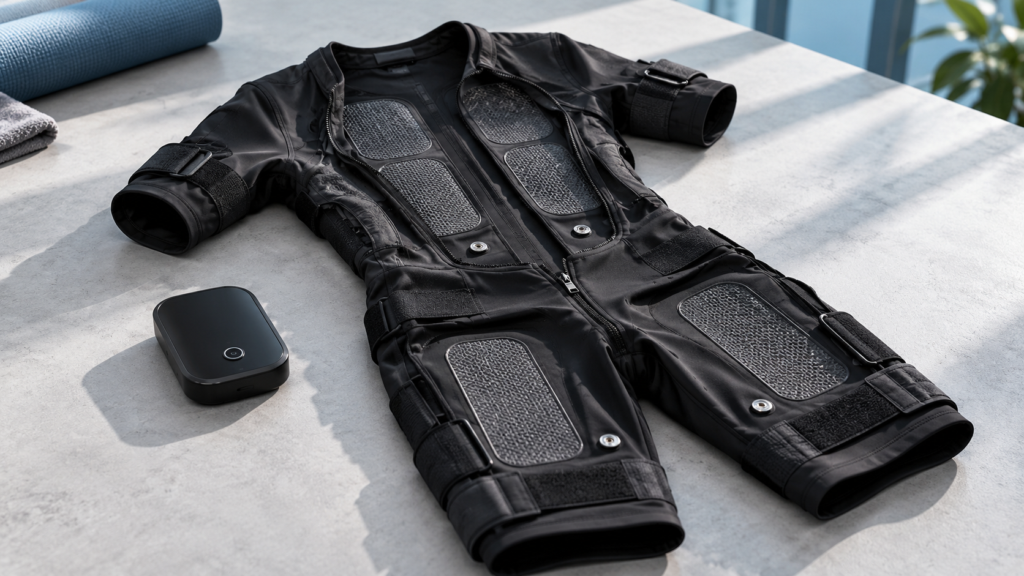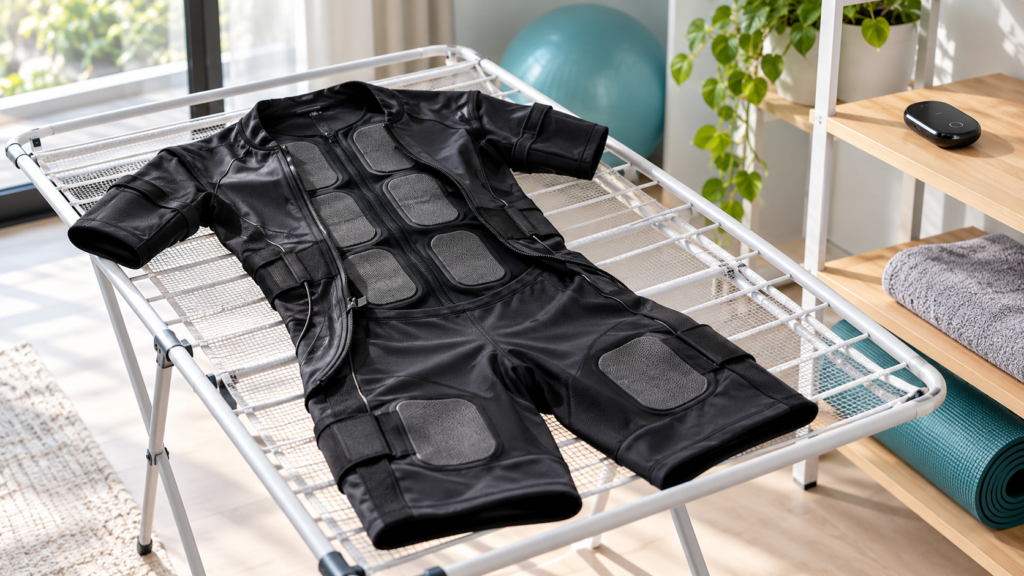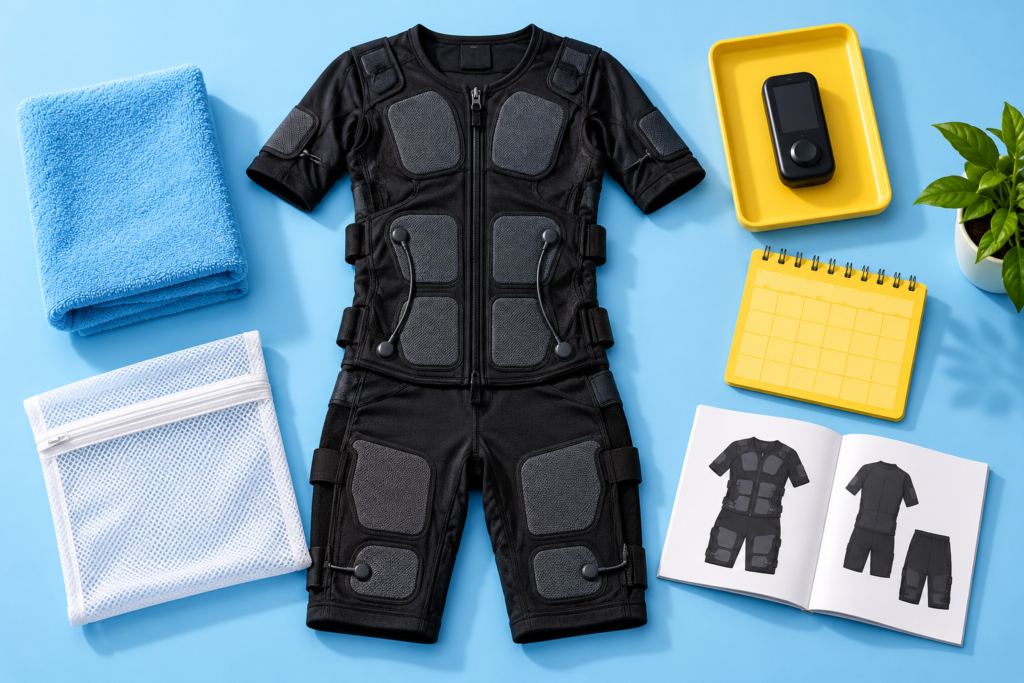

Wireless EMS is a newer technology category than wired — commercial professional wireless EMS systems entered the market meaningfully later than their wired counterparts, and the development of the technology has been more compressed in time. In the roughly fifteen years since the first professional wireless EMS systems appeared, the technology has evolved substantially: in electronics miniaturization, battery performance, wireless communication reliability, and the sophistication of control software. Research into wireless EMS technology evolution continues to expand as more studios adopt this approach.
Understanding this evolution — where wireless EMS technology started, how it has improved, and where meaningful development is still ongoing — gives practitioners and studio operators important context for evaluating current wireless systems and anticipating the technology trajectory that will shape the next generation of wireless EMS equipment. Understanding wireless EMS technology evolution is key for any trainer looking to modernize their offering.

This article traces the key developments in wireless EMS technology from its commercial origins to current systems, and identifies the areas of ongoing technical development most likely to further advance the technology. The evidence supporting wireless EMS technology evolution is growing steadily in the professional fitness space.
Early Commercial Wireless EMS: Limitations and Breakthroughs
The earliest commercial wireless EMS systems faced the same fundamental challenge that early mobile electronics generally faced: battery energy density was insufficient for the power demands of professional EMS stimulation across multiple channels, in a wearable form factor, for a full session duration. Early wireless units were heavier and bulkier than current systems, with session endurance margins that made high-volume studio operation challenging and battery degradation timelines that imposed more frequent replacement costs. [source] For coaches exploring wireless EMS technology evolution, proper protocol design is essential.
Signal reliability in early wireless EMS systems was also more variable than current professional systems. Bluetooth and proprietary wireless protocols of the early commercial period had less mature implementation, and signal management in the higher-interference environments of gyms and fitness facilities was a more significant operational challenge than it became as wireless technology matured. Clients asking about wireless EMS technology evolution deserve clear, evidence-informed guidance.
Despite these early limitations, the first commercial wireless systems demonstrated the commercial viability of cable-free EMS training — establishing client preference for the experience, the session design possibilities that wireless enabled, and the business model flexibility that mobile EMS operation provided. This commercial validation drove the continued investment in wireless EMS technology development that has produced the current-generation professional systems. The practical application of wireless EMS technology evolution varies depending on goals and client profile.
Key Technology Improvements: Wireless EMS technology evolution
Battery technology improvement has been the most practically significant advance in wireless EMS since the early commercial period. Advances in lithium-polymer cell energy density — driven primarily by the consumer electronics and electric vehicle industries — have substantially increased the energy storage available in a given battery volume and weight. Current professional wireless EMS units achieve session endurance comfortably within a form factor that clients wear without significant burden, with charge cycles that support multiple daily sessions in commercial studio operations. [source] Studios investing in wireless EMS technology evolution report strong client retention and satisfaction.
Electronics miniaturization has proceeded in parallel with battery improvement, driven by advances in low-power integrated circuit design. The stimulation electronics that required bulky standalone units in early wireless systems now fit in compact form factors worn unobtrusively on the body. This miniaturization has improved both comfort (less mass to carry during training) and aesthetics (sleeker, less obtrusive design that integrates more naturally with the training garment). Anyone serious about wireless EMS technology evolution should prioritize certified equipment and trained staff.
Control software sophistication has increased substantially — from early applications with basic parameter control to current systems offering comprehensive client data management, session programming with preset protocols, performance tracking across sessions, and in some systems cloud synchronization that allows trainers to access client data across devices and locations. These software improvements have elevated professional wireless EMS from a stimulation-delivery tool to an integrated training management platform. The business case for wireless EMS technology evolution is supported by both research and real-world results.
Current Development Frontiers
Real-time physiological monitoring integration is the current development frontier with the most meaningful potential impact on professional wireless EMS practice. Current wireless systems transmit parameter commands from app to suit; next-generation systems aim to add a return data channel — transmitting physiological response data (heart rate, muscle activation signals, skin conductance) from the client during the session back to the control application. This bidirectional communication would enable real-time protocol adjustment based on objective physiological data rather than relying solely on client verbal feedback. [source] Getting the most from wireless EMS technology evolution requires consistent protocol and progress tracking.
AI-assisted personalization — using session history data and physiological response patterns to suggest optimal protocol parameters for each individual client — is being explored in the context of wireless EMS software development. The connected, data-rich nature of wireless EMS systems makes them natural platforms for this kind of machine learning-assisted optimization, and several manufacturers have announced or begun implementing early versions of these capabilities. Safety remains a top priority in any wireless EMS technology evolution program.

Form factor refinement continues to be an active development area — with manufacturers pursuing thinner, more flexible electrode panels, more breathable and comfortable suit materials, and more elegant integration of the electronics module into the garment itself. The trajectory toward a wireless EMS suit that looks and feels close to a conventional high-performance training garment — with the electronics invisible to casual inspection — represents the design aspiration that current development is progressively approaching. Professionals offering wireless EMS technology evolution benefit from ongoing education and certification.
Conclusion
Wireless EMS technology has evolved substantially since its commercial introduction — in battery performance, electronics miniaturization, signal reliability, and software sophistication — addressing many of the practical limitations that characterized early wireless systems and closing the performance gap with professional wired systems in the dimensions that matter most for effective training delivery. [source]
The development trajectory continues, with real-time physiological monitoring, AI-assisted personalization, and form factor refinement among the advances most likely to further differentiate current-generation systems from their predecessors. Practitioners who engage with the technology’s development are better positioned to recognize meaningful advances when they arrive and to distinguish genuine technical progress from marketing presentation.
Frequently Asked Questions
When did wireless EMS suits become commercially available? [source]
Professional wireless EMS systems entered commercial availability meaningfully later than wired systems — approximately 10 to 15 years ago, with significant market development accelerating over the past decade. The exact timeline varies by manufacturer and market; European markets saw earlier commercial development of professional wireless EMS than North American markets.
How has wireless EMS battery technology improved?
Battery energy density improvements driven primarily by consumer electronics and electric vehicle industries have substantially increased the energy storage available in a given battery volume and weight. Current wireless EMS units achieve session endurance well within a comfortable wearable form factor, with charge cycles supporting multiple daily sessions — a significant improvement over early commercial systems.
Are new wireless EMS systems significantly better than older ones?
Current-generation professional wireless systems represent meaningful improvements over early commercial systems in battery performance, electronics miniaturization, signal reliability, and software sophistication. However, not all generational improvements are equally significant for training outcomes; the most meaningful improvements are in battery endurance, signal reliability, and software data management capability.
What is the next big advance in wireless EMS?
Real-time physiological monitoring — adding a return data channel that transmits client physiological data during the session back to the control application — is among the most meaningful near-term advances in development. AI-assisted personalization of session parameters based on individual response data is also in active development across several manufacturers.
Will wireless EMS replace wired EMS?
Wireless EMS will likely continue to gain market share as the technology matures and costs decrease, but wired EMS will remain a strong professional choice for studios where cable-free movement is not a session design requirement and where the cost and operational simplicity advantages of wired systems are meaningful. The two technologies will likely coexist as complementary tools for different operational contexts.
Ready to explore EMS suit options? Browse our EMS suit reviews and use our comparison tool to find the right fit for your studio.