
Independent EMS Channels Explained: Why Zone Control Matters

Learn what independent EMS channels can control, how zone-specific intensity differs from timing, and what to verify when comparing EMS systems.
EMS Suit Connectivity Problems: A Step-by-Step Troubleshooting Guide
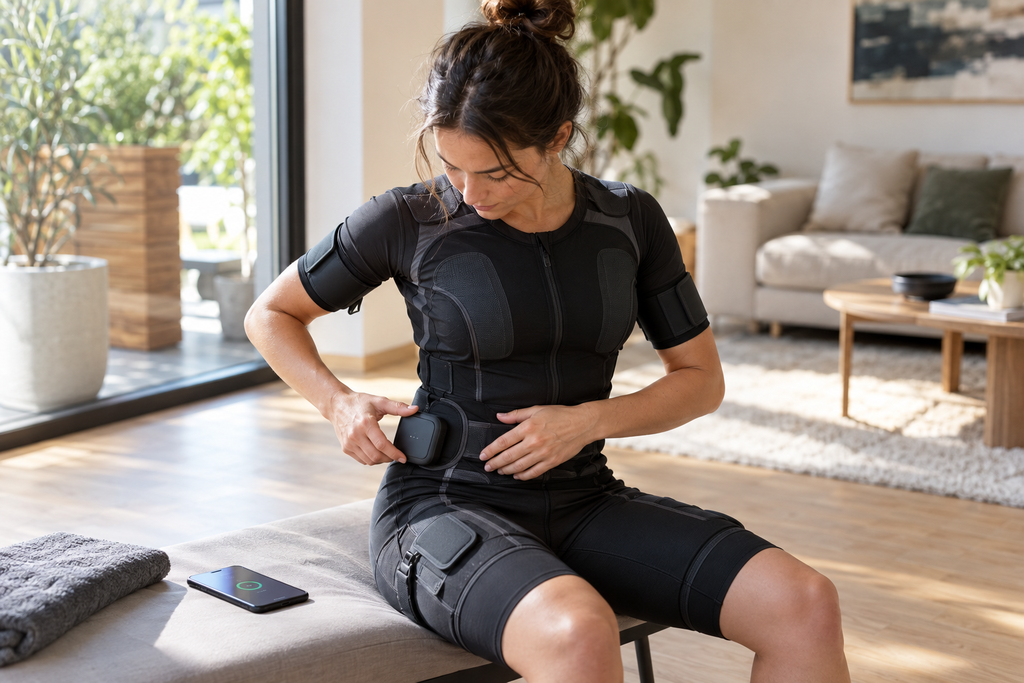
Troubleshoot an EMS suit that will not connect by checking power, app permissions, pairing state, controller seating, updates, and support guidance.
Why an EMS Suit Disconnects Mid-Workout and What to Check
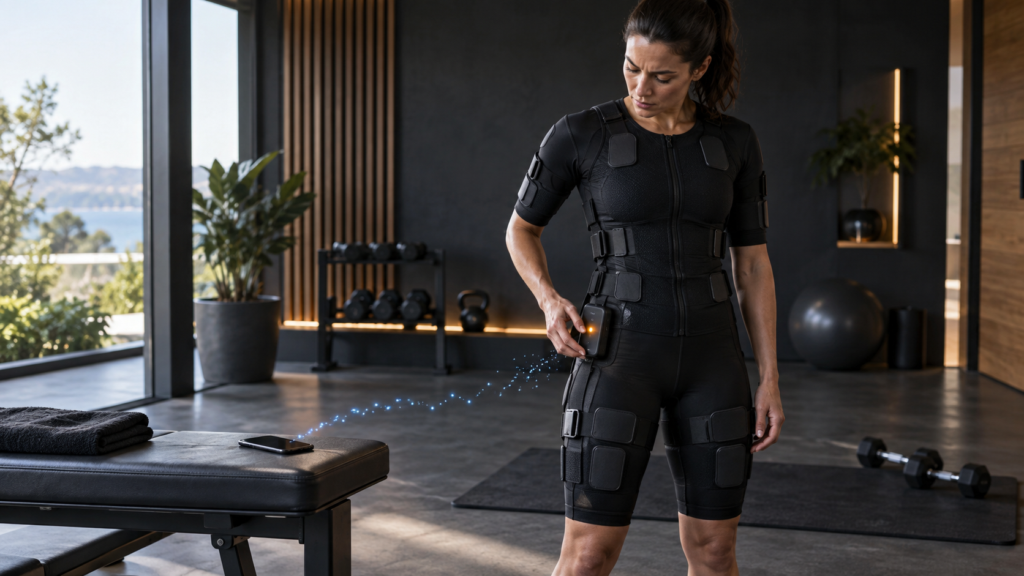
If an EMS suit disconnects during exercise, stop safely and check controller seating, battery, app state, movement-related faults, and support guidance.
EMS Controller Not Charging: Safe Checks Before You Contact Support
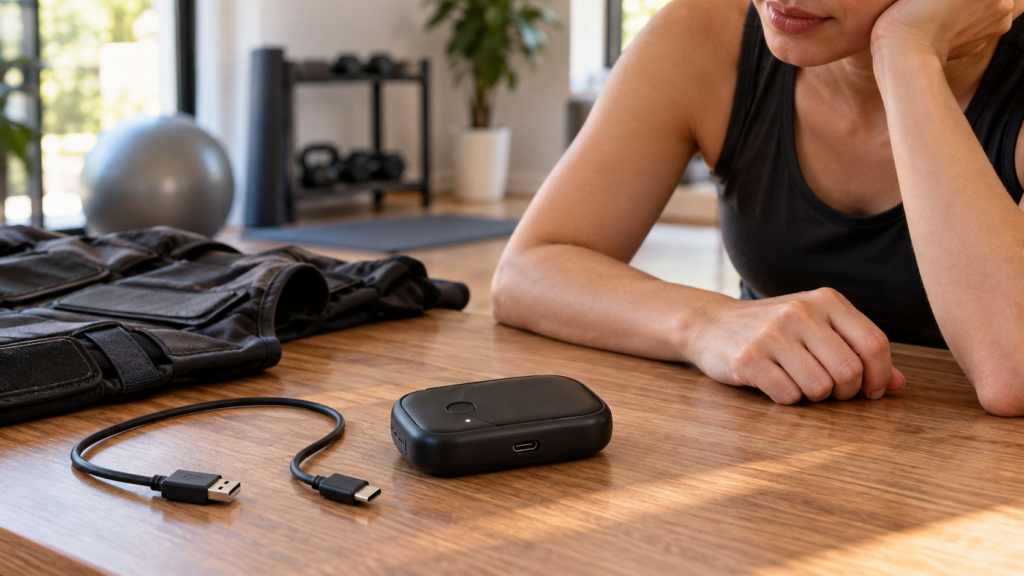
Troubleshoot an EMS controller that will not charge by checking approved power equipment, ports, temperature, indicators, moisture, and battery damage.
Uneven EMS Stimulation: Causes and Practical Fixes
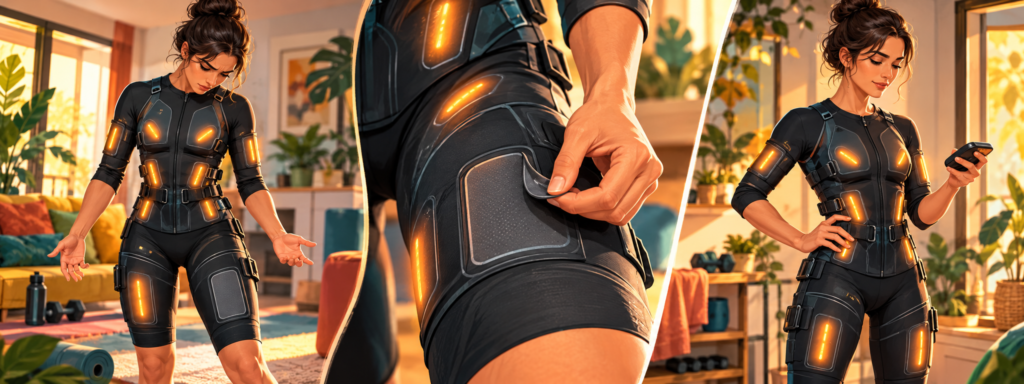
Learn why EMS can feel uneven across zones or sides and how to check fit, contact, settings, posture, fatigue, and equipment before adjusting output.
Why EMS Stimulation Can Feel Different After You Start Sweating

Learn how sweat can change EMS electrode contact and sensation, why wet and dry suits behave differently, and how to respond without chasing intensity.
EMS Suit Error Codes: How to Troubleshoot Without Guessing
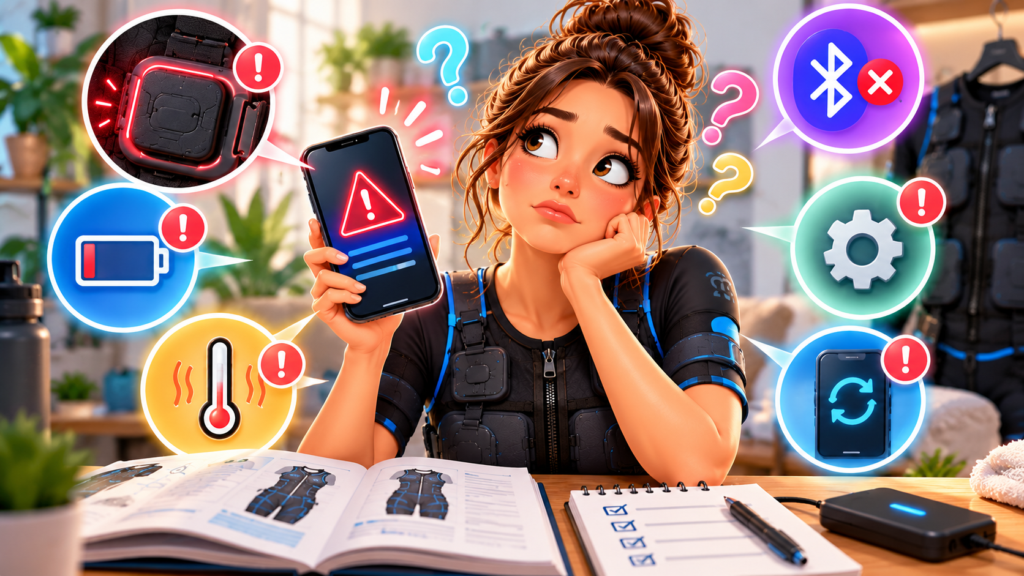
Learn how to record, classify, and safely troubleshoot EMS suit error codes without clearing evidence, bypassing safeguards, or guessing at repairs.
How to Test an EMS Suit Before a Workout: A Pre-Session Equipment Check
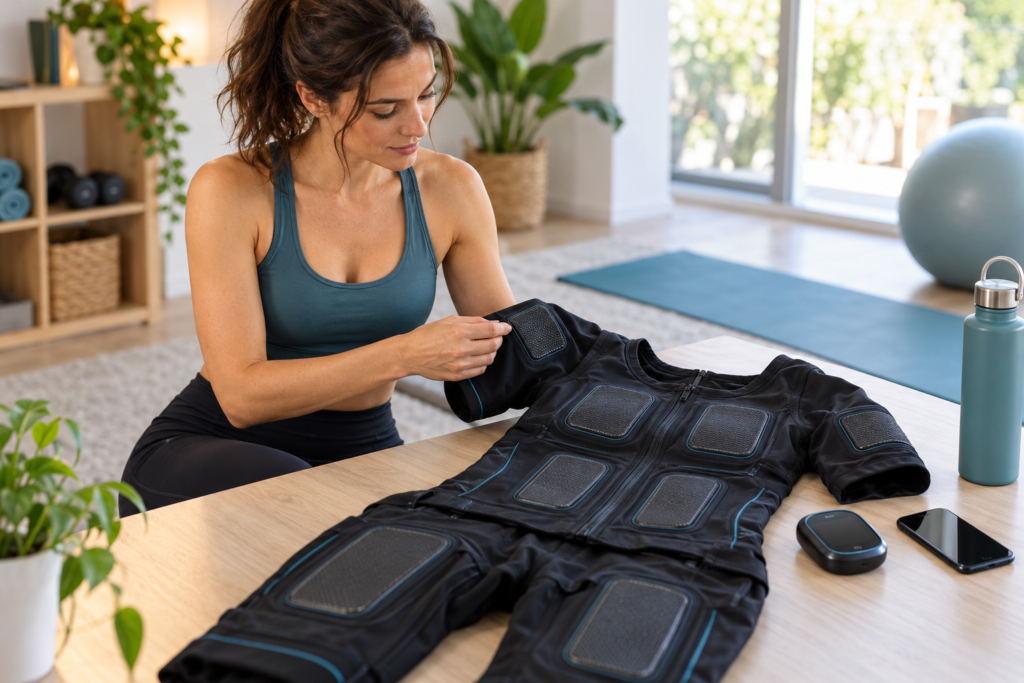
Use this EMS suit pre-session check to inspect health readiness, garment condition, electrodes, controller, stop controls, and the training space.
How to Store an EMS Suit Between Sessions
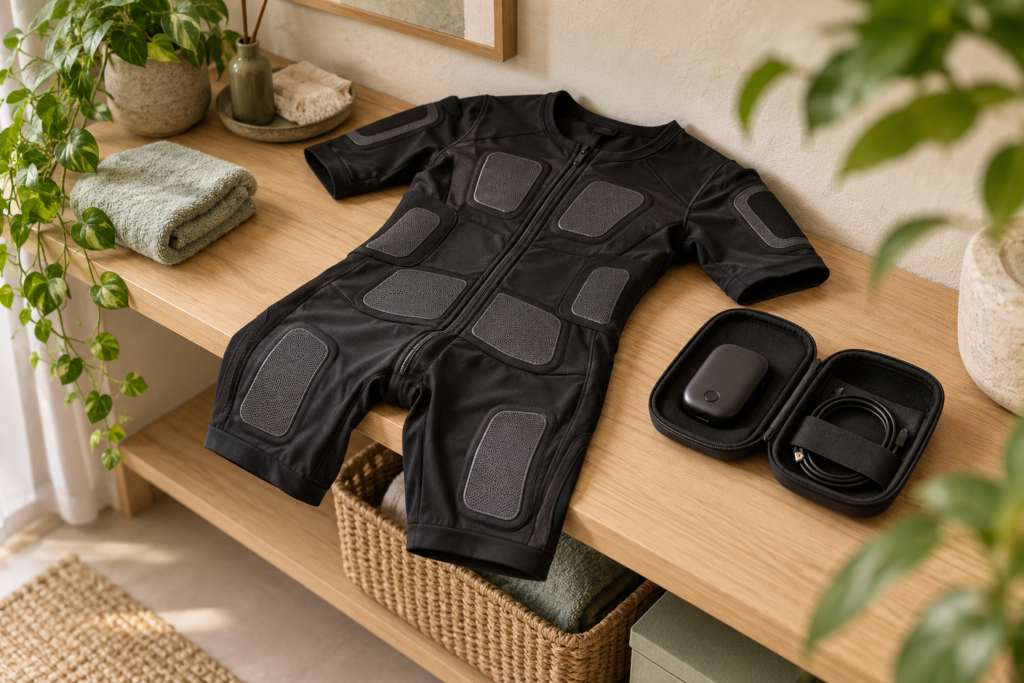
Store an EMS suit correctly by drying it fully, removing electronics, protecting conductive panels and connectors, and avoiding heat, moisture, and tight folds.
How to Dry an EMS Suit Without Damaging Electrodes or Wiring
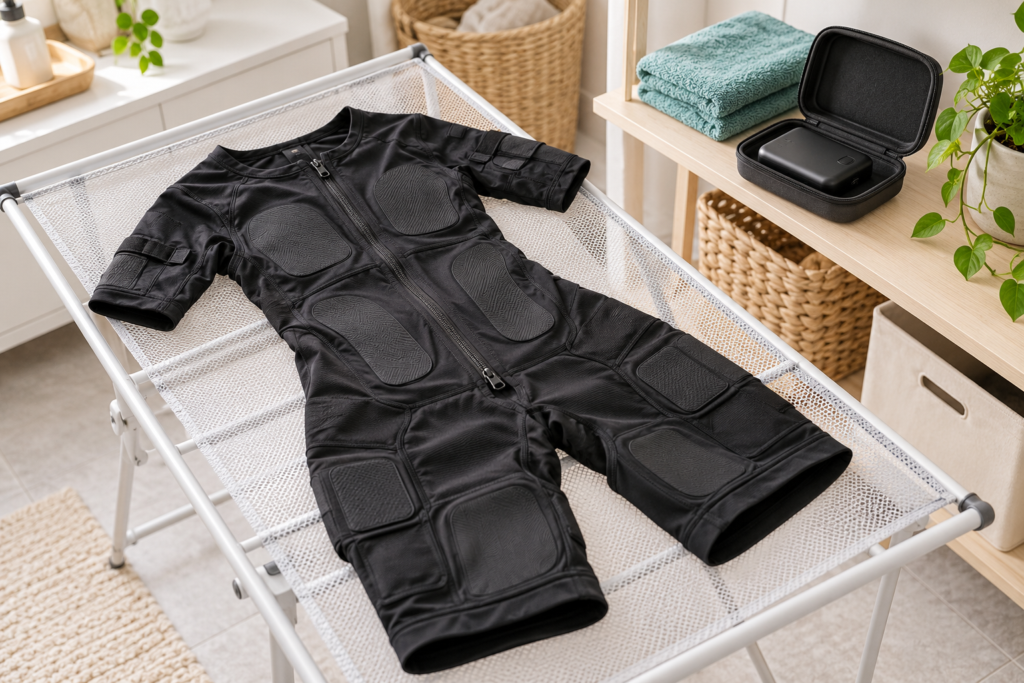
Dry an EMS suit safely by removing electronics, reshaping the garment, allowing airflow, protecting conductive panels, and avoiding unapproved heat.