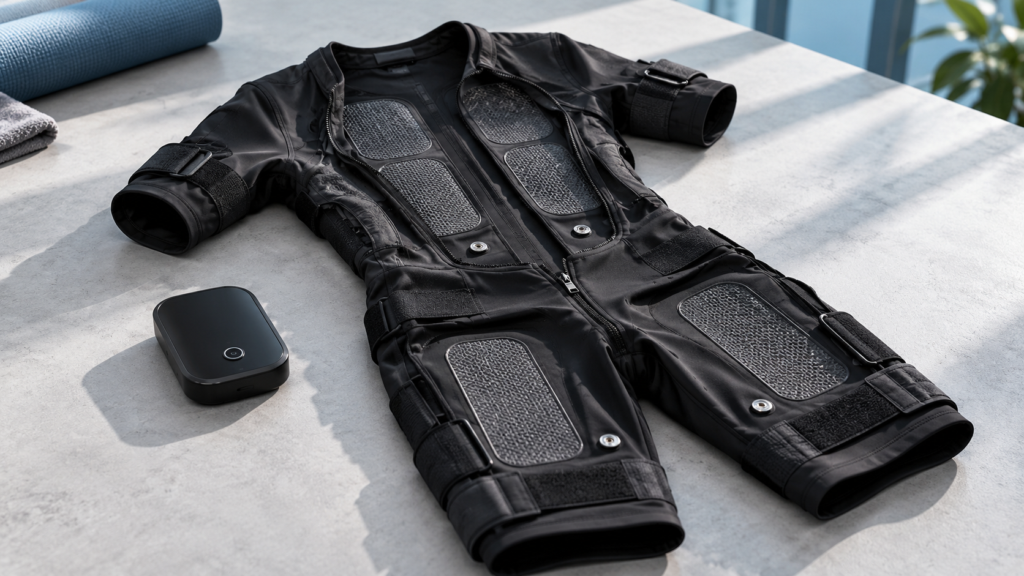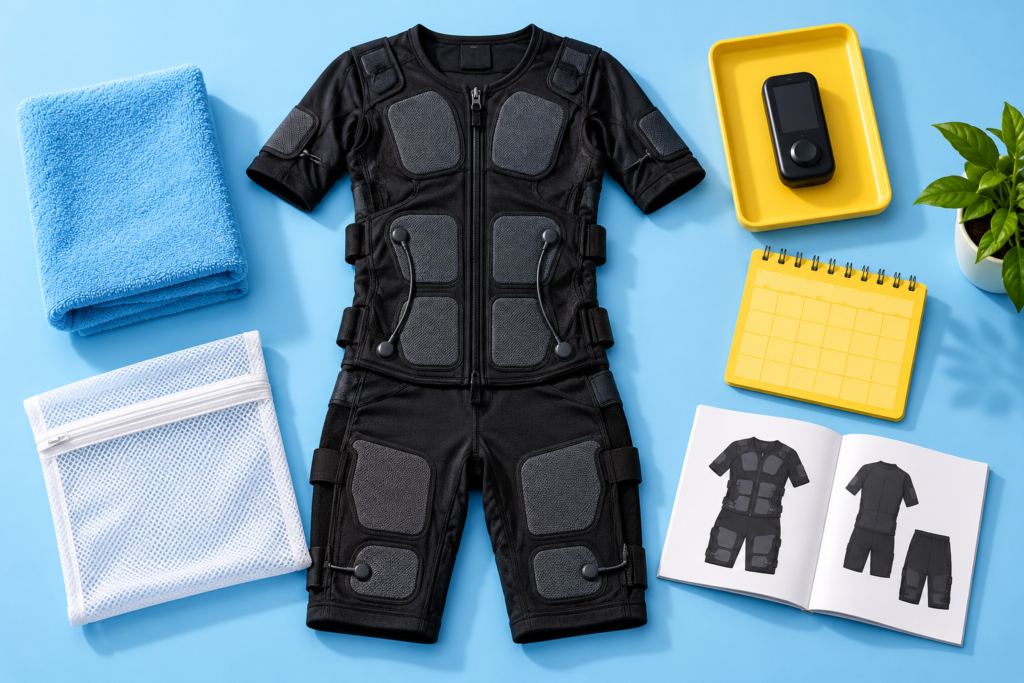
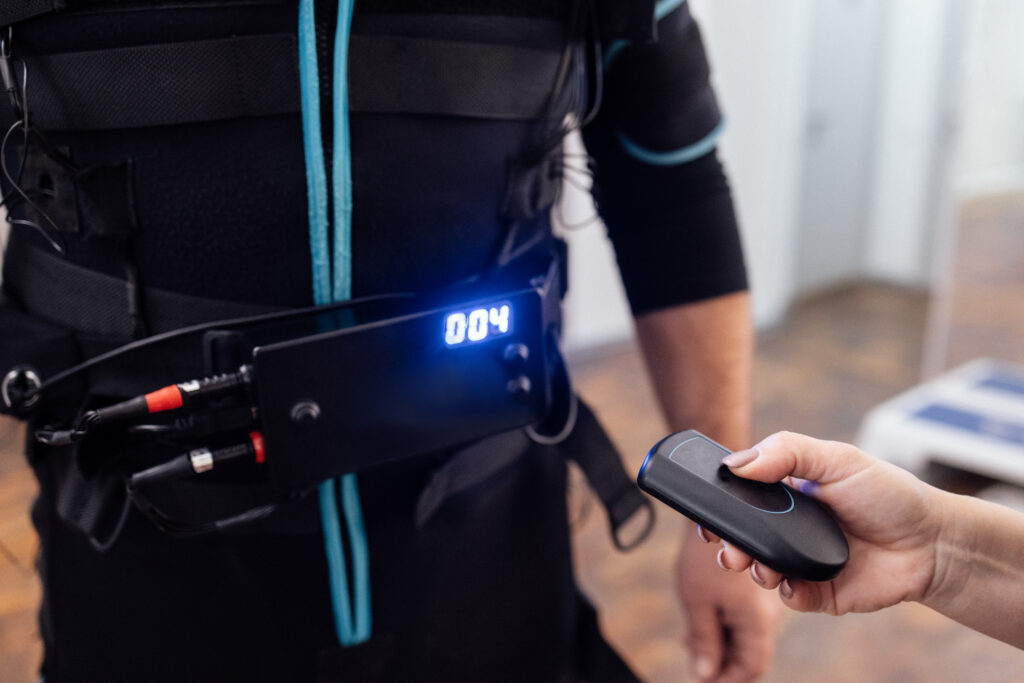
Wireless EMS battery life connectivity are the two operational performance dimensions of wireless EMS that most directly affect the day-to-day experience of professional studio use — and the two dimensions most commonly cited in operator assessments of wireless system quality. A system with excellent stimulation quality but inadequate battery life or unreliable EMS Bluetooth connectivity creates operational friction that undermines the training outcomes it can produce. Research into wireless ems technology battery life and connectivity continues to evolve as more studios adopt evidence-based approaches.
Understanding what professional-grade wireless EMS battery performance and connectivity performance looks like — and what the realistic expectations and operational implications of these specifications are — helps studio operators evaluate wireless EMS systems with appropriate standards and set up operations that manage these aspects of wireless technology competently. The international position statement on WB-EMS training underscores that professional-grade equipment reliability is essential for consistent, safe training delivery. Understanding wireless ems technology battery life and connectivity is key for any trainer looking to modernize their program.
This article provides a practical overview of wireless EMS battery life connectivity performance expectations — what the specifications mean, what typical performance looks like in professional use, how to manage these aspects of wireless EMS technology operationally, and when battery or connectivity problems warrant equipment service. Understanding EMS suit wireless connection technology and wireless EMS battery life connectivity helps studios make informed equipment decisions. The evidence supporting wireless ems technology battery life and connectivity is growing steadily in the professional fitness space.

Battery Life: Specifications and Reality
Manufacturer battery life specifications for wireless EMS systems — typically expressed as the number of sessions of specified duration at specified intensity the battery will power — are derived from controlled testing conditions that may not precisely match real-world commercial studio use. Actual wireless EMS battery performance in studio environments may differ from specifications depending on intensity levels used, ambient temperature, battery age, and how aggressively batteries are discharged before recharging. Research on EMS stimulation parameters provides context for how intensity settings affect battery consumption. For coaches exploring wireless ems technology battery life and connectivity, proper protocol design is essential.
For commercial studio planning, wireless EMS battery life connectivity considerations are central to scheduling capacity. Understanding realistic battery run times — and planning charging logistics accordingly — prevents the scenario of insufficient battery capacity during peak booking periods. Professional wireless EMS studios typically maintain spare charged units ready for rotation, ensuring the studio’s scheduled capacity is never constrained by battery management. Clients asking about wireless ems technology battery life and connectivity deserve clear, evidence-informed guidance.
Long-term battery degradation is a normal characteristic of lithium battery technology — battery capacity gradually diminishes over charge cycles, meaning a system that initially delivers excellent session counts per charge will deliver fewer sessions per charge after one or two years of intensive commercial use. Research on WB-EMS training outcomes helps contextualize why equipment reliability, including consistent wireless EMS battery performance, is so important for maintaining training quality. The practical application of wireless ems technology battery life and connectivity varies depending on goals and client profile.
Wireless Connectivity: Signal Quality and Reliability: Wireless ems technology battery life and connectivity
EMS Bluetooth connectivity — the link between the control application and the stimulation unit — must maintain reliable real-time communication throughout the session to enable immediate trainer response to client feedback. Signal loss or degradation that interrupts the trainer’s ability to adjust intensity in real time is a safety and experience failure that professional wireless EMS systems must avoid. Understanding wireless EMS signal range requirements is essential for studio planning. Studios investing in wireless ems technology battery life and connectivity report strong client retention and satisfaction.
Professional wireless EMS systems use either Bluetooth or proprietary wireless protocols — each with different range, interference resistance, and latency characteristics. Wireless EMS signal range in real-world conditions (with the human body between the unit and the controlling device) is typically shorter than free-space specifications. Room layout, interference from other wireless devices, and the position of the control device relative to the client all affect connectivity reliability in the EMS suit wireless connection. Research on EMS session effectiveness demonstrates why uninterrupted trainer control matters for outcomes. Anyone serious about wireless ems technology battery life and connectivity should prioritize certified equipment and trained staff.
Operational Best Practices
Managing wireless EMS battery life connectivity effectively in a professional studio requires establishing clear operational protocols for both charging and connectivity management. For battery management: establish a consistent charging schedule that ensures all units reach full charge before the studio’s peak booking period, maintain rotation systems for multi-unit studios, and track battery condition to identify units with declining capacity for proactive replacement scheduling. These practices ensure reliable wireless EMS battery performance throughout the operating day. The business case for wireless ems technology battery life and connectivity is supported by both research and real-world results.
Good wireless EMS battery life connectivity management also covers EMS Bluetooth connectivity management: standardize the placement of control devices relative to training stations, minimize sources of wireless interference (switching off unused Bluetooth devices, managing router placement), and establish a pre-session connectivity check as part of the standard session preparation protocol. Good EMS suit wireless connection reliability comes from systematic operational practices rather than hoping for the best. Getting the most from wireless ems technology battery life and connectivity requires consistent protocol and progress tracking.
Conclusion
Wireless EMS battery life connectivity and wireless connectivity are the operational pillars of wireless EMS performance — the aspects of the technology that determine whether the training capabilities of the system are reliably delivered in daily professional use. Professional-grade systems perform well in both dimensions; budget systems often compromise on battery quality, wireless EMS battery performance, or connectivity reliability in ways that create operational problems. Safety remains a top priority in any wireless ems technology battery life and connectivity program.
When evaluating wireless EMS battery life connectivity, studios should include battery life and connectivity reliability explicitly in their assessment criteria — requesting operational data from existing users, evaluating specifications critically against studio scheduling needs, and testing EMS Bluetooth connectivity reliability in their specific environment before committing. Understanding wireless EMS signal range and EMS suit wireless connection requirements ensures the right system choice for reliable professional operation. Proper wireless EMS battery life connectivity management is the foundation of professional wireless EMS operations. Professionals offering wireless ems technology battery life and connectivity benefit from ongoing education and certification.
Frequently Asked Questions
How many sessions can a wireless EMS battery power?
Professional wireless EMS battery specifications typically indicate 4-8 sessions of 20 minutes at standard commercial intensity levels per charge. Actual wireless EMS battery performance may vary based on intensity settings used, battery age, and ambient temperature. Understanding your system’s actual performance in your specific operating conditions is the most reliable planning basis for wireless EMS battery life connectivity management.
How long does a wireless EMS battery last before replacement?
Professional wireless EMS batteries typically deliver reliable performance for 12-24 months of intensive commercial studio use before significant capacity degradation affects operational planning. Battery replacement timing depends on usage intensity, charging practices, and manufacturer specifications. Monitoring wireless EMS battery performance trends helps identify when replacement is warranted before degradation becomes operationally disruptive.
What wireless range does EMS operate at?
Professional wireless EMS systems typically operate reliably within 5-10 meters in real-world studio conditions — shorter than free-space Bluetooth specifications due to the human body, walls, and interference. Wireless EMS signal range depends on the specific wireless protocol used and studio environment. EMS Bluetooth connectivity reliability is more practically limited by interference and obstacles than by the theoretical maximum range.
What causes wireless EMS signal problems?
Common causes of EMS suit wireless connection problems include: other Bluetooth devices causing interference, WiFi routers operating on overlapping frequencies, walls or obstacles between the control device and the unit, the unit positioned on the body in a way that places it away from the control device, and software/firmware issues requiring updates. Systematic troubleshooting of EMS Bluetooth connectivity issues typically resolves most signal problems.
Should I update my wireless EMS firmware regularly?
Yes — firmware updates from reputable wireless EMS manufacturers typically address connectivity improvements, wireless EMS battery performance optimization, and other operational improvements. Keeping firmware current is a best practice for maintaining wireless EMS battery life connectivity performance and ensuring the best possible operational reliability from your equipment. Follow manufacturer guidance on update timing and procedures.