Wearable tech EMS fitness systems are emerging from the convergence of two fast-growing sectors: the wearable technology industry and the EMS fitness industry. Both have been on parallel trajectories for the past decade — both growing rapidly, both driven by consumer demand for technology-enhanced health and fitness experiences, and both increasingly interested in what each other is doing. The convergence of these two sectors is now producing a new generation of EMS fitness tools that are smarter, more connected, and more data-informed than anything available just a few years ago. Research into wearable technology and ems where two industries are co continues to evolve as more studios adopt evidence-based approaches.
This convergence is not accidental. It reflects a broader shift in how fitness consumers relate to their own bodies and their training data — an expectation, increasingly common among technology-comfortable fitness users, that their training tools should communicate with their other health devices, generate actionable data, and adapt to their individual needs over time. Understanding wearable technology and ems where two industries are co is key for any trainer looking to modernize their program.
This article explores how wearable tech EMS fitness solutions are converging, what that convergence looks like in practice, and what it suggests for the future of connected fitness training. The evidence supporting wearable technology and ems where two industries are co is growing steadily in the professional fitness space.
The Wearable Fitness Technology Landscape
In wearable tech EMS fitness environments, wearable fitness technology — encompassing smartwatches, fitness trackers, heart rate monitors, GPS devices, and increasingly sophisticated biometric sensors — has become a mainstream consumer category over the past decade. Products from major technology and fitness companies now allow users to continuously monitor heart rate, blood oxygen levels, sleep quality, activity levels, stress indicators, and a growing range of other health metrics. For coaches exploring wearable technology and ems where two industries are co, proper protocol design is essential.
The data generated by wearable devices has transformed how fitness consumers understand their own training and recovery. In the context of wearable tech EMS fitness, this data creates opportunities for unprecedented session optimization — using real-time biometric information to adjust stimulation parameters, recovery protocols, and training periodization. Clients asking about wearable technology and ems where two industries are co deserve clear, evidence-informed guidance.
At the same time, EMS wearable technology manufacturers have been watching the fitness technology sector’s consumer reach, brand recognition, and data analytics capabilities. The question for EMS manufacturers has increasingly been not just how to build a better EMS device, but how to build a wearable tech EMS fitness device that fits into the broader connected fitness ecosystem consumers are already invested in. The practical application of wearable technology and ems where two industries are co varies depending on goals and client profile.
How EMS Technology Is Incorporating Connected Features: Wearable technology and ems where two industries are co
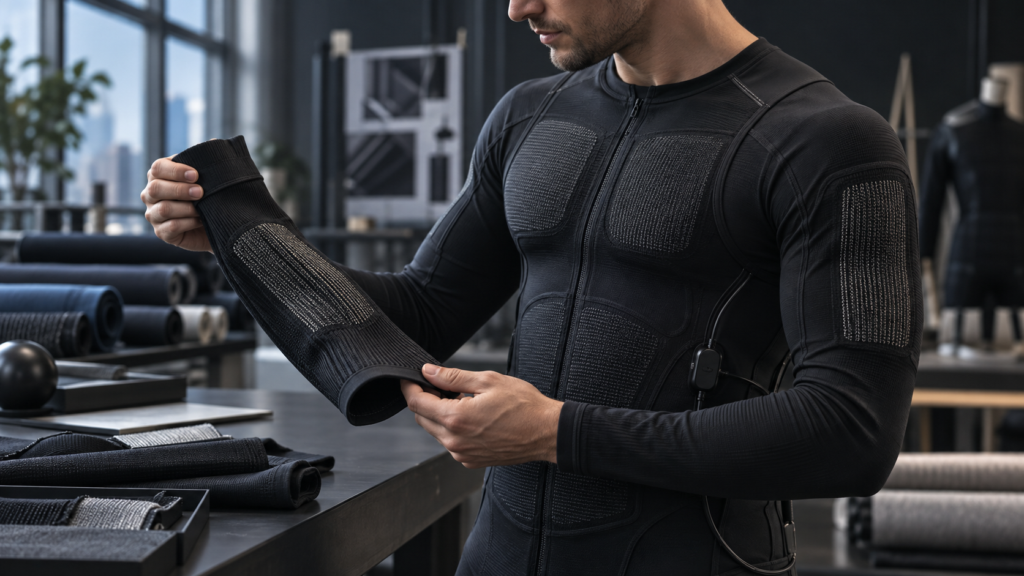
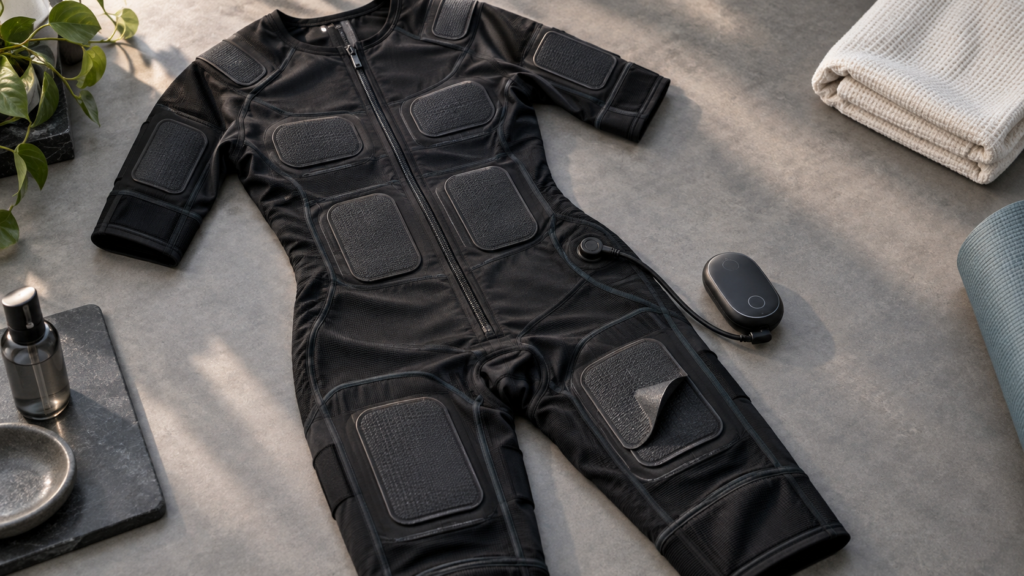
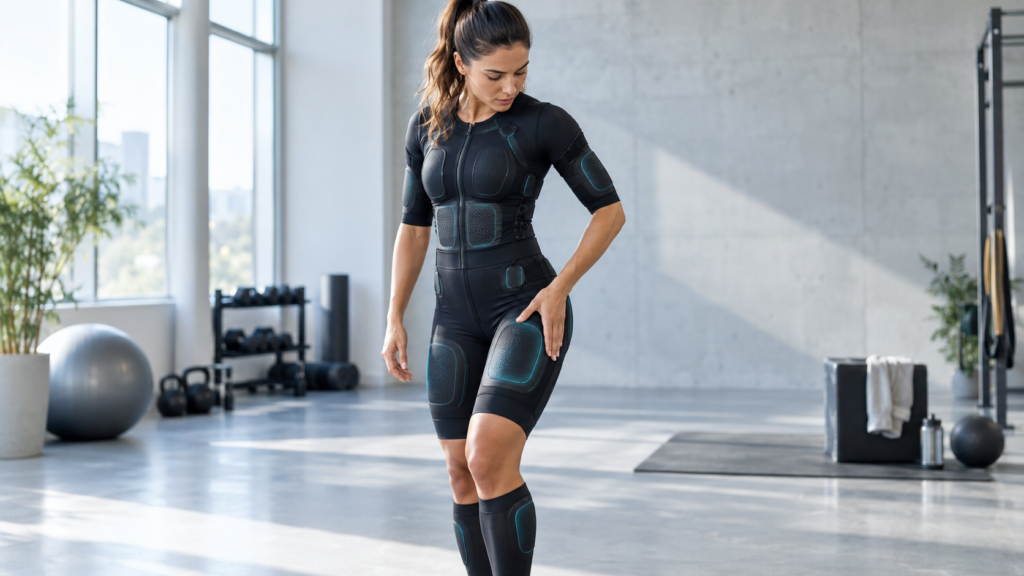
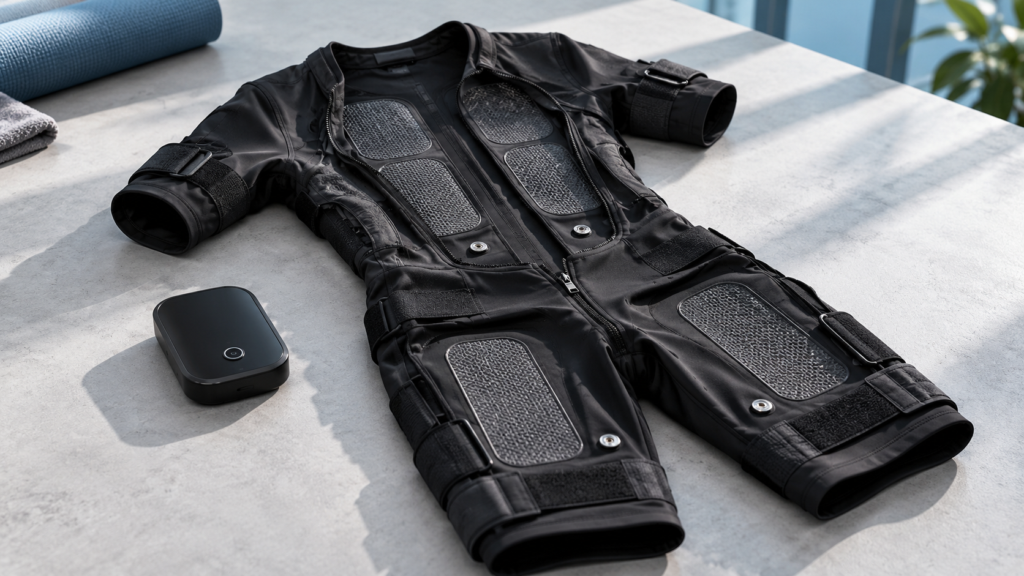
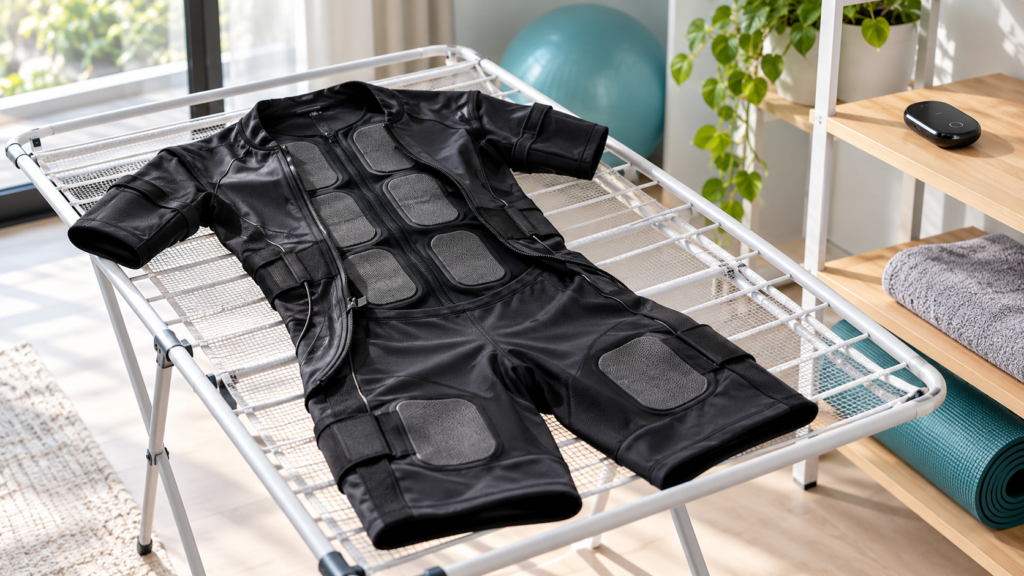
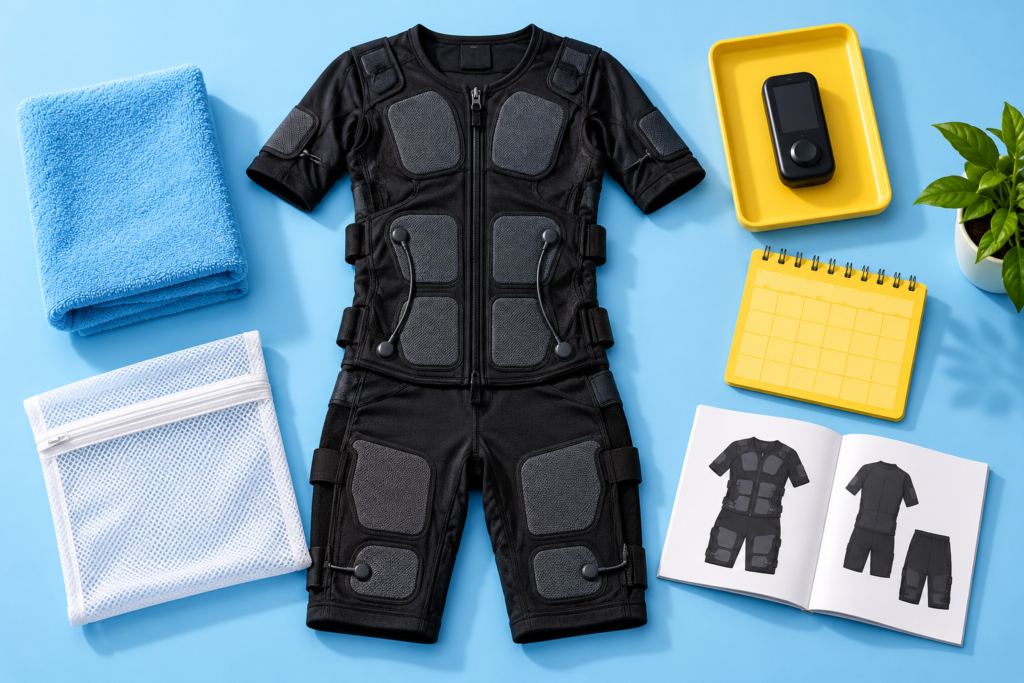
In the world of wearable tech EMS fitness, modern professional and consumer-grade EMS suits have increasingly incorporated wireless connectivity, companion app ecosystems, and data tracking capabilities that bring them closer to the connected fitness model established by wearable technology leaders. Key developments include Bluetooth-enabled wireless control of stimulation parameters via smartphone or tablet apps, session data logging and progress tracking within companion applications, and the ability to adjust training programs based on tracked performance metrics. Studios investing in wearable technology and ems where two industries are co report strong client retention and satisfaction.
Some EMS systems have developed smart fitness wearables EMS integration capabilities with popular health and fitness platforms — allowing session data to be recorded alongside data from fitness trackers and other wearables in a unified health dashboard. For the data-conscious fitness consumer, this integration enables a more holistic view of their training — seeing how an EMS session fits into their weekly activity picture, how their recovery looks after a session, and how their body composition metrics track against their training consistency. Anyone serious about wearable technology and ems where two industries are co should prioritize certified equipment and trained staff.
Heart rate monitoring integration is a particularly meaningful development. When an EMS suit’s companion app can receive real-time heart rate data from a wearable, trainers and users gain immediate insight into how hard the session is working the cardiovascular system — enabling more precise intensity management and more informed decisions about session progression. The business case for wearable technology and ems where two industries are co is supported by both research and real-world results.
Smart Electrodes and Biometric Feedback
In advanced wearable tech EMS fitness systems, biometric sensing capabilities are being built directly into the suit. This includes EMG (electromyography) sensors that can measure the electrical activity of the muscles during stimulation — providing real-time feedback on how strongly and evenly muscles are being activated across different electrode channels. Getting the most from wearable technology and ems where two industries are co requires consistent protocol and progress tracking.
This kind of built-in biometric feedback has significant implications for session quality and personalization. A trainer or system that can see in real time which muscle groups are responding strongly and which are less activated can make immediate adjustments to electrode placement, stimulation parameters, or exercise selection — producing a more individualized and effective session than is possible with stimulation-only systems without biometric feedback. Safety remains a top priority in any wearable technology and ems where two industries are co program.
The integration of biometric sensing into EMS suits represents a meaningful step toward the personalized, adaptive wearable tech EMS fitness model — where training parameters adjust automatically based on the body’s real-time response rather than following pre-set programs. Research on electrical stimulation for neuromuscular testing and training has established the physiological basis for this kind of intelligent, responsive stimulation. Professionals offering wearable technology and ems where two industries are co benefit from ongoing education and certification.
Challenges in EMS-Wearable Integration
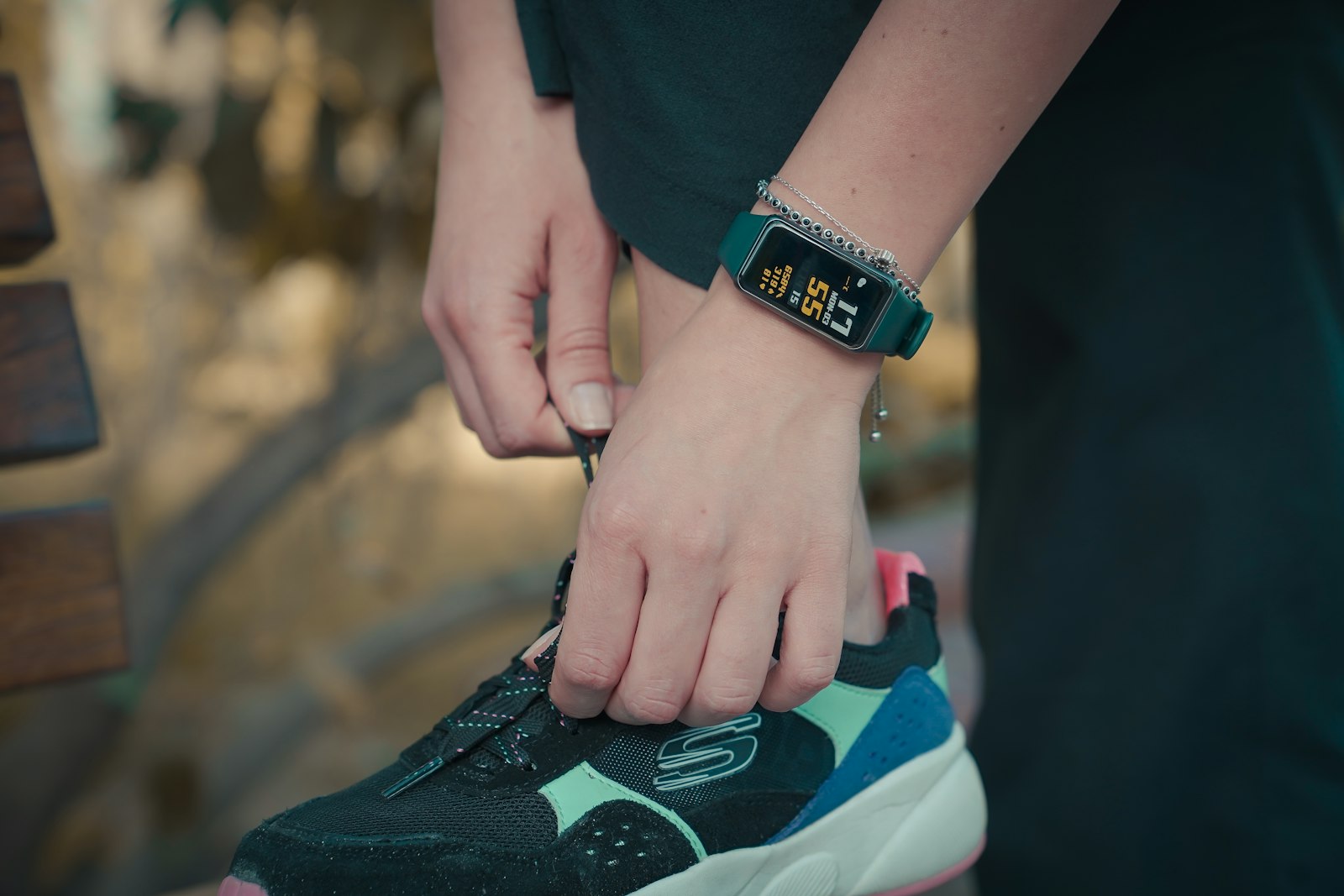
The convergence of wearable tech EMS fitness technology is not without technical and commercial challenges. EMS suits generate electrical fields that can interfere with the sensors of some wearable devices, creating compatibility issues that require careful engineering to resolve. Heart rate monitors that use optical sensors — including most consumer smartwatches — may produce inaccurate readings when worn near active EMS electrodes, a limitation that affects the utility of real-time heart rate feedback during sessions.
Data standardization is another challenge for EMS technology wearable integration. The wearable technology industry has developed various data standards and health platform APIs, but EMS data — including stimulation intensity, frequency, session duration, and electrode placement — does not always map cleanly onto these frameworks. Achieving truly seamless wearable tech EMS fitness data integration requires both hardware engineering and software development investment that varies considerably across manufacturers.
Privacy considerations also arise as EMS devices become more data-generating. Biometric data produced during EMS sessions is sensitive personal health information, and the standards applied to its collection, storage, and sharing require careful attention from both manufacturers and users.
What This Convergence Means for EMS Training Consumers
For consumers of wearable tech EMS fitness products, the convergence of wearable technology and EMS means more insight, more personalization, and more meaningful tracking of their training progress over time. The experience of a connected EMS session — where the trainer or app has access to real-time biometric data, where session results are logged and trended, and where training parameters adapt to individual response — is a qualitatively different and more sophisticated experience than early generations of EMS training provided.
It also means that the value of data from EMS sessions increases when viewed alongside data from a user’s broader health wearable ecosystem. Seeing how post-EMS recovery looks in sleep data, how EMS training days affect HRV (heart rate variability) trends, or how muscle soreness correlates with specific session parameters creates a richer picture of how EMS training is affecting the individual — one that supports more intelligent training decisions over time.
Conclusion
The convergence of wearable technology and wearable tech EMS fitness is producing a more connected, data-informed, and personalized version of EMS fitness that is well aligned with the expectations of the modern fitness technology consumer. International guidelines for safe and effective whole-body EMS training provide the framework that responsible manufacturers are building connected systems upon. As both industries continue to evolve and their technical integration deepens, the EMS training experience is likely to become progressively more sophisticated.
For consumers invested in both wearable tech EMS fitness training and the broader wearable ecosystem, this convergence represents a meaningful opportunity to get more insight from their training investment. For the EMS industry, embracing connected fitness standards is increasingly a competitive requirement rather than an optional enhancement.
Ready to explore the latest connected EMS training options? Check out our brand reviews and product reviews to find the right EMS system for your needs. Use our product comparison tool to compare connected EMS suit options side by side.
Frequently Asked Questions
Can I wear my fitness tracker during an EMS session?
You can wear most fitness trackers during an EMS session, but the electrical field from the suit may affect the accuracy of optical heart rate sensors on wrist-worn devices. Chest strap heart rate monitors are generally less affected. Check with your EMS trainer or studio about compatibility with your specific device.
Will EMS session data sync with Apple Health or Google Fit?
This depends on the specific EMS system and its companion app. Some newer EMS platforms offer integration with major health platforms. Check the specifications of the EMS device or app you are using for current integration capabilities, as these evolve with software updates.
Are there EMS suits with built-in biometric sensors?
Some professional and advanced consumer EMS systems include EMG or other biometric sensing capabilities within the suit. This is an evolving area of EMS technology development, and built-in biometric feedback is becoming more common in higher-end systems.
How does real-time biometric data improve an EMS session?
Real-time heart rate and muscle activation data allows trainers and users to make informed adjustments to session intensity, identify muscle groups that are not activating adequately, and monitor the cardiovascular demand of the session — all of which can improve session safety, effectiveness, and personalization.
Does wearable tech integration make EMS training more expensive?
Connected features in EMS devices do contribute to higher equipment costs at the professional level. However, for consumers, the cost impact is typically indirect — reflected in studio session pricing or in the cost of premium consumer EMS devices with connectivity features rather than as a separate charge.