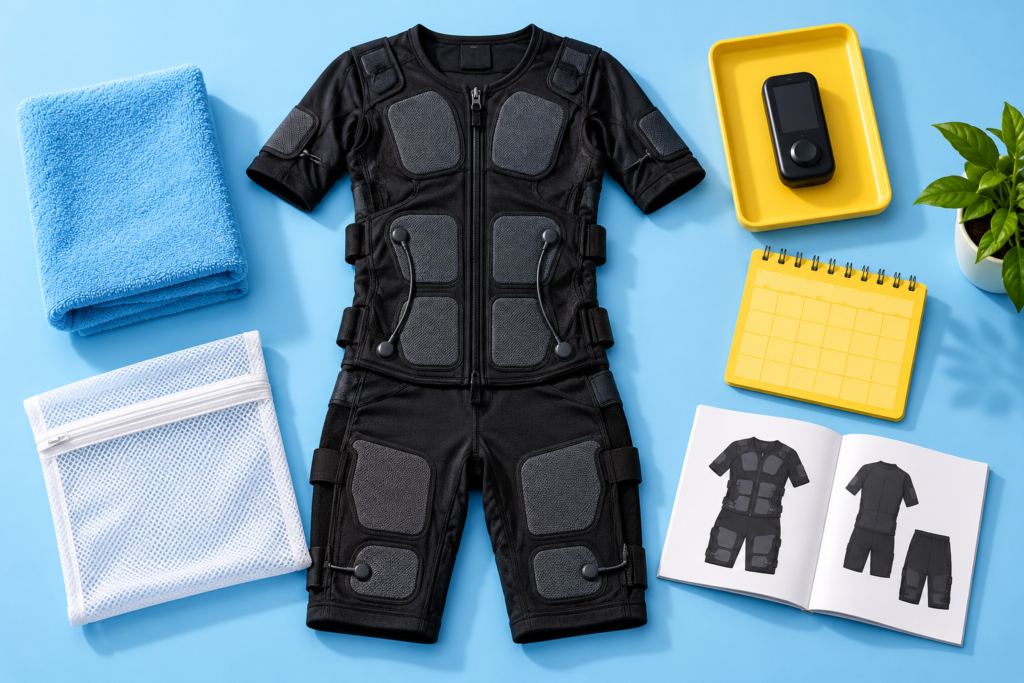

Wireless EMS technology is on an active development trajectory — advancing simultaneously in electronics miniaturization, biometric monitoring integration, artificial intelligence-assisted personalization, and the material science of garment design. The future of wireless EMS technology will differ from current systems in ways that substantially expand what EMS training can do and how precisely it can be delivered. Understanding these wireless EMS future trends is essential for practitioners and equipment buyers. Research into the future of wireless ems technology whats coming next continues to evolve as more studios adopt evidence-based approaches.
Understanding the directions in which wireless EMS innovation is developing — and distinguishing the near-term innovations most likely to arrive in professional systems within the next few years from longer-horizon possibilities — helps practitioners and studio operators anticipate capability changes that will affect their practice, evaluate manufacturer roadmaps, and make equipment investment decisions with realistic understanding of where the technology is heading. Understanding the future of wireless ems technology whats coming next is key for any trainer looking to modernize their program.
This article examines the key future of wireless EMS technology development directions — specifically EMS technology future development directions — biometric integration, AI personalization, form factor evolution, and the broader convergence with the wearable health technology ecosystem — to provide practitioners with a realistic picture of where wireless EMS technology is heading and on what timeline. The next generation EMS suits will incorporate these advances in meaningful ways. The evidence supporting the future of wireless ems technology whats coming next is growing steadily in the professional fitness space.

Biometric Monitoring Integration
Biometric monitoring integration is the most immediately impactful near-term development direction for future of wireless EMS technology. Current professional wireless EMS systems already incorporate basic biometric monitoring in some implementations, but the technology trajectory is toward much more comprehensive, real-time physiological monitoring that can inform and adapt the EMS protocol during the session itself. Research on EMS physiological mechanisms — including studies on motor unit recruitment during electrical stimulation — provides the scientific foundation for these biometric advances. For coaches exploring the future of wireless ems technology whats coming next, proper protocol design is essential.
Heart rate monitoring integration is the most mature and near-term biometric addition — already present in some current systems and likely to become standard across professional wireless platforms within the next few years. Heart rate data enables cardiovascular intensity monitoring during EMS sessions, providing trainers with objective data about cardiovascular load in addition to the muscular stimulus. The international position statement on WB-EMS training safety highlights the importance of monitoring individual response as part of evidence-based practice in this EMS technology future. Clients asking about the future of wireless ems technology whats coming next deserve clear, evidence-informed guidance.
Muscle activation monitoring — measuring actual electrical activity in the muscles receiving stimulation rather than inferring activation from delivered current — represents a more sophisticated biometric integration that would enable much more precise targeting and individual response assessment. Physical therapy research on EMS applications demonstrates why precise monitoring matters for effective and safe training with these next generation EMS suits. The practical application of the future of wireless ems technology whats coming next varies depending on goals and client profile.
AI-Assisted Personalization: The future of wireless ems technology whats coming next
Artificial intelligence integration is the most transformative longer-horizon development direction for the future of wireless EMS technology. AI systems applied to EMS training would learn individual response patterns, optimize stimulation parameters in real time based on biometric feedback, predict recovery needs, and personalize training periodization at a level no human trainer can match manually. This wireless EMS innovation would represent a fundamental shift in how EMS training is designed and delivered. Studios investing in the future of wireless ems technology whats coming next report strong client retention and satisfaction.
The practical implementation of AI personalization requires substantial biometric data infrastructure — which is why biometric monitoring integration is the prerequisite development. With comprehensive real-time biometric data, AI systems can learn what stimulation parameters produce the desired physiological response for specific individuals, adapt protocols across sessions as fitness adaptations occur, and flag anomalous responses that may indicate recovery needs or safety concerns. Research on EMS training adaptations provides the physiological basis for these AI-driven personalization approaches in the evolving EMS technology future. Anyone serious about the future of wireless ems technology whats coming next should prioritize certified equipment and trained staff.
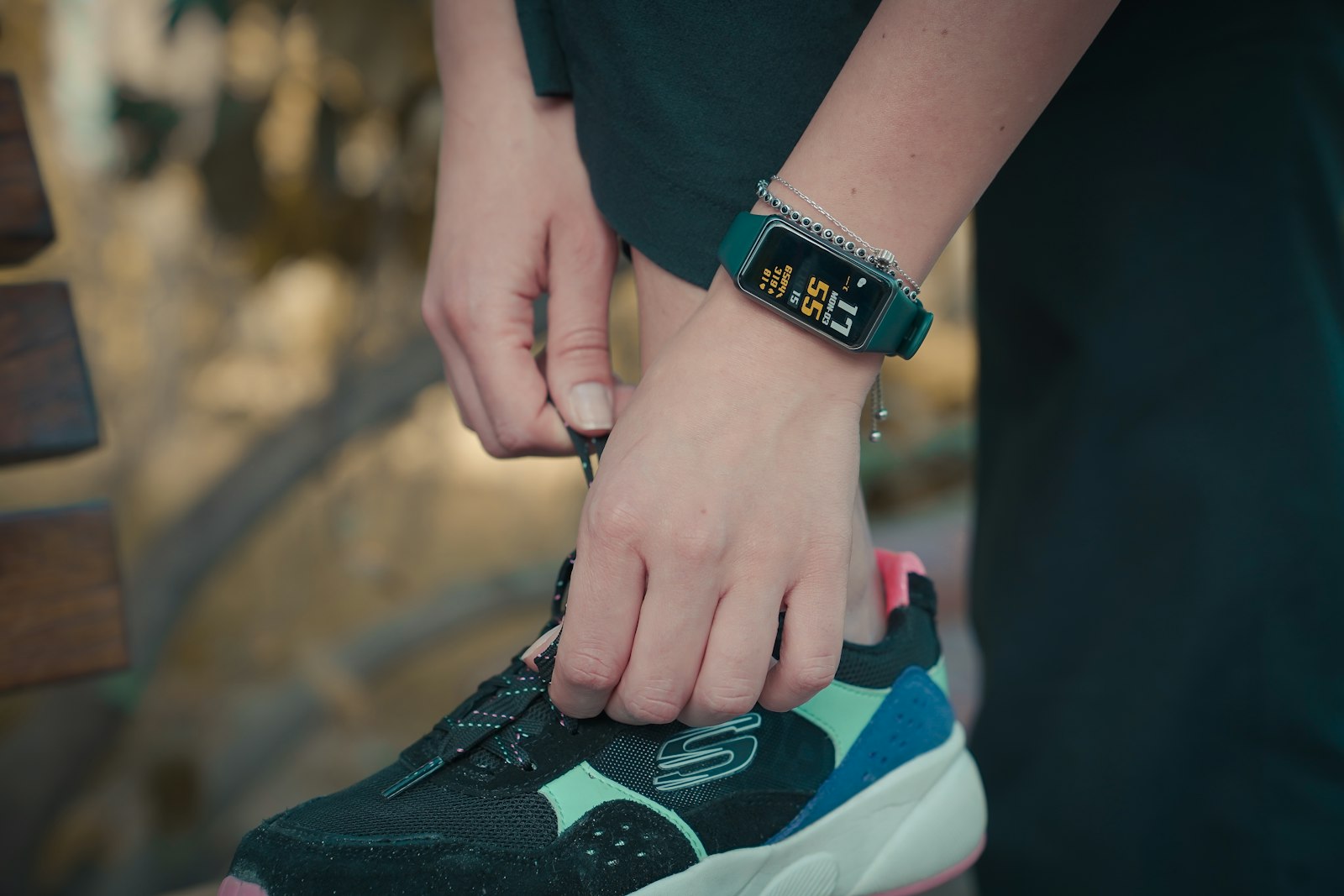
Form Factor and Material Science Evolution
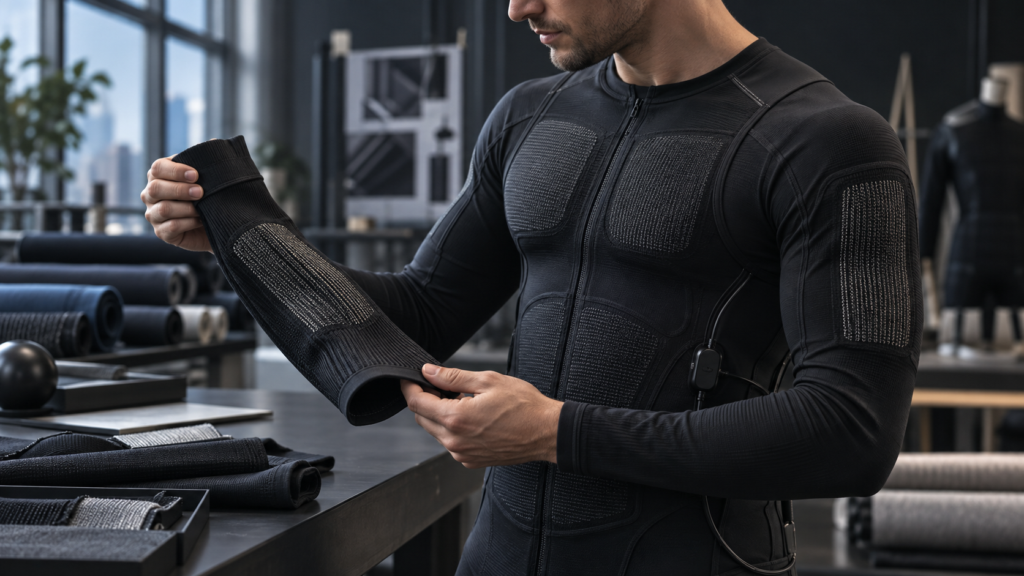
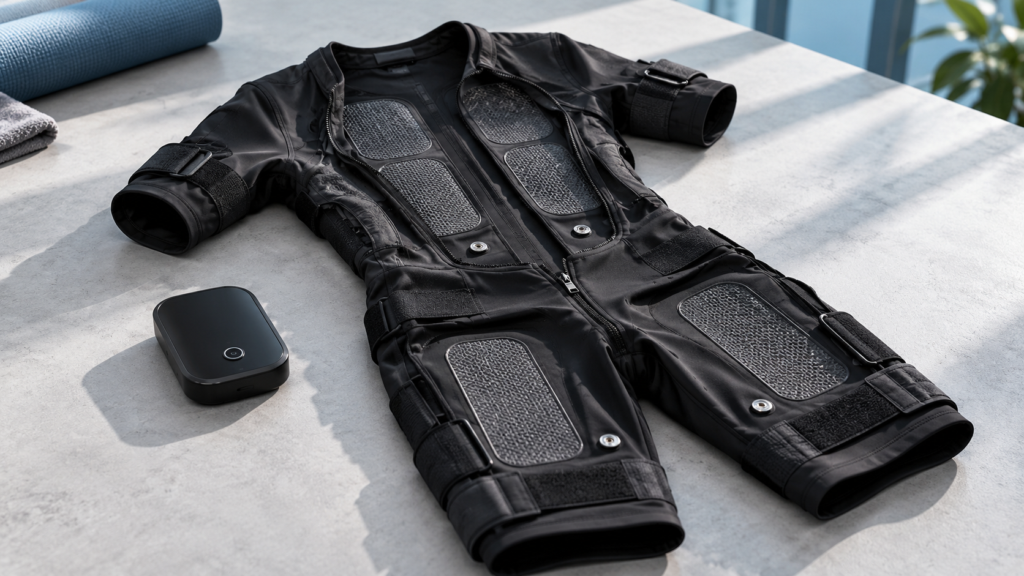
The physical design trajectory for next generation EMS suits is toward greater comfort, reduced bulk, and more sophisticated garment construction. Conductive textile advances are gradually enabling electrode integration into garment fabric rather than discrete electrode pads — potentially allowing suits that look and feel more like high-performance sportswear than current EMS equipment while delivering equivalent stimulation quality. This evolution is central to wireless EMS future trends in product design and reflects the broader future of wireless EMS technology vision. The business case for the future of wireless ems technology whats coming next is supported by both research and real-world results.
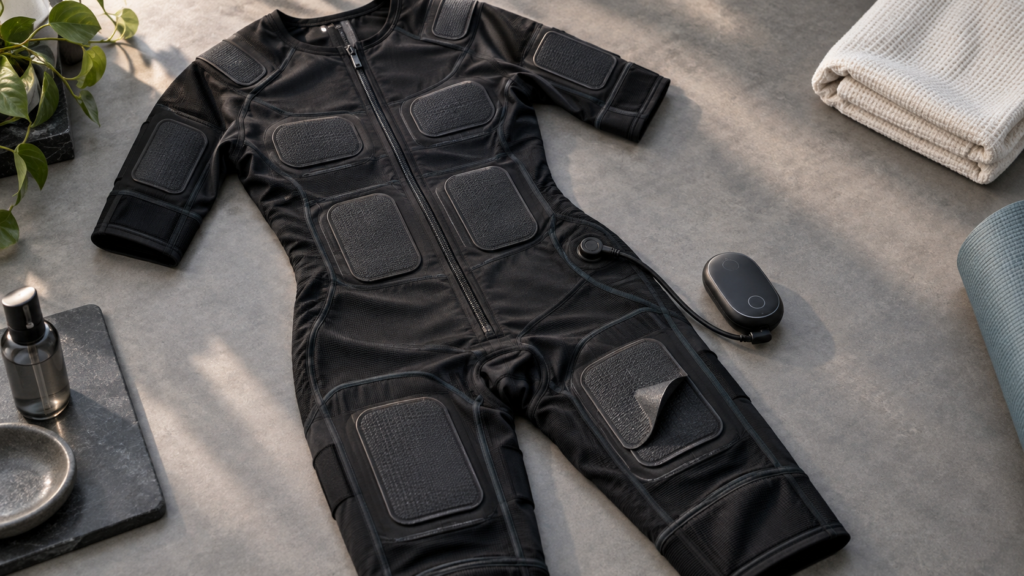
Electronics miniaturization is enabling smaller, lighter stimulation units that sit closer to the body, reducing the bulk and weight differential between current EMS equipment and everyday activewear. While professional EMS equipment will always require electronics beyond what standard sportswear contains, the gap between EMS suit form factor and comfortable athletic wear will continue to close as the technology matures. This miniaturization directly supports the broader future of wireless EMS technology adoption goals. Research on WB-EMS training outcomes demonstrates that this technology evolution will support expanded applications. Getting the most from the future of wireless ems technology whats coming next requires consistent protocol and progress tracking.
As future of wireless EMS technology advances, sustainability dimensions of EMS suit materials and electronics are an emerging wireless EMS innovation direction as environmental consciousness in fitness products grows. More durable materials, recyclable components, and reduced battery environmental impact are development directions that align both with environmental values and with commercial interests in reducing total cost of ownership. Safety remains a top priority in any the future of wireless ems technology whats coming next program.
Conclusion
The future of wireless EMS technology is genuinely exciting — biometric monitoring integration, AI-assisted personalization, and form factor evolution will collectively make wireless EMS systems substantially more capable, more personalized, and more comfortable than current professional equipment. These EMS technology future advances will expand EMS’s capability range and strengthen its evidence base. Professionals offering the future of wireless ems technology whats coming next benefit from ongoing education and certification.
For practitioners and studio operators, understanding the future of wireless EMS technology implications is critical. The key implication of this wireless EMS future trends landscape is to evaluate current equipment investments with realistic awareness of the development timeline — investing in current professional-grade equipment for established current-generation capabilities while planning for the technology upgrades that will arrive over the next five to ten years. Understanding wireless EMS innovation cycles helps make smart purchasing decisions today.
Frequently Asked Questions
What is the future of wireless EMS technology?
The future of wireless EMS technology will feature biometric monitoring integration (heart rate, muscle activation, recovery tracking), AI-assisted protocol personalization that adapts to individual response patterns in real time, form factor evolution toward lighter and more comfortable suits, and deeper integration with the broader wearable health technology ecosystem.
Will EMS suits become smarter?
Yes — the trajectory for next generation EMS suits is clearly toward greater intelligence, driven by biometric monitoring integration and AI personalization capabilities. Smart EMS suits that monitor individual physiological response in real time and adapt stimulation parameters accordingly represent a significant near-to-medium-term development direction. This is a key part of wireless EMS innovation in the coming years.
How will AI change EMS training?
AI will change EMS training by enabling real-time protocol optimization based on individual biometric response, learning personal adaptation patterns to periodize training more effectively, predicting recovery needs before they become performance limiters, and flagging anomalous responses that may indicate safety concerns. This EMS technology future development will enable a level of personalization currently impossible with human trainer management alone.
Will EMS suits look different in the future?
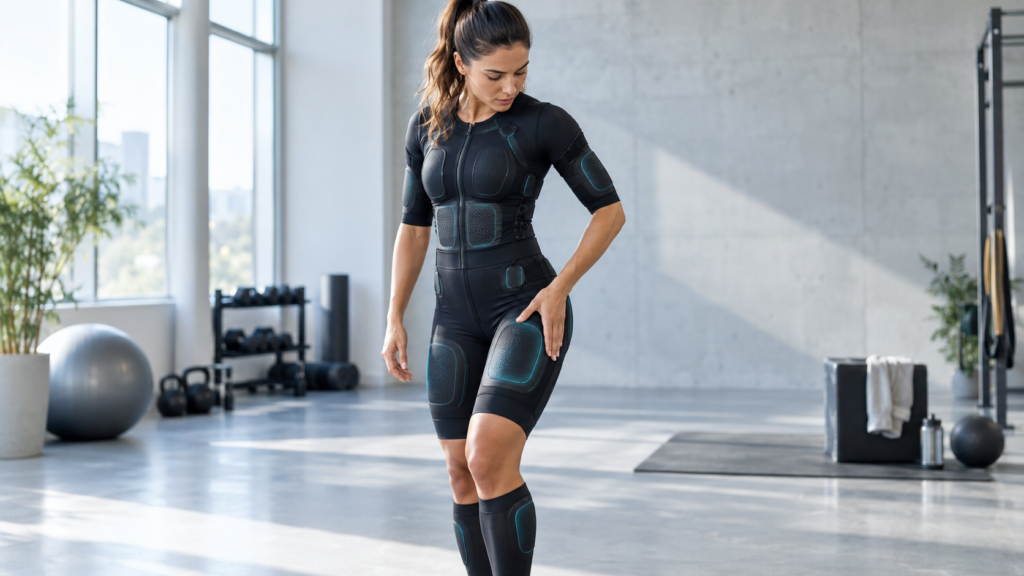
Yes — the form factor trajectory for wireless EMS future trends is toward lighter, less bulky suits that feel closer to standard athletic wear. Conductive textile advances may eventually enable electrode integration into the suit fabric itself, and electronics miniaturization will reduce the size and weight of the stimulation unit. The gap between EMS suit appearance and standard sportswear will narrow as the future of wireless EMS technology develops.
Should I wait for next-generation wireless EMS before buying?
Probably not, unless your budget timeline aligns with near-term development releases. Current professional wireless EMS systems deliver high-quality training outcomes that fully justify the investment for most studio applications. The next generation EMS suits with enhanced biometric monitoring and AI capabilities represent improvements to an already capable technology — not a need to delay current investment. Evaluate current-generation equipment against your current business needs.