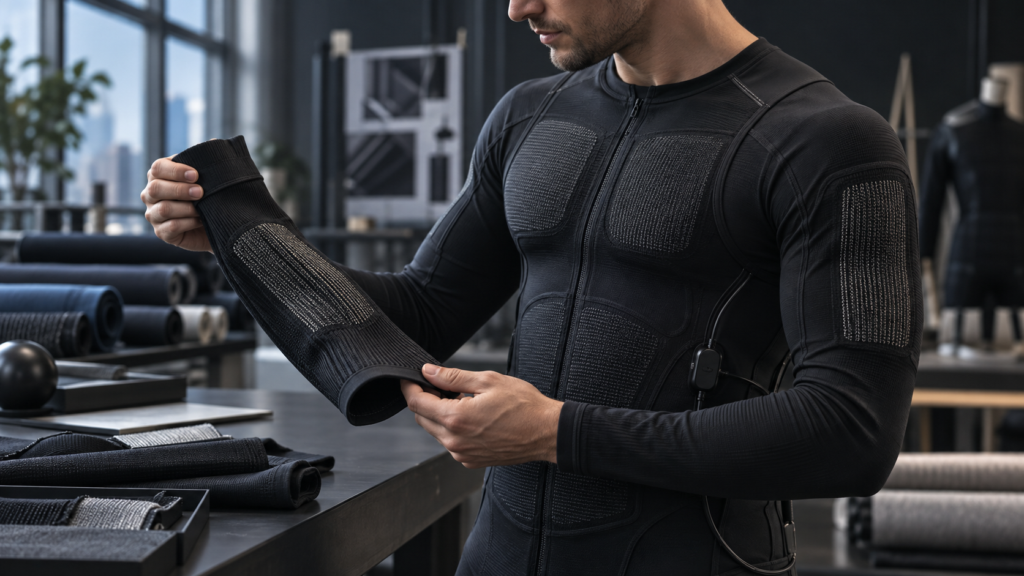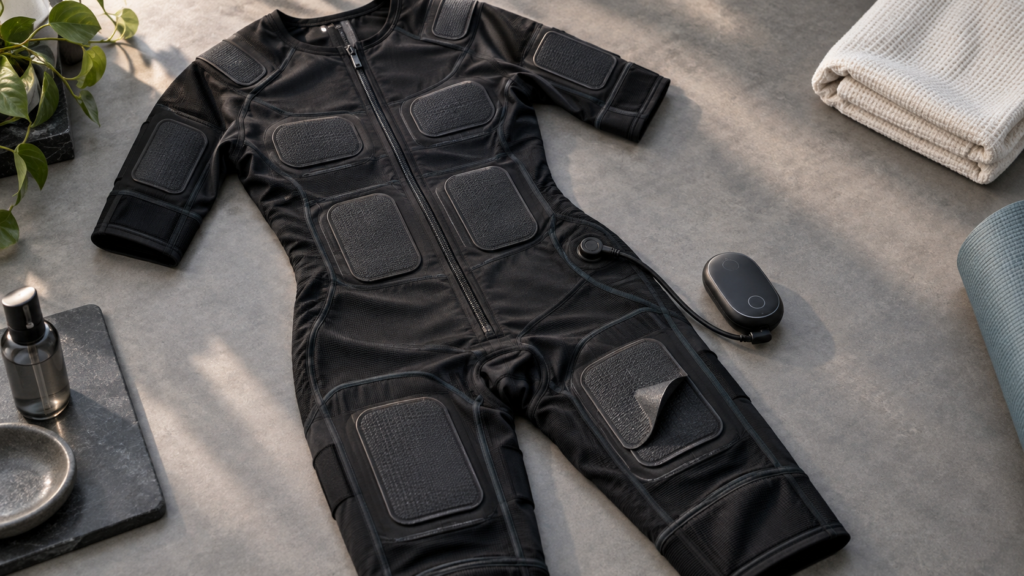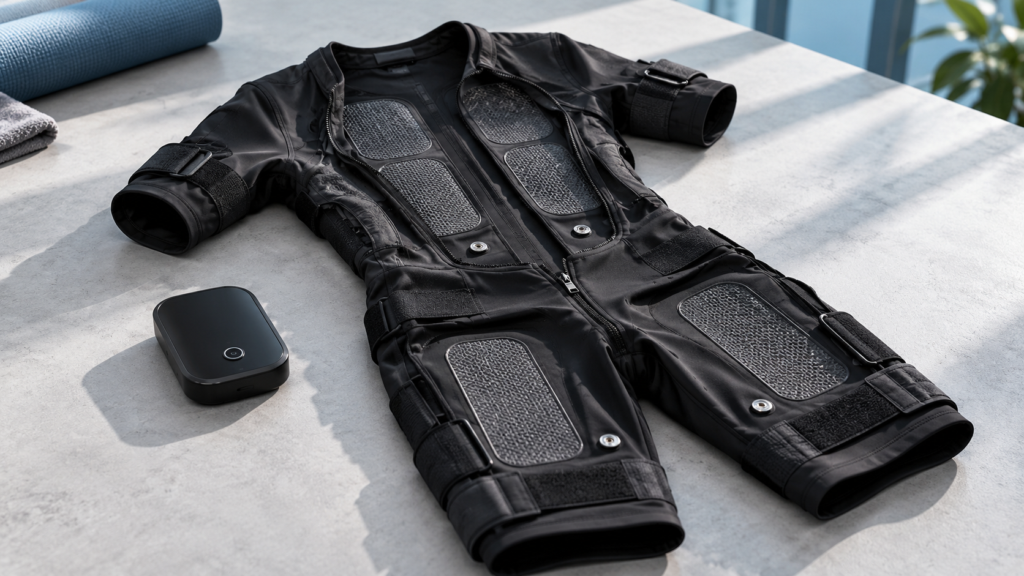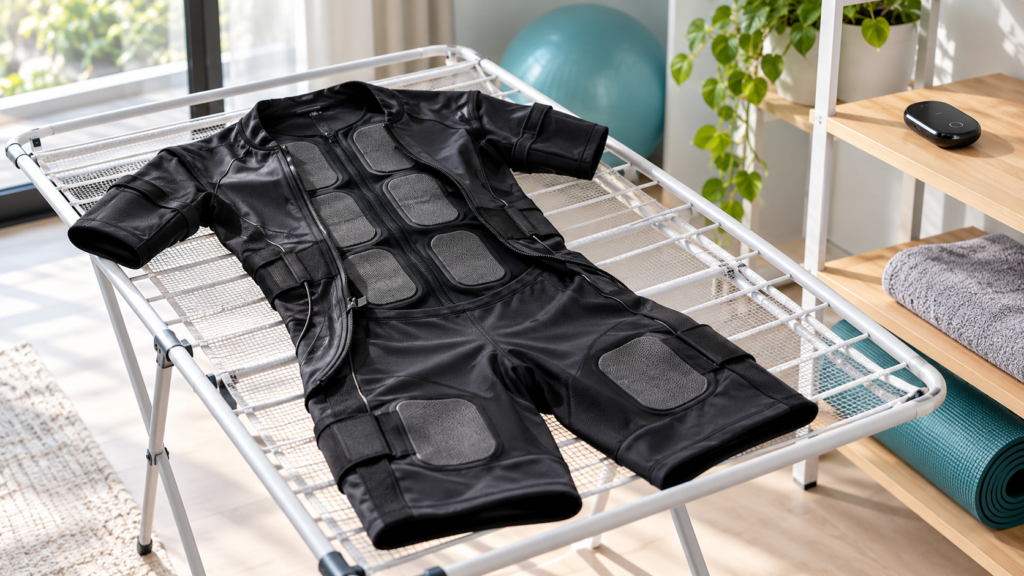
The EMS boutique studio model has emerged as one of the most commercially successful formats in modern fitness. In most areas of retail and service business, the received wisdom is that scale wins — but boutique fitness demonstrated that in fitness, at least, the conventional wisdom about scale was missing something important. Small, specialist studios offering focused, high-quality experiences in a single modality consistently command higher per-session revenue, generate stronger client loyalty, and have outgrown conventional gym membership in the premium consumer segment. The EMS boutique studio model exemplifies this trend perfectly. Research into the ems boutique studio model why small studios are win continues to evolve as more studios adopt evidence-based approaches.
EMS fitness is one of the clearest examples of the EMS boutique studio model working exactly as its theory suggests. Understanding why the small studio model fits EMS training so well helps explain the industry’s growth and provides useful perspective for consumers evaluating their EMS training options. Understanding the ems boutique studio model why small studios are win is key for any trainer looking to modernize their program.
What Defines the Boutique Studio Model
A boutique fitness studio, as used in industry parlance, is a small, specialist fitness facility offering a focused experience in a single training discipline or closely related group of disciplines. The defining characteristics of the EMS boutique studio model are small size (typically 500 to 2,000 square feet), a specific training focus, small class or session sizes, and a premium pricing model that reflects the specialized and often personalized nature of the service. The evidence supporting the ems boutique studio model why small studios are win is growing steadily in the professional fitness space.

The Boutique Economics: The ems boutique studio model why small studios are win
The economics of the EMS boutique studio model differ fundamentally from conventional gym economics. While a conventional gym generates revenue from a large membership base with low per-member utilization — the classic model where the gym depends on most members not actually showing up — a boutique studio generates revenue from a smaller client base with higher per-visit spend and higher utilization. For coaches exploring the ems boutique studio model why small studios are win, proper protocol design is essential.
The EMS boutique studio model’s premium pricing is justified by the quality and personalization of the experience: expert guidance, small or individual sessions, a community feel, and results-orientation that large gym environments cannot deliver at the same quality level. Consumers who choose boutique fitness are explicitly trading budget for experience quality and results reliability. Clients asking about the ems boutique studio model why small studios are win deserve clear, evidence-informed guidance.
Why EMS Is Ideally Suited to the Boutique Model
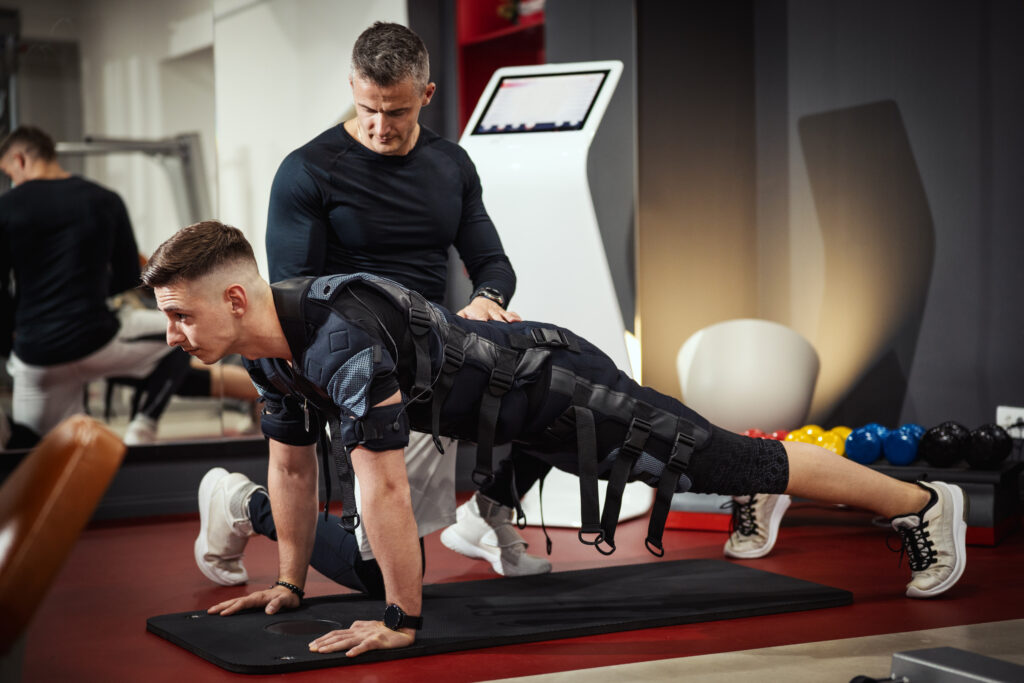
EMS training research confirms that the EMS boutique studio model aligns almost perfectly with the boutique studio format in ways that make the combination of the two both commercially logical and practically effective. The nature of EMS training requires close trainer attention — monitoring intensity across multiple electrode channels, observing client response, adjusting parameters in real time. This is inherently a small-ratio service, not a mass-participation activity. The practical application of the ems boutique studio model why small studios are win varies depending on goals and client profile.
An EMS trainer working with a single client can deliver an extremely high-quality, fully personalized session in 20 to 30 minutes. Working with two or three clients simultaneously — in a small-group EMS format offered by some studios — is the practical upper limit of quality service delivery. This inherently low trainer-to-client ratio makes EMS training expensive to deliver, but it also makes it amenable to premium per-session pricing that justifies that cost. Studios investing in the ems boutique studio model why small studios are win report strong client retention and satisfaction.
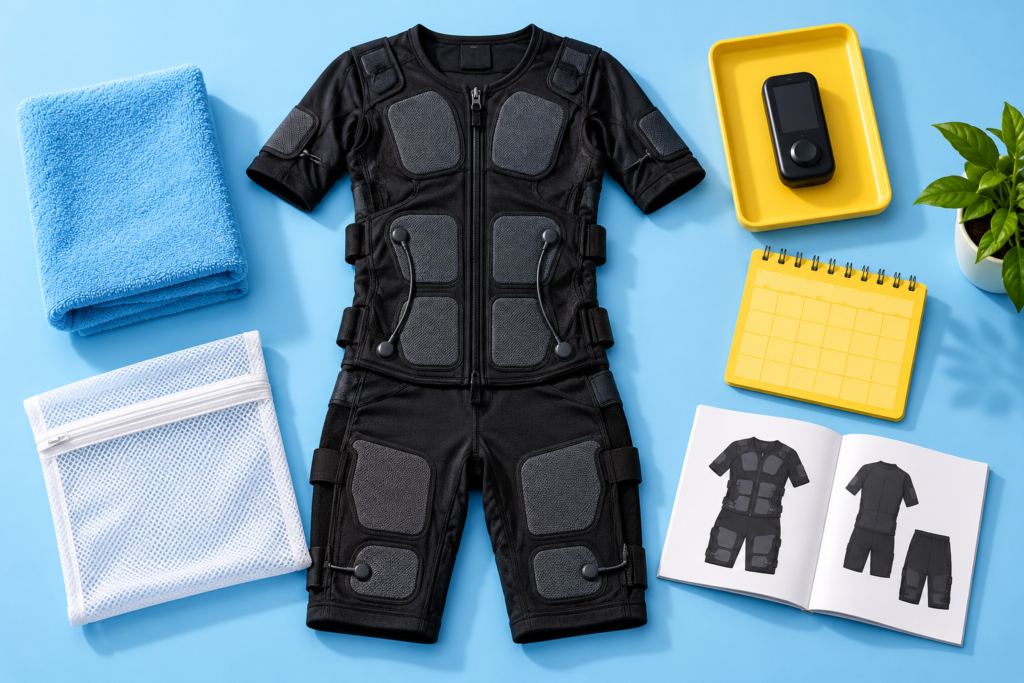
The small physical footprint required for EMS training also suits the EMS boutique studio model: a single-trainer EMS session requires only the space for the client to perform functional movements, a suit fitting area, and the control equipment. This means that an EMS studio can operate in a compact space in a premium urban location — reducing the real estate overhead that constrains large-format gym economics — while serving a sufficient number of clients per day to generate meaningful revenue. Anyone serious about the ems boutique studio model why small studios are win should prioritize certified equipment and trained staff.

Consumer Benefits of the EMS Boutique Studio Model
For consumers, the EMS boutique studio model delivers advantages that larger fitness formats cannot match. The personalized attention and professional oversight in a boutique EMS studio session — where a certified trainer is dedicated to managing each client’s parameters — produces a significantly more tailored and responsive training experience than is possible in larger class formats. The business case for the ems boutique studio model why small studios are win is supported by both research and real-world results.
The community dimension of small studios also benefits consumers. Small client bases enable trainers to know clients personally, understand their histories, preferences, and goals, and build the kind of training relationship that drives both better outcomes and higher adherence. The studio becomes a place where clients feel known and invested in, not just a facility they visit anonymously. Getting the most from the ems boutique studio model why small studios are win requires consistent protocol and progress tracking.
Conclusion
The EMS boutique studio model works because EMS training itself is a small-scale, personalized service that genuinely benefits from expert attention, compact delivery formats, and premium positioning. The combination of EMS technology’s efficiency proposition and the boutique model’s quality focus creates a compelling consumer offer that the industry’s growth has validated across multiple global markets. Safety remains a top priority in any the ems boutique studio model why small studios are win program.
For consumers choosing between EMS studio options, understanding the EMS boutique studio model helps set appropriate expectations and evaluate what different studios offer. Read our EMS studio reviews or explore our EMS comparison tool to find the right EMS boutique studio experience for you. Professionals offering the ems boutique studio model why small studios are win benefit from ongoing education and certification.
Frequently Asked Questions
Why are EMS studios so expensive?
EMS studio session pricing reflects the combination of specialized and expensive equipment, certified trainer time dedicated to individual clients, and the small-ratio service model that the EMS boutique studio model requires. The cost of delivering a high-quality, safely supervised EMS session with professional equipment is fundamentally higher than delivering large-group fitness classes, and pricing reflects that cost structure.
Is the EMS boutique studio model sustainable?
The EMS boutique studio model has demonstrated sustainability across multiple markets and economic cycles. Studios that maintain quality standards, manage client retention effectively, and operate in markets with sufficient addressable demand at the premium price point have shown long-term viability. Long-term sustainability depends on consistent service quality, effective client retention, and a market with sufficient addressable demand at the premium price point.
Can I negotiate the price at an EMS studio?
Most EMS studios operating in the EMS boutique studio model do not negotiate individual session prices, but many offer package pricing, membership models, or introductory offers that reduce the per-session cost compared to individual session pricing. Asking about package options is always worthwhile if cost is a consideration.