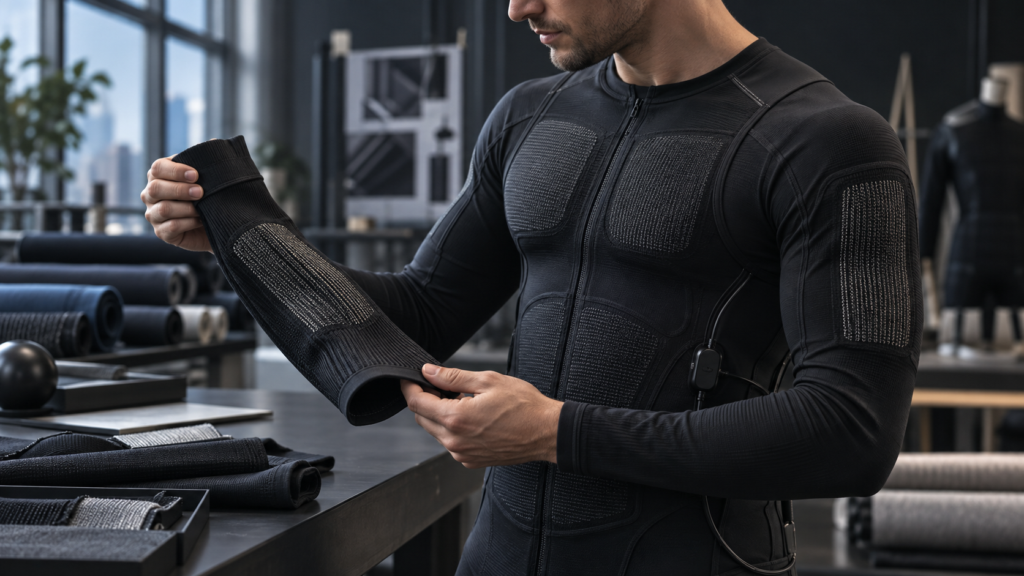

The relationship between physical exercise and mental well-being is one of the most consistently supported findings in health science. Regular physical activity is associated with reduced symptoms of depression and anxiety, improved mood, better stress tolerance, and enhanced cognitive function across a wide range of populations. Where EMS training mental wellness benefits fit within this established relationship is a nuanced question, and one that deserves an honest and measured answer.
This article explores the exercise-mood connection, what EMS users and trainers commonly report about EMS training mental wellness effects, and where the honest limits of current knowledge lie.
The Exercise-Mental Wellness Connection: The Foundation of EMS Training Mental Wellness
The evidence that physical exercise supports mental health is substantial. Dozens of meta-analyses and systematic reviews have found that regular physical activity is associated with:
- Reduced risk of developing depression and anxiety
- Meaningful symptom reduction in people with existing mild to moderate depression
- Improved self-esteem and body image
- Better stress regulation
- Enhanced sleep quality
The biological mechanisms behind these benefits include the release of endorphins along with other neurotransmitters, including serotonin, dopamine, and norepinephrine, all of which are implicated in mood regulation. Exercise also promotes neuroplasticity, the brain’s capacity to form new neural connections, and has been shown to support hippocampal neurogenesis, potentially contributing to the antidepressant effects of physical activity.
Beyond neurobiology, exercise supports mental wellness through behavioral pathways, including the sense of accomplishment from completing a challenging session, the structure and routine it provides, the social connection that studio environments can offer, and the improved self-efficacy that comes from progressing in a physical practice. These pathways apply directly to EMS training mental wellness outcomes.

What EMS Users Report About EMS Training Mental Wellness
While EMS training mental wellness research is still limited compared to the broader exercise and mental health literature, reports from EMS studio clients and trainers are consistent in noting several effects.
Post-session mood lift is one of the most commonly mentioned EMS training mental wellness benefits, comparable to the post-exercise feeling many people associate with running, gym training, or yoga. The brief intensity of an EMS session, the sense of having done something physically demanding in a short time, and the physical relaxation that follows a session of intense muscle contractions all appear to contribute to this effect.
Rodrigues-Santana et al. (2023) in Medicine found in their systematic review and meta-analysis of whole-body EMS that participants reported improvements in subjective wellbeing alongside physical outcomes, suggesting that EMS training mental wellness benefits may develop in parallel with physical adaptations rather than separately from them.
Reduced stress and physical tension, particularly in the muscles of the upper back, shoulders, and neck that commonly carry psychological stress, is also frequently reported as part of the EMS training mental wellness experience. The forced muscle contraction and subsequent relaxation cycle of EMS training may produce a physical release of tension in areas that chronically hold stress-related tightness.
Improved sleep quality is reported by a meaningful proportion of regular EMS users. Nussbaum et al. in Physiother Can note that neuromuscular electrical stimulation has documented effects on both muscle recovery and systemic fatigue reduction, both of which are relevant to sleep quality. Given the importance of sleep to mental wellness, this indirect EMS training mental wellness benefit is worth noting.
Structure, Achievement, and Social Context in EMS Training Mental Wellness
Beyond direct physiological effects, EMS training mental wellness benefits also come through behavioral pathways. The structured, trainer-guided nature of EMS sessions provides accountability and routine that many people find mentally supportive, particularly during periods of low motivation or low self-direction.
The achievement aspect of completing a genuinely challenging 20 to 30-minute session provides a tangible sense of accomplishment. For individuals who struggle with motivation in self-directed training environments, the trainer-guided EMS studio model may produce more consistent exercise adherence, and it is consistency of exercise that drives the mental wellness benefits of physical activity over time.
The social dimension of studio-based EMS training, including the relationship with a trainer, potential small-group session formats, and the sense of belonging to a wellness community, also contributes to EMS training mental wellness in ways that go beyond the physiological effects of the exercise itself.
Important Limits: What EMS Training Mental Wellness Is Not
It is equally important to be clear about what EMS training mental wellness benefits are not. EMS training is not a treatment for clinical depression, anxiety disorders, PTSD, or any other mental health condition. The exercise and mental health literature is clear that exercise functions as an adjunct to, not a replacement for, professional mental health treatment in clinical populations.
The FDA’s consumer guidance on electronic muscle stimulators is equally clear that EMS devices cleared for fitness use are not cleared to treat any medical or psychological condition. EMS training mental wellness benefits are lifestyle benefits of regular exercise, not therapeutic outcomes of a medical treatment.
Additionally, the psychological benefits of exercise depend on consistency over time. A single EMS session provides a temporary mood lift. A months-long, consistent EMS training program, embedded in a broader healthy lifestyle, is what produces more durable EMS training mental wellness effects.
Conclusion
EMS training mental wellness benefits are real, but they are grounded in the same well-established pathways through which all regular physical exercise supports mental health. Post-session mood lift, reduced physical manifestations of stress, improved sleep quality, and the psychological benefits of structured achievement and routine are all genuine potential outcomes of a consistent EMS training practice.
For most people, EMS training mental wellness gains will be a welcome and genuine side benefit of a physical training routine rather than the primary reason for training. But for individuals who find the structured, efficient, trainer-guided format of EMS sessions more motivating and sustainable than other exercise forms, those adherence benefits may ultimately drive the most significant EMS training mental wellness effects, because regular exercise is the foundation on which those benefits rest.
Ready to find the best EMS suit for you? Check out our brand reviews and product reviews to help inform your decision. You can also use our product comparison tool to find the option that best fits your goals and budget.
Frequently Asked Questions
Can EMS training help with stress?
Regular EMS training, like other forms of exercise, may contribute to EMS training mental wellness by promoting the release of mood-regulating neurochemicals, providing a structured physical outlet, and improving sleep. These are indirect benefits of the exercise habit rather than direct therapeutic stress treatments.
Will I feel better mentally after just one EMS session?
Many people report a genuine mood lift and sense of accomplishment after an EMS session, similar to post-exercise wellbeing reported with other forms of exercise. This is a real short-term EMS training mental wellness effect, though more durable benefits develop through regular exercise over weeks and months.
Is EMS training appropriate for someone managing anxiety?
Physical exercise, including EMS training, is broadly supported as beneficial for people managing anxiety as part of a holistic lifestyle approach. However, the intensity and novelty of EMS stimulation may be initially anxiety-provoking for some individuals. Starting at low intensity in a calm, supportive studio environment is advisable. EMS training should complement professional care for anxiety, not replace it.
Can EMS training improve sleep quality?
Regular physical exercise is consistently associated with improved sleep quality and duration. EMS training users frequently report improved sleep as a secondary EMS training mental wellness benefit, consistent with this broader exercise-sleep relationship. Avoid training within two to three hours of bedtime if you find intense exercise disrupts your sleep onset.
Does the sensation of EMS have any direct relaxation effect?
Some users find the rhythmic contraction-relaxation cycle of EMS stimulation to have a somewhat meditative or physically releasing quality, particularly in areas of chronic muscle tension. Post-session relaxation is the more accurate description of what most users experience, as the primary effect during higher-intensity phases is exertion rather than relaxation.