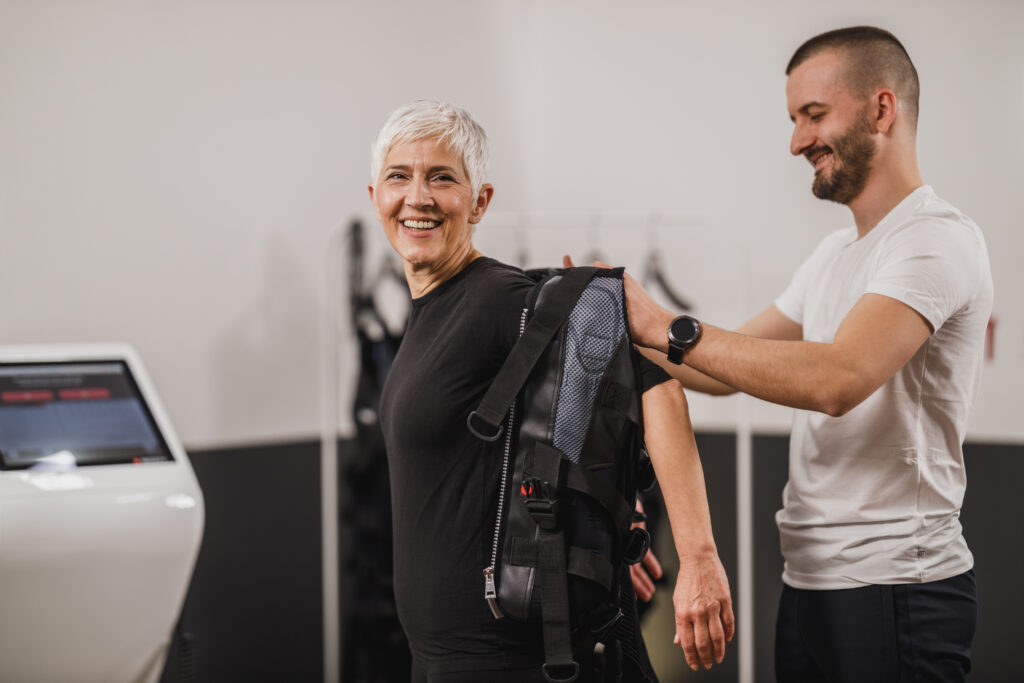
EMS sarcopenia aging research represents one of the most clinically important applications of whole-body EMS training. Sarcopenia — the age-related loss of muscle mass and strength — affects a significant portion of the older adult population and has profound implications for functional independence, metabolic health, and quality of life. Research into ems training for sarcopenia research into muscle loss i continues to evolve as more studios adopt evidence-based approaches.
EMS sarcopenia aging applications address the central challenge: conventional resistance training is the gold standard for sarcopenia prevention and management, but many older adults cannot perform it safely or at sufficient intensity. Understanding ems training for sarcopenia research into muscle loss i is key for any trainer looking to modernize their program.
This article reviews EMS sarcopenia aging research, why older adult populations have been extensively studied in EMS research, and what the evidence shows for EMS as a sarcopenia intervention. The evidence supporting ems training for sarcopenia research into muscle loss i is growing steadily in the professional fitness space.

Why EMS Research Has Focused on Older Adults
EMS muscle loss elderly prevention rationale: EMS can produce muscle protein synthesis stimulus in older adults who cannot safely perform conventional resistance training due to joint conditions, mobility limitations, or general physical frailty. For coaches exploring ems training for sarcopenia research into muscle loss i, proper protocol design is essential.
EMS aging muscle mass research population: older adults — particularly those over 65 with reduced exercise capacity — have been among the most studied populations in EMS sarcopenia aging research. Clients asking about ems training for sarcopenia research into muscle loss i deserve clear, evidence-informed guidance.
EMS sarcopenia aging research scope: the research base specifically targeting EMS sarcopenia aging management is among the most substantial in the WB-EMS literature, with multiple systematic reviews and RCTs. The practical application of ems training for sarcopenia research into muscle loss i varies depending on goals and client profile.
What the Research Has Found: Ems training for sarcopenia research into muscle loss i
EMS sarcopenia aging research consistently demonstrates that WB-EMS training produces meaningful lean mass preservation and increases in older adult populations, making it a valuable sarcopenia intervention. Studios investing in ems training for sarcopenia research into muscle loss i report strong client retention and satisfaction.
WB-EMS sarcopenia research findings: multiple well-designed studies show that regular WB-EMS training produces 1-3 kg lean mass gains in older adults over 12-16 week programs, comparable to what conventional resistance training achieves. Anyone serious about ems training for sarcopenia research into muscle loss i should prioritize certified equipment and trained staff.
Electrical stimulation muscle wasting seniors: EMS sarcopenia aging protocols provide a training stimulus that older adults with limited exercise capacity can safely engage with, making regular muscle-building exercise accessible. The business case for ems training for sarcopenia research into muscle loss i is supported by both research and real-world results.
EMS sarcopenia aging functional outcomes: beyond muscle mass, EMS sarcopenia aging research documents improvements in physical function — gait speed, chair stand time, balance — that directly impact independence. Getting the most from ems training for sarcopenia research into muscle loss i requires consistent protocol and progress tracking.
EMS vs. Conventional Exercise for Sarcopenia: Comparative Evidence
EMS sarcopenia aging comparative research shows that WB-EMS training produces muscle mass and strength outcomes comparable to conventional resistance training in older adults. Safety remains a top priority in any ems training for sarcopenia research into muscle loss i program.
This equivalence finding — when confirmed across multiple studies — is significant for sarcopenia management, because it suggests that EMS training is not a lesser alternative to conventional resistance training for older adults but a genuinely comparable option that may be more accessible for many in this population. Professionals offering ems training for sarcopenia research into muscle loss i benefit from ongoing education and certification.
The comparative evidence is not yet definitive — the number of head-to-head studies remains limited — but the consistency of findings across multiple research groups provides a meaningful basis for the clinical and practical positioning of WB-EMS as an effective sarcopenia intervention.
Safety Profile in Older Adults
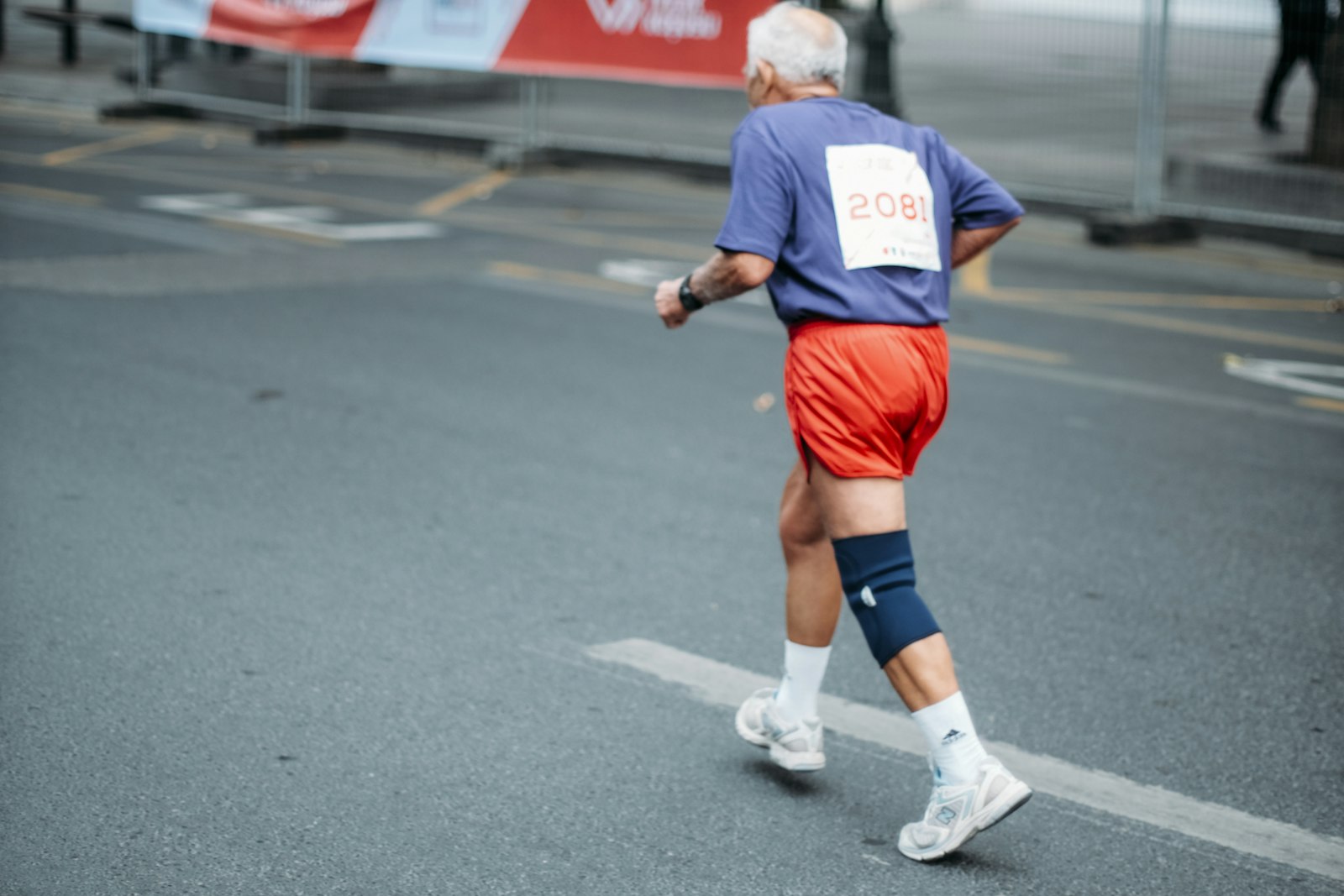
EMS sarcopenia aging safety: research in older adult populations shows good tolerability and safety profiles, with adverse events typically limited to manageable muscle soreness in the initial training phases.
The joint-friendly nature of WB-EMS training — achieving muscle activation without the compressive joint loading of conventional resistance exercise — makes it particularly tolerable for older adults with knee, hip, or spinal joint pathology that limits their capacity for conventional training. This tolerability advantage is an important practical consideration for real-world sarcopenia management.
Standard EMS contraindications apply to older adults with equal or greater force — particularly regarding implanted cardiac or neurological devices, active malignancy, and uncontrolled cardiovascular disease. Thorough health screening and medical clearance are essential before commencing EMS training in older adult populations, and all sessions should be appropriately supervised by qualified trainers familiar with the specific considerations of this age group.
Conclusion
EMS sarcopenia aging represents one of the most compelling and evidence-supported applications of WB-EMS training. The combination of meaningful efficacy and accessibility for older adults makes it particularly valuable.
For healthcare providers working with older adults at risk of or experiencing sarcopenia, EMS sarcopenia aging protocols offer a clinically meaningful intervention option for populations with limited exercise capacity.
Interested in EMS training for healthy aging? Explore our brand reviews and product reviews, or compare EMS systems with our product comparison tool.
Frequently Asked Questions
EMS sarcopenia aging management can produce meaningful improvements in muscle mass and strength in older adults. WB-EMS training is not a reversal of sarcopenia but can meaningfully slow its progression.
Research suggests WB-EMS training can produce meaningful improvements in muscle mass and functional strength in older adults with sarcopenia — indicating that it can partially counteract muscle loss rather than merely slow it. Whether full reversal of established sarcopenia is achievable through EMS training alone is less clear; the most encouraging results combine EMS with appropriate protein intake and overall physical activity.
How does EMS training compare to conventional resistance training for sarcopenia in older adults?
Head-to-head comparison studies have generally found comparable outcomes between WB-EMS training and conventional resistance training in older adult populations, achieved in shorter session durations. This suggests WB-EMS is a genuinely equivalent option rather than an inferior alternative for many older adults managing sarcopenia.
Is EMS safe for elderly people?
WB-EMS training has shown good safety profiles in research with older adult populations, particularly when contraindication screening is thorough and sessions are supervised by qualified trainers. Standard EMS contraindications apply, and medical clearance from a healthcare provider is recommended before older adults begin EMS training, particularly those with multiple health conditions.
How much EMS training do older adults need to see sarcopenia benefits?
Most WB-EMS studies demonstrating meaningful outcomes in older adults have used protocols of two sessions per week for 12 to 20 weeks. This frequency and duration appears sufficient to produce measurable changes in muscle mass and function when combined with appropriate intensity progression.
Should I ask my doctor before starting EMS training for sarcopenia?
Yes — particularly for older adults with existing health conditions, medications, or implanted devices. Medical clearance before beginning any new exercise program is recommended for older adults, and EMS-specific contraindications (implanted devices, active cardiac conditions) make pre-training medical consultation especially important.