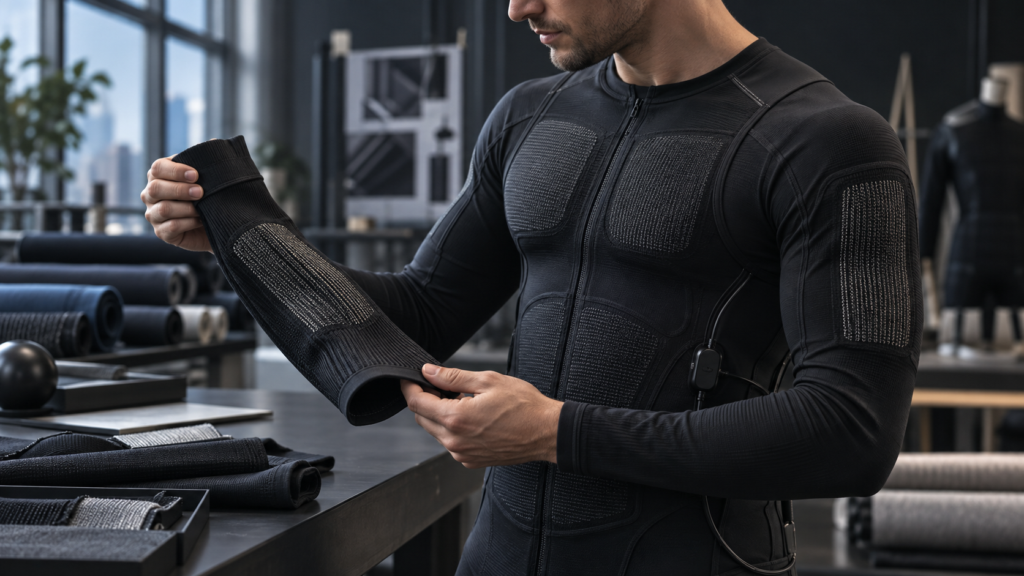

One of the most important questions anyone asks before starting a new training method is: Does it actually work? For EMS training benefits, the honest answer is nuanced. Not because the evidence is weak, but because what EMS does well is specific, and understanding those specifics helps set appropriate expectations.
This article covers the benefits of electrical muscle stimulation based on current scientific research and the consistent experiences reported by users and trainers across the EMS fitness industry. We have been deliberate about separating what the evidence actually supports from what is sometimes overstated in marketing.
EMS training benefits are real. So are its limitations. This article focuses on the former, while being clear about the context in which those benefits are most likely to be realized.
1. Time-Efficient Muscle Activation
One of the most consistently cited EMS training benefits is its capacity to engage a large volume of muscle tissue in a short period of time. Because EMS simultaneously stimulates multiple major muscle groups rather than targeting them sequentially, it produces a high total muscle activation load within a condensed timeframe.
Research published in the European Journal of Applied Physiology has suggested that a 20-minute whole-body EMS session can produce neuromuscular engagement comparable to longer conventional resistance training sessions. For individuals with genuine time constraints, this is a meaningful practical advantage.
Key points on time efficiency:
- A typical whole-body EMS session runs 20 to 30 minutes
- Multiple muscle groups are stimulated simultaneously, not sequentially
- Total muscular work per session is high relative to the time invested
It is worth noting that time efficiency does not mean minimal effort. EMS workout advantages are greatest when the user actively engages during the session. The electrical stimulation amplifies effort; it does not replace it.
2. Supplementary Strength Support
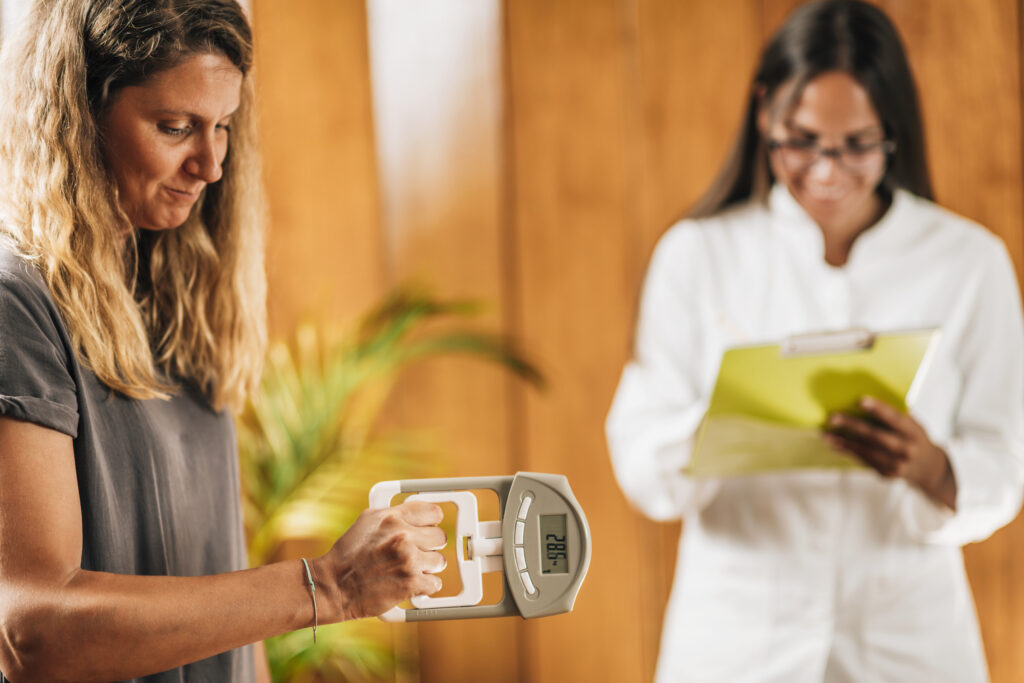
Several peer-reviewed studies have examined whether EMS strength gains are achievable alongside conventional training. The findings, taken collectively, suggest that EMS combined with voluntary exercise may produce meaningful strength improvements, particularly in populations where conventional resistance training alone does not generate sufficient overload.
Research from the Journal of Strength and Conditioning Research has examined EMS as a supplementary tool for trained individuals, finding that adding EMS stimulation to an existing program can provide an additional activation stimulus that voluntary effort alone may not fully replicate. A 2021 systematic review and meta-analysis in Frontiers in Physiology confirmed significant improvements in muscle strength among non-athletic adults following whole-body EMS programs.
Notable findings on EMS strength gains:
- EMS combined with voluntary movement may improve maximal strength in both trained and untrained populations
- Fast-twitch muscle fibers, which are difficult to recruit at moderate exercise intensities, can be activated more comprehensively through electrical stimulation
- Supplementary EMS use by athletes has shown varying results depending on protocol design and training history
For trained athletes and fitness-oriented adults, EMS training benefits in the strength domain are most consistent when EMS is used as a complement to existing programming rather than a replacement for it.
3. Support for Older Adults and Sarcopenia
A particularly well-studied area of EMS training benefits involves older adults experiencing age-related muscle loss, known as sarcopenia. Some studies have found that EMS training may support the maintenance or modest improvement of muscle mass and functional strength in this demographic.
These EMS fitness results carry real implications for independence and quality of life. The ability to build or preserve muscle without requiring heavy external loads makes EMS especially relevant for older adults who may struggle with conventional resistance training due to joint issues or reduced capacity for loading.
4. Body Composition Support
The benefits of electrical muscle stimulation have also been studied in the context of body composition, including both muscle mass and fat reduction. Some multi-week EMS programs combined with appropriate nutrition have shown:
- Modest reductions in body fat percentage
- Improvements in lean muscle mass
- Positive changes in overall body composition markers
A 2023 PRISMA systematic review and meta-analysis published in Medicine (Baltimore) confirmed positive effects of whole-body EMS on both body composition and strength parameters across multiple studies.
It is important to approach these EMS fitness results with appropriate nuance. As the U.S. Food and Drug Administration has noted, EMS training is not a weight loss treatment and does not produce dramatic body composition changes in isolation. The most consistent findings involve EMS as part of a broader program that includes dietary awareness and lifestyle habits, not as a standalone intervention.
For individuals who incorporate EMS into a comprehensive approach to health, the additional muscle activation and metabolic stimulus it provides can contribute meaningfully to an overall program.
5. Low-Impact Training Option
One of the more practical EMS workout advantages is its relatively low-impact nature. Effective muscle stimulation can be achieved without heavy external loads or high-impact movements, which means EMS sessions can produce significant muscular work without the joint stress associated with traditional heavy resistance training.
This makes EMS training benefits particularly relevant for:
- Individuals who experience joint pain or discomfort during conventional exercise
- People returning to training after periods of inactivity or injury
- Older adults seeking muscle maintenance without impact stress
- Anyone for whom heavy loading is temporarily or permanently inappropriate
One important caveat: EMS training still involves voluntary movement, and exercises like squats and lunges place some demand on joints. The reduction in load comes primarily from not requiring heavy external resistance, not from eliminating all mechanical stress.
6. Recovery and Reduced-Intensity Training
Some athletes and fitness professionals use EMS at lower intensities as part of their recovery protocols. At lower frequency and intensity settings, EMS can promote blood flow to muscles without placing significant additional mechanical stress on them, potentially supporting nutrient delivery and metabolic waste clearance after intense training sessions.
The Frontiers in Physiology international guideline for whole-body EMS training notes that session parameters should be adjusted based on training goal, including recovery-oriented use at lower intensities. The evidence for EMS specifically as a recovery tool is less robust than for active training applications, but the physiological rationale aligns with how medical-grade EMS devices have long been used in rehabilitation settings.
7. Improved Neuromuscular Connection
A practical benefit frequently reported by certified EMS trainers is that EMS training benefits include helping individuals connect with muscles that are functionally inhibited or difficult to consciously activate.
The glutes are a common example. For many people, particularly those with sedentary work habits, the glutes are notoriously difficult to engage effectively during conventional exercise. EMS provides an external activation signal to these muscles during movement, potentially helping users develop a stronger neuromuscular connection over time.
This improved muscle recruitment can carry over into conventional exercise performance, making it one of the more underappreciated benefits of electrical muscle stimulation for general fitness populations.

Summary: What the Research Supports
EMS training benefits are genuine, but they are context-dependent. Here is a straightforward summary of where the evidence is strongest:
- Time efficiency: Strong support. A short EMS session produces high total muscle activation.
- EMS strength gains: Moderate to strong support, particularly as a supplement to conventional training.
- Sarcopenia and older adults: Strong support for muscle maintenance and functional strength.
- Body composition: Moderate support when combined with nutrition and lifestyle habits.
- Low-impact training: Well-supported for populations where conventional loading is impractical.
- Recovery: Physiologically reasonable, evidence still developing.
- Neuromuscular connection: Consistently reported in practice, less formally studied.
The EMS workout advantages outlined above are most likely to be realized when training is consistent, conducted under qualified supervision, and part of a broader wellness approach.
Conclusion
EMS training offers a genuinely useful set of potential benefits, including time-efficient muscle activation, supplementary strength support, body composition assistance when combined with good nutrition, a low-impact training option, and the possibility of improved neuromuscular connection for difficult-to-engage muscles. EMS training is a tool, and its benefits are most likely to be realized when it is used consistently, under qualified guidance, and as part of a broader wellness approach that includes nutrition, regular movement, and adequate recovery. It is not a quick fix, but used thoughtfully, it can be a valuable one.
If you’re on the hunt for the right EMS suit, read through the brand and product reviews to help your decision. You can also use our comparison tool to compare various products.
Frequently Asked Questions About EMS Training Benefits
Can EMS training replace a conventional gym program?
EMS training benefits are best understood as complementary to conventional exercise, not a replacement for it. Current research does not support the idea that EMS alone provides the full range of physiological benefits associated with a comprehensive program, including cardio, resistance training, and flexibility work.
Are EMS training benefits permanent?
Like conventional exercise, EMS fitness results, including strength gains and body composition improvements, require ongoing training to be maintained. Stopping EMS will result in a gradual loss of training adaptations over time, consistent with the principle of reversibility seen in all exercise methods.
Will EMS training help with posture?
Some users and trainers report posture improvements as one of the EMS training benefits, particularly from strengthening the postural muscles of the upper and lower back, core, and glutes. However, posture improvement typically requires consistent training, mobility work, and lifestyle changes alongside EMS.
How do EMS training benefits differ between men and women?
Current research has not identified consistent, meaningful differences in EMS training benefits between sexes. Individual variation is significant, and factors such as starting fitness level, training history, and nutrition are likely more influential than sex alone in determining outcomes.
Can I use EMS training if I am already in good shape?
Yes. The benefits of electrical muscle stimulation extend across a wide range of fitness levels. For already-fit individuals, EMS is often most useful as a supplementary tool, adding an activation stimulus on top of an existing training program or supporting targeted muscle activation work.