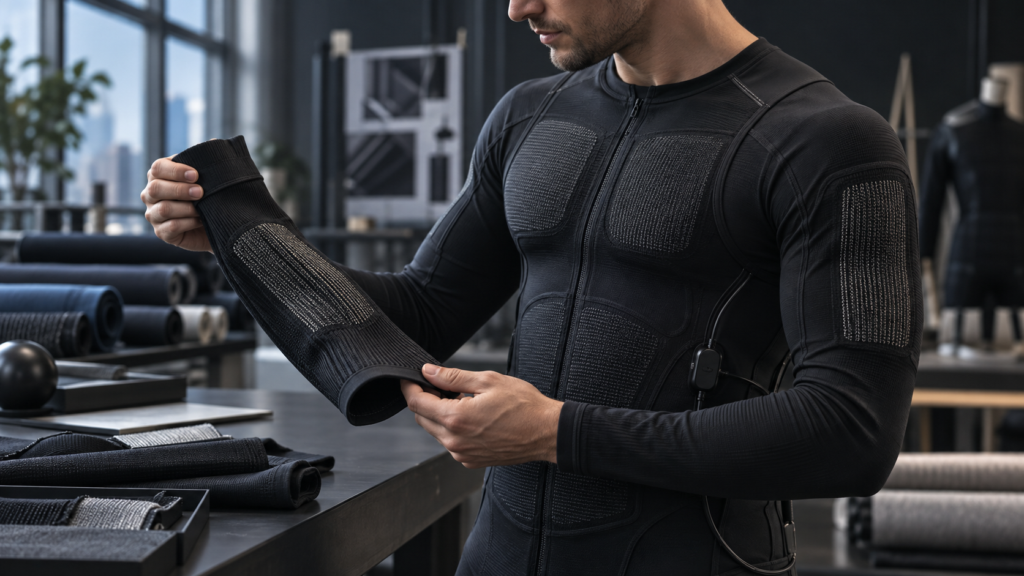

EMS visceral fat research represents one of the most clinically significant areas of whole-body EMS investigation. Visceral fat — the metabolically active fat that accumulates around internal organs — is strongly associated with metabolic disease risk. EMS visceral fat research shows promising results for this important health outcome. Research into ems training and visceral fat what research is exploring continues to evolve as more studios adopt evidence-based approaches.
EMS visceral fat research is particularly important because visceral fat responds differently to different interventions than subcutaneous fat. Understanding what EMS visceral fat research shows about this specific fat depot helps contextualize EMS’s health benefits. Understanding ems training and visceral fat what research is exploring is key for any trainer looking to modernize their program.

This article examines what research is exploring about EMS training and visceral fat — the methods used to measure visceral fat, the findings reported across available studies, the mechanisms hypothesized, and the limitations that appropriately temper conclusions at this stage of the evidence base. The evidence supporting ems training and visceral fat what research is exploring is growing steadily in the professional fitness space.
What Visceral Fat Is and Why It Matters
EMS intra-abdominal fat and visceral fat significance: visceral fat is more metabolically active than subcutaneous fat and has stronger associations with insulin resistance, cardiovascular disease, and metabolic syndrome. For coaches exploring ems training and visceral fat what research is exploring, proper protocol design is essential.
EMS metabolic fat reduction targeting: for metabolic health improvement, visceral fat reduction is the most clinically meaningful fat loss outcome. EMS visceral fat research findings directly address this priority. Clients asking about ems training and visceral fat what research is exploring deserve clear, evidence-informed guidance.
Exercise is one of the most effective non-pharmacological interventions for VAT reduction, with both aerobic and resistance training producing meaningful VAT reductions in research studies. The mechanisms include increased fatty acid oxidation during and after exercise, improved insulin sensitivity that reduces the stimulus for VAT accumulation, and the anti-inflammatory effects of regular physical activity on adipose tissue biology. The practical application of ems training and visceral fat what research is exploring varies depending on goals and client profile.
EMS Research on Visceral Fat: Current Findings: Ems training and visceral fat what research is exploring
EMS visceral fat research findings show that WB-EMS training produces significant reductions in visceral fat area as measured by CT imaging or DEXA scanning in several well-designed studies. Studios investing in ems training and visceral fat what research is exploring report strong client retention and satisfaction.
Electrical stimulation visceral fat mechanism: the widespread muscle activation from WB-EMS may produce hormonal and metabolic effects that preferentially mobilize visceral fat, including improvements in insulin sensitivity and adiponectin levels. Anyone serious about ems training and visceral fat what research is exploring should prioritize certified equipment and trained staff.
EMS abdominal obesity research: EMS visceral fat research in overweight and obese populations with abdominal obesity shows some of the most pronounced effects, suggesting those at highest metabolic risk may benefit most. The business case for ems training and visceral fat what research is exploring is supported by both research and real-world results.
EMS visceral fat research systematic evidence supports the hypothesis that WB-EMS produces meaningful reductions in visceral adipose tissue in appropriate populations. Getting the most from ems training and visceral fat what research is exploring requires consistent protocol and progress tracking.
Limitations and What Research Still Needs to Establish
EMS visceral fat research limitations: most studies use relatively small samples, study periods of 12-16 weeks, and varying measurement methods for visceral fat. More large-scale, long-duration research is needed. Safety remains a top priority in any ems training and visceral fat what research is exploring program.

Dietary control is inconsistent across EMS visceral fat studies — some studies do not control for or even assess dietary intake changes during the training period, making it difficult to attribute body composition changes solely to the EMS training intervention versus concurrent dietary changes that may have occurred in motivated research participants. Professionals offering ems training and visceral fat what research is exploring benefit from ongoing education and certification.
Long-term follow-up data on EMS-induced visceral fat reduction is essentially absent from the literature — the critical question of whether EMS training maintains visceral fat reductions over time, or whether they reverse after training cessation, has not been adequately addressed in current research.
The comparison of EMS to other exercise modalities for visceral fat reduction specifically — whether EMS is more, less, or comparably effective to conventional resistance training or aerobic exercise for VAT reduction — requires head-to-head research that is still limited. The evidence that EMS can reduce visceral fat is stronger than the evidence that it does so more effectively than conventional exercise alternatives.
Conclusion
EMS visceral fat research provides some of the most compelling evidence for EMS training’s metabolic health benefits. Visceral fat reduction is clinically significant in ways that scale weight change is not.
The EMS visceral fat research findings support EMS as a potentially valuable intervention for improving metabolic health in populations with excessive visceral adiposity.
Interested in EMS for health and body composition? Explore our brand reviews and product reviews, or compare options with our product comparison tool.
Frequently Asked Questions
Can EMS training reduce visceral fat?
Research studying WB-EMS training has found significant reductions in visceral fat area using imaging methods in multiple study populations, including overweight and elderly individuals. The findings are encouraging and mechanistically plausible, though the research base has limitations including small samples, short study durations, and limited dietary control.
How does EMS reduce visceral fat?
The hypothesized mechanisms for EMS-induced visceral fat reduction align with general exercise mechanisms: increased metabolic activity and fatty acid oxidation, improved insulin sensitivity over consistent training periods, and the development of lean mass that is associated with reduced visceral fat accumulation. The specific contribution of EMS’s electrical stimulation component beyond these exercise effects is not yet fully characterized.
Is EMS effective for visceral fat in older adults?
Studies in elderly individuals with sarcopenic obesity — elevated fat and reduced muscle — have consistently found EMS training effective for reducing visceral fat alongside improving lean mass. This makes EMS particularly interesting for age-related metabolic deterioration where conventional exercise may be difficult to perform.
How is visceral fat measured in EMS research?
The most accurate visceral fat measurements in EMS research use CT or MRI imaging, which directly measure visceral adipose tissue volume. Some studies use bioelectrical impedance devices with visceral fat estimation algorithms, which provide less precise proxy measures. Waist circumference is also commonly reported as a surrogate measure.
How long does it take EMS to reduce visceral fat?
Research studies finding significant visceral fat reduction from EMS training use periods of 12 to 16 weeks with twice-weekly sessions. Earlier changes may occur in the 8-12 week window, but the most meaningful and consistently documented reductions in imaging studies appear over this longer training period combined with consistent training.