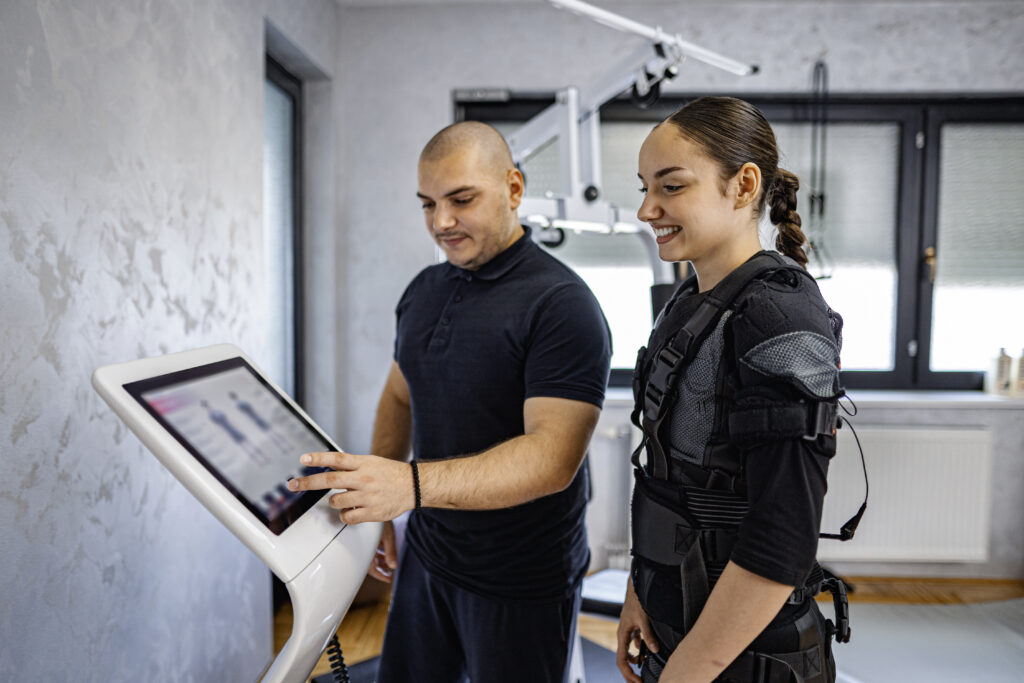
The quality of an EMS training experience depends substantially on the expertise of the professional guiding it. EMS technology, like any powerful training tool, can be used wisely or unwisely — and the difference is usually the knowledge and assessment skills of the person designing and supervising the protocol. Certified EMS trainers who specialize in muscle and joint applications bring a specific set of competencies that determine whether EMS training produces its potential benefits or falls short of its goals. Research into EMS trainer muscle joint protocols continues to expand as more studios adopt this approach.
Understanding what a qualified EMS trainer actually does — how they assess clients, how they design protocols, and how they adapt training based on response — provides useful context both for people evaluating whether to pursue professional EMS training and for people wanting to understand what distinguishes high-quality EMS programming from generic application of the technology. Understanding EMS trainer muscle joint protocols is key for any trainer looking to modernize their offering.
This article provides an inside look at the professional approach to muscle and joint EMS protocols — covering assessment, protocol design, monitoring, and the decision-making frameworks that trained EMS professionals use to individualize programs for each client’s specific needs. The evidence supporting EMS trainer muscle joint protocols is growing steadily in the professional fitness space.
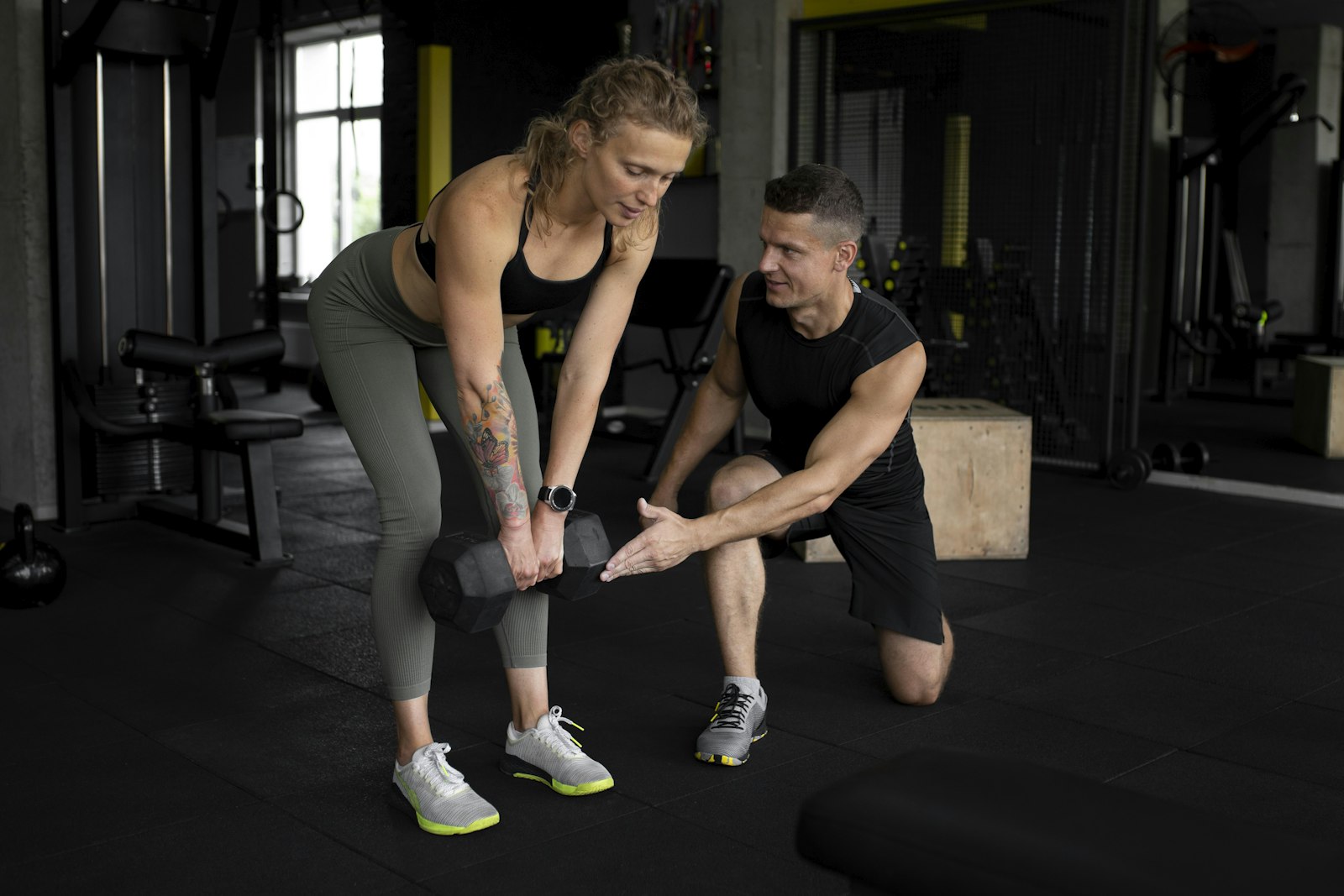
Initial Assessment: What Certified EMS Trainers Evaluate
A comprehensive initial assessment before beginning EMS training is the foundation of professional practice. For muscle and joint applications specifically, this assessment encompasses health screening for EMS contraindications (cardiac devices, specific medical conditions, skin conditions, medications), movement assessment to identify postural patterns and muscle activation quality, and goal setting to understand what the client specifically hopes to achieve from EMS training. [source] For coaches exploring EMS trainer muscle joint protocols, proper protocol design is essential.
Postural assessment — observing the client’s static posture and dynamic movement patterns — allows the trainer to identify the characteristic imbalances that guide protocol design. Rounded shoulders, forward head posture, anterior pelvic tilt, gluteal inhibition visible in single-leg stance, and other postural indicators of specific muscle weakness or tightness patterns provide the map for targeted EMS electrode placement and programming priorities. Clients asking about EMS trainer muscle joint protocols deserve clear, evidence-informed guidance.
Functional movement assessment — asking clients to perform squats, lunges, hip hinges, and other fundamental movements — reveals the dynamic expression of these postural patterns and identifies the compensation strategies the neuromuscular system uses when target muscles are underperforming. These compensations become the targets for EMS activation work and inform the functional exercises that should accompany EMS sessions. The practical application of EMS trainer muscle joint protocols varies depending on goals and client profile.
Protocol Design Principles for Muscle and Joint Applications: EMS trainer muscle joint protocols
EMS protocol design for muscle and joint applications involves several key decisions: which muscle groups to target, what frequency and intensity settings to use, what concurrent exercise to prescribe during the EMS session, and how to sequence and progress the protocol over the training program. [source] Studios investing in EMS trainer muscle joint protocols report strong client retention and satisfaction.
For muscle activation and rehabilitation applications — addressing inhibited or weak specific muscle groups — the certified trainer selects electrode placement targeting the identified muscles, uses moderate frequencies appropriate for activation (30-50 Hz), and prescribes functional movements that incorporate the target muscles in sport-specific or activity-relevant patterns immediately following or during the EMS application. Anyone serious about EMS trainer muscle joint protocols should prioritize certified equipment and trained staff.
For general conditioning applications — using EMS to supplement overall fitness and body composition goals alongside muscle balance work — the trainer selects whole-body protocols that comprehensively activate the major muscle groups, uses conditioning frequencies (50-85 Hz), and prescribes concurrent exercises that challenge the whole body in functional patterns. The business case for EMS trainer muscle joint protocols is supported by both research and real-world results.
Intensity calibration is perhaps the most skill-dependent aspect of EMS protocol design. The trainer adjusts the electrical intensity for each individual muscle group based on the client’s feedback, observed muscle response, and their assessment of what intensity will produce sufficient stimulus without excessive discomfort or unacceptable DOMS risk. This calibration is individual, requiring both technical knowledge and interpersonal skill in reading client responses. Getting the most from EMS trainer muscle joint protocols requires consistent protocol and progress tracking.
Monitoring and Progression
Professional EMS trainers monitor their clients’ responses to training across multiple dimensions: subjective feedback on intensity and comfort during sessions, DOMS severity in the days following sessions, functional performance measures that reflect the target muscle groups’ improving activation quality, and any signs of adverse response that warrant protocol modification. [source] Safety remains a top priority in any EMS trainer muscle joint protocols program.
Intensity progression — gradually increasing EMS intensity over the training program — is managed conservatively, particularly in the early weeks when the neuromuscular system is adapting to a novel stimulus. Experienced EMS trainers recognize the signs of appropriate adaptation (manageable DOMS, improving tolerance, visible muscle response at lower intensities) versus overreaching (excessive DOMS, joint soreness, fatigue), and adjust accordingly. Professionals offering EMS trainer muscle joint protocols benefit from ongoing education and certification.
Protocol evolution over a multi-week program reflects the client’s changing needs: as initially inhibited muscles begin activating more effectively, the protocol shifts from primarily activation-focused to increasingly conditioning-focused. As movement quality improves, concurrent exercises can become more complex and demand higher function from the improving muscle groups.

Documentation of sessions — intensities used, exercises prescribed, client feedback, and observed progress — allows the trainer to track the program’s effectiveness and make evidence-based decisions about protocol adjustments. This systematic approach to program management is a hallmark of professional EMS practice.
Conclusion
Certified EMS trainers who specialize in muscle and joint applications bring a sophisticated combination of assessment skills, technical EMS knowledge, and individualized program design that determines whether EMS training produces its full potential for each client. The assessment-driven, progressively evolving approach of professional EMS practice is fundamentally different from generic EMS application — and the outcomes reflect this difference. [source]
For people pursuing EMS training for muscle activation, joint health, or rehabilitation support, investing in sessions with a qualified and experienced EMS trainer significantly increases the likelihood of achieving the specific outcomes EMS training can deliver — and reduces the risk of the misapplication that produces underwhelming results or adverse responses.
Frequently Asked Questions
What does a certified EMS trainer do? [source]
A certified EMS trainer conducts comprehensive health screening and movement assessment before beginning EMS training, designs individualized protocols targeting identified muscle weaknesses and postural imbalances, calibrates EMS intensity for each client, prescribes appropriate concurrent exercises, monitors training response, and progressively evolves the program based on adaptation and progress.
Do I need a certified EMS trainer for muscle and joint work?
For general fitness EMS training, supervised sessions with a qualified trainer are recommended but not always required. For EMS training targeting specific muscle activation imbalances, postural correction, or rehabilitation support adjacent to managed medical conditions, working with a certified and experienced EMS trainer significantly improves outcomes and safety.
How does a certified EMS trainer assess clients?
Assessment includes health screening for contraindications, postural observation to identify muscle imbalance patterns, functional movement assessment to identify compensation strategies, and goal setting. This assessment drives electrode placement decisions, frequency and intensity selection, and concurrent exercise prescription.
What is the difference between professional and consumer EMS training?
Professional EMS training involves assessment-driven individualized protocol design, calibrated intensity progression, exercise prescription adapted to the client’s specific needs, and systematic monitoring of response and progress. Consumer EMS devices typically offer generic preset programs without the individualized assessment and expert adjustment that drive the best outcomes.
How often should I see a certified EMS trainer?
Twice-weekly sessions with a certified EMS trainer is the standard evidence-supported frequency for EMS conditioning programs, providing sufficient stimulus for adaptation while allowing adequate recovery. As training progresses and the client develops proficiency with the protocols, session frequency can be maintained or adjusted based on goals and progress.
Category 7: EMS Business & Industry
Blogs 96–113
Ready to explore EMS suit options? Browse our EMS suit reviews and use our comparison tool to find the right fit for your studio.