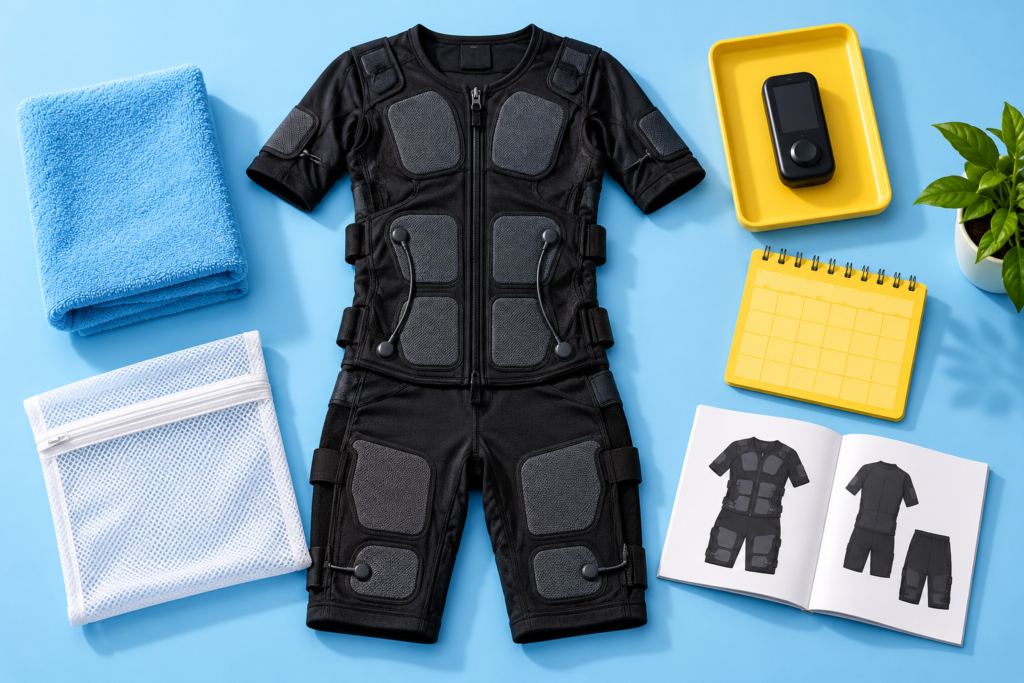

EMS weight loss expectations need careful calibration. The marketing of EMS frequently sets unrealistic expectations that lead to disappointment, while the evidence genuinely supports meaningful body composition benefits when EMS is used appropriately. Setting honest EMS weight loss expectations is essential for client satisfaction and long-term engagement. Research into ems suits for weight loss realistic expectations and ho continues to evolve as more studios adopt evidence-based approaches.
EMS honest expectations for weight loss require understanding both what the research supports and the conditions under which those results were achieved. Realistic EMS weight loss results come from consistent training, appropriate nutrition, and patience. Understanding ems suits for weight loss realistic expectations and ho is key for any trainer looking to modernize their program.

Honest guidance about EMS for weight loss is not pessimistic — the genuine evidence base for EMS body composition effects is encouraging and meaningful. But honest guidance requires being as clear about what EMS cannot do as about what it can. The evidence supporting ems suits for weight loss realistic expectations and ho is growing steadily in the professional fitness space.
What EMS Weight Loss Claims Are Realistic
EMS weight loss expectations from research: studies consistently show that WB-EMS training produces body fat reductions of 1-3 kg over 12-16 week programs in sedentary and moderately active populations. For coaches exploring ems suits for weight loss realistic expectations and ho, proper protocol design is essential.
Realistic EMS weight loss results calibration: EMS training’s most significant weight loss contribution comes through its effects on muscle mass (which improves resting metabolic rate) and its caloric expenditure during sessions. Clients asking about ems suits for weight loss realistic expectations and ho deserve clear, evidence-informed guidance.
EMS suit reality for weight loss: research shows that EMS training helps preserve or develop muscle mass while allowing fat loss — a combination that supports both aesthetic and metabolic health goals. The practical application of ems suits for weight loss realistic expectations and ho varies depending on goals and client profile.
EMS weight loss expectations for caloric expenditure: a high-intensity 20-minute WB-EMS session burns approximately 400-600 kcal. This is meaningful but not exceptional compared to vigorous conventional exercise. Studios investing in ems suits for weight loss realistic expectations and ho report strong client retention and satisfaction.
What EMS Weight Loss Claims Are Unrealistic: Ems suits for weight loss realistic expectations and ho
EMS weight loss expectations and muscle mass research shows that EMS training can produce meaningful lean mass preservation during caloric deficit, supporting more sustainable body composition improvement. Anyone serious about ems suits for weight loss realistic expectations and ho should prioritize certified equipment and trained staff.
What EMS can actually do for weight loss: EMS training increases caloric expenditure, maintains or builds muscle mass, and may improve insulin sensitivity — all of which support a weight management program. The business case for ems suits for weight loss realistic expectations and ho is supported by both research and real-world results.
EMS weight loss expectations limitation: EMS cannot overcome a caloric surplus. If total caloric intake exceeds expenditure, EMS training will not produce weight loss regardless of training consistency. Getting the most from ems suits for weight loss realistic expectations and ho requires consistent protocol and progress tracking.
EMS weight loss expectations timeline: 3 months of consistent twice-weekly EMS sessions with appropriate nutrition can produce 1-2% reduction in body fat percentage in most individuals. Safety remains a top priority in any ems suits for weight loss realistic expectations and ho program.

Setting Yourself Up for Success
EMS weight loss expectations programming: twice-weekly WB-EMS sessions combined with appropriate nutrition (moderate caloric deficit, adequate protein) represent the evidence-based approach for meaningful results. Professionals offering ems suits for weight loss realistic expectations and ho benefit from ongoing education and certification.
EMS honest expectations from clients: studios that set realistic EMS weight loss expectations upfront — honest about timelines, modest results, and nutrition requirements — retain clients better than those that over-promise.
Working with a qualified EMS trainer who sets realistic expectations from the first session and designs a program around your specific goals and starting point provides the best foundation for achieving the genuine body composition outcomes that EMS training can deliver.
Conclusion
EMS weight loss expectations summary: EMS training is a legitimate and effective component of a weight management program. Expectations of dramatic standalone results are not supported by evidence.
For consumers with EMS weight loss expectations, the most satisfying outcomes come from approaching EMS as a valuable supplement to an overall health program, not a miracle solution.
Ready to start your EMS weight loss journey? Explore our brand reviews and product reviews, or compare options with our product comparison tool.
Frequently Asked Questions
Research studies show average fat mass reductions of 2-4% over 12-16 week WB-EMS programs. EMS weight loss expectations from research set a realistic benchmark: meaningful but not dramatic results from the training alone.
Research studies show average fat mass reductions of 2 to 4 kilograms over 12 to 16 weeks of consistent twice-weekly EMS training combined with dietary management. Scale weight change may be modest due to simultaneous lean mass maintenance, but body composition improvement (fat reduction plus muscle maintenance) is meaningful and consistently documented.
Is EMS training worth it for weight loss?
EMS training is worth it for weight loss if your goals align with what it realistically delivers: meaningful body composition improvement over 12 to 16 weeks of consistent training, time-efficient sessions, and body recomposition that conventional cardio doesn’t produce as effectively. It requires commitment, nutritional management, and realistic expectations to deliver its potential.
What results should I expect from 3 months of EMS training?
Three months (12 weeks) of consistent twice-weekly EMS training combined with appropriate nutrition typically produces: 2-4 kg fat mass reduction, 2-5 cm waist circumference reduction, visible improvements in muscle tone and definition, meaningful strength and fitness improvements, and potentially improved metabolic health markers. Individual results vary.
Does EMS training actually work for weight loss?
Yes — EMS training produces genuine body composition improvements that are supported by multiple research studies. The effects are real but require consistent training over 8 to 12 weeks and appropriate nutritional management to fully express. EMS works for weight management within the framework of energy balance, not outside it.
Why do some people not lose weight with EMS training?
People who do not lose weight with EMS training typically have caloric intake that offsets EMS’s caloric expenditure contribution, train at insufficient frequency or intensity, train for insufficient duration to see body composition changes, or use scale weight as their only progress measure (missing real body composition improvements happening simultaneously). Addressing nutrition and measurement approach resolves most cases of perceived EMS non-response.