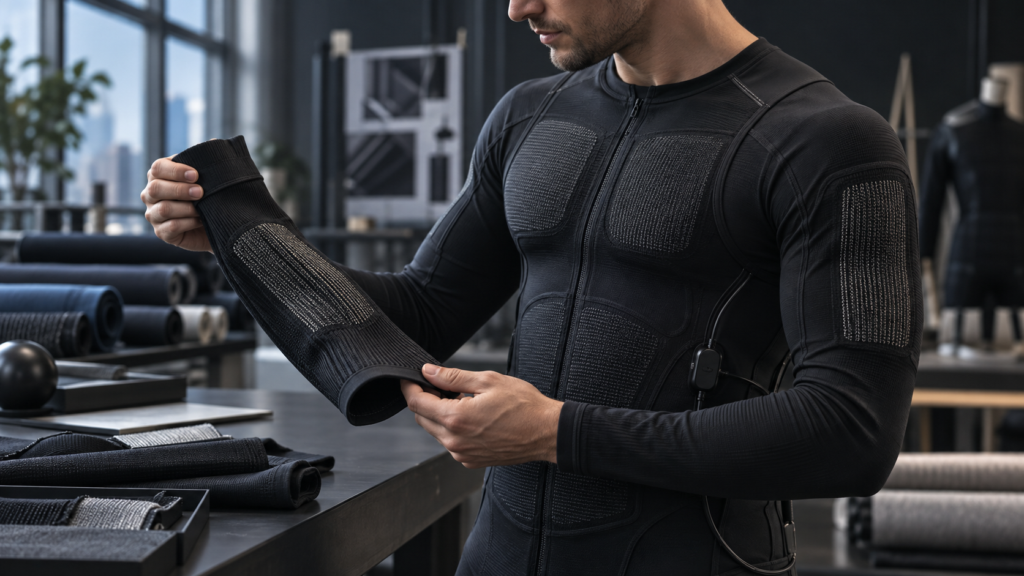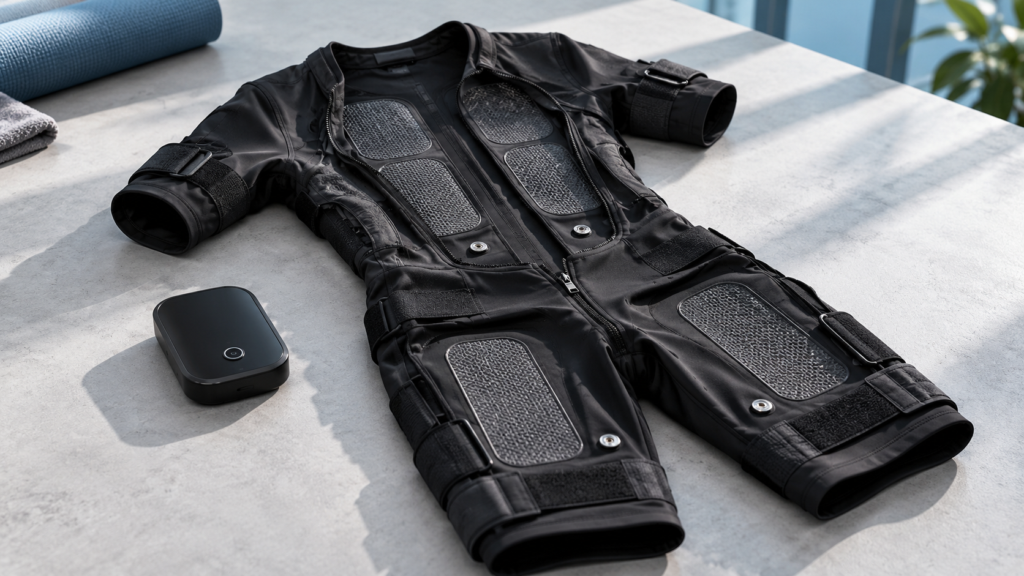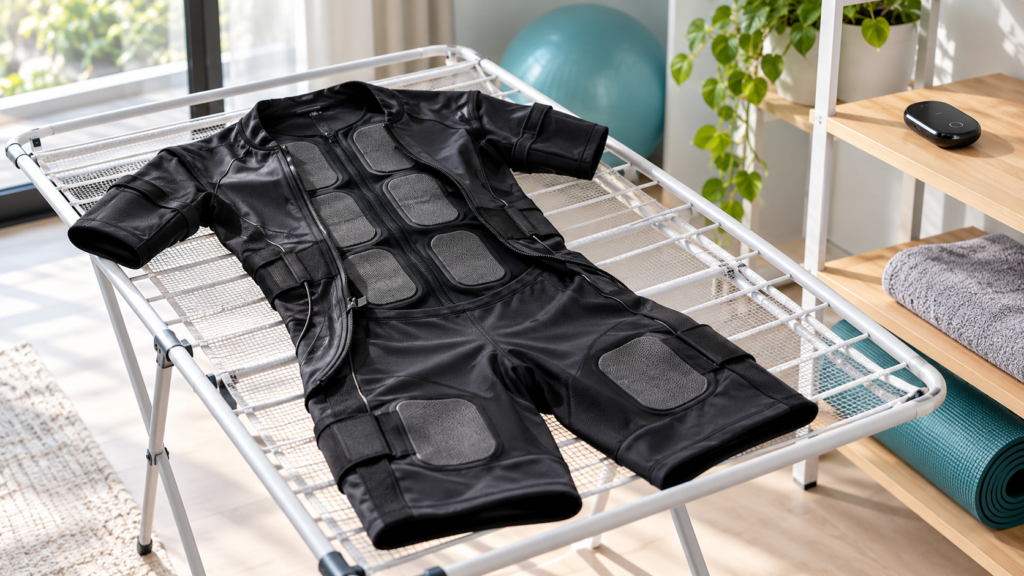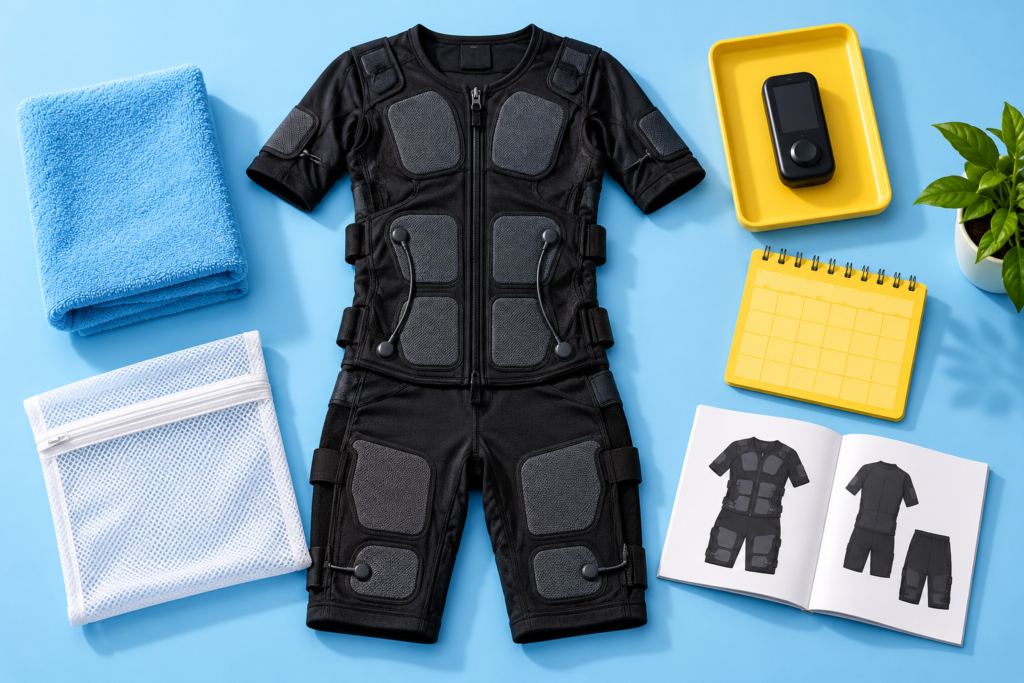
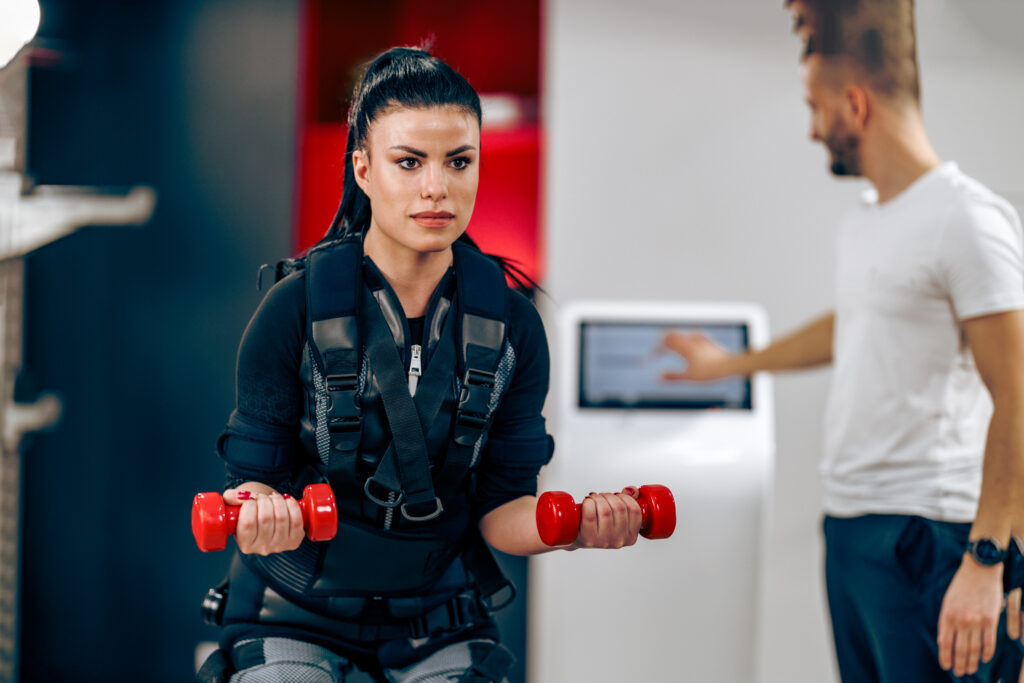
Safety is not a secondary consideration in professional EMS training — it is the foundation on which everything else is built. EMS training’s ability to produce strong, simultaneous contractions across multiple major muscle groups is precisely what makes it an effective training tool, and precisely what makes the protocols governing its safe application essential. The same electrical stimulus that produces beneficial strength and conditioning outcomes can produce adverse effects when applied to contraindicated individuals, at excessive intensities, or without the monitoring that safe EMS practice requires. Research into EMS suit safety protocols continues to expand as more studios adopt this approach.
Professional EMS trainers who consistently follow established safety protocols protect their clients, protect their businesses, and uphold the professional standards that legitimate EMS practice requires. Those who cut corners on safety — rushing health screening, pushing intensities beyond appropriate limits, or failing to monitor client responses during sessions — create risks that neither certification nor insurance can fully mitigate. Understanding EMS suit safety protocols is key for any trainer looking to modernize their offering.

This article outlines the essential safety protocols that every professional EMS trainer should follow — before the session (health screening and consent), during the session (intensity management and monitoring), and after the session (DOMS education and follow-up). The evidence supporting EMS suit safety protocols is growing steadily in the professional fitness space.
Pre-Session Health Screening
Comprehensive health screening before every new client’s first EMS session is the most critical safety protocol in professional EMS practice. The screening must identify all absolute contraindications — conditions that make EMS training categorically unsafe regardless of intensity or approach. Absolute contraindications include: implanted electronic devices (pacemakers, implantable cardioverter-defibrillators, cochlear implants); active epilepsy; pregnancy; active deep vein thrombosis; malignant tumors in areas of electrode placement; and acute inflammatory conditions. [source] For coaches exploring EMS suit safety protocols, proper protocol design is essential.
The health screening should be conducted through a formal questionnaire completed by the client, followed by a verbal review of the responses by the trainer to clarify any answers and identify conditions the client may not have recognized as relevant. The trainer should be sufficiently knowledgeable to assess the safety implications of the health conditions disclosed — not simply checking a list, but making informed judgment about whether disclosed conditions represent absolute contraindications, relative contraindications requiring modified protocols, or conditions that do not affect EMS safety. Clients asking about EMS suit safety protocols deserve clear, evidence-informed guidance.
Informed consent — a clear explanation of what EMS training involves, its potential adverse effects (including the possibility of significant DOMS, particularly after the first sessions), and the conditions under which a client should stop the session or discontinue training — should be provided and documented before the first session. Clients who understand what to expect from EMS training are better prepared to communicate important feedback during sessions and to manage the post-session experience appropriately. The practical application of EMS suit safety protocols varies depending on goals and client profile.
During-Session Safety Management: EMS suit safety protocols
The most important during-session safety protocol is continuous communication between trainer and client throughout the session. The trainer should ask for feedback on comfort and sensation at every intensity change and at regular intervals throughout the session, and should be visually observing the client’s muscle response, movement quality, and overall demeanor for signs of distress or inappropriate response. EMS session management is an active, attentive process — not a matter of setting parameters and leaving the client to work independently. [source] Studios investing in EMS suit safety protocols report strong client retention and satisfaction.
Intensity management during the session must be conservative and individually calibrated. First sessions should begin at very low intensities — well below the client’s tolerated maximum — and increase gradually based on client response and feedback. The appropriate working intensity for any given session produces strong, clearly perceptible muscle contractions that are challenging but not painful; intensities that produce pain, cramping, or significant discomfort should be reduced immediately. Anyone serious about EMS suit safety protocols should prioritize certified equipment and trained staff.
Rhabdomyolysis — the breakdown of muscle tissue that can occur when EMS is applied at excessive intensity, particularly in the first sessions — is the most serious adverse outcome associated with EMS training. Its risk is substantially reduced by conservative intensity management in early sessions and gradual progression over subsequent sessions. Trainers should educate clients about the symptoms of rhabdomyolysis (dark or discolored urine, severe muscle pain and swelling, extreme fatigue beyond normal DOMS) and instruct them to seek medical attention immediately if these symptoms occur. The business case for EMS suit safety protocols is supported by both research and real-world results.
Post-Session Education and Follow-Up
Post-session DOMS education is an important safety practice for EMS training, where the potential for significant delayed onset muscle soreness — particularly after the first two to four sessions — is greater than in conventional exercise. Clients should be clearly informed before and after their first sessions that significant DOMS is a common and expected response, that it typically peaks 24 to 72 hours after the session, and that rest and adequate hydration are the appropriate management approach. [source] Getting the most from EMS suit safety protocols requires consistent protocol and progress tracking.
Follow-up communication with new clients between their first and second sessions allows trainers to assess the intensity of DOMS the client is experiencing and calibrate the next session’s intensity accordingly. Clients who experience very significant DOMS from the first session should have the next session’s intensity reduced — the DOMS response is a signal that the first session intensity was at or above the appropriate threshold for that individual. Safety remains a top priority in any EMS suit safety protocols program.

Documentation of session parameters — intensities used per channel, exercises performed, client feedback notes, and any adverse responses — provides both an ongoing protocol record and a liability protection in the event of adverse outcomes. Maintaining complete session records for every client, in accordance with applicable data protection regulations, is professional best practice and a component of the risk management that proper EMS operation requires.
Conclusion
EMS suit safety protocols are not administrative burdens — they are the professional practices that protect clients from harm and protect practitioners from the consequences of unsafe training. The pre-session screening that identifies contraindicated individuals, the during-session monitoring that prevents intensity excesses, the post-session education that prepares clients for the EMS recovery experience, and the documentation that creates a professional record of safe practice all form an integrated safety system that professional EMS requires. [source]
Trainers who internalize safety not as a set of rules to follow but as an expression of genuine professional responsibility for their clients’ wellbeing deliver the most consistently excellent and safe EMS training — and build the trust that makes EMS clients loyal, confident advocates for the technology and the professionals who apply it well.
Frequently Asked Questions
What are the contraindications for EMS training? [source]
Absolute contraindications include implanted electronic devices (pacemakers, ICDs), active epilepsy, pregnancy, active deep vein thrombosis, malignant tumors in electrode areas, and certain acute inflammatory conditions. Relative contraindications requiring individual assessment include uncontrolled hypertension, certain skin conditions, recent surgeries, and specific medications. A comprehensive health screening before the first session identifies these conditions.
What is rhabdomyolysis and how is it prevented in EMS?
Rhabdomyolysis is the breakdown of muscle tissue that can release proteins into the bloodstream, potentially causing kidney damage. In EMS, it can occur from excessive stimulation intensity, particularly in first sessions with unconditioned individuals. It is prevented by starting at very low intensities in early sessions, progressing gradually, and educating clients to report symptoms (dark urine, severe pain, extreme swelling) immediately.
How should EMS trainers monitor clients during sessions?
EMS trainers should maintain continuous verbal communication with clients throughout sessions, asking for comfort feedback at every intensity change and at regular intervals. Visual observation of muscle response, movement quality, and client demeanor for signs of distress supplements verbal feedback. EMS sessions require active, attentive trainer presence — not unsupervised client exercise.
What should clients be told before their first EMS session?
Clients should receive informed consent covering: what EMS training involves physically; the potential for significant DOMS in early sessions; contraindications that would make EMS unsuitable; symptoms that should prompt session stoppage; and the importance of staying hydrated before and after sessions. This education should be verbal and documented.
How should an EMS trainer respond if a client feels pain during a session?
Pain during an EMS session (as distinct from the strong but manageable sensation of appropriate EMS stimulation) should immediately prompt intensity reduction on the relevant channels. If pain persists after intensity reduction, the session should be paused and the trainer should assess whether to continue at lower intensity or end the session. Pain is a signal that something needs to change — it should never be pushed through.
Ready to explore EMS suit options? Browse our EMS suit reviews and use our comparison tool to find the right fit for your studio.