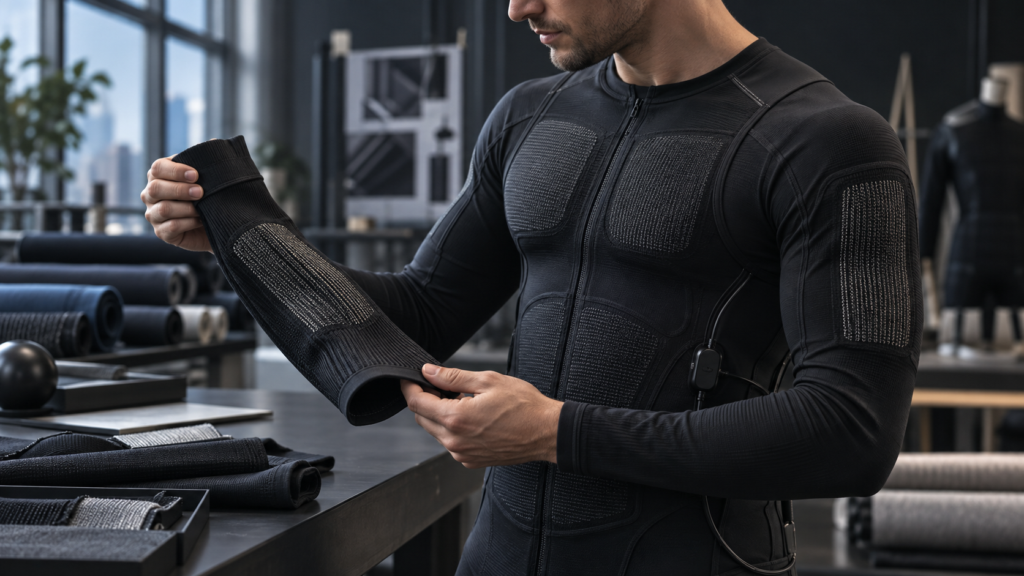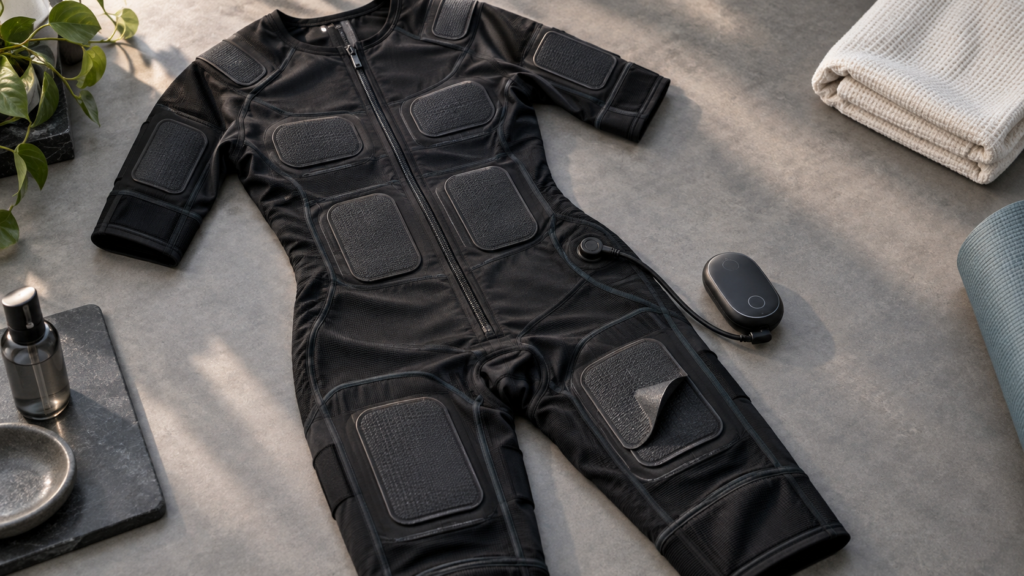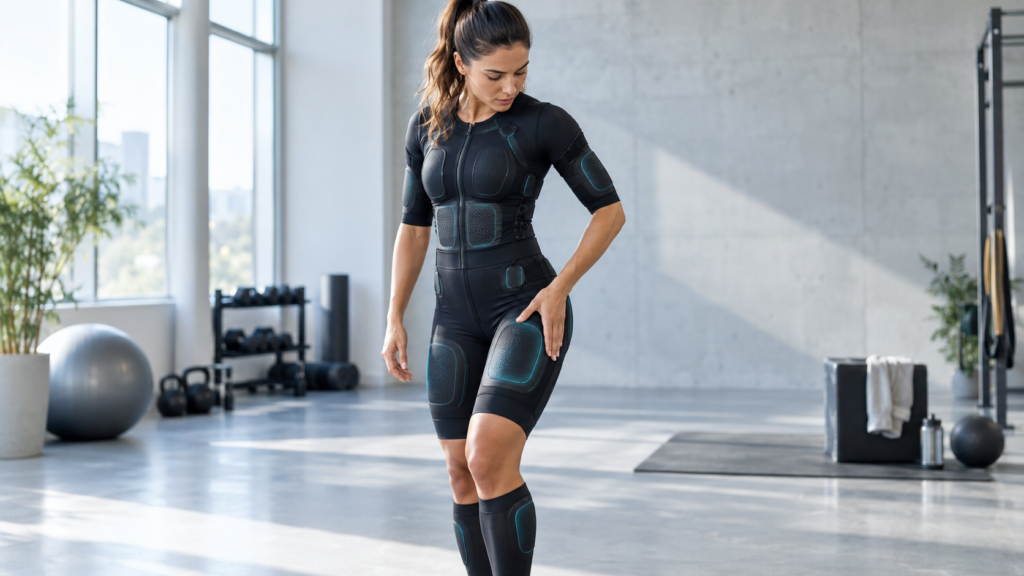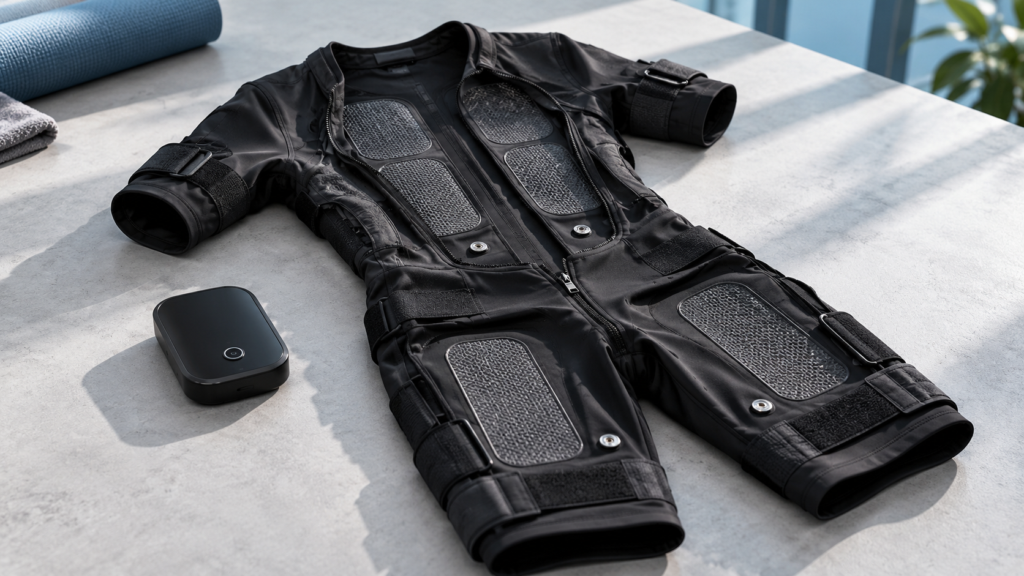
EMS suit hygiene is one of the most operationally important and frequently underestimated aspects of running a professional EMS studio. EMS suits are intimate-contact garments worn directly against clients’ skin — often during sessions that produce significant perspiration — and they are reused across multiple clients throughout the studio day. Without rigorous, consistent hygiene protocols, EMS suits can harbor bacteria that cause odor, skin irritation, and in more serious failures, skin infections — creating both client safety risks and the reputational damage of a studio known for poorly maintained equipment. Research into EMS suit hygiene maintenance continues to expand as more studios adopt this approach.
Beyond client safety, proper maintenance of EMS suits — electrode cleaning, garment washing, cable care, and storage practices — significantly affects the longevity of equipment that represents major capital investment. Suits that are poorly maintained degrade faster: electrode conductivity diminishes, fabric integrity breaks down, and the useful life of the equipment is shortened, increasing the rate of costly replacement. Understanding EMS suit hygiene maintenance is key for any trainer looking to modernize their offering.

This article provides a practical guide to EMS suit hygiene and maintenance — covering cleaning protocols for electrodes and garments, cable maintenance, storage, and the operational systems that ensure consistent hygiene standards across all studio sessions. The evidence supporting EMS suit hygiene maintenance is growing steadily in the professional fitness space.
Between-Session Hygiene Protocols
Between-session hygiene — the cleaning performed between each client’s use of the suit — is the most time-sensitive and operationally important hygiene step. Immediately after a session, the suit should be removed from the client and assessed: the electrode areas should be wiped with an appropriate antimicrobial solution specified by the manufacturer, and any visible soiling should be addressed before the suit is stored or prepared for the next client. [source] For coaches exploring EMS suit hygiene maintenance, proper protocol design is essential.
The choice of cleaning solution for between-session electrode maintenance is important: many conventional disinfectants contain alcohol or other solvents that degrade electrode materials, affect conductivity, or damage fabric integrity over repeated use. EMS manufacturers typically specify compatible cleaning solutions — usually gentle, non-corrosive antimicrobial sprays or wipes — that sanitize without damaging electrode materials. Using off-specification cleaners is a common cause of premature electrode degradation. Clients asking about EMS suit hygiene maintenance deserve clear, evidence-informed guidance.
Between-session turnaround time — the time available between one client’s session end and the next client’s session start — must be sufficient to complete the hygiene protocol properly. Scheduling sessions too close together creates pressure to shortcut hygiene steps. Most professional EMS studios build a minimum of 10 to 15 minutes between sessions for client changing, suit removal, between-session hygiene, and suit preparation for the next client. The practical application of EMS suit hygiene maintenance varies depending on goals and client profile.
Deep Cleaning and Laundry Protocols: EMS suit hygiene maintenance
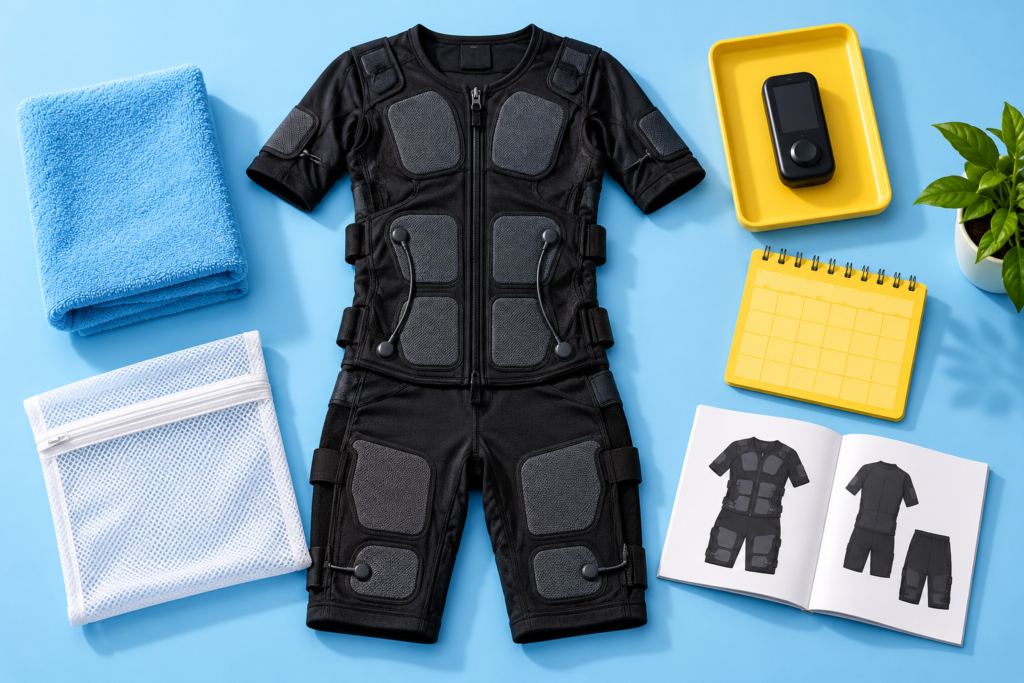
Beyond between-session surface cleaning, EMS suit garments require regular deep cleaning — full machine washing according to manufacturer specifications — to address the accumulated perspiration, oils, and microbial load that surface wiping cannot adequately remove. The frequency of machine washing depends on session volume: heavily used suits in multi-session daily use require washing more frequently than lightly used equipment. [source] Studios investing in EMS suit hygiene maintenance report strong client retention and satisfaction.
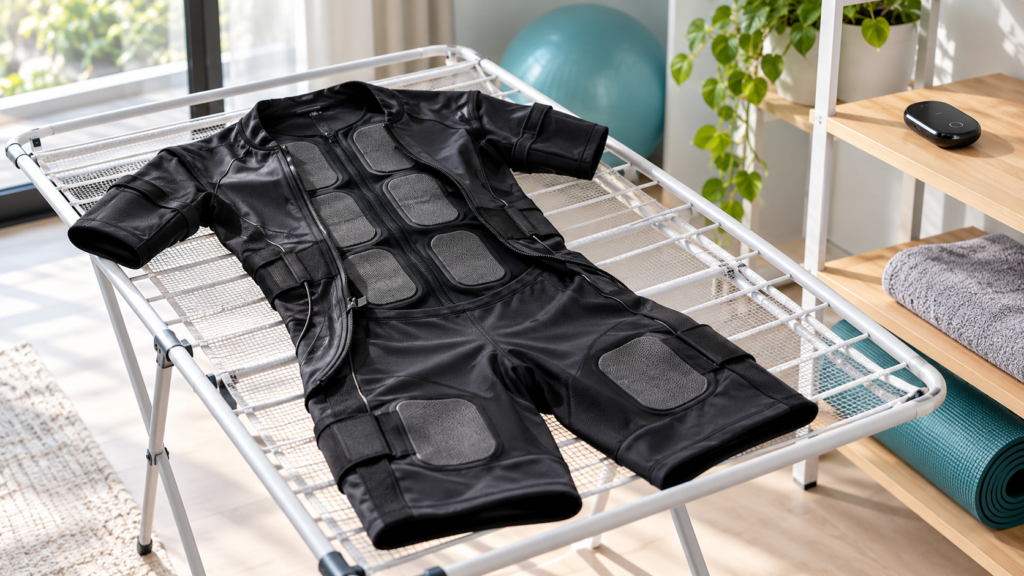
EMS suit washing must follow manufacturer specifications precisely: temperature limits, detergent type (mild, non-enzymatic detergents are typically specified to avoid electrode material damage), spin speed limits, and drying method (air drying is almost universally required — machine drying can damage electrodes and conductive materials). Deviating from washing specifications is a leading cause of premature suit degradation. Anyone serious about EMS suit hygiene maintenance should prioritize certified equipment and trained staff.
Professional EMS studios with multiple suits in continuous use should have a laundry rotation system that ensures clean suits are always available while used suits complete washing and drying cycles. Studios that operate single suits in continuous daily use without adequate rotation risk either sessions with inadequately prepared suits or session scheduling gaps while suits are being laundered. The business case for EMS suit hygiene maintenance is supported by both research and real-world results.
Cable, Storage, and Long-Term Maintenance
Cable maintenance — visual inspection for insulation damage, proper storage to prevent kinking and connector stress, and connector cleaning to prevent corrosion — should be part of regular studio maintenance practice. Cables that are coiled tightly, stored under tension, or frequently pulled during sessions develop internal conductor breaks and insulation damage that produce inconsistent stimulation and eventual failure. Proper cable coiling (figure-eight technique or loose coiling) and protected storage extend cable service life significantly. [source] Getting the most from EMS suit hygiene maintenance requires consistent protocol and progress tracking.

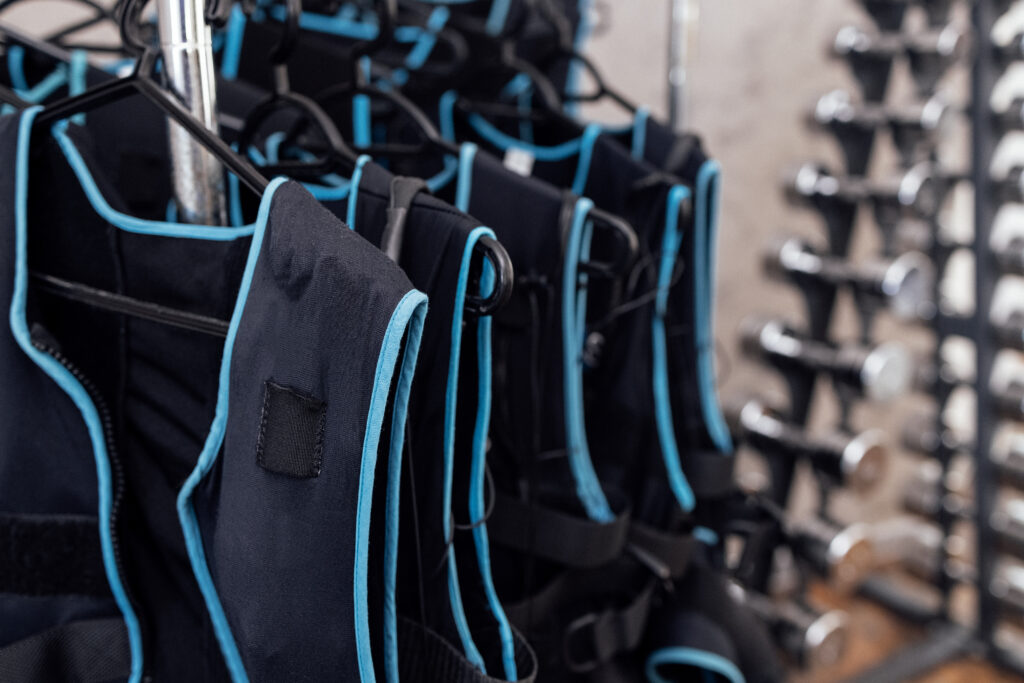
Suit storage between sessions and overnight should protect suits from compression, ultraviolet light exposure (which degrades electrode materials over time), and conditions that prevent adequate drying. Hanging suits or storing them flat in ventilated areas allows moisture from session dampening and perspiration to evaporate fully between uses — preventing the conditions of persistent moisture that support bacterial growth. Safety remains a top priority in any EMS suit hygiene maintenance program.
Periodic assessment of electrode conductivity — checking that resistance across each electrode area is within specification — identifies degrading electrodes before they produce session quality problems or client discomfort from uneven current distribution. Some manufacturers provide simple resistance testing tools; others recommend periodic visual inspection combined with client feedback monitoring as the practical conductivity assessment approach for studio settings. Professionals offering EMS suit hygiene maintenance benefit from ongoing education and certification.
Conclusion
EMS suit hygiene and maintenance is a professional obligation, not an optional operational refinement. Clients who trust a studio with intimate-contact electrical equipment deserve the highest standards of hygiene management — and the equipment investment that professional EMS suits represent deserves the maintenance practices that maximize its useful life. [source]
Developing formal, written hygiene and maintenance protocols — with clear responsibilities, documented frequencies, and the appropriate cleaning materials for the specific suits being used — and training all studio staff to follow them consistently is the foundation of professional EMS studio hygiene practice.
Frequently Asked Questions
How often should EMS suits be washed?
Washing frequency depends on session volume and intensity. Heavily used suits in multi-session daily use typically require washing every one to two days. Less intensively used suits may be washed weekly. Between every client session, electrode areas should be cleaned with manufacturer-specified antimicrobial solution regardless of full wash frequency.
What cleaning products are safe for EMS suits?
Only manufacturer-specified cleaning solutions should be used on EMS suit electrodes — typically gentle antimicrobial sprays without alcohol or aggressive solvents that damage electrode materials. For machine washing, mild non-enzymatic detergents are generally specified. Always follow the manufacturer’s hygiene guidelines for the specific suit to avoid premature degradation.
Can EMS suits be machine dried?
Machine drying is almost universally contraindicated for professional EMS suits — the heat damages electrode materials and conductive elements. EMS suits should be air-dried, ideally hung in a ventilated area away from direct sunlight. Ensuring suits are fully dry before the next session is important both for hygiene and for electrode conductivity.
How long do EMS suit electrodes last?
Electrode longevity depends on use frequency, maintenance quality, and electrode material quality. With appropriate cleaning protocols and washing, professional electrodes in studio use may last six months to over a year before conductivity degrades below acceptable levels. Modular suit designs that allow independent electrode replacement reduce the cost of electrode lifecycle management.
What happens if EMS suit hygiene is inadequate?
Inadequate hygiene can result in bacterial growth that causes odor, skin irritation, and in more serious cases, skin infections in clients using the suit. Beyond client safety risks, it damages the studio’s professional reputation, can lead to complaints and liability exposure, and accelerates equipment degradation. Rigorous hygiene protocols are both a client safety standard and a business protection.
Ready to explore EMS suit options? Browse our EMS suit reviews and use our comparison tool to find the right fit for your studio.