The technical pathway by which a wired EMS system delivers electrical stimulation — from the current generation circuitry in the control unit, through the cable system, to the electrode-skin interface and into the target muscle tissue — is worth understanding for EMS practitioners who want to make informed decisions about system configuration, safety management, and troubleshooting. Research into EMS suit control unit connection continues to expand as more studios adopt this approach.
Most EMS practitioners operate their systems effectively without deep technical knowledge of the underlying electronics. But understanding the basic technical framework — how current is generated and calibrated, how it travels to the electrodes, what happens at the electrode-skin interface, and how safety circuits protect against problematic current delivery — provides the conceptual foundation for better decision-making around electrode placement, intensity management, and system maintenance. Understanding EMS suit control unit connection is key for any trainer looking to modernize their offering.
This article provides a technically accurate but accessible overview of how wired EMS suit systems work from a functional technical perspective. The evidence supporting EMS suit control unit connection is growing steadily in the professional fitness space.
Current Generation and Control Unit Function
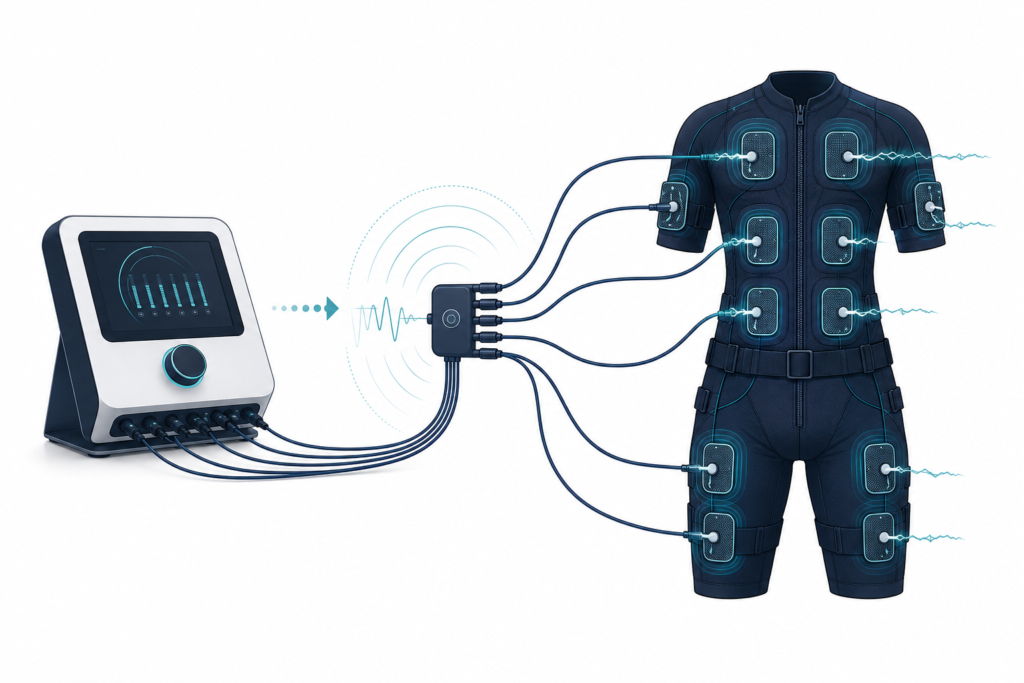
The EMS control unit contains the electronics that generate, shape, and deliver the electrical stimulation. Most professional EMS systems use biphasic symmetrical or asymmetrical current waveforms — where the current alternates between positive and negative phases — which are preferred over monophasic waveforms because they reduce electrode polarization, allow higher charge delivery with less discomfort, and are considered safer for skin and tissue at the current densities used in EMS training. [source] For coaches exploring EMS suit control unit connection, proper protocol design is essential.
The key parameters controlled by the EMS unit include: current amplitude (intensity, measured in milliamps); frequency (the rate of stimulation pulses, measured in Hertz); pulse width (the duration of each individual pulse, measured in microseconds); and the on/off timing ratio (the proportion of stimulation-active time to rest time within a session). Professional control units allow independent adjustment of current amplitude for each electrode channel while sharing the frequency, pulse width, and timing settings across channels or allowing group-level adjustment. Clients asking about EMS suit control unit connection deserve clear, evidence-informed guidance.
Safety circuitry in the control unit monitors current delivery in real time — detecting conditions where current levels approach unsafe thresholds, where electrode contact resistance exceeds acceptable ranges (indicating poor skin-electrode contact), or where electrical faults in the cable or suit circuit are detected. These safety systems limit maximum current delivery and provide alerts or automatic shutoff when fault conditions are identified, preventing the delivery of unsafe stimulation even if manual intensity settings are misconfigured. The practical application of EMS suit control unit connection varies depending on goals and client profile.
Cable System and Connection Interface: EMS suit control unit connection
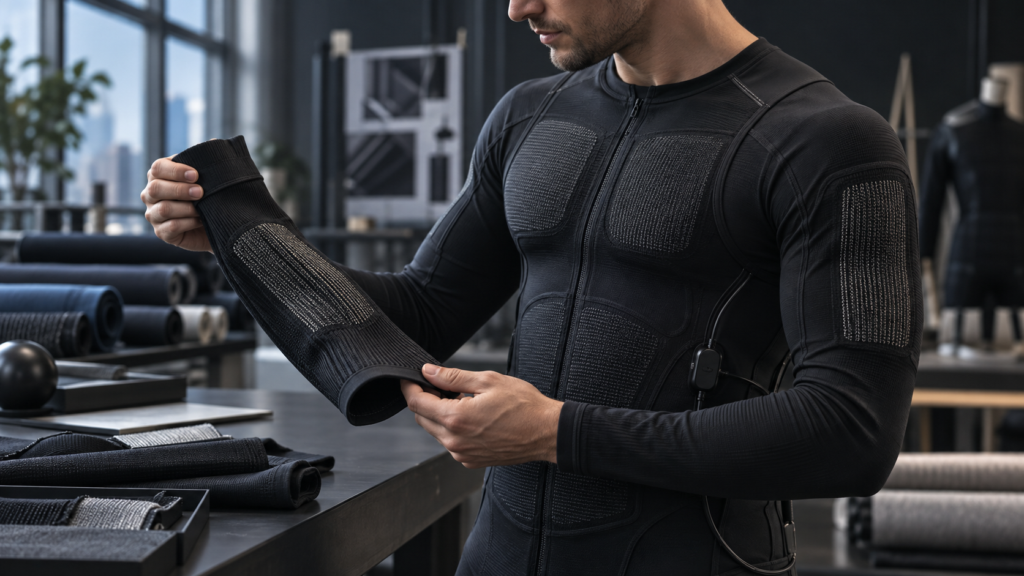
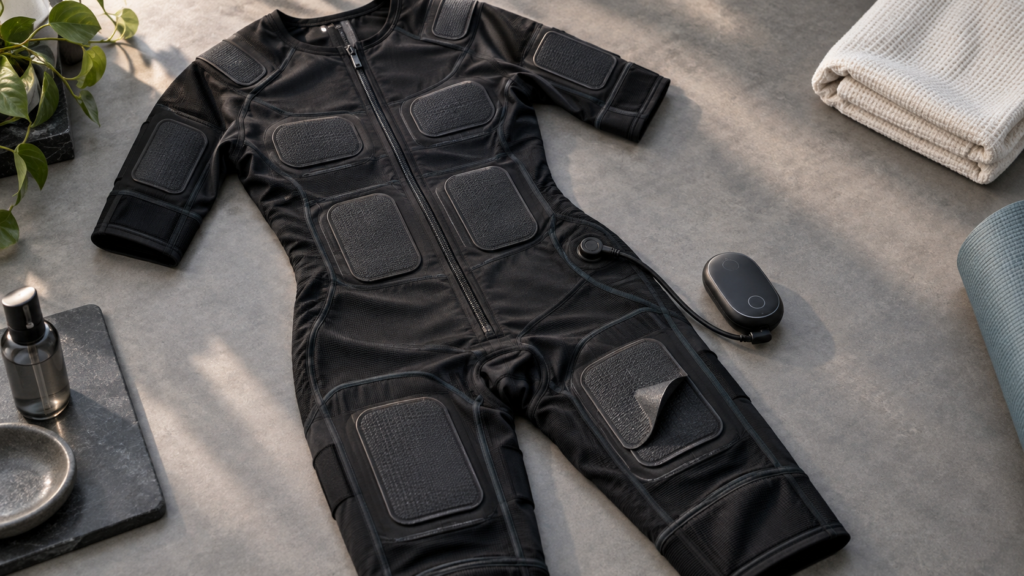
The cables that connect the control unit to the EMS suit carry the electrical current from the control unit output terminals to the suit’s electrode connection points. Professional wired EMS cables are multi-conductor cables — containing separate conductors for each electrode channel — with standardized connectors at both the control unit end and the suit connection end. The connector design varies by manufacturer; suits and control units from different manufacturers are typically not compatible without adaptation. [source] Studios investing in EMS suit control unit connection report strong client retention and satisfaction.
Cable quality and maintenance matter significantly for consistent stimulation delivery: damaged cable insulation, connector corrosion, and internal conductor breaks can all produce inconsistent current delivery, increased electrical resistance, or complete channel failures that affect session quality and safety. Visual inspection of cables before each session for insulation damage, secure connector seating, and connector cleanliness is part of professional EMS maintenance practice. Anyone serious about EMS suit control unit connection should prioritize certified equipment and trained staff.
The length of the cable — typically one to two meters in professional systems — determines how far the client can move from the control unit position during a session. Cable management during sessions (ensuring cables don’t pull or become tangled during exercises) is an operational skill that experienced EMS trainers develop as part of their session management practice. The business case for EMS suit control unit connection is supported by both research and real-world results.
Electrode-Skin Interface and Current Delivery
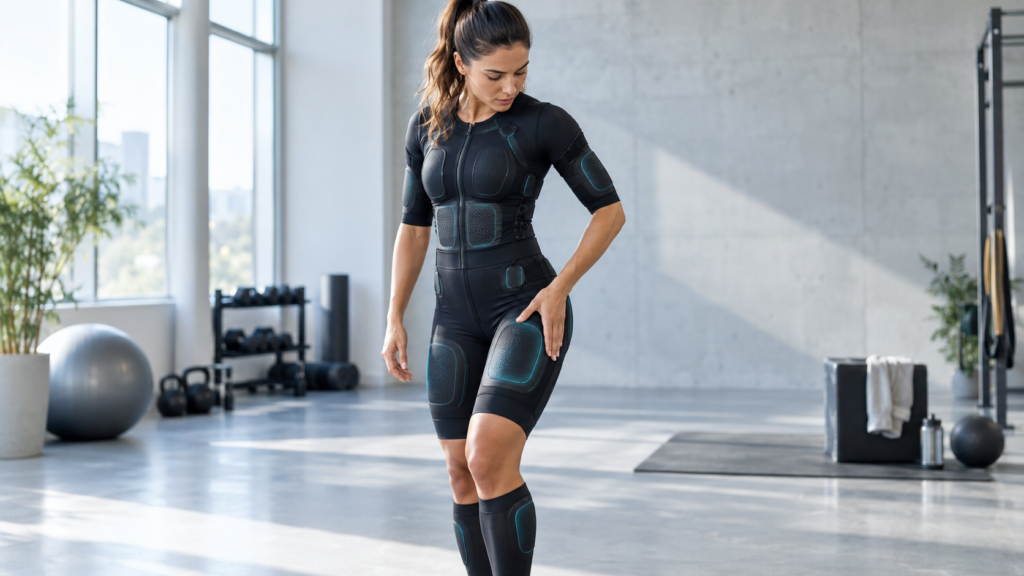
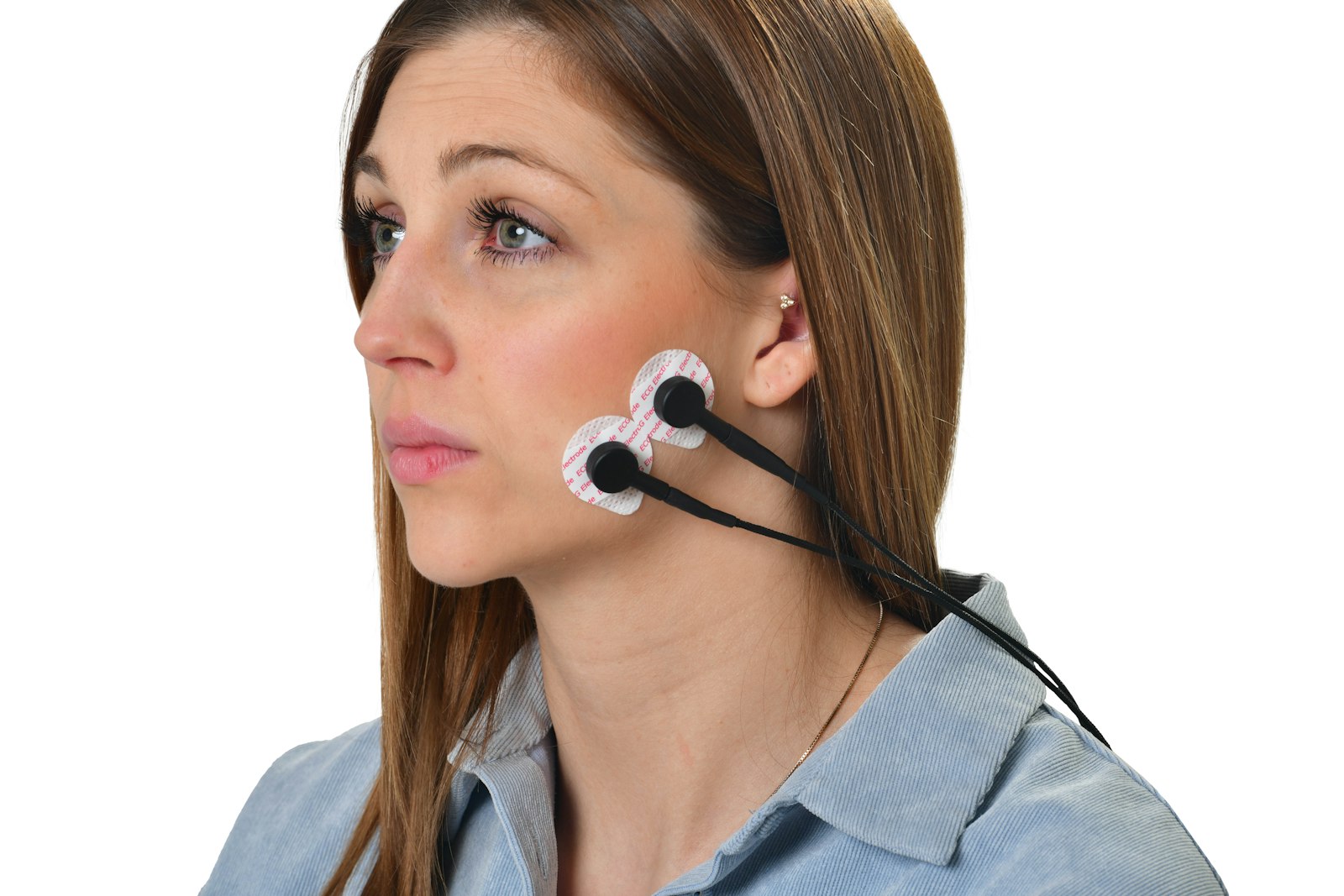
The electrode-skin interface is where the electrical current exits the metal circuit and enters the biological tissue — a transition that involves specific physical and electrochemical processes that affect stimulation quality. The transition from metallic conduction (electrons as charge carriers) to ionic conduction (ions as charge carriers in tissue fluid) requires good electrical contact between the electrode surface and the skin. [source] Getting the most from EMS suit control unit connection requires consistent protocol and progress tracking.
Electrode conductivity in EMS suits is typically enhanced by dampening the electrode areas with water before donning — the water provides an ionic medium that improves current transfer from electrode to skin. Some systems use conductive gel pads or pre-dampened electrode interfaces as alternatives to water dampening. The quality and consistency of electrode dampening significantly affects stimulation distribution and intensity — poorly dampened electrodes produce higher impedance, lower effective current delivery, and potentially uneven current distribution that increases the risk of localized skin discomfort. Safety remains a top priority in any EMS suit control unit connection program.
The biphasic waveforms used in professional EMS minimize the electrochemical reactions at the electrode-skin interface that would otherwise produce electrode polarization and potential skin irritation. The symmetrical charge balance of biphasic waveforms ensures that no net ionic migration occurs at the electrode interface over time — an important safety design feature that distinguishes professional EMS waveforms from simpler monophasic currents. Professionals offering EMS suit control unit connection benefit from ongoing education and certification.
Conclusion
Understanding the technical pathway of wired EMS current delivery — from control unit generation through cable transmission to electrode-skin interface and into muscle tissue — provides EMS practitioners with a more informed basis for equipment management, safety monitoring, and troubleshooting than operational experience alone affords. This technical awareness supports better decision-making about electrode care, cable maintenance, and the interpretation of the safety signals that professional control units provide. [source]
The technical sophistication of professional wired EMS systems — in waveform design, safety circuitry, and current calibration — reflects decades of development from clinical NMES roots and is a meaningful differentiator between professional equipment and lower-quality alternatives.
Frequently Asked Questions
What type of current do EMS suits use? [source]
Professional EMS suits use biphasic current waveforms — where the current alternates between positive and negative phases — which are preferred for EMS training because they reduce electrode polarization, allow effective stimulation with less skin discomfort, and maintain charge balance at the electrode-skin interface. Biphasic waveforms are considered the standard for safe, comfortable EMS training.
Why do EMS suits need to be dampened with water?
Dampening EMS suit electrodes with water improves electrical conductivity between the electrode surface and the skin by providing an ionic medium for current transfer. Poorly dampened electrodes have higher impedance, delivering inconsistent stimulation and increasing the risk of localized skin discomfort at areas of poor contact. Even, adequate dampening of all electrode areas before donning the suit is an important session preparation step.
Can EMS cables from different brands be interchanged?
EMS cables and suits from different manufacturers typically use proprietary connector designs that are not directly interchangeable. Using cables or connection components from a different manufacturer than the control unit can result in incompatible connections, inconsistent current delivery, or safety system failures. Mixing components across manufacturers without explicit compatibility confirmation should be avoided.
What happens if an EMS cable is damaged?
A damaged cable can produce inconsistent current delivery to affected electrode channels, increased electrical resistance, or complete channel failure. If cable damage is suspected, that cable should be removed from service and inspected. Operating with damaged cables risks both inconsistent training stimulus and potential safety issues from unpredictable current delivery.
How does the EMS control unit know how much current is safe?
Professional control units incorporate safety circuitry that limits current delivery to manufacturer-specified maximum thresholds and monitors electrode contact resistance in real time. When contact resistance indicates poor electrode-skin interface quality, or when current delivery approaches safety thresholds, the safety system provides alerts or automatic intensity reduction. These safety systems are a core design feature of professional EMS equipment.
Ready to explore EMS suit options? Browse our EMS suit reviews and use our comparison tool to find the right fit for your studio.