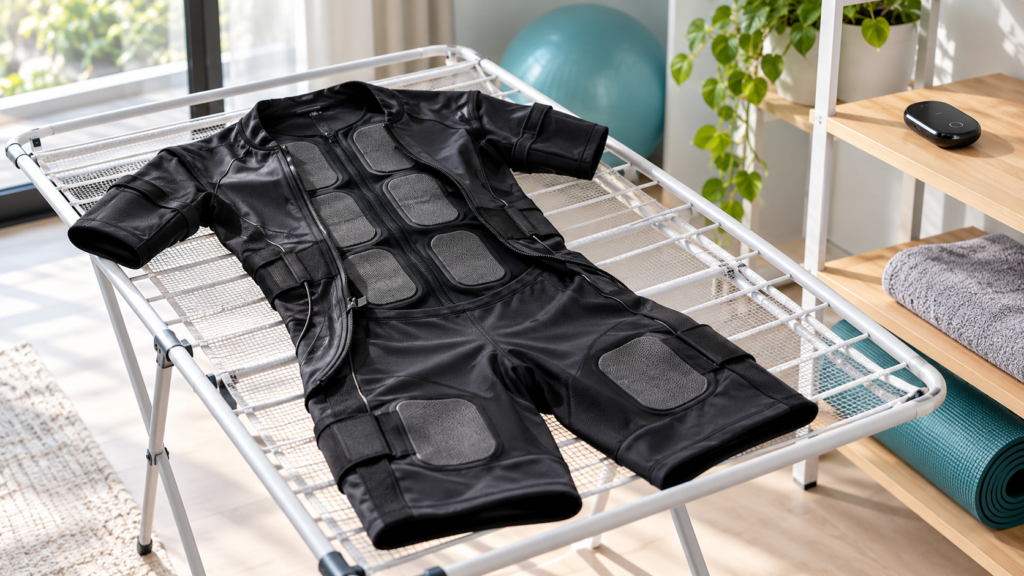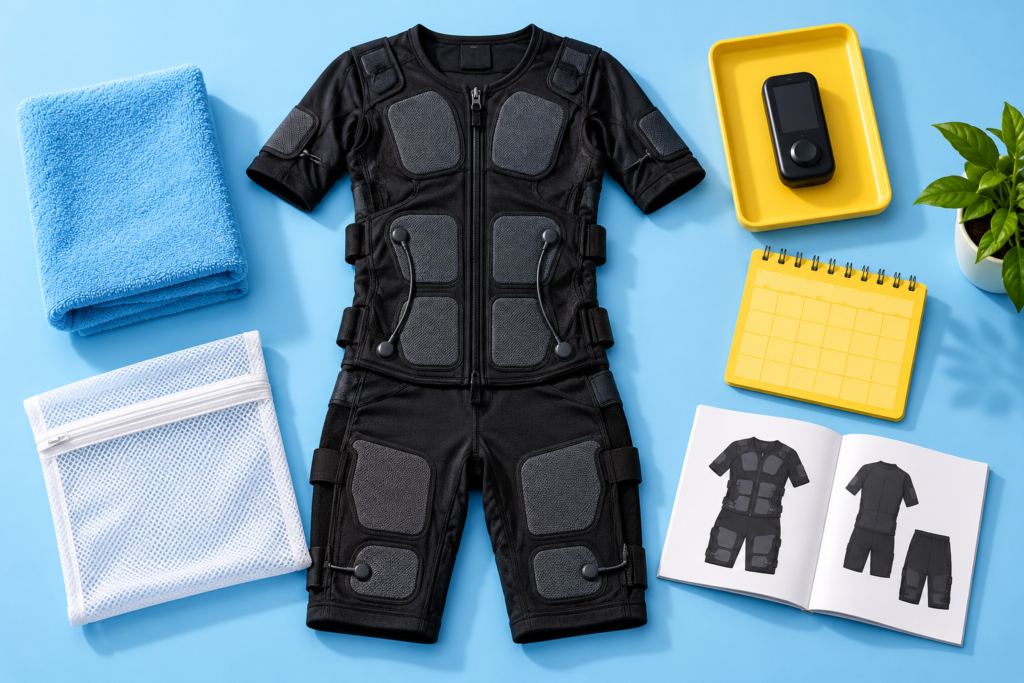
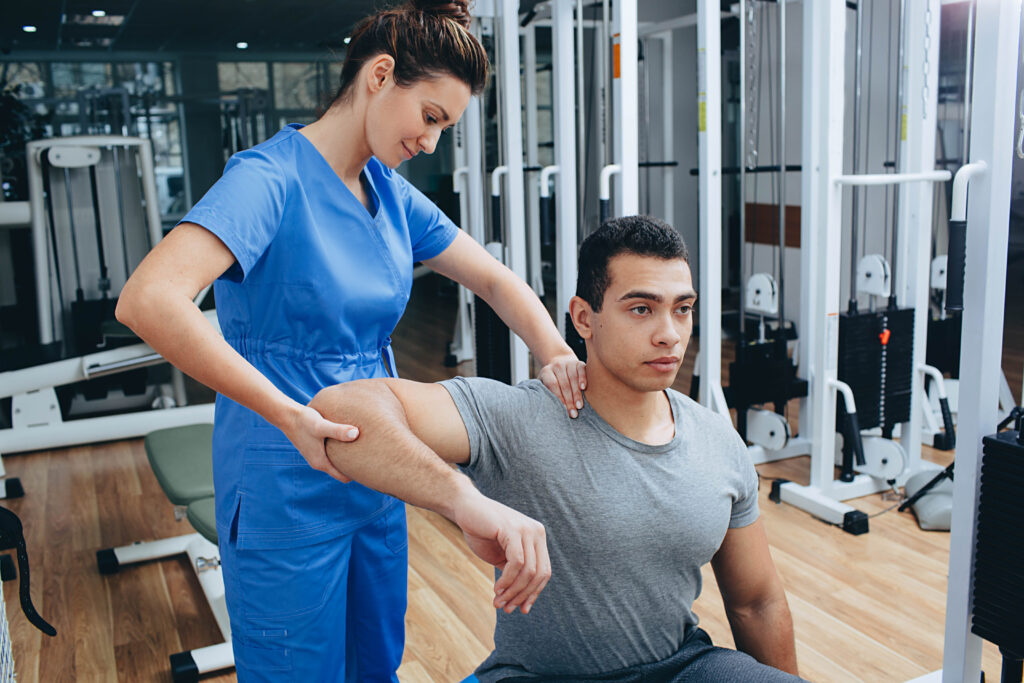
EMS physical therapy research provides the scientific foundation that informs both clinical applications and the more general fitness use of electrical muscle stimulation. Understanding what EMS physical therapy research shows — and its limitations for fitness contexts — is important for accurate communication about EMS technology. Research into ems in physical therapy research current findings and c continues to evolve as more studios adopt evidence-based approaches.
EMS physical therapy research findings are strongest for specific clinical conditions: post-surgical muscle atrophy, neurological rehabilitation, and sarcopenia management. These applications have robust evidence bases that fitness EMS applications can learn from. Understanding ems in physical therapy research current findings and c is key for any trainer looking to modernize their program.
This article surveys the key areas of EMS physical therapy research, the strength of evidence in each domain, and the important cautions about how this research applies to fitness contexts. The evidence supporting ems in physical therapy research current findings and c is growing steadily in the professional fitness space.

NMES in Post-Surgical Rehabilitation: A Strong Evidence Area
EMS physical therapy research for post-surgical rehabilitation shows that NMES consistently produces meaningful quadriceps strength improvements following knee surgery, ACL reconstruction, and joint replacement. For coaches exploring ems in physical therapy research current findings and c, proper protocol design is essential.
NMES rehabilitation research evidence: the post-surgical application has perhaps the strongest evidence base in EMS physical therapy research, with multiple high-quality RCTs demonstrating the clinical benefit of NMES for maintaining muscle function during post-operative recovery. Clients asking about ems in physical therapy research current findings and c deserve clear, evidence-informed guidance.
Therapeutic EMS in post-surgical settings: EMS physical therapy research has established protocols that preserve quadriceps mass and motor unit recruitment during the restricted-movement period following knee surgery. The practical application of ems in physical therapy research current findings and c varies depending on goals and client profile.
NMES in Neurological Rehabilitation: Ems in physical therapy research current findings and c
EMS physical therapy research in neurological rehabilitation: NMES has been used in stroke rehabilitation, multiple sclerosis management, and spinal cord injury to maintain or restore muscle function that voluntary exercise cannot adequately address. Studios investing in ems in physical therapy research current findings and c report strong client retention and satisfaction.
Electrical stimulation physical therapy evidence for neurological conditions: functional electrical stimulation (FES), a form of EMS physical therapy research application, can support walking function and upper limb rehabilitation in neurological conditions. Anyone serious about ems in physical therapy research current findings and c should prioritize certified equipment and trained staff.
These neurological applications are highly specialized — typically delivered in clinical settings by physiotherapists or occupational therapists with specific training in neurological rehabilitation. They are distinctly different from fitness EMS applications and should not be presented as evidence for fitness EMS benefits without careful qualification. The business case for ems in physical therapy research current findings and c is supported by both research and real-world results.
NMES for Muscle Atrophy Prevention and Sarcopenia
EMS physical therapy research for sarcopenia shows that NMES can meaningfully attenuate age-related muscle loss in older adults, supporting the evidence base for fitness EMS applications in this population. Getting the most from ems in physical therapy research current findings and c requires consistent protocol and progress tracking.
EMS PT clinical studies on sarcopenia show that regular NMES or WB-EMS can maintain muscle mass and function in older adults who cannot adequately perform conventional resistance training. Safety remains a top priority in any ems in physical therapy research current findings and c program.
The bridge from this PT research to fitness WB-EMS applications in older adults is the most direct in the EMS research landscape — both are addressing the same underlying biological challenge of muscle maintenance in aging populations, using related technology applied in different contexts. This gives fitness EMS for older adults more PT research support than many other fitness EMS applications. Professionals offering ems in physical therapy research current findings and c benefit from ongoing education and certification.
Important Cautions for Interpreting PT Research in Fitness Contexts
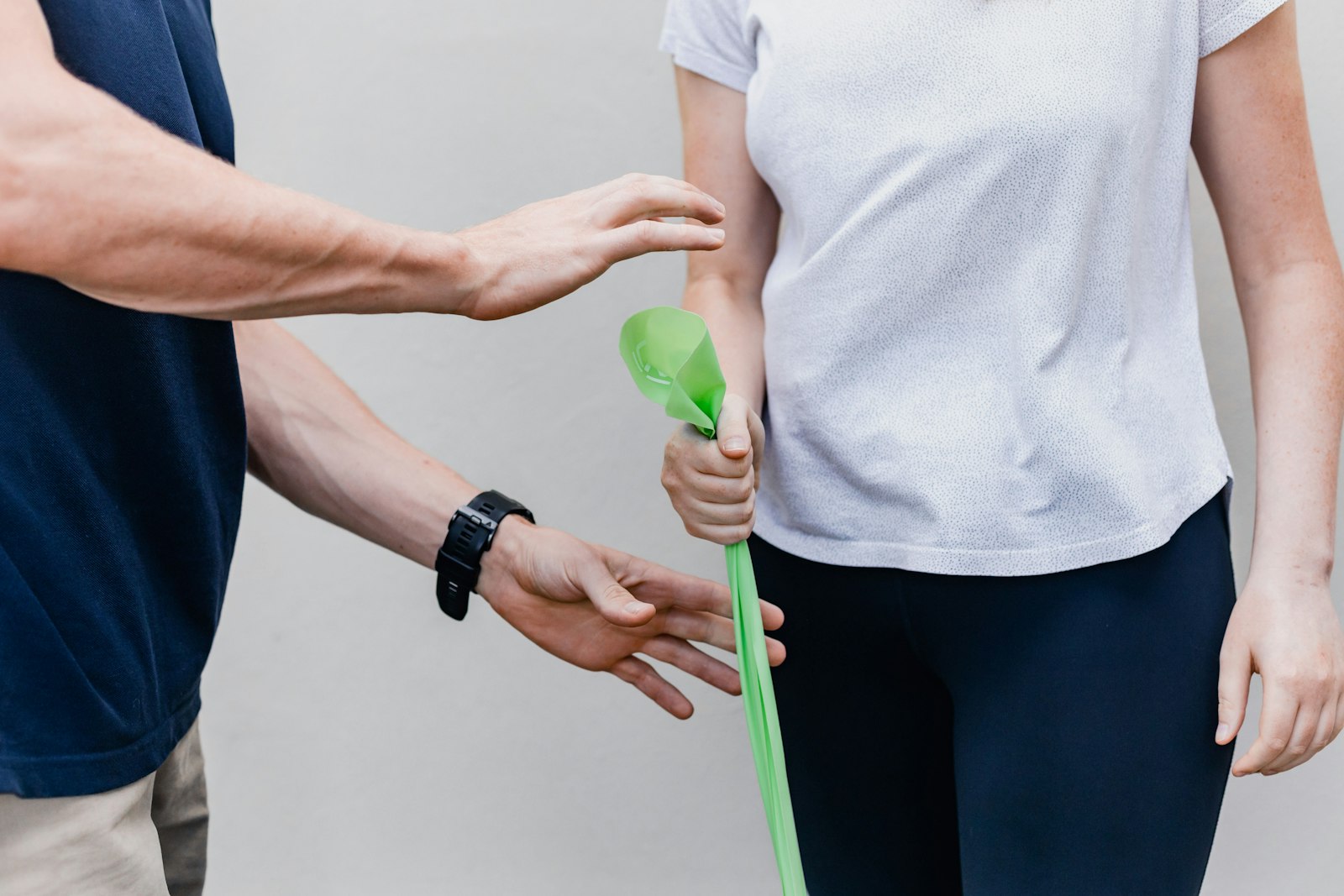
EMS physical therapy research caution: translating clinical PT research to fitness EMS contexts requires careful attention to differences in equipment, stimulation parameters, populations, and outcome measures.
Second, clinical NMES is delivered by licensed healthcare professionals — physiotherapists and occupational therapists — with clinical training, to patients who have been assessed, diagnosed, and are under ongoing medical management. Fitness EMS is delivered by fitness trainers to generally healthy adults seeking fitness outcomes. The supervision intensity, clinical context, and population characteristics are different.
Third, the outcomes measured in PT research — range of motion restoration, functional independence, specific rehabilitation milestones — are different from the outcomes typically claimed for fitness EMS, such as strength gains, body composition changes, and athletic performance improvements. Citing PT research in support of fitness EMS claims without acknowledging these contextual differences is a form of evidence misrepresentation that informed consumers should recognize.
Conclusion
EMS physical therapy research supports the broader scientific credibility of electrical muscle stimulation but should be interpreted carefully when used to justify fitness EMS claims.
The ethical and accurate communication about EMS physical therapy research requires acknowledging both what the research supports and the important limitations of applying clinical findings to fitness contexts.
Interested in EMS training? Explore our brand reviews and product reviews to find science-backed EMS systems, or compare options with our product comparison tool.
Frequently Asked Questions
Is EMS used by physiotherapists?
Yes. Neuromuscular electrical stimulation (NMES) is a standard modality in the physical therapy toolkit, used for post-surgical rehabilitation, neurological recovery, and muscle atrophy prevention among other applications. PT-grade EMS devices are distinct from fitness EMS suits in design and application but share the same fundamental electrical stimulation technology.
What conditions does clinical EMS research support?
The strongest clinical evidence is for post-surgical muscle rehabilitation (particularly quadriceps after knee surgery), with meaningful evidence for upper limb function after stroke, gait improvement with FES after neurological injury, and muscle atrophy prevention in immobilized patients. Less strong but meaningful evidence exists for other applications including older adult sarcopenia management.
Can fitness EMS claim to be therapeutic based on PT research?
Not without careful qualification. Physical therapy EMS research addresses different populations, protocols, clinical contexts, and outcomes than fitness WB-EMS. Fitness EMS drawing on PT research for credibility is legitimate when the relevant differences are acknowledged, but claims that conflate clinical NMES research directly with fitness EMS benefits misrepresent the evidence.
Is a physiotherapist’s EMS device the same as a fitness EMS suit?
No. Clinical NMES devices used in physical therapy are typically targeted devices designed to stimulate specific muscle groups with precise clinical control. Fitness WB-EMS suits are full-body or multi-zone devices designed for fitness training in a studio or home context. They share the fundamental technology but differ in design, application, and regulatory context.
Should I consult a physiotherapist before using EMS for rehabilitation?
Yes, for any rehabilitation application — including post-surgery, injury recovery, or management of a medical condition — consulting a qualified physiotherapist before using EMS is strongly recommended. A physiotherapist can assess suitability, design an appropriate protocol, and provide the clinical oversight that safe therapeutic EMS use requires.