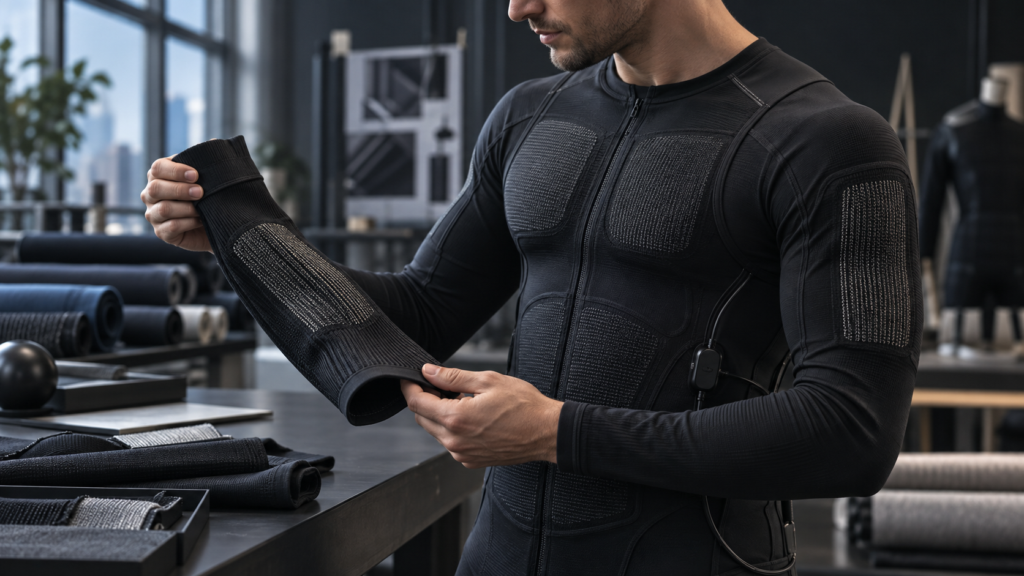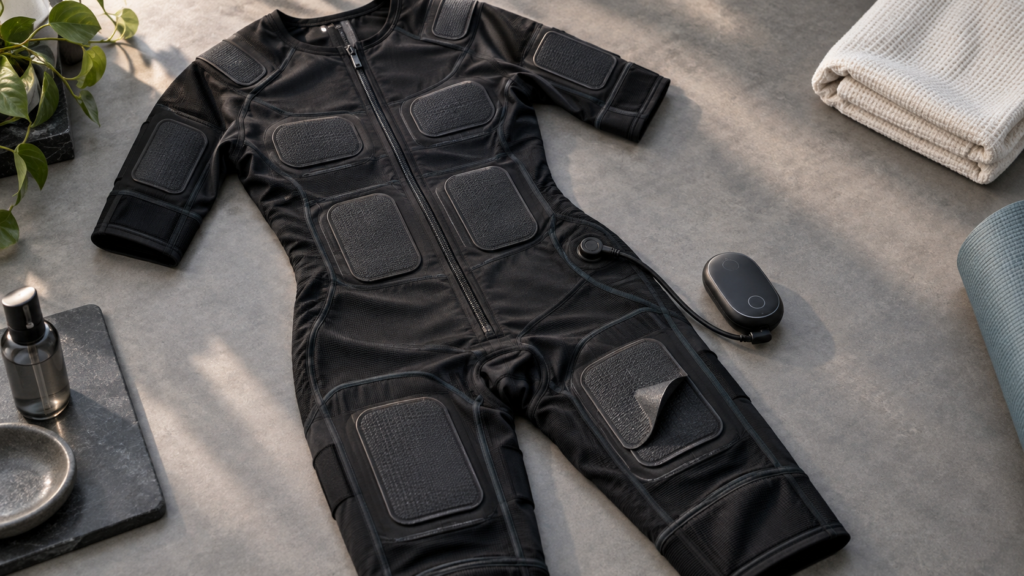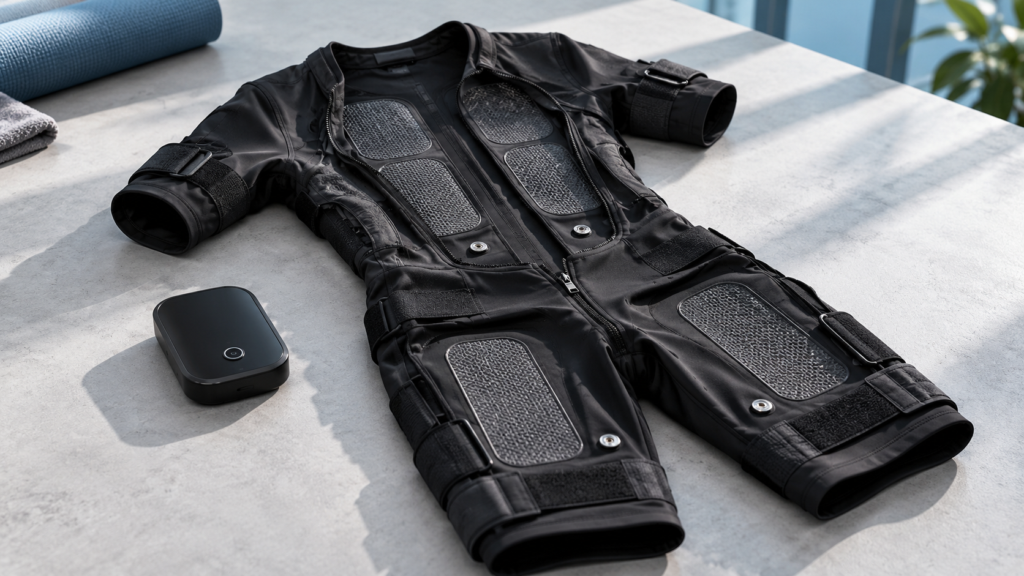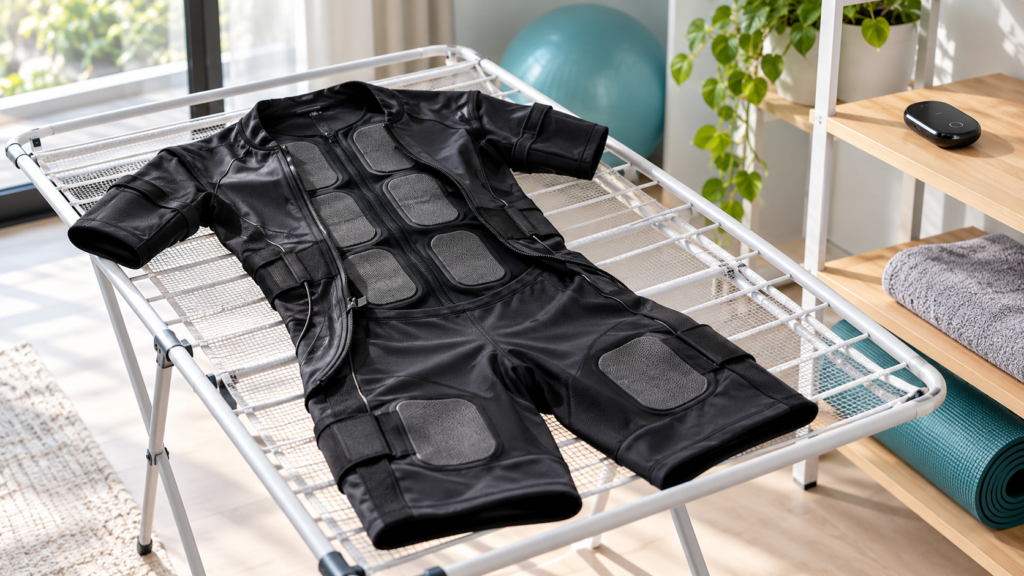

EMS tennis training represents a sophisticated approach to performance development for a sport that demands exceptional combinations of explosive power, agility, endurance, and technical skill. EMS tennis player conditioning can address the specific physical qualities that determine performance at the highest levels. Research into ems for tennis players improving reaction power and recovery continues to evolve as more studios adopt evidence-based approaches.
EMS tennis training is relevant for players seeking to develop the court speed, lower body power, and upper body strength that translate directly to competitive performance. Understanding ems for tennis players improving reaction power and recovery is key for any trainer looking to modernize their program.

This article examines how EMS training can benefit tennis players specifically — the physical qualities most relevant to EMS application in tennis, and how EMS can be integrated into a competitive tennis program practically and effectively. The evidence supporting ems for tennis players improving reaction power and recovery is growing steadily in the professional fitness space.
Tennis Physical Demands and EMS Relevance
EMS tennis training and explosive power research shows that EMS conditioning can develop the lower body power and shoulder strength that underpin tennis performance. For coaches exploring ems for tennis players improving reaction power and recovery, proper protocol design is essential.
EMS racket sport conditioning requirements: tennis demands explosive first-step quickness, rotational power for groundstrokes and serves, and shoulder stability for overhead movements. Clients asking about ems for tennis players improving reaction power and recovery deserve clear, evidence-informed guidance.
Electrical stimulation tennis performance development: EMS tennis training protocols can target the gluteal and quadriceps muscles for lower body power, the core for rotational stability, and the posterior shoulder for serve mechanics. The practical application of ems for tennis players improving reaction power and recovery varies depending on goals and client profile.
EMS tennis training and tournament scheduling: during tournaments where matches occur on consecutive days, EMS tennis training reduces to recovery-focused protocols, avoiding any conditioning load that could compromise performance.: Ems for tennis players improving reaction power and recovery
EMS tennis training recovery: tournament schedules create compressed recovery windows between matches. EMS tennis recovery protocols using low-frequency stimulation can support faster between-match recovery. Studios investing in ems for tennis players improving reaction power and recovery report strong client retention and satisfaction.
EMS tennis training recovery application research supports the use of EMS recovery protocols for athletes competing in multi-day events. Anyone serious about ems for tennis players improving reaction power and recovery should prioritize certified equipment and trained staff.
EMS tennis recovery during tournaments: low-frequency EMS targeting the worked muscle groups (particularly the legs for baseline players) can accelerate lactate clearance and reduce muscle soreness. The business case for ems for tennis players improving reaction power and recovery is supported by both research and real-world results.
EMS tennis training neural readiness for reaction: pre-match EMS activation may enhance the neural readiness needed for the rapid reaction required in elite tennis.
EMS tennis training for neural readiness: some tennis coaches use brief, low-intensity EMS activation protocols before match play to enhance neural readiness and motor unit recruitment. Getting the most from ems for tennis players improving reaction power and recovery requires consistent protocol and progress tracking.

EMS tennis training specificity: conditioning protocols should prioritize the muscle groups most relevant to the player’s game style — baseline players benefit most from lower body and rotational power development. Safety remains a top priority in any ems for tennis players improving reaction power and recovery program.
EMS tennis training for junior players: young players developing their physical foundation can benefit from EMS tennis training protocols that build strength and power with lower mechanical loading. Professionals offering ems for tennis players improving reaction power and recovery benefit from ongoing education and certification.
Conclusion
EMS tennis training represents a valuable addition to a comprehensive tennis development program when applied with sport-specific knowledge and periodized intelligently within the tennis training year.
EMS racket sport conditioning and EMS tennis recovery applications together address the two primary challenges in competitive tennis development: building the physical qualities needed for performance and managing the recovery demands of competition.
Ready to integrate EMS into your tennis training? Explore our brand reviews and product reviews, or compare systems with our product comparison tool.
Frequently Asked Questions
How can EMS help tennis players specifically?
EMS can benefit tennis players through lower-body power development for court movement, core and hip conditioning for kinetic chain power in shots, shoulder health management for the serving arm, and recovery support between matches during tournament weeks. The combination of performance and recovery applications is particularly valuable given the tennis competitive calendar.
Can EMS improve first-step quickness on court?
EMS conditioning targeting the lower-body explosive power and reactive strength qualities that underlie first-step quickness may contribute to improvements in court movement speed. The research is not tennis-specific, but the general evidence for EMS improving explosive lower-body neuromuscular qualities supports this application.
Is EMS useful during a tournament week?
Yes — EMS recovery applications are particularly valuable during tournament weeks when players compete multiple days in a row. Low-intensity recovery EMS applied to the legs and shoulder between matches supports blood flow and muscle recovery without adding training stress, helping players maintain physical quality throughout a tournament.
Should tennis players use EMS for shoulder conditioning?
EMS conditioning targeting the posterior rotator cuff and scapular stabilizers can complement conventional shoulder conditioning for tennis players — supporting the muscle balance needed to manage the repetitive external rotation stresses of serving and groundstroke play. This is best integrated into a comprehensive shoulder program with physiotherapy input.
How does EMS fit into a tennis training week?
During non-tournament periods, EMS conditioning sessions fit 1-2 times per week alongside conventional strength and court training. Recovery EMS can be used after heavy training days or matches. During tournament weeks, the emphasis shifts to recovery EMS between matches, with conditioning work minimal to avoid additional fatigue during competition.