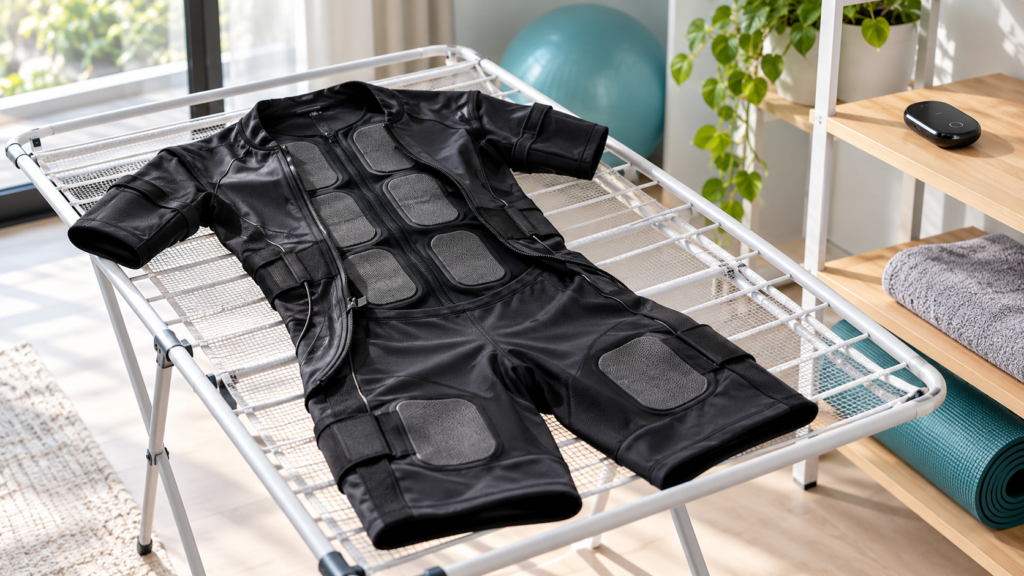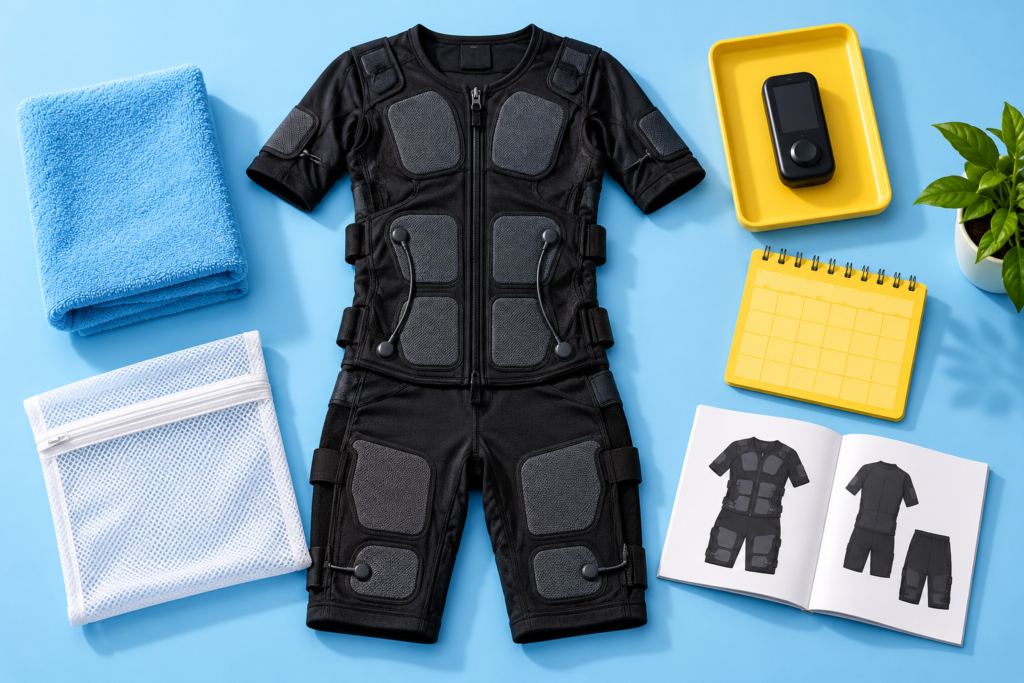
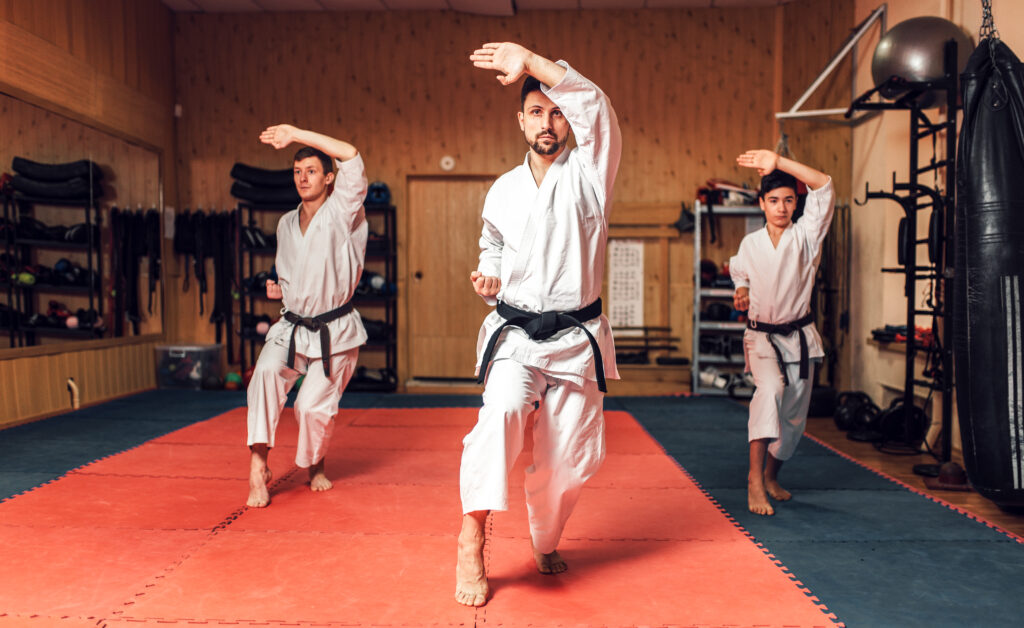
EMS martial arts training integration offers combat athletes targeted advantages in three key areas: explosive strength development, recovery optimization during high-volume training camps, and targeted muscle conditioning that complements the sport-specific skills training that dominates combat sport preparation. Research into ems for martial artists and combat athletes continues to evolve as more studios adopt evidence-based approaches.
EMS martial arts training is relevant across the spectrum of combat sports — from striking arts like boxing and karate to grappling-dominant arts like wrestling and Brazilian jiu-jitsu, as well as mixed martial arts. Understanding ems for martial artists and combat athletes is key for any trainer looking to modernize their program.
EMS training has found growing interest among combat sport athletes and their conditioning coaches — both for the neuromuscular power development applications relevant to striking and explosive movement, and for the recovery support applications that help athletes manage the crushing training demands of preparation for competition. The evidence supporting ems for martial artists and combat athletes is growing steadily in the professional fitness space.
Physical Demands of Combat Sports and EMS Relevance
EMS martial arts training physical demands: combat sports require explosive rotational power, upper and lower body strength, anaerobic capacity, and the ability to absorb and generate force repeatedly over multiple rounds. For coaches exploring ems for martial artists and combat athletes, proper protocol design is essential.
EMS combat sports conditioning research demonstrates that EMS can develop the fast-twitch muscle activation that underlies explosive striking and takedown power. Clients asking about ems for martial artists and combat athletes deserve clear, evidence-informed guidance.
EMS martial arts training for strength development: EMS conditioning can target the specific muscle groups that power combat sport movements — the core, hip extensors, and upper back. The practical application of ems for martial artists and combat athletes varies depending on goals and client profile.
EMS martial arts training explosive power development: EMS protocols emphasizing high-frequency stimulation (80-100 Hz) develop the fast-twitch fiber activation that determines punching speed, kick power, and takedown explosiveness.: Ems for martial artists and combat athletes
EMS martial arts training explosive power research supports EMS conditioning for developing the rotational power and lower body explosiveness that transfers to combat sport performance. Studios investing in ems for martial artists and combat athletes report strong client retention and satisfaction.
Electrical stimulation MMA training applications: for MMA fighters, EMS can target the posterior chain for takedown power, the core for rotational striking power, and the hip flexors for kick height and speed. Anyone serious about ems for martial artists and combat athletes should prioritize certified equipment and trained staff.
EMS boxing conditioning: boxers can use EMS to develop shoulder girdle endurance and rotational core power — the two primary physical qualities that support technical boxing performance over multiple rounds. The business case for ems for martial artists and combat athletes is supported by both research and real-world results.
EMS martial arts training for weight management: combat athletes often use EMS as part of weight cut management strategies, though EMS should never be used for dehydration-based weight reduction.
EMS martial arts training in competition camp: the primary value during fight camps is recovery support. High-volume sparring and drilling creates significant accumulated fatigue. Getting the most from ems for martial artists and combat athletes requires consistent protocol and progress tracking.
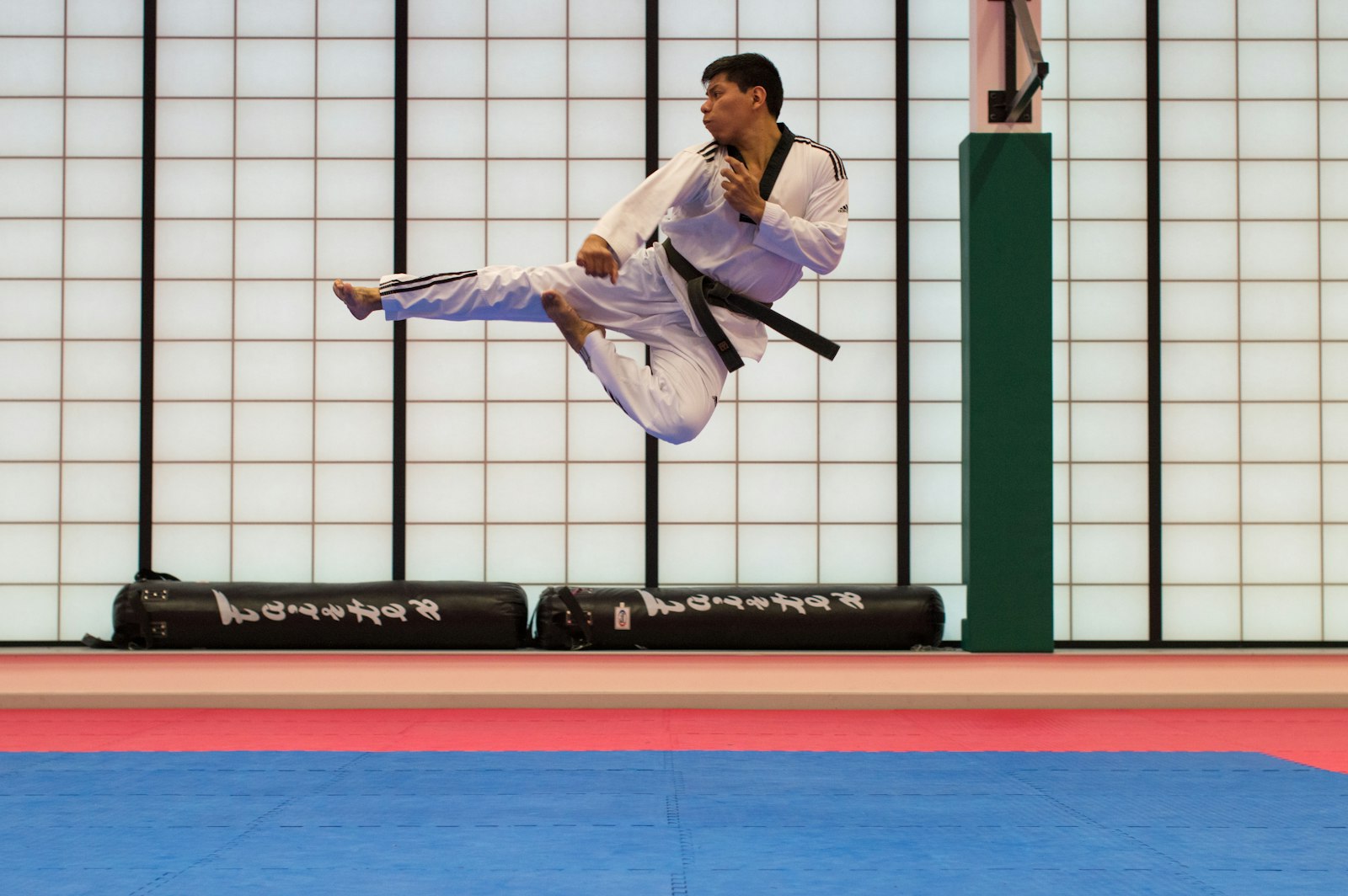
EMS wrestling training provides grappling athletes with targeted conditioning for the back, hip, and leg muscles that drive takedowns and control. EMS martial arts training for grapplers specifically targets the muscles that create the sustained force production needed for wrestling and jiu-jitsu. Safety remains a top priority in any ems for martial artists and combat athletes program.
EMS martial arts training periodization: during off-season, EMS martial arts training focus is on developing physical qualities. During fight camp, the emphasis shifts to recovery and maintenance. Professionals offering ems for martial artists and combat athletes benefit from ongoing education and certification.
EMS martial arts training in fight week: the week before competition, any EMS martial arts training should be limited to very low-intensity recovery protocols only, avoiding any conditioning load.
EMS martial arts training represents a practical and effective supplement to combat sport preparation when integrated thoughtfully within the constraints of already-demanding training schedules.
EMS combat sports applications are most valuable for strength development off-season and during fight camps for recovery, with the focus shifting based on the phase of the competitive cycle.
Ready to integrate EMS into your martial arts training? Explore our brand reviews and product reviews, or compare systems with our product comparison tool.
Frequently Asked Questions
Is EMS good for martial arts training?
EMS can supplement martial arts training effectively for two main purposes: developing explosive power in the muscles most relevant to striking and grappling, and supporting recovery between the high-volume training sessions that martial arts preparation demands. The specific applications depend on the martial discipline and training phase.
Can EMS improve punching or striking power?
EMS conditioning targeting the core, hip rotators, and shoulder complex — the primary power generators for striking — may support the explosive strength and rate of force development that contribute to striking velocity and impact. This application is theoretically grounded, though martial-arts-specific research is limited compared to general explosive power research.
How can MMA fighters use EMS during fight camp?
During fight camp, EMS is most useful for recovery support between twice-daily training sessions — using low-frequency recovery protocols to promote blood flow and reduce soreness accumulation. Some conditioning coaches also use EMS conditioning sessions for targeted power work, integrated carefully within the overall camp load.
Is EMS training appropriate for all combat sports?
EMS training can be adapted for virtually any combat sport, though the specific muscle groups targeted and the emphasis on conditioning versus recovery differs by discipline. Striking sports benefit most from hip, core, and shoulder conditioning protocols. Grappling sports benefit from posterior chain, hip, and grip-related conditioning. All combat sports benefit from recovery applications.
How often should combat athletes use EMS?
During high-volume training phases like competition camp, EMS recovery sessions can be used daily between training blocks at low intensity. EMS conditioning sessions — at higher intensity — should be limited to once or twice per week and integrated carefully within the overall training load to avoid accumulating additional fatigue.