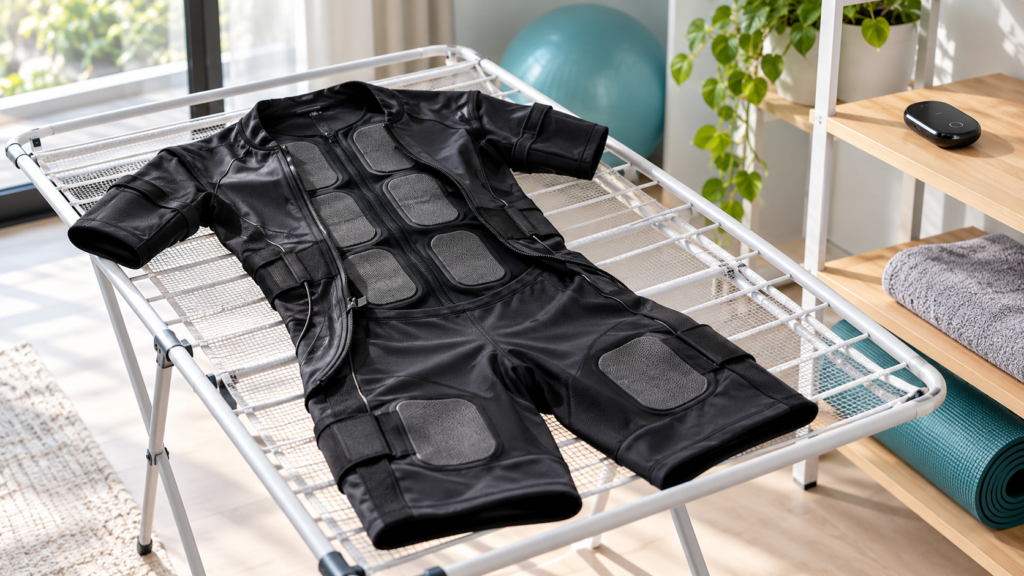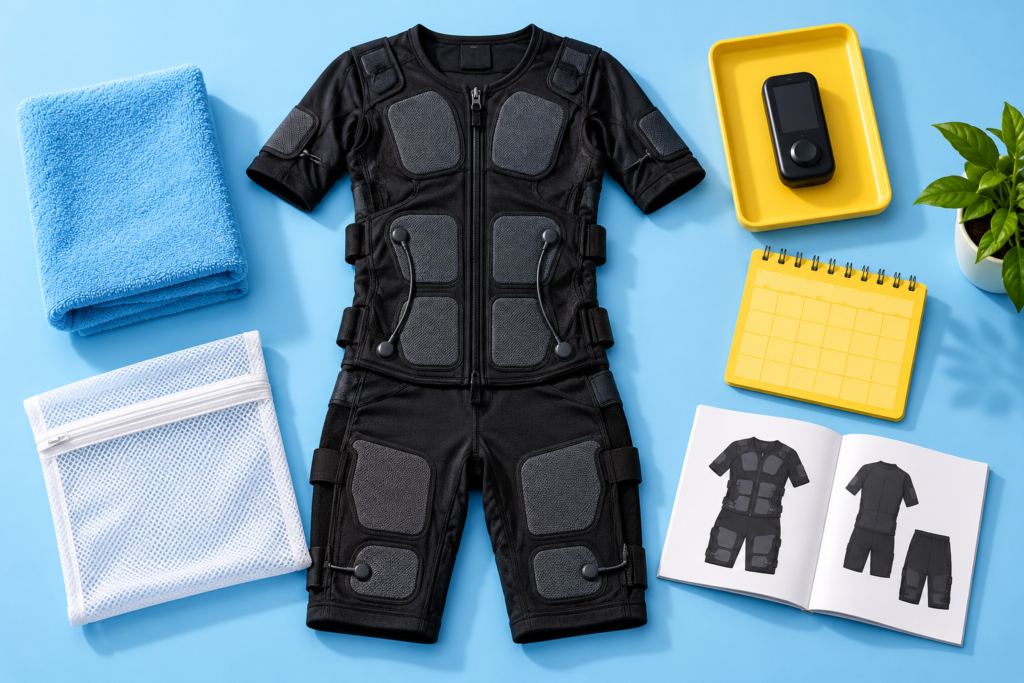
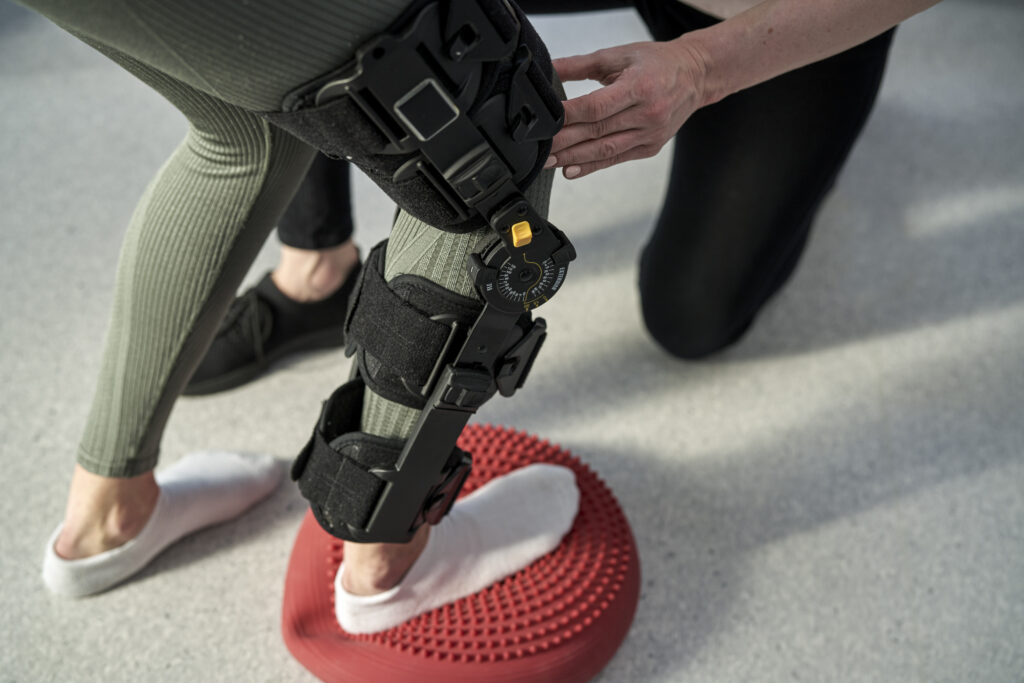
EMS knee rehab is one of the most extensively researched applications of electrical muscle stimulation in clinical settings. The knee’s unique combination of load-bearing function, injury prevalence, and post-injury muscle inhibition makes it an ideal target for EMS knee rehabilitation protocols. Research into ems for knee rehabilitation what research and clinicians say continues to evolve as more studios adopt evidence-based approaches.
EMS knee rehab addresses one of the central challenges in knee recovery: quadriceps atrophy and inhibition that develops rapidly after injury and surgery, often persisting even as pain and swelling resolve. Understanding ems for knee rehabilitation what research and clinicians say is key for any trainer looking to modernize their program.
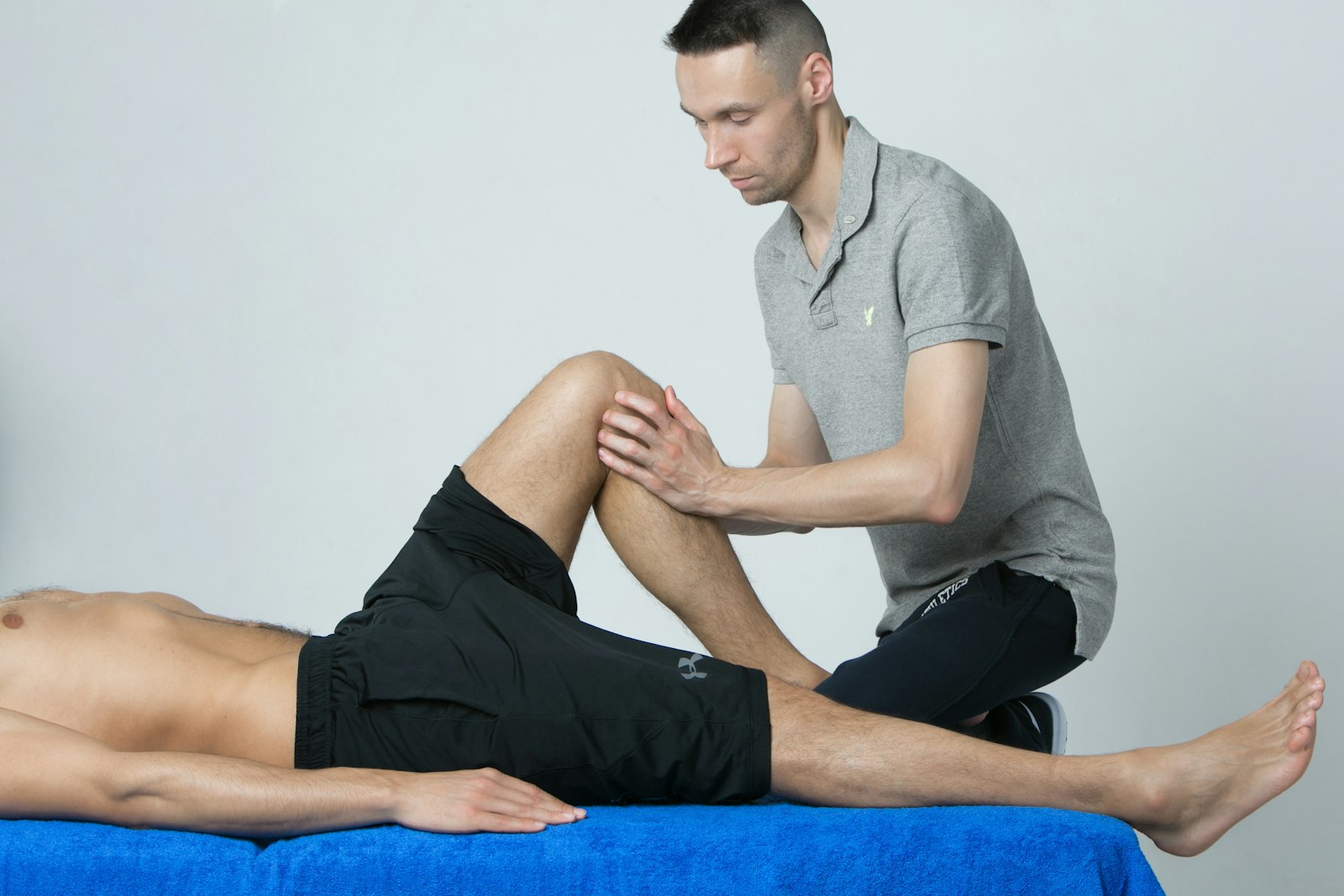
This article examines the major clinical contexts in which EMS is used for knee rehabilitation, what the research supports, and the important limitations and contraindications that govern its appropriate use. The evidence supporting ems for knee rehabilitation what research and clinicians say is growing steadily in the professional fitness space.
EMS in ACL Reconstruction Rehabilitation
EMS knee rehab for ACL reconstruction is among the most studied applications of electrical stimulation in sports medicine. The quadriceps atrophy and inhibition that follows ACL surgery can significantly prolong recovery if not addressed. For coaches exploring ems for knee rehabilitation what research and clinicians say, proper protocol design is essential.
EMS quadriceps activation knee rehabilitation: electrical stimulation ACL rehab has established protocols that use EMS to maintain quadriceps mass and motor unit recruitment during the early post-operative period. Clients asking about ems for knee rehabilitation what research and clinicians say deserve clear, evidence-informed guidance.
EMS knee rehab ACL reconstruction research consistently shows that patients receiving NMES/EMS have better quadriceps strength outcomes at 12-16 weeks post-surgery compared to those receiving conventional rehabilitation alone. The practical application of ems for knee rehabilitation what research and clinicians say varies depending on goals and client profile.
EMS knee recovery after ACL surgery: the improved quadriceps function achieved through EMS knee rehab translates to faster return to sport timelines and better functional knee stability. Studios investing in ems for knee rehabilitation what research and clinicians say report strong client retention and satisfaction.
EMS for Knee Osteoarthritis: Ems for knee rehabilitation what research and clinicians say
EMS knee rehab for osteoarthritis applications have shown meaningful improvements in quadriceps strength and function, contributing to pain reduction and improved mobility. Anyone serious about ems for knee rehabilitation what research and clinicians say should prioritize certified equipment and trained staff.
EMS knee rehabilitation for osteoarthritis pain: research examining EMS for knee OA has found that the combination of strengthened quadriceps and improved neuromuscular control reduces joint loading and pain. The business case for ems for knee rehabilitation what research and clinicians say is supported by both research and real-world results.
EMS knee rehab protocols for OA: lower-intensity EMS targeting the quadriceps and VMO (vastus medialis oblique) helps correct the patellar tracking issues that often accompany knee OA. Getting the most from ems for knee rehabilitation what research and clinicians say requires consistent protocol and progress tracking.
For individuals with knee osteoarthritis, EMS training for quadriceps strengthening offers the specific advantage of producing muscle activation and strength gains without the full weight-bearing load of conventional resistance exercise — potentially allowing effective quadriceps conditioning in individuals whose knee pain makes conventional loaded exercise difficult to perform and sustain. Safety remains a top priority in any ems for knee rehabilitation what research and clinicians say program.
EMS for Other Knee Conditions
EMS knee rehab for other conditions: patellofemoral pain syndrome, meniscus rehabilitation, and other knee conditions can all benefit from EMS knee rehabilitation approaches that address the underlying muscle weakness. Professionals offering ems for knee rehabilitation what research and clinicians say benefit from ongoing education and certification.
Post-total knee replacement rehabilitation presents challenges similar to ACL rehabilitation in terms of quadriceps inhibition, and clinical EMS for quadriceps activation has been used in this context as well, with research supporting its value in early post-operative rehabilitation.
For sports-related knee conditions in active populations — including patellar tendinopathy, medial collateral ligament sprains, and general quadriceps or hamstring deconditioning after injury — EMS conditioning may be used as part of return-to-sport rehabilitation protocols, providing additional muscle activation stimulus during phases when voluntary loading is limited by pain or structural healing requirements.
Conclusion
EMS knee rehab represents an evidence-based rehabilitation tool with strong research support across multiple knee conditions. The applications range from acute post-surgical recovery to chronic knee condition management.
For clinicians and patients managing knee conditions, EMS knee rehabilitation provides a valuable tool for addressing the muscle weakness and inhibition that often perpetuate knee problems.
Looking for EMS systems suitable for recovery and rehabilitation use? Explore our brand reviews and product reviews, or compare options with our product comparison tool.
Frequently Asked Questions
Is EMS used in knee rehabilitation?
Yes — electrical stimulation (NMES/EMS) for quadriceps activation is a well-established and guideline-supported component of knee rehabilitation, particularly after ACL reconstruction where arthrogenic muscle inhibition prevents effective voluntary quadriceps activation. It is also used in knee osteoarthritis management and other knee conditions.
Can EMS help after ACL surgery?
Research strongly supports electrical stimulation of the quadriceps as a component of post-ACL reconstruction rehabilitation. Multiple randomized controlled trials have found NMES/EMS produces better quadriceps strength recovery and functional outcomes than conventional rehabilitation alone. Current clinical guidelines support its use in this indication.
Does EMS help knee osteoarthritis?
Research examining EMS for knee osteoarthritis has found consistent improvements in quadriceps strength, pain scores, and functional mobility measures. EMS is supported as a useful adjunct to comprehensive knee osteoarthritis management — particularly for quadriceps strengthening in individuals whose knee pain makes conventional loaded exercise difficult to sustain.
Can I use an EMS suit at home for knee rehabilitation?
Consumer EMS devices may be used for general quadriceps maintenance and conditioning, but knee rehabilitation EMS — particularly after surgery or for diagnosed conditions — should be prescribed and monitored by a physiotherapist or sports medicine physician. Home EMS use for diagnosed knee conditions should be with professional guidance on appropriate protocols and contraindications.
Are there contraindications to EMS for knee conditions?
EMS is contraindicated in certain knee contexts including the presence of active deep vein thrombosis, open wounds or skin conditions at electrode sites, certain implantable devices near the treatment area, and acute inflammatory flares of inflammatory arthritis. Medical assessment before beginning EMS for any knee condition identifies individual contraindications and appropriate protocols.