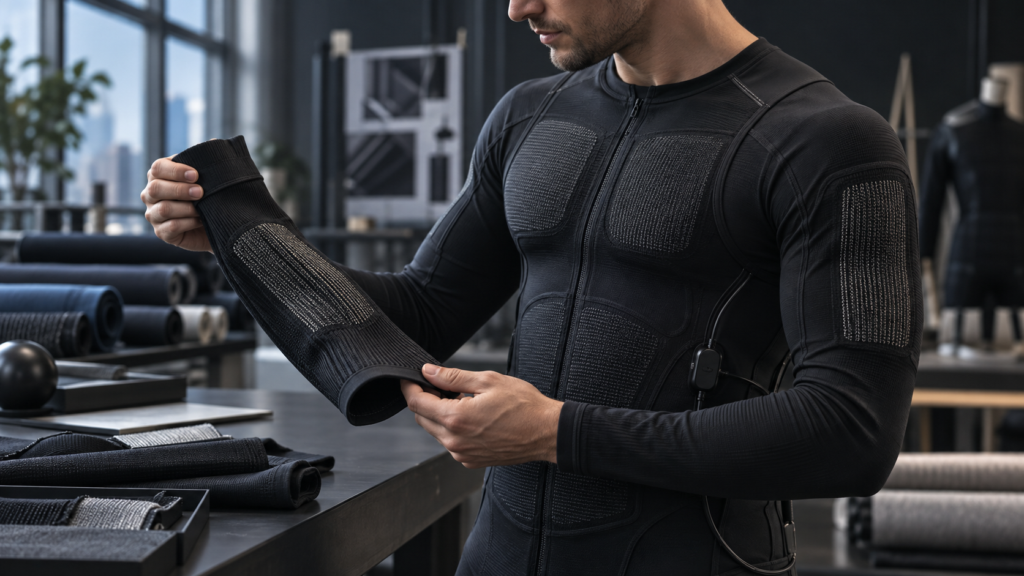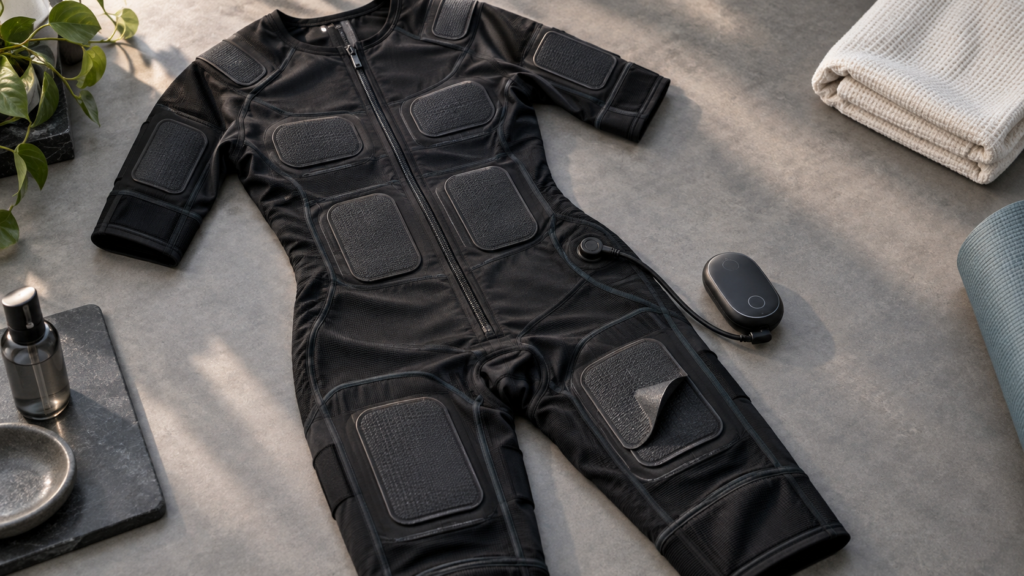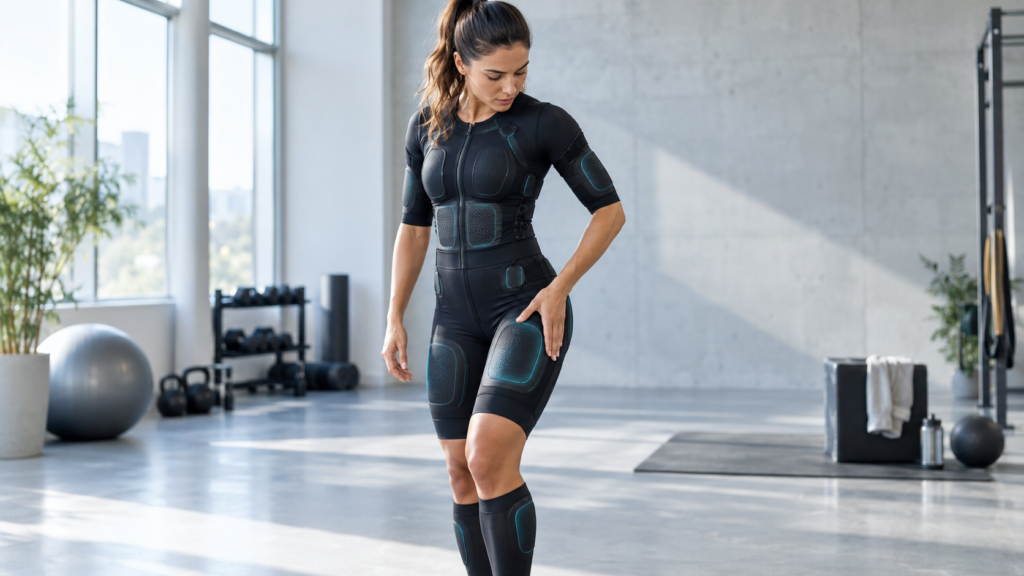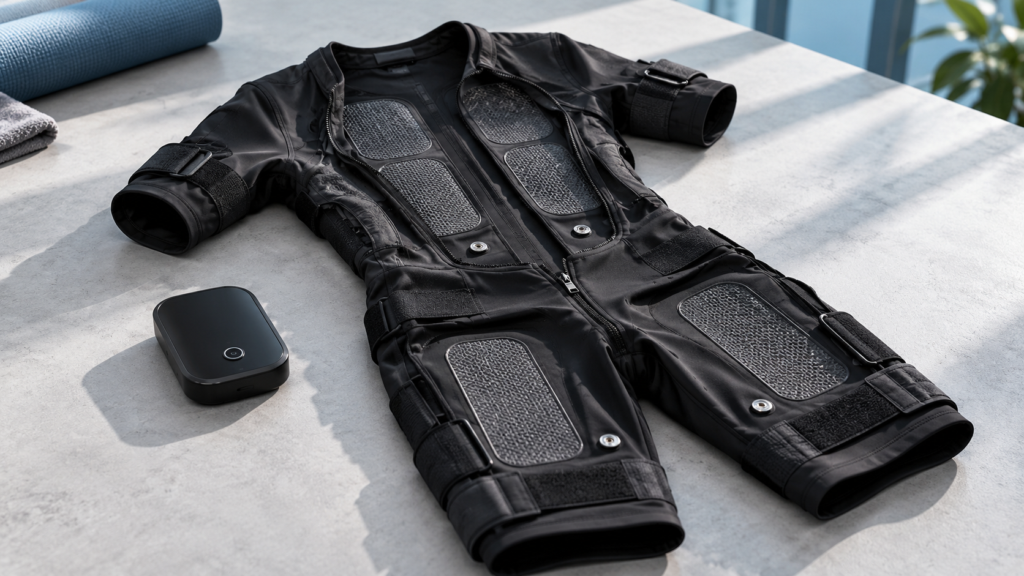
EMS hip flexor applications represent one of the most targeted uses of electrical muscle stimulation for muscle activation and rehabilitation. The hip flexors — primarily the iliopsoas and rectus femoris — play crucial roles in movement, yet are commonly either too tight or too weak depending on individual activity patterns. Research into ems for hip flexor activation and strengthening continues to evolve as more studios adopt evidence-based approaches.
EMS hip flexor work addresses a fundamental challenge in hip health: the inability to volitionally activate inhibited or weakened hip flexors effectively through conventional exercise alone. Understanding ems for hip flexor activation and strengthening is key for any trainer looking to modernize their program.
This article examines how EMS hip flexor protocols work, when they’re most useful, and how to integrate EMS hip activation into comprehensive hip health programs. The evidence supporting ems for hip flexor activation and strengthening is growing steadily in the professional fitness space.
Hip Flexor Dysfunction: Tightness, Weakness, and Their Consequences
EMS hip flexor implications: hip flexor tightness develops in sedentary lifestyles and from repetitive flexion activities. EMS hip flexor strengthening can address the weakness component of this pattern. For coaches exploring ems for hip flexor activation and strengthening, proper protocol design is essential.
EMS hip flexor activation research demonstrates that electrical stimulation can directly activate the hip flexors, including the deep iliopsoas, creating a training stimulus that conventional exercises often struggle to deliver. Clients asking about ems for hip flexor activation and strengthening deserve clear, evidence-informed guidance.
EMS hip mobility and hip flexor balance: sedentary populations often present with both shortened hip flexors and inhibited gluteal muscles. EMS hip flexor work combined with gluteal EMS can address both sides of this pattern simultaneously. The practical application of ems for hip flexor activation and strengthening varies depending on goals and client profile.

EMS Applications for Hip Flexor Health: Ems for hip flexor activation and strengthening
EMS hip flexor strengthening applications: direct hip flexor EMS conditioning can develop the iliopsoas and rectus femoris for applications in running, jumping, kicking, and any sport that demands repeated hip flexion. Studios investing in ems for hip flexor activation and strengthening report strong client retention and satisfaction.
EMS hip activation for weakness: when hip flexors are genuinely weak — as in post-surgical atrophy or after periods of immobilization — EMS hip flexor protocols can directly address the weakness before voluntary strength training becomes possible. Anyone serious about ems for hip flexor activation and strengthening should prioritize certified equipment and trained staff.
Electrical stimulation hip flexors for rehabilitation: EMS is used clinically to maintain or rebuild hip flexor function following hip surgery, hip fractures, and conditions that limit voluntary movement. The business case for ems for hip flexor activation and strengthening is supported by both research and real-world results.
WB-EMS training that activates both the gluteal complex and the hip flexors within the same session may support the overall improvement of hip neuromuscular balance — improving the relative activation and strength of the hip extensors while maintaining appropriate hip flexor function — which is the target of most hip-focused athletic conditioning work. Getting the most from ems for hip flexor activation and strengthening requires consistent protocol and progress tracking.
Integrating EMS Into a Hip Flexor Health Program
EMS hip flexor integration with stretching: EMS hip flexor strengthening and flexibility work address different aspects of hip flexor health. EMS strengthens; stretching addresses extensibility. Both are typically needed together. Safety remains a top priority in any ems for hip flexor activation and strengthening program.
For desk workers, a brief daily low-intensity EMS gluteal activation routine — even 10 to 15 minutes of low-intensity stimulation during seated work using appropriate placement — may help maintain gluteal activation and counteract the inhibitory effects of prolonged sitting on glute recruitment. This is a preventive and maintenance application rather than a treatment protocol. Professionals offering ems for hip flexor activation and strengthening benefit from ongoing education and certification.
For athletes addressing hip flexor restrictions as a performance limitation, EMS is best used alongside active hip extension exercises, hip flexor mobility work, and sport-specific training that incorporates full hip extension range of motion. The EMS component supports the neuromuscular activation quality; the conventional exercises develop the mobility and strength in functional patterns.
Conclusion
EMS hip flexor applications offer targeted solutions to one of fitness’s most common dysfunctional patterns. Whether for athletic performance, rehabilitation, or general wellness, EMS hip flexor work provides direct access to muscles that are difficult to isolate and activate voluntarily.
EMS hip flexor protocols should be designed based on individual assessment: whether the primary issue is weakness, inhibition, or supporting overall hip mobility will determine the appropriate stimulation parameters.

Looking for EMS systems for targeted muscle activation? Explore our brand reviews and product reviews, or compare options with our product comparison tool.
Frequently Asked Questions
Can EMS strengthen hip flexors?
EMS can directly activate and strengthen the hip flexors by applying electrical stimulation to the iliopsoas and rectus femoris. This application is most useful in rehabilitation contexts where hip flexor weakness is the primary concern. For typical hip flexor tightness in desk workers, EMS gluteal activation may be equally or more beneficial through the mechanism of reciprocal inhibition.
Does EMS help with tight hip flexors?
EMS gluteal activation may indirectly support hip flexor extensibility through reciprocal inhibition — activating the hip extensors tends to facilitate relaxation in the opposing hip flexors. EMS works best for hip flexor tightness as part of a comprehensive program including stretching and mobility work rather than as a standalone intervention.
Can EMS help prevent lower back pain from tight hip flexors?
By supporting the restoration of hip flexor and gluteal balance, EMS training may contribute to reducing the postural and movement compensations that link hip flexor tightness to lower back pain. This is a supportive role within a comprehensive approach to lower back pain prevention that includes posture correction, movement habit modification, and targeted strengthening.
Is EMS useful for desk workers with hip flexor issues?
Yes — desk workers are among the populations most affected by chronic hip flexor tightness from prolonged sitting. EMS gluteal activation as a daily maintenance routine can help counteract the effects of prolonged sitting on hip neuromuscular balance. Combined with regular standing and movement breaks and hip mobility work, EMS provides a targeted contribution to desk worker hip health.
How is EMS for hip flexors different from stretching?
Stretching addresses hip flexor extensibility — the range of motion available — while EMS conditioning addresses the strength and activation quality of both the hip flexors and the opposing gluteal muscles. Both address different dimensions of hip flexor health and are complementary rather than interchangeable. A comprehensive hip health program typically includes both.