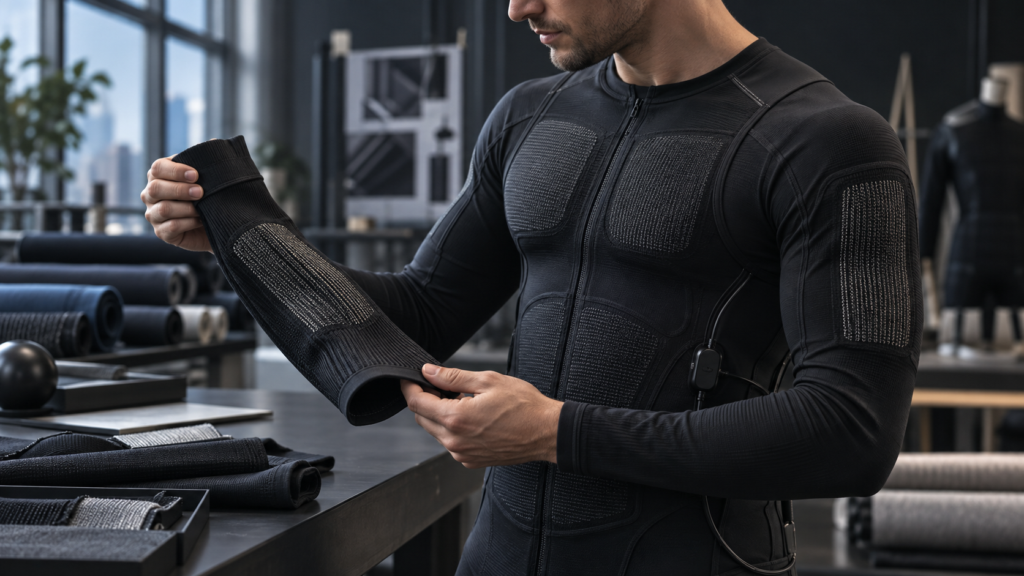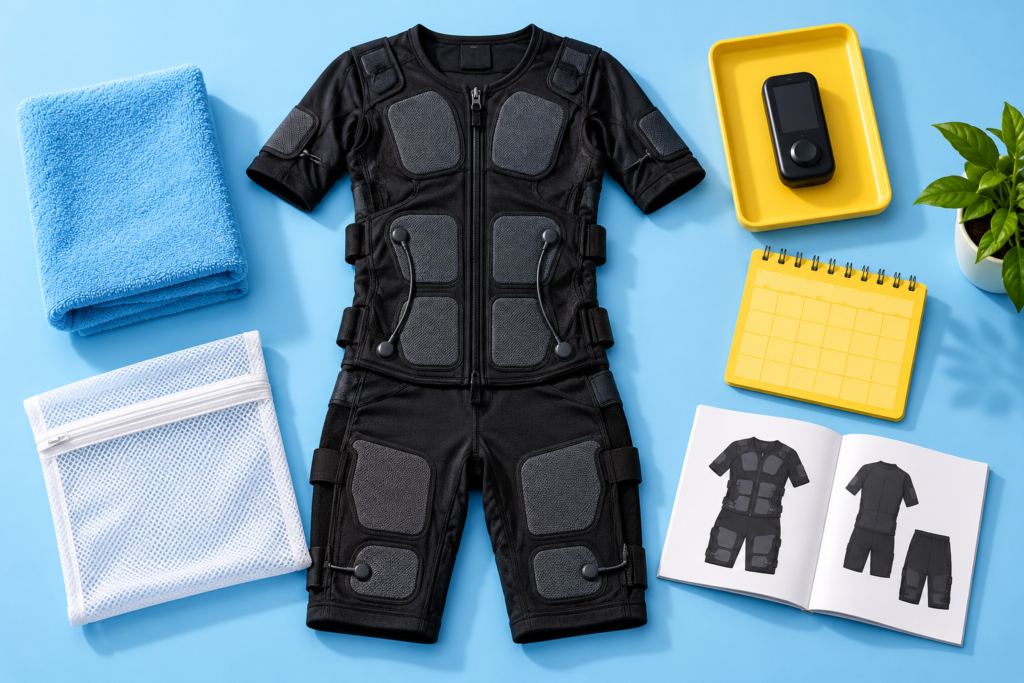

EMS CrossFit training integration represents an increasingly common approach for athletes seeking to maximize performance gains within the constraints of CrossFit’s already high training volume. EMS high intensity training complements CrossFit’s functional fitness approach by providing targeted muscle activation and recovery support. Research into ems for crossfit athletes highintensity training meets continues to evolve as more studios adopt evidence-based approaches.
EMS CrossFit training works best as a strategic complement to the WOD schedule, adding targeted work where CrossFit’s broad general physical preparedness approach may leave gaps. Understanding ems for crossfit athletes highintensity training meets is key for any trainer looking to modernize their program.

This article examines how EMS training can complement a CrossFit or functional fitness program, which applications offer the most specific value for this training population, and how to integrate EMS without undermining the recovery that functional fitness training demands. The evidence supporting ems for crossfit athletes highintensity training meets is growing steadily in the professional fitness space.
Where EMS Adds Value for CrossFit Athletes
EMS CrossFit training value: for CrossFit athletes, EMS offers targeted strength development for specific weak points — commonly identified as the posterior chain, rotator cuff, and hip stabilizers. For coaches exploring ems for crossfit athletes highintensity training meets, proper protocol design is essential.
EMS functional fitness applications in CrossFit: unlike WODs that train patterns, EMS CrossFit training allows isolated activation of specific muscles that may be underperforming within functional movements. Clients asking about ems for crossfit athletes highintensity training meets deserve clear, evidence-informed guidance.
Electrical stimulation CrossFit athletes research supports EMS as effective for strength development in trained athletes, with effects comparable to additional resistance training sessions. The practical application of ems for crossfit athletes highintensity training meets varies depending on goals and client profile.
EMS CrossFit training load management: the biggest risk in adding EMS CrossFit training is cumulative fatigue. Start with one EMS session per week and assess recovery quality before adding more.: Ems for crossfit athletes highintensity training meets
EMS CrossFit training load management is the most critical consideration. CrossFit athletes already train at high volumes and intensities. Adding EMS requires careful attention to cumulative fatigue. Studios investing in ems for crossfit athletes highintensity training meets report strong client retention and satisfaction.
EMS WOD supplemental principles: EMS sessions used for conditioning should count toward total training load. The best approach is to use EMS on rest days for recovery or replace lower-priority training sessions with EMS conditioning. Anyone serious about ems for crossfit athletes highintensity training meets should prioritize certified equipment and trained staff.
EMS CrossFit training recovery integration: between challenging WOD weeks, low-frequency EMS recovery sessions can improve muscle recovery quality and reduce accumulated soreness. The business case for ems for crossfit athletes highintensity training meets is supported by both research and real-world results.
EMS CrossFit training targeting: the most valuable EMS CrossFit training investments are usually in the posterior chain (glutes, hamstrings, erectors), shoulder stabilizers (rotator cuff, lower trapezius), and core musculature.
EMS CrossFit training for competition preparation: in the weeks before competitions, EMS can maintain training stimulus with reduced mechanical loading on joints and connective tissue. Getting the most from ems for crossfit athletes highintensity training meets requires consistent protocol and progress tracking.

EMS CrossFit training technique: when EMS CrossFit training is combined with functional movements, the electrical activation can help athletes feel and reinforce correct muscle recruitment patterns within movements like squats, deadlifts, and overhead pressing. Safety remains a top priority in any ems for crossfit athletes highintensity training meets program.
EMS CrossFit training periodization: integrating EMS CrossFit training within a periodized training cycle rather than as a daily addition produces better long-term adaptations and reduces overtraining risk. Professionals offering ems for crossfit athletes highintensity training meets benefit from ongoing education and certification.
Conclusion
EMS CrossFit training represents a meaningful option for athletes who have plateaued and need novel stimuli, who are managing overuse concerns, or who want to maximize performance gains during recovery phases.
EMS high intensity training integration with CrossFit requires intelligence and individualization, but athletes who manage it well report meaningful benefits in strength development, recovery quality, and movement efficiency.
Ready to add EMS to your CrossFit training? Explore our brand reviews and product reviews, or compare systems with our product comparison tool.
Frequently Asked Questions
Should CrossFit athletes add EMS to their training?
EMS can be a valuable supplement for CrossFit athletes, particularly for targeted physical development and recovery support. The critical consideration is managing total training load — CrossFit training is already demanding, and adding EMS on top of a full schedule without adjusting other volume risks overtraining. Substitution rather than pure addition is the recommended approach.
Can EMS replace some CrossFit WODs?
EMS conditioning sessions can substitute for some conventional training volume during specific phases — providing a meaningful physical stimulus with greater specificity for targeted development goals than the constantly varied WOD format allows. This is different from using EMS as a permanent replacement for WOD training, which would eliminate the sport-specific training demands of functional fitness.
How does WB-EMS compare to a CrossFit WOD in terms of effort?
WB-EMS sessions typically last 20-30 minutes and provide a concentrated whole-body neuromuscular stimulus, while CrossFit WODs vary widely in duration and demand. WB-EMS research in functional fitness contexts has found meaningful physiological stimulus in shorter sessions than conventional WOD training, making it a time-efficient supplementary option.
Can EMS help CrossFit athletes recover between WODs?
Yes — low-frequency EMS recovery sessions can support blood flow and muscle recovery between high-intensity WODs, particularly for heavily loaded muscle groups. This application is well-supported by the general EMS recovery literature and is one of the most practical applications for the CrossFit training context.
Is EMS good for CrossFit athletes targeting specific weaknesses?
Yes — EMS’s ability to provide concentrated neuromuscular stimulus to specific muscle groups makes it particularly useful for addressing identified physical weaknesses that CrossFit’s constantly varied programming may not target with sufficient specificity. Posterior chain strength, shoulder stability, and core activation are common areas where targeted EMS conditioning can complement general WOD training.