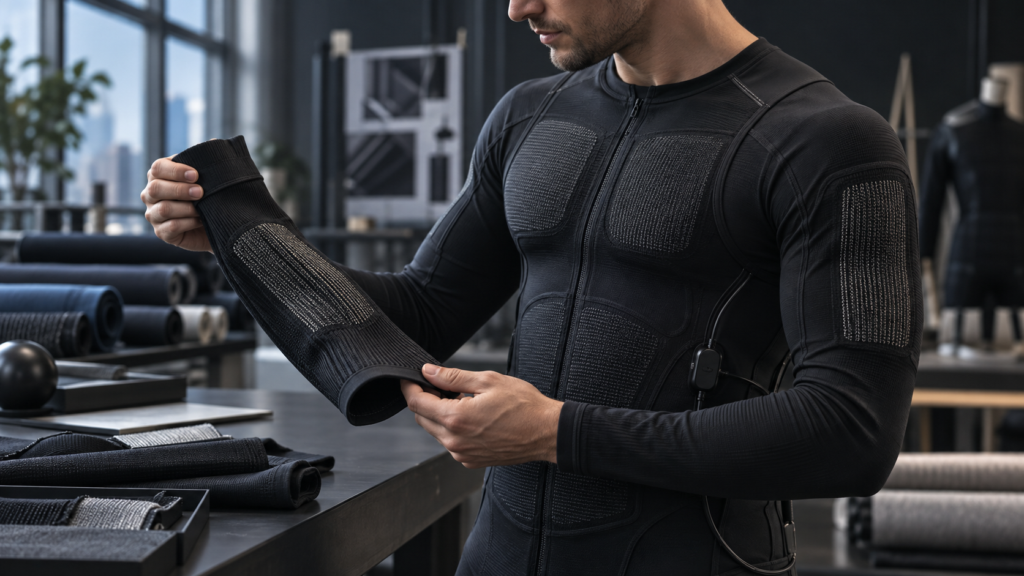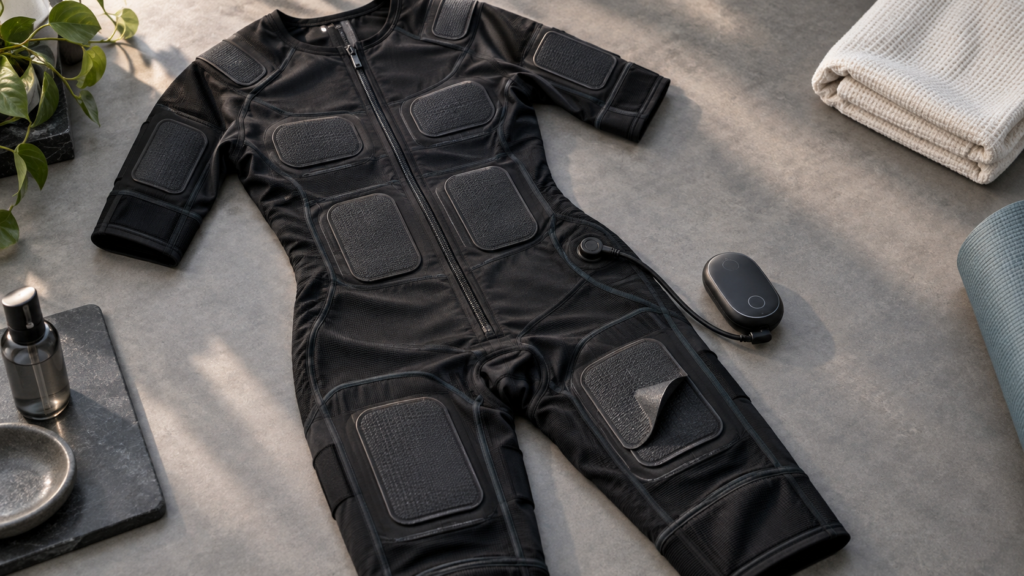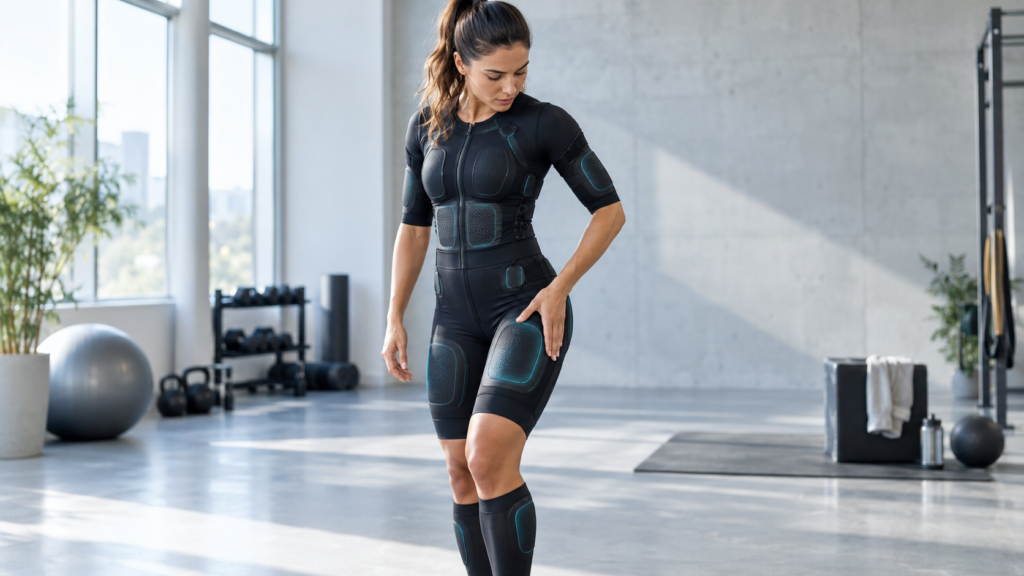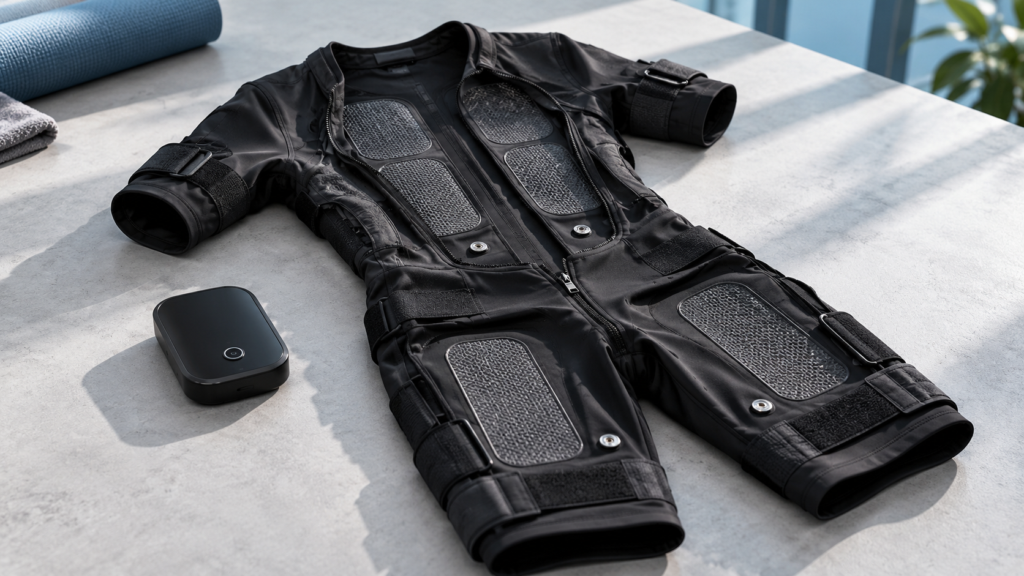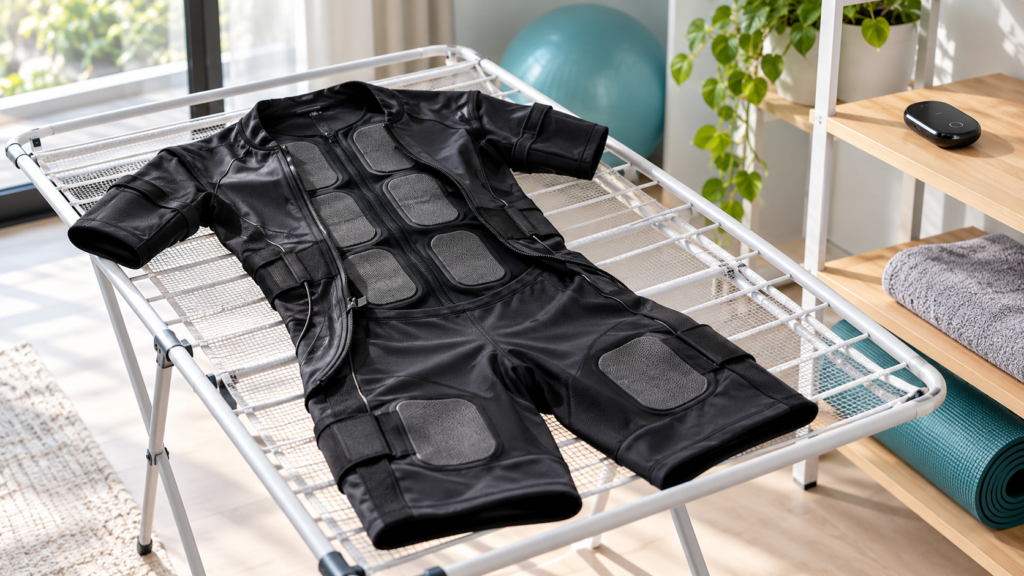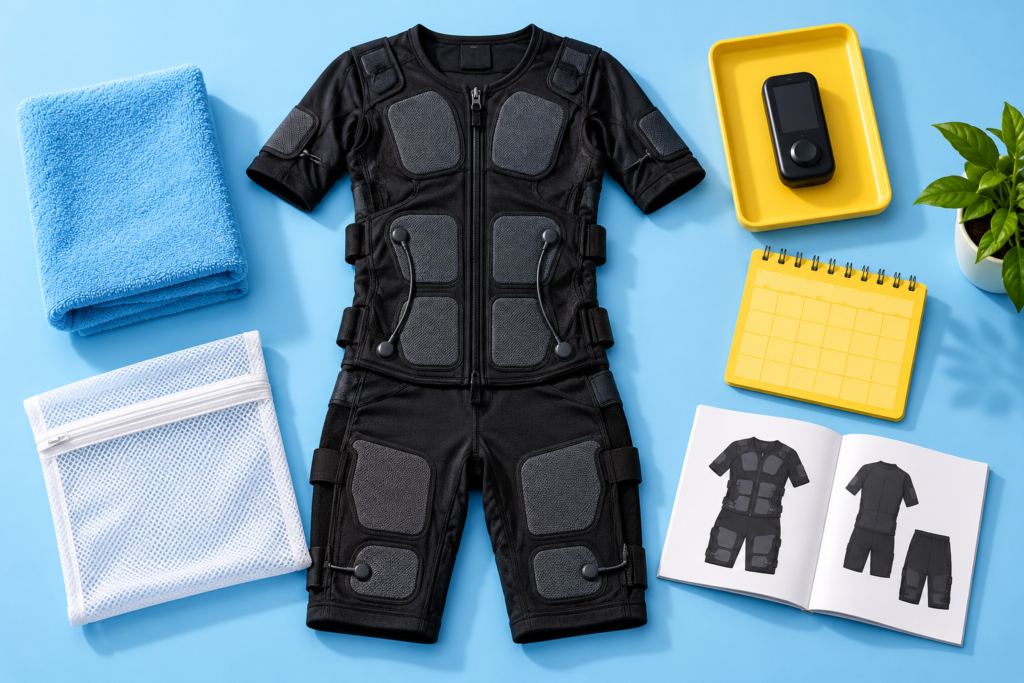

EMS joint-friendly training is one of the most significant practical advantages of electrical muscle stimulation: the ability to produce strong muscle contractions without requiring the mechanical loading of joints that conventional resistance training demands. Research into ems and jointfriendly training a lowimpact approach to continues to evolve as more studios adopt evidence-based approaches.
EMS joint-friendly training is relevant for people who cannot perform conventional exercise due to joint pain, injury, or post-surgical recovery, as well as healthy individuals seeking to minimize joint wear while maintaining training volume. Understanding ems and jointfriendly training a lowimpact approach to is key for any trainer looking to modernize their program.

This article examines why EMS is particularly valuable as joint-friendly training, which populations benefit most from this specific advantage, and how EMS can be integrated into an active lifestyle that maintains physical function despite joint limitations. The evidence supporting ems and jointfriendly training a lowimpact approach to is growing steadily in the professional fitness space.
The Joint Loading Problem in Conventional Training
EMS low impact exercise addresses the fundamental conflict in fitness: muscle development requires progressive loading, but heavy loading creates joint stress. In populations with joint limitations, this creates a training dilemma that EMS joint-friendly training can resolve. For coaches exploring ems and jointfriendly training a lowimpact approach to, proper protocol design is essential.
Conventional resistance training’s joint loading comes from external loads (weights) combined with body weight. For individuals with degenerative joints, inflammation, or post-surgical limitations, this loading can cause pain, inflammation, and further joint damage. Clients asking about ems and jointfriendly training a lowimpact approach to deserve clear, evidence-informed guidance.
EMS joint-friendly training research shows that electrical stimulation produces meaningful muscle contractions at minimal joint loading. The muscle force generated by EMS acts primarily along the length of the muscle, with far less joint compression than external loads. The practical application of ems and jointfriendly training a lowimpact approach to varies depending on goals and client profile.
EMS no joint load exercise for muscle activation: by using electricity rather than gravity and external loads to generate muscle tension, EMS joint-friendly training maintains the muscle conditioning benefits of resistance training without the joint stress.: Ems and jointfriendly training a lowimpact approach to
EMS joint-friendly training works by bypassing the need for external mechanical loading. Electrical impulses delivered directly to muscle tissue create contractions that are independent of joint position and loading. Studios investing in ems and jointfriendly training a lowimpact approach to report strong client retention and satisfaction.
EMS joint-friendly training is particularly valuable for the quadriceps and hip musculature — muscle groups that are both critical for function and among the most compromised in people with knee and hip joint conditions. Anyone serious about ems and jointfriendly training a lowimpact approach to should prioritize certified equipment and trained staff.
EMS electrical stimulation joint pain training protocols can target specific muscle groups selectively, allowing therapists and trainers to focus activation on muscles that support compromised joints without stressing the joint itself. The business case for ems and jointfriendly training a lowimpact approach to is supported by both research and real-world results.
Populations Who Benefit Most From EMS Joint-Friendly Training
EMS arthritis friendly training research identifies populations who benefit most: older adults with degenerative joint conditions, individuals recovering from joint surgery, people with chronic joint pain, and athletes managing training load around injured joints. Getting the most from ems and jointfriendly training a lowimpact approach to requires consistent protocol and progress tracking.
EMS joint-friendly training for older adults: as joint conditions become more prevalent with age, EMS offers a way to maintain the muscle mass and functional strength that support independence and quality of life. Safety remains a top priority in any ems and jointfriendly training a lowimpact approach to program.

EMS joint-friendly training for athletes: athletes managing training around injured joints can use EMS to maintain muscle conditioning in the affected area while resting the joint from conventional loading. Professionals offering ems and jointfriendly training a lowimpact approach to benefit from ongoing education and certification.
Individuals with inflammatory arthritis (rheumatoid arthritis, psoriatic arthritis) face variable joint involvement and pain that can make conventional exercise planning unpredictable. EMS can be adapted to avoid actively inflamed joints while still conditioning the surrounding musculature, providing training flexibility that conventional exercise does not allow.
Conclusion
EMS joint-friendly training provides a meaningful solution to the muscle maintenance challenge faced by people who cannot perform conventional exercise. The ability to maintain and develop muscle while minimizing joint stress is genuinely valuable.
For healthcare providers and fitness professionals working with joint-compromised populations, EMS joint-friendly training offers a protocol that can be adapted for a wide range of joint conditions.
Looking for joint-friendly EMS training options? Explore our brand reviews and product reviews, or compare options with our product comparison tool.
Frequently Asked Questions
Is EMS training safe for people with joint pain?
EMS training’s ability to activate muscles without heavy joint loading makes it a potentially valuable option for many people with joint pain. The specific suitability depends on the type and severity of joint condition — consulting with a healthcare provider before beginning EMS with significant joint conditions is important to identify any contraindications and appropriate protocols.
Can EMS strengthen muscles without stressing the joints?
EMS produces muscle contractions through direct electrical activation that does not require external mechanical loading of the joint. This allows meaningful muscle conditioning without the joint compression and shearing forces of conventional resistance training — the core of EMS’s joint-friendly advantage for people with arthritic or injured joints.
Is EMS good for people with arthritis?
EMS may be appropriate for people with arthritis for muscle strengthening around affected joints — reducing joint stress through better muscular support. The specific application depends on the type of arthritis (osteoarthritis vs. inflammatory arthritis), which joints are affected, and current disease activity. Medical guidance is important before beginning EMS with arthritis.
Can I use EMS if I have had joint replacement surgery?
EMS has been used clinically in post-joint replacement rehabilitation for quadriceps and surrounding muscle activation. Specific protocols and timing should be guided by the surgical team and physiotherapist. Consumer EMS use during joint replacement recovery should always be discussed with the treating medical team before being started.
How does EMS compare to water exercise for joint-friendly training?
EMS and aquatic exercise (hydrotherapy) are both valued joint-friendly training approaches that reduce joint loading. Aquatic exercise provides cardiovascular and functional movement training with buoyancy-reduced joint stress; EMS provides more targeted muscle activation without movement. They serve complementary purposes and can be combined as part of a joint-friendly exercise program.