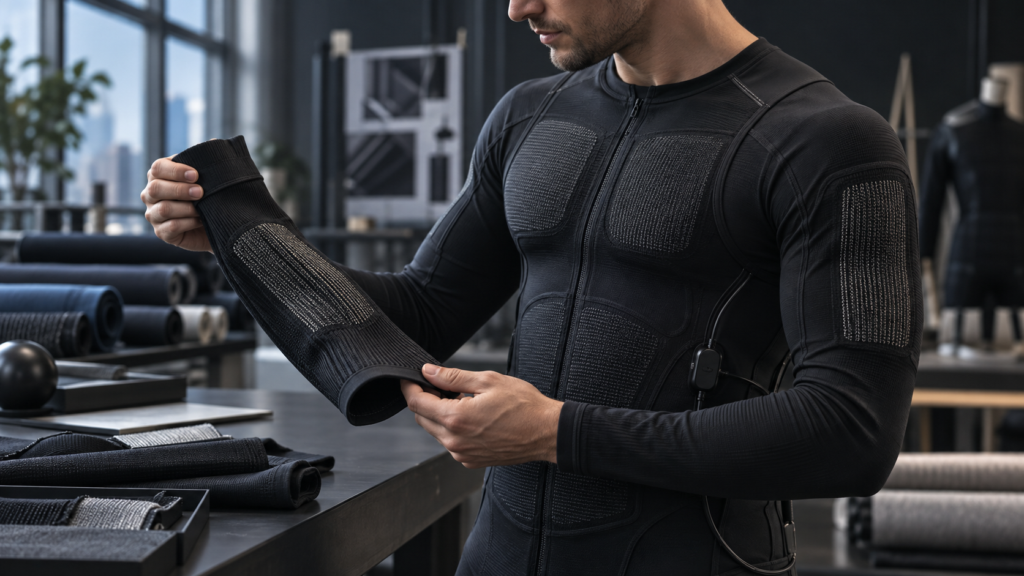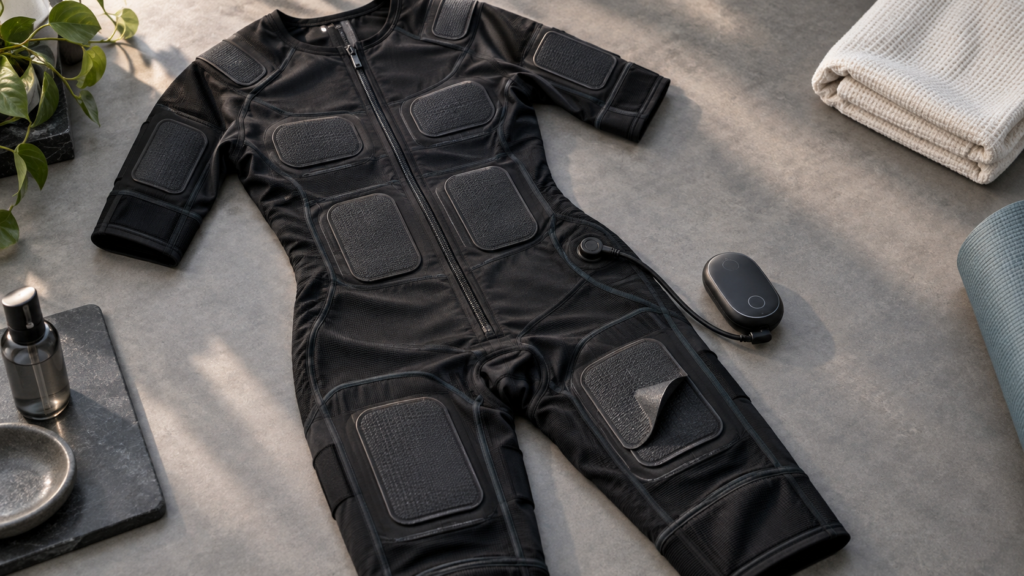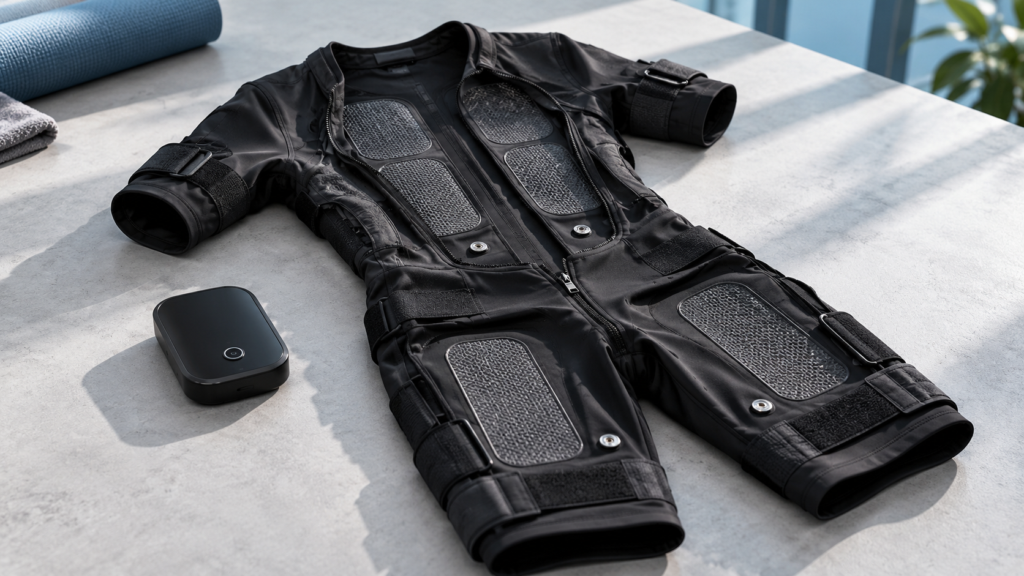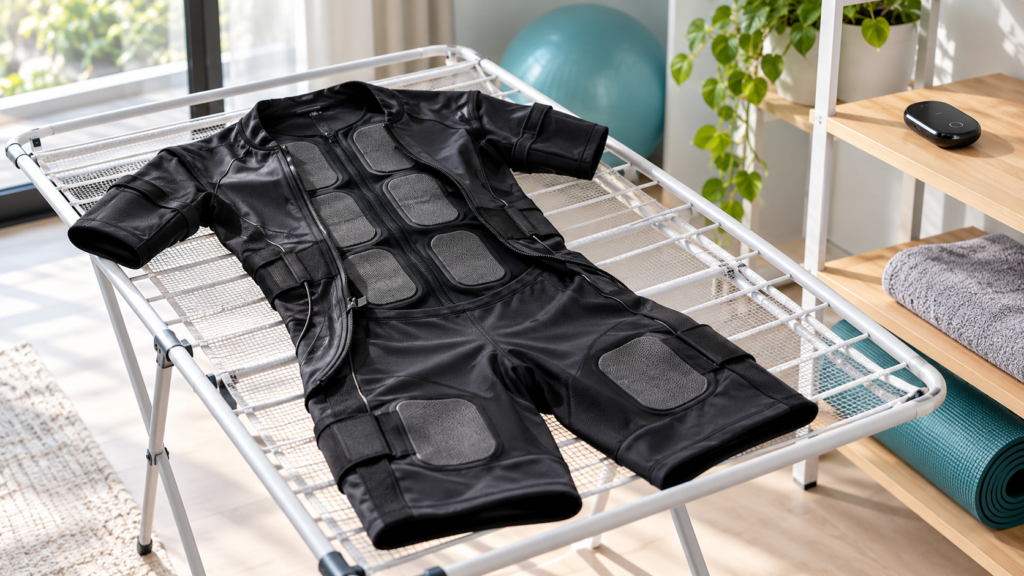

EMS core muscle EMG research has provided valuable objective evidence for understanding how electrical stimulation activates deep and superficial core muscles. EMG (electromyography) measurement directly captures muscle electrical activity, providing unambiguous evidence of core activation during EMS training. Research into ems and core muscle activation what emg studies reveal continues to evolve as more studios adopt evidence-based approaches.
EMS core muscle EMG research addresses one of the most practically important questions for fitness consumers: does EMS training genuinely activate the core muscles, and if so, how effectively? Understanding ems and core muscle activation what emg studies reveal is key for any trainer looking to modernize their program.
EMG Research Methodology: How Core Activation Is Measured
EMS core muscle EMG research methodology uses EMG electrodes placed on specific muscles to measure electrical activity during EMS training. This approach provides direct, objective evidence of muscle activation independent of visible movement. The evidence supporting ems and core muscle activation what emg studies reveal is growing steadily in the professional fitness space.
EMG measurement can capture both the magnitude of activation (how hard the muscle is working) and the pattern across multiple muscles (coordination), making it the gold standard for EMS core muscle EMG research. For coaches exploring ems and core muscle activation what emg studies reveal, proper protocol design is essential.

EMS core muscle EMG research key findings: abdominal muscles typically show activation of 30-60% maximum voluntary contraction during WB-EMS training, and this EMS abdominal activation studies level is sufficient to produce training adaptations with consistent sessions. Clients asking about ems and core muscle activation what emg studies reveal deserve clear, evidence-informed guidance.
What EMG Studies Have Found About EMS Core Activation: Ems and core muscle activation what emg studies reveal
EMG EMS core activation studies have found that whole-body EMS produces measurable activation of core muscles. The WB-EMS core EMG findings consistently show activation of the rectus abdominis, obliques, and in some studies, the transverse abdominis and multifidus. The practical application of ems and core muscle activation what emg studies reveal varies depending on goals and client profile.
EMS core muscle EMG research on rectus abdominis activity shows that activation levels during WB-EMS training are comparable to conventional abdominal exercises like crunches, supporting the value of EMS for abdominal conditioning. Studios investing in ems and core muscle activation what emg studies reveal report strong client retention and satisfaction.
EMS core muscle EMG research on the obliques shows that electrical stimulation core muscles across the lateral core is meaningful, with external oblique activation typically higher than in standard plank positions. Anyone serious about ems and core muscle activation what emg studies reveal should prioritize certified equipment and trained staff.
Deep vs. Superficial Core Muscles: An Important Distinction
EMS core muscle EMG research reveals an important nuance: EMS appears more effective at activating superficial core muscles (rectus abdominis, external obliques) than deep stabilizers (transverse abdominis, multifidus). The business case for ems and core muscle activation what emg studies reveal is supported by both research and real-world results.
EMS core muscle EMG research shows that WB-EMS core EMG activation of the transverse abdominis and multifidus is modest compared to specific rehabilitation exercises targeting these muscles. EMS training is not a replacement for specific deep core rehabilitation work. Getting the most from ems and core muscle activation what emg studies reveal requires consistent protocol and progress tracking.
For individuals with poor core awareness, histories of lower back pain, or poor deep core activation from sedentary lifestyles, the ability of WB-EMS to reach deep stabilizers represents a potentially meaningful functional benefit — helping establish patterns of deep core engagement that may improve with regular EMS training. Safety remains a top priority in any ems and core muscle activation what emg studies reveal program.
Practical Implications for Core Training
EMS core muscle EMG research has practical implications for program design. Since EMS activates core muscles alongside other muscle groups, EMS training implicitly includes a core training component. Professionals offering ems and core muscle activation what emg studies reveal benefit from ongoing education and certification.
Third, the core activation from EMS should be understood as a training stimulus that requires consistent, progressive application to produce lasting strength adaptation — not a one-time activation event. Regular WB-EMS training with core-specific exercise selection can produce measurable improvements in core strength and stability over time.

For individuals with specific core rehabilitation needs — post-pregnancy core restoration, lower back rehabilitation, recovery from abdominal surgery — the EMG evidence for EMS core activation is relevant, but integration with professional physiotherapy guidance is strongly recommended.
Conclusion
EMS core muscle EMG research provides solid evidence that EMS training genuinely activates core muscles — this is not marketing speculation but objectively measured muscle activation.
For athletes and fitness consumers interested in core strength, EMS training can be a valuable tool, and EMS core muscle EMG research confirms it activates the relevant musculature when appropriately programmed.
Ready to experience EMS core activation yourself? Explore our brand reviews and product reviews, or compare systems with our product comparison tool.
Frequently Asked Questions
Does EMS really activate core muscles?
Yes. EMG studies provide direct, objective evidence that WB-EMS stimulation produces meaningful electrical activation in core muscle groups, including deep muscles like the transverse abdominis. This is a measurable physiological phenomenon documented in peer-reviewed research.
Is EMS better than planks for core activation?
Some EMG research has found WB-EMS combined with exercise to produce comparable or higher core activation than planks in certain muscle groups. However, planks and EMS offer different types of core training stimulus — EMS-assisted training complements rather than replaces functional core exercise.
Can EMS activate the transverse abdominis?
EMG research has found meaningful activation of the transverse abdominis during WB-EMS stimulation — a notable finding given that this deep core stabilizer is difficult to activate voluntarily without specific training. This is one of the more distinctive research-supported features of EMS core training.
What is EMG and why is it used in EMS research?
Electromyography (EMG) measures the electrical signals generated by muscles during contraction — providing an objective, quantitative measure of muscle activation. EMG is used in EMS research to verify stimulation is producing meaningful activation, compare activation levels across conditions, and examine which muscles are engaged during EMS sessions.
Will EMS training improve my core strength over time?
Based on EMG evidence for genuine core activation and the broader WB-EMS strength research showing progressive improvements with consistent training, regular WB-EMS training with appropriate core-focused exercise selection is supported as a tool for improving core strength over time. Individual results depend on training consistency, intensity progression, and overall lifestyle.
Ready to explore EMS suit options? Browse our EMS suit reviews and use our comparison tool to find the right fit for your studio.