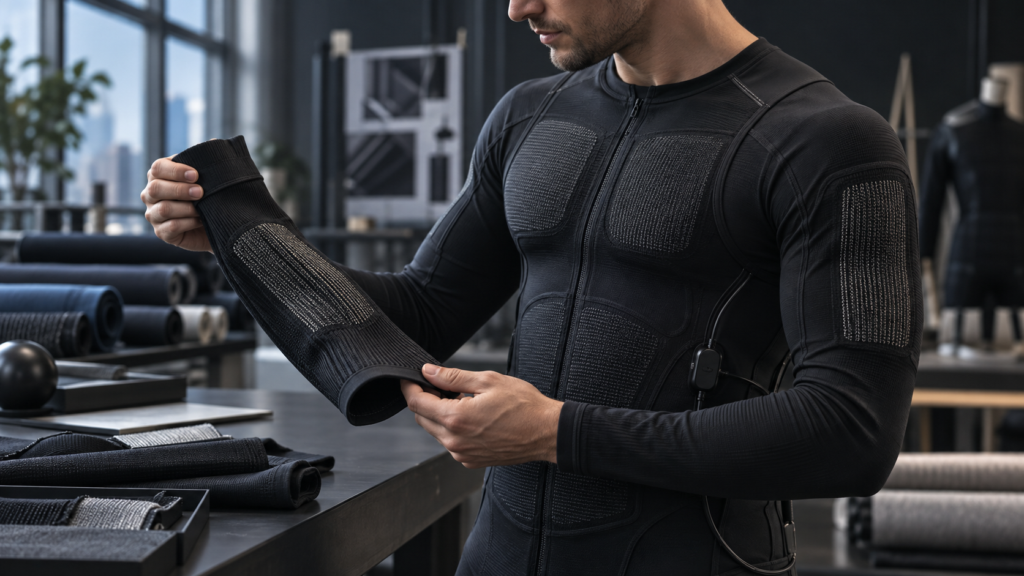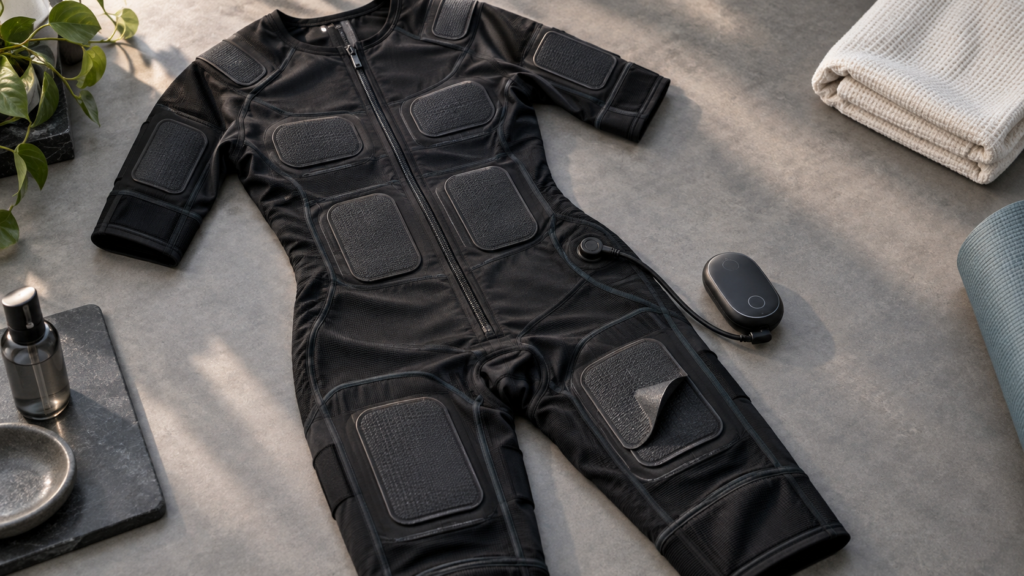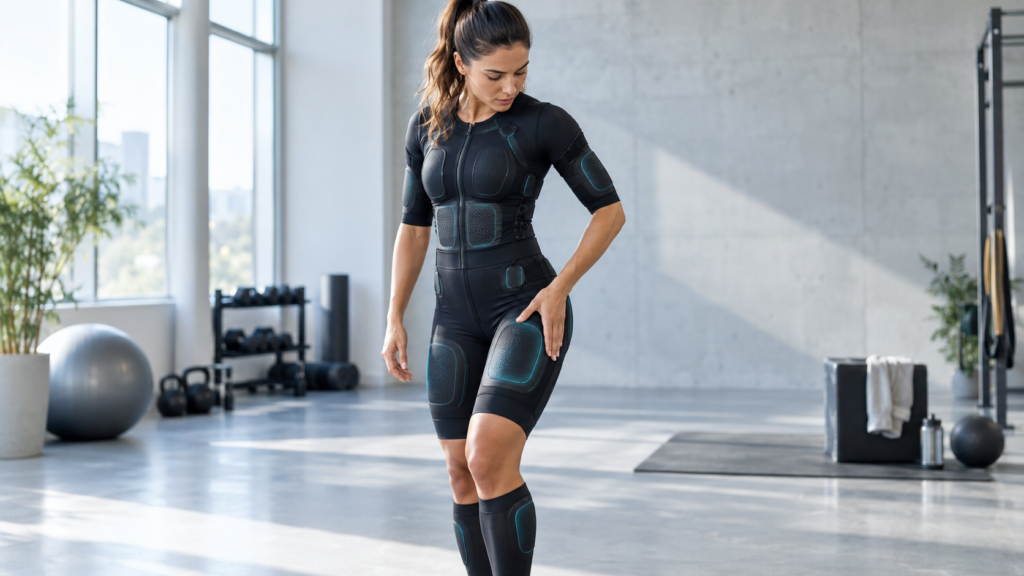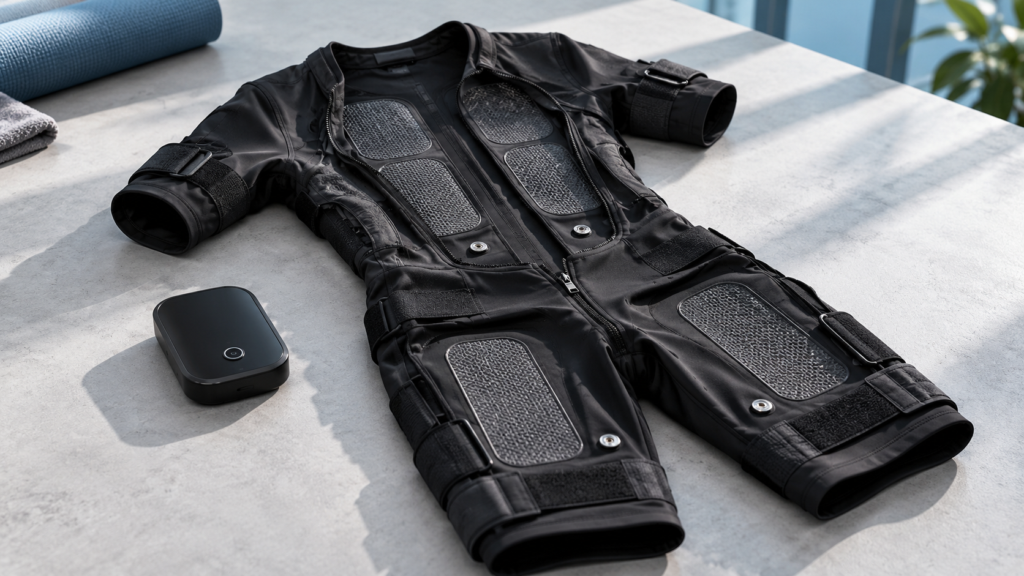
EMS bone density research is emerging as an important area of inquiry as whole-body EMS training has become more widespread. The question of whether EMS training influences bone mineral density is scientifically interesting and practically significant for the many people who use EMS as their primary resistance exercise. Research into ems and bone density is there a connection continues to evolve as more studios adopt evidence-based approaches.
Understanding EMS bone density effects requires understanding the established mechanisms by which exercise affects bone, and the specific differences between EMS and conventional mechanical loading. Understanding ems and bone density is there a connection is key for any trainer looking to modernize their program.
This article surveys the current evidence on EMS bone density research, what the clinical literature on EMS and bone health shows, and what fitness-grade EMS research contributes to the picture. The evidence supporting ems and bone density is there a connection is growing steadily in the professional fitness space.
How Exercise Influences Bone Density: The Mechanical Loading Framework
Bone adapts to mechanical loading through a process called bone remodeling, which is driven by bone cells sensing strain. EMS bone density implications depend on whether EMS creates sufficient mechanical strain to stimulate the bone remodeling response. For coaches exploring ems and bone density is there a connection, proper protocol design is essential.
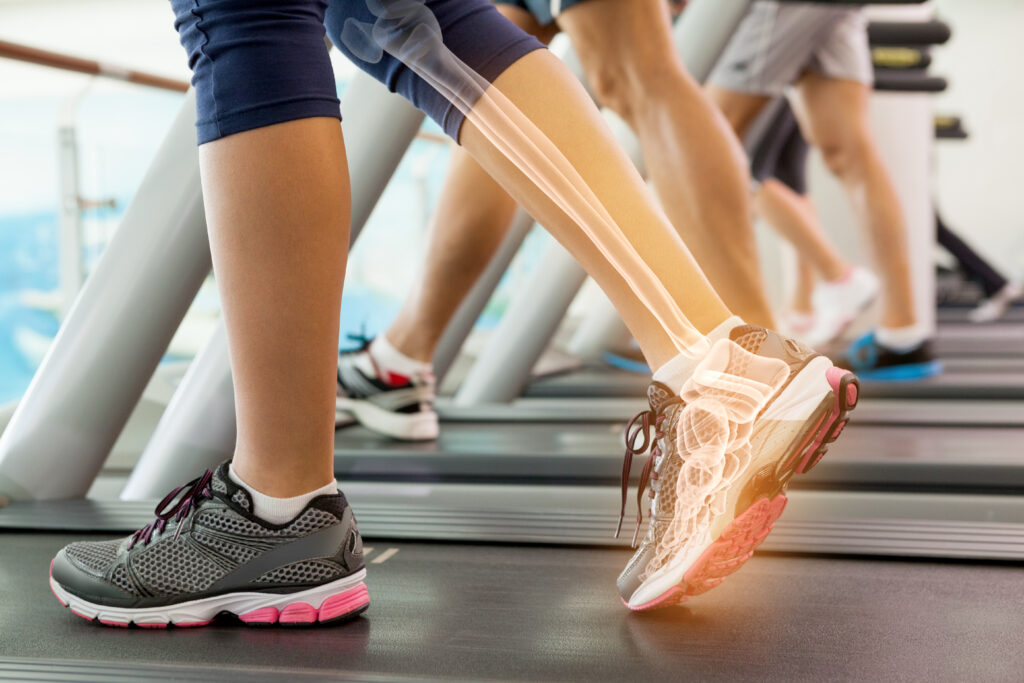
Conventional mechanical loading from activities like jumping, running, and heavy lifting creates high peak forces on bone. EMS bone density stimulation from muscle contractions creates compression and tension on bone through the forces generated, but the magnitude depends on stimulation intensity and the muscles involved. Clients asking about ems and bone density is there a connection deserve clear, evidence-informed guidance.

The key insight for understanding EMS bone density and skeletal health: the mechanism by which EMS could affect bone is plausible (muscle contraction creates bone loading), but the magnitude and clinical significance is uncertain at fitness-grade stimulation levels. The practical application of ems and bone density is there a connection varies depending on goals and client profile.
Clinical EMS and Bone Health: EMS Bone Density Evidence: Ems and bone density is there a connection
Clinical EMS applications for bone health have been studied in rehabilitation contexts, where electrical stimulation has been used to preserve bone mass in paralyzed individuals — demonstrating that electrically-induced muscle contractions can create enough mechanical loading to affect EMS bone mineral density. Studios investing in ems and bone density is there a connection report strong client retention and satisfaction.
More recent research on WB-EMS skeletal health in postmenopausal women has found meaningful preservation of bone mineral density compared to control groups, supporting a role for EMS bone density maintenance in this population. Anyone serious about ems and bone density is there a connection should prioritize certified equipment and trained staff.
Clinical NMES applied to specific sites — including studies examining quadriceps stimulation effects on femoral bone density — has shown localized bone density maintenance or modest increase effects in several studies. Again, these targeted clinical studies provide mechanistic plausibility rather than direct evidence for whole-body fitness EMS effects on bone. The business case for ems and bone density is there a connection is supported by both research and real-world results.
WB-EMS and Bone Density: The Current Fitness Research
WB-EMS research and bone density outcomes in physically active adults shows mixed but modestly promising results. The evidence suggests EMS training may slow the rate of bone loss in older adults, particularly postmenopausal women at risk for osteoporosis. Getting the most from ems and bone density is there a connection requires consistent protocol and progress tracking.
EMS osteoporosis research from the fitness perspective suggests the training mode may have particular value for postmenopausal women, older adults with sarcopenia, and individuals with physical limitations that prevent conventional high-impact or heavy-load exercise. For these populations, EMS bone density maintenance may be clinically meaningful. Safety remains a top priority in any ems and bone density is there a connection program.
Electrical stimulation bone health effects are more established in clinical NMES contexts (neuromuscular electrical stimulation for paralyzed patients) than in fitness-grade WB-EMS, but the physiological mechanisms are similar. The clinical evidence supports the plausibility of EMS bone density benefits at fitness stimulation levels. Professionals offering ems and bone density is there a connection benefit from ongoing education and certification.
What This Means for Bone Health and EMS
EMS bone density effects in fitness-grade training are probably real but modest. EMS training is unlikely to be as effective as high-impact exercise or heavy resistance training for bone mineral density, but it may offer meaningful benefits for people who cannot access those modes. Research into ems and bone density is there a connection continues to evolve as more studios adopt evidence-based approaches.
Where EMS training may offer a meaningful contribution to bone health is as a supplement within a broader program for individuals who cannot perform conventional weight-bearing or resistance exercise at sufficient intensity — providing a training stimulus that, while not definitively proven to be osteogenic in fitness populations, is theoretically sound and may offer benefit alongside conventional bone health strategies.
Anyone using EMS training as part of a bone health management approach should do so in consultation with their healthcare provider, who can monitor bone density through DEXA scanning and ensure that the overall approach to bone health is comprehensive and evidence-based.
Conclusion
EMS bone density research is encouraging but not definitive. The evidence suggests a modest positive effect on bone health, particularly for older adults and those with limited ability to perform conventional weight-bearing exercise.
For bone health, EMS training is best understood as a potentially beneficial complement to other bone-protective strategies — weight-bearing activities, calcium and vitamin D nutrition, and where appropriate, medical management — rather than a standalone bone protection strategy.
Interested in EMS training for overall health and fitness? Explore our brand reviews and product reviews, or compare options with our product comparison tool.
Frequently Asked Questions
Can EMS training help prevent osteoporosis?
There is insufficient evidence to recommend EMS training as a primary intervention for osteoporosis prevention. Some preliminary research suggests it may contribute to bone density maintenance, but the evidence is limited. Conventional weight-bearing exercise, resistance training, appropriate nutrition, and medical management remain the evidence-based foundations of osteoporosis prevention.
Is EMS training safe for people with osteoporosis?
EMS training may be appropriate for some people with osteoporosis, but this depends on severity and individual circumstances. The risk of fracture from the muscle forces generated during EMS sessions is a consideration that requires assessment by a healthcare provider familiar with the individual’s bone health status.
How does EMS affect bone compared to weight training?
Conventional resistance training — particularly heavy compound movements — provides a well-established and potent osteogenic stimulus through the combination of high muscle forces at bone attachment sites and the impact loading of weight-bearing movements. EMS-generated muscle forces provide a lower-magnitude mechanical stimulus without impact loading, likely producing a more modest osteogenic effect.
Do EMS studies measure bone density?
Some WB-EMS studies have included bone mineral density as a secondary outcome measure. The findings are limited and mixed — some showing density maintenance or modest increases — but the research base for bone-specific EMS effects is smaller and less developed than for muscle-focused outcomes.
Should I use EMS training if I have been diagnosed with osteopenia?
This is a conversation to have with your healthcare provider. EMS training is not contraindicated for osteopenia per se, but the appropriate exercise approach for someone with low bone density should be guided by a clinician who can consider the full picture of your bone health, other health conditions, and risk factors.
Ready to explore EMS suit options? Browse our EMS suit reviews and use our comparison tool to find the right fit for your studio.