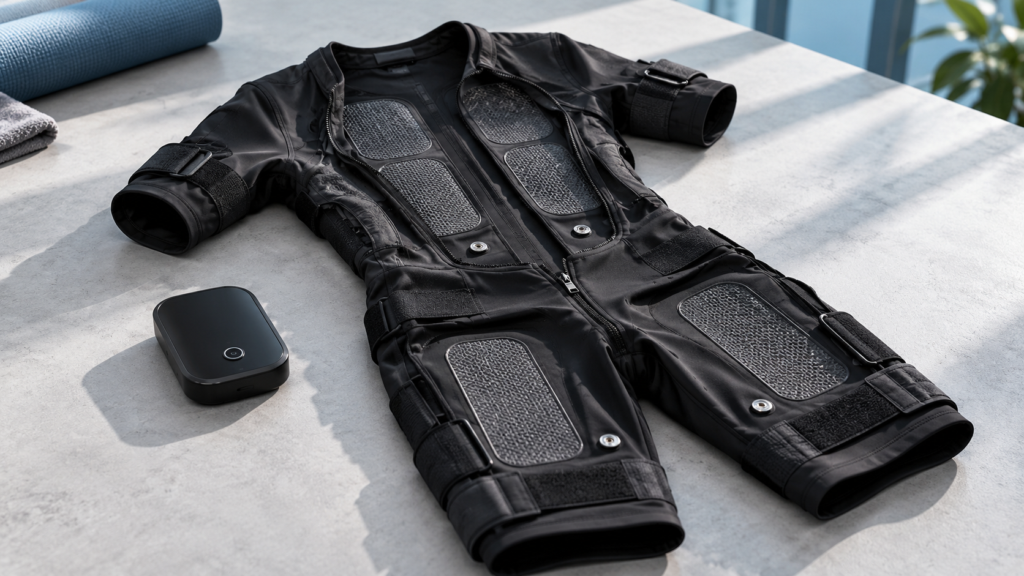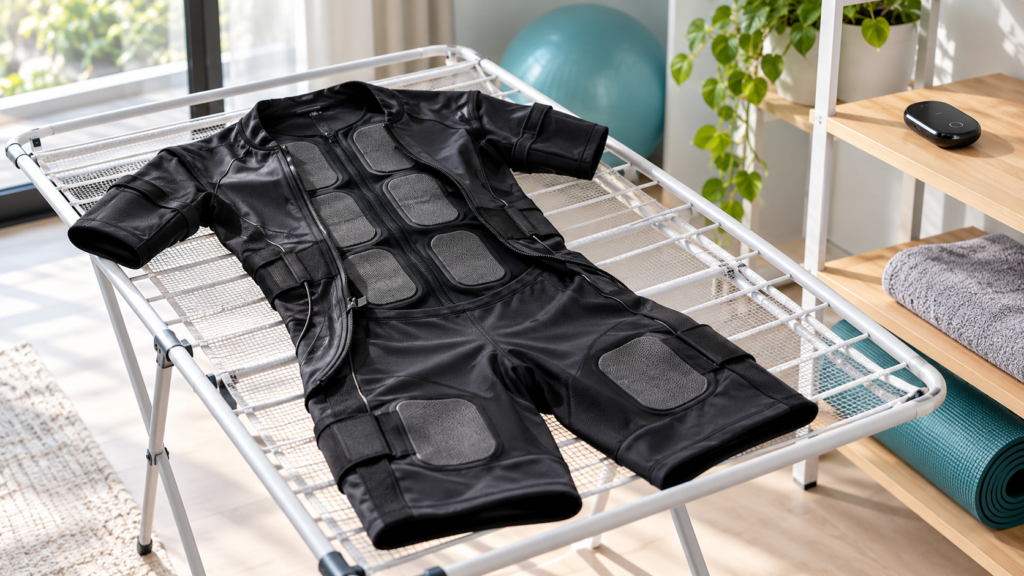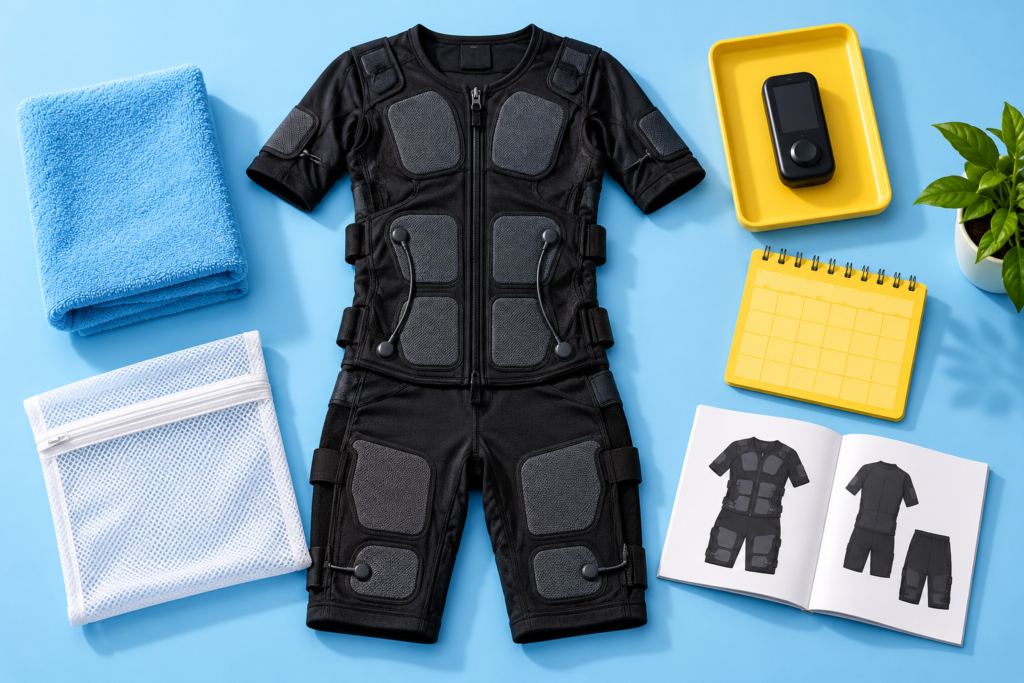

EMS training cardio fat loss programs represent one of the most effective approaches to body composition improvement available. EMS training and cardiovascular exercise address different aspects of caloric expenditure and metabolic health, making them naturally complementary rather than competing modalities. Research into combining ems training with cardio for fat loss a pract continues to evolve as more studios adopt evidence-based approaches.
The question for those pursuing EMS training cardio fat loss outcomes is not whether to combine EMS and cardio, but how to combine them effectively — managing the recovery demands of both modalities while maximizing the combined fat-loss effect. Understanding combining ems training with cardio for fat loss a pract is key for any trainer looking to modernize their program.
This article provides practical guidance on combining EMS training cardio fat loss programs, covering scheduling principles, sequencing options, and how to structure a combined program for your fitness level and goals. The evidence supporting combining ems training with cardio for fat loss a pract is growing steadily in the professional fitness space.

Why EMS and Cardio Are Complementary
In EMS training cardio fat loss programs, EMS training’s primary contribution comes from its effect on muscle mass and resting metabolic rate. Research has demonstrated that WB-EMS training can produce significant reductions in body fat percentage comparable to conventional resistance training, providing a muscle-stimulating stimulus alongside cardiovascular work. For coaches exploring combining ems training with cardio for fat loss a pract, proper protocol design is essential.
Cardiovascular exercise’s primary fat-loss contribution in an EMS and cardio combination program is direct caloric expenditure during sessions and the metabolic effects of regular aerobic training. The combination of EMS muscle activation and aerobic exercise creates two distinct fat-loss mechanisms working together. Clients asking about combining ems training with cardio for fat loss a pract deserve clear, evidence-informed guidance.
The combination of EMS (muscle activation and metabolic rate improvement) and cardio (direct caloric expenditure) in an EMS training cardio fat loss program creates a synergistic effect. Recent systematic reviews confirm that EMS combined with conventional exercise produces superior body composition outcomes compared to either modality alone. The practical application of combining ems training with cardio for fat loss a pract varies depending on goals and client profile.
Scheduling EMS and Cardio in a Weekly Program: Combining ems training with cardio for fat loss a pract
The fundamental scheduling principle for EMS training cardio fat loss programs is recovery management. Both EMS and intensive cardio create metabolic and neuromuscular fatigue. Alternating EMS days with cardio days, rather than stacking them, typically produces better results and reduces overtraining risk. Studios investing in combining ems training with cardio for fat loss a pract report strong client retention and satisfaction.
A practical weekly structure for EMS training cardio fat loss programs: EMS on Monday and Thursday, low-to-moderate cardio on Tuesday, Wednesday, and Saturday, with rest or light activity on Sunday. This schedule provides adequate recovery between sessions while maintaining meaningful weekly training volume. Anyone serious about combining ems training with cardio for fat loss a pract should prioritize certified equipment and trained staff.
The sequencing of EMS and cardio within the same day matters for EMS training cardio fat loss outcomes. If combined in one session, performing EMS first when muscles are fresh typically produces better session quality. The business case for combining ems training with cardio for fat loss a pract is supported by both research and real-world results.
For individuals new to EMS training cardio fat loss programs, starting with two EMS sessions and two cardio sessions per week — with at least one rest day between each type — is a prudent starting point before increasing volume. Getting the most from combining ems training with cardio for fat loss a pract requires consistent protocol and progress tracking.
Which Cardio Types Complement EMS Best
Low-to-moderate intensity steady-state cardio is excellent for EMS and cardio combination fat loss programs. Walking, cycling, or swimming at 60-70% maximum heart rate for 30-45 minutes complements EMS training without overwhelming recovery capacity. Safety remains a top priority in any combining ems training with cardio for fat loss a pract program.
High-intensity interval training (HIIT) for EMS with running fat loss programs is effective but demands careful recovery management. HIIT sessions should be scheduled on non-EMS days when possible, as the combined intensity of HIIT and EMS can quickly exceed recovery capacity. Professionals offering combining ems training with cardio for fat loss a pract benefit from ongoing education and certification.
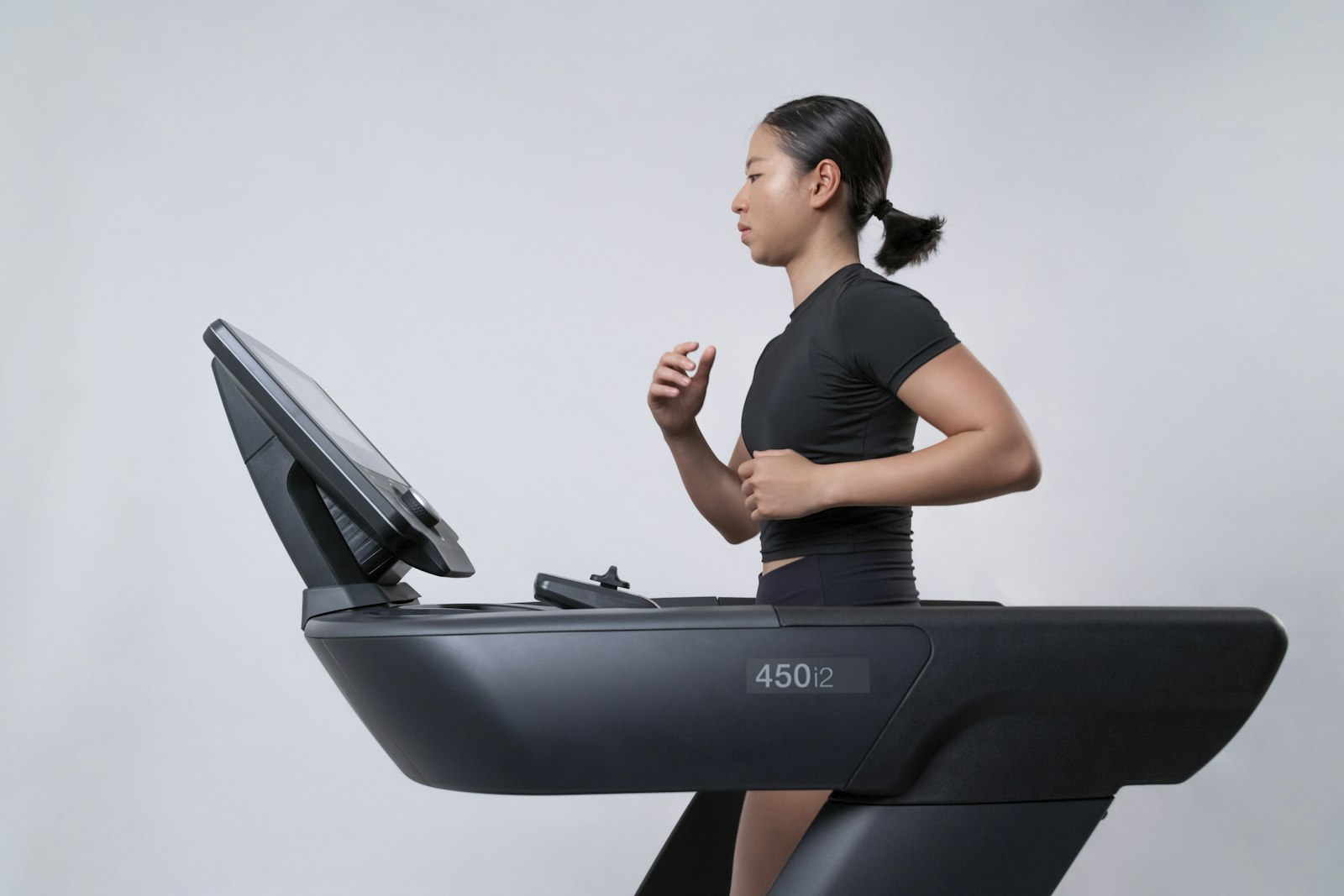
For individuals with joint considerations or low baseline fitness, low-impact cardiovascular modes — stationary cycling, swimming, aqua fitness, elliptical — provide caloric expenditure without the impact loading of running. These are particularly compatible with EMS programs for individuals whose joint health precludes higher-impact cardio options, and align well with EMS’s own joint-friendly training profile.
Conclusion
Combining EMS training with complementary cardio is one of the most effective strategies for EMS training cardio fat loss outcomes. The key principles — alternate modalities for recovery, prioritize nutrition, and progress load gradually — allow most people to sustain a combined program without burnout.
The key for combining EMS cardio weight loss programs is managing the combined training load intelligently, allowing recovery, and ensuring that caloric intake supports the energy demands of both training modalities.
Ready to combine EMS training with your cardio program? Explore our brand reviews and product reviews to find the right EMS suit for your fat loss journey. Compare options with our product comparison tool.
Frequently Asked Questions
Should I do cardio and EMS training together?
Yes — EMS and cardio combination fat loss programs are highly effective. EMS training fat loss results are enhanced when paired with regular cardiovascular exercise. The two modalities complement each other by targeting different fat-loss mechanisms.
Should I do EMS before or after cardio?
For EMS conditioning at high intensity, scheduling on separate days from cardio sessions is generally preferable. When training both on the same day, EMS before moderate-intensity cardio is typically better than the reverse — fatigue from prior cardio can compromise EMS session quality more than EMS fatigue affects subsequent moderate cardio.
How many days per week should I do cardio alongside EMS training?
Two to three cardio sessions per week on non-EMS days is a practical and manageable starting structure for most individuals combining these modalities for fat loss. Beginners should start with one to two cardio sessions and progressively build. The total weekly training load should remain manageable to ensure recovery and program adherence.
What type of cardio is best with EMS for weight loss?
Low-to-moderate intensity steady-state cardio is generally the best complement for EMS training cardio fat loss programs. It adds caloric expenditure without creating excessive recovery demands. Walking at moderate pace, cycling, or swimming are excellent choices for combining with EMS program with aerobic exercise.
Will adding cardio to EMS training cause overtraining?
Starting conservatively with the combined load of EMS training cardio fat loss programs — one or two sessions of each per week initially — allows adaptation before increasing volume. Most people can safely add EMS and cardio together without overtraining if they progress gradually and prioritize sleep and nutrition.
Ready to explore EMS suit options? Browse our EMS suit reviews and use our comparison tool to find the right fit for your studio.