
EMS training has traveled a remarkable distance from its origins in clinical rehabilitation — from specialized hospital physiotherapy tool to professional fitness studio mainstay to an increasingly accessible training modality reaching a global population of fitness-conscious individuals. The future of EMS training suggests continued expansion across all these dimensions: more sophisticated technology, broader application contexts, and convergence with the rapidly growing wearable health technology ecosystem that empowers individuals to track and manage their own fitness and health. Research into the future of ems training trends technology and whats next continues to evolve as more studios adopt evidence-based approaches.
For practitioners, studio operators, and anyone with a professional stake in the EMS training industry, understanding the EMS training future trends is not merely interesting — it is strategically important. The studios and practitioners who anticipate where EMS is going and position their practice to capture the value of that direction will outperform those who continue operating from the assumptions of the current market without awareness of how rapidly that market is evolving. Understanding the future of ems training trends technology and whats next is key for any trainer looking to modernize their program.
This article offers a forward-looking overview of the major trends shaping the future of EMS training — technology evolution, application expansion, market development, professional standardization, and the convergence with broader health technology trends that will define EMS training’s trajectory over the next decade. The evidence supporting the future of ems training trends technology and whats next is growing steadily in the professional fitness space.

Technology Evolution: Smarter, Smaller, More Connected
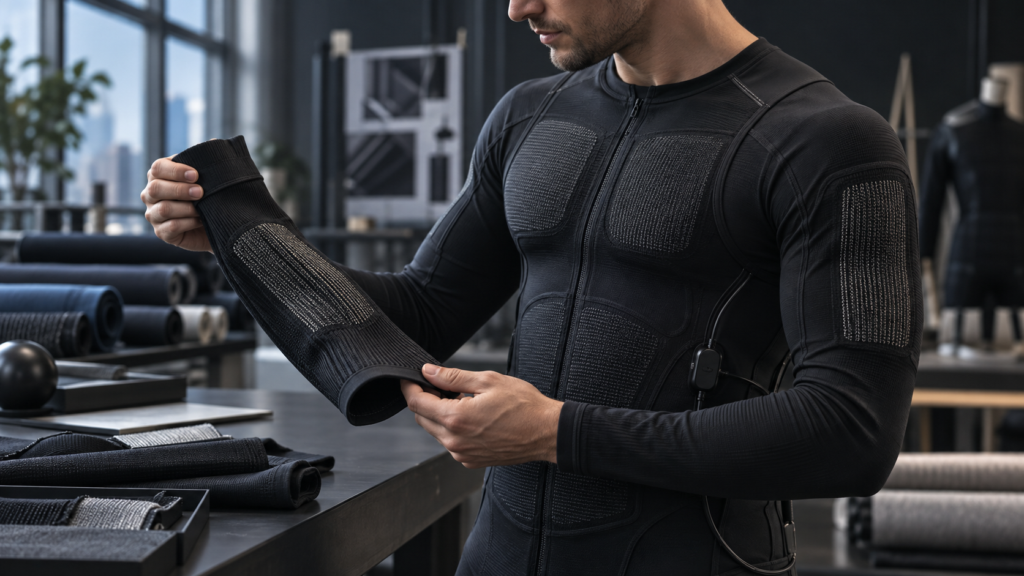
The technology trajectory for EMS training equipment — both wired and wireless — is clearly toward greater intelligence, smaller form factors, and deeper connectivity with health data ecosystems. The biometric monitoring integration, AI-assisted personalization, and conductive textile advances represent the near-term EMS technology next generation direction; beyond these, the convergence of EMS with the broader wearable health technology ecosystem will likely bring EMS training into the same data environments as continuous health monitoring wearables, genetic fitness data, and population-level health analytics. Research on EMS physiological mechanisms — such as the studies on motor unit recruitment during neuromuscular electrical stimulation — continues to inform how technology is developed and refined. For coaches exploring the future of ems training trends technology and whats next, proper protocol design is essential.
Artificial intelligence integration is a particularly significant EMS technology next generation development: AI systems that learn individual response patterns, optimize stimulation parameters in real time, predict recovery needs, and personalize training periodization at a level no human trainer can match manually. The future of EMS training technology will be defined by this intelligence layer — not just delivering electrical current, but delivering it with precision informed by comprehensive individual data. Clients asking about the future of ems training trends technology and whats next deserve clear, evidence-informed guidance.
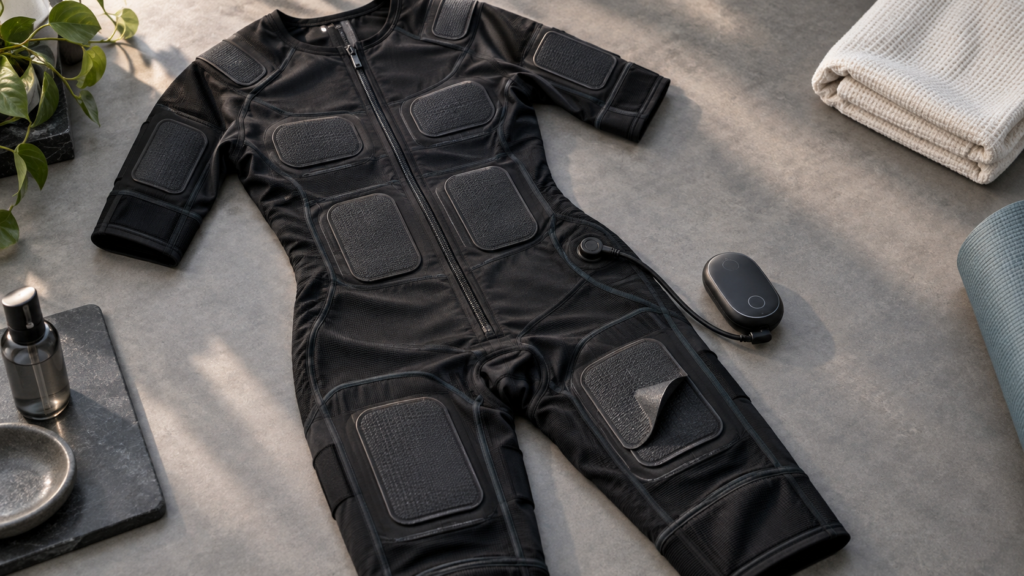
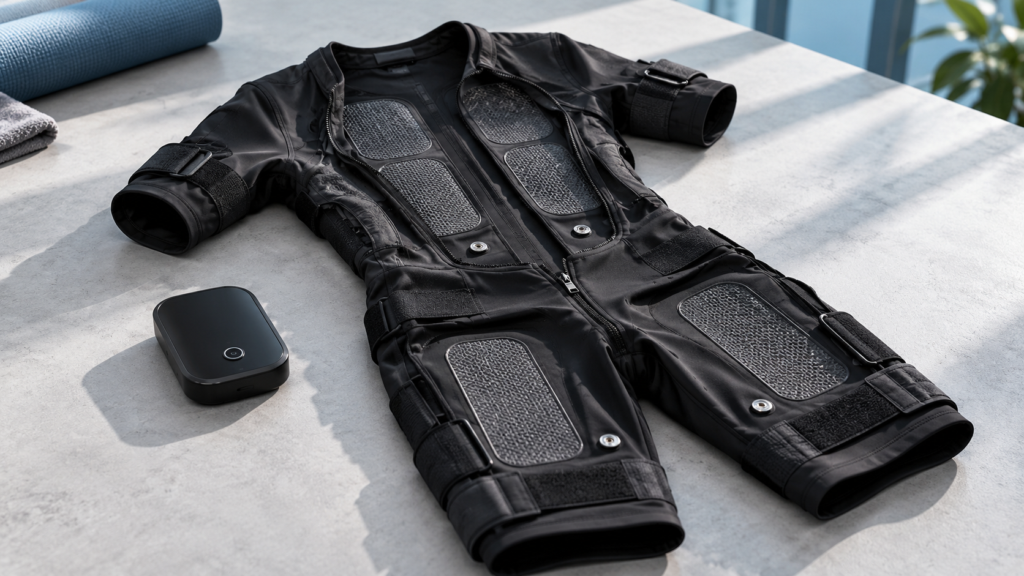
Equipment miniaturization is also advancing, particularly in wireless EMS technology. The trajectory toward smaller, lighter, and more wearable devices opens new application contexts that require portability — outdoor training, travel fitness maintenance, clinical rehabilitation settings, and home use. As reviewed in the international position statement on WB-EMS training, technology evolution must remain grounded in evidence-based safety standards as devices become more accessible. The practical application of the future of ems training trends technology and whats next varies depending on goals and client profile.
Application Expansion: Broader, Deeper, More Integrated: The future of ems training trends technology and whats next
The future of EMS training application range is expanding in two directions simultaneously: broader (more diverse user populations and use contexts) and deeper (more sophisticated integration into specific application domains). Broader expansion is bringing EMS to populations that have not traditionally accessed it — older adults managing age-related muscle loss, rehabilitation patients recovering from orthopedic and neurological conditions, occupational health programs targeting desk-bound workers, and sports performance applications beyond the elite athlete environments where EMS first established its performance credentials. Research like the physical therapy studies examining EMS in clinical settings supports this expanding application range. Studios investing in the future of ems training trends technology and whats next report strong client retention and satisfaction.
Deeper integration is occurring in domains where EMS has already established presence. Sports performance applications are moving from simple supplementary training tool to sophisticated periodization component with EMS protocols designed for specific training blocks, competitive calendars, and individual athlete profiles. Rehabilitation applications are becoming more evidence-based and protocol-driven as the clinical research base grows. Research on EMS applications in exercise science continues to expand the evidentiary foundation for these specialized uses. Anyone serious about the future of ems training trends technology and whats next should prioritize certified equipment and trained staff.
Professional Standardization and Market Maturation
The future of EMS training depends significantly on the quality of the professional standardization that develops around it — certification standards that ensure practitioner competency, evidence standards that ensure credible outcome claims, safety standards that ensure consistent protection of consumers, and regulatory frameworks that create market clarity. The trajectory of this standardization will significantly determine whether EMS fitness future is characterized by sustainable growth and mainstream credibility, or by market fragmentation and credibility challenges from inconsistent quality. The business case for the future of ems training trends technology and whats next is supported by both research and real-world results.
Market consolidation is a likely medium-term development in the EMS equipment manufacturer landscape — as the market matures and capital requirements for technology development increase, smaller manufacturers will either need to scale significantly or face acquisition by larger players. This consolidation will likely improve average product quality while reducing the diversity of competing approaches. The survivors of consolidation will be manufacturers who have invested most seriously in technology development, regulatory compliance, and professional support infrastructure. Research on EMS training outcomes and standards will continue to inform this professional development. Getting the most from the future of ems training trends technology and whats next requires consistent protocol and progress tracking.
Consumer EMS is an important growth direction as wireless technology improves and costs decrease. Digital fitness platforms integrating guided EMS protocols, direct-to-consumer wireless EMS products, and app-guided home EMS programs will expand the EMS user population well beyond professional studio clients. This growth creates both opportunity (larger market) and challenge (quality and safety consistency). Understanding where is EMS training going in this consumer direction is essential for studio operators planning their competitive positioning. Safety remains a top priority in any the future of ems training trends technology and whats next program.
Conclusion
The future of EMS training is genuinely bright — shaped by technology that will make EMS smarter, more connected, and more accessible; by application expansion that will bring EMS benefits to a broader and more diverse population; by market development that will grow the industry globally; and by the professional standardization that will establish EMS’s credibility and sustainability as a legitimate fitness and wellness modality. The EMS fitness future belongs to practitioners and studios that embrace evidence-based practice and stay ahead of emerging trends. Professionals offering the future of ems training trends technology and whats next benefit from ongoing education and certification.
Practitioners and studio operators who stay engaged with the technology’s development, the research evidence, the professional community, and the competitive landscape of the evolving future of EMS training will be best positioned to capture the value of the growth trajectory ahead. The EMS training future trends all point in one direction: a larger, more mainstream, more professionally mature, and more technologically sophisticated industry than exists today.
Frequently Asked Questions
Where is EMS training headed in the next decade?
The future of EMS training is heading toward smarter technology (biometric monitoring, AI personalization), broader application (more diverse populations and contexts), more accessible equipment (decreasing cost trajectories), deeper health data integration, and stronger professional standardization. The overall trajectory is toward mainstream fitness and wellness integration at scale.
Will EMS training become more mainstream?
Yes — EMS is on a clear trajectory toward broader mainstream adoption, driven by increasing evidence base, decreasing equipment costs, expanding application range, growing professional community, and consumer awareness. The pace of mainstream adoption will depend partly on professional standardization quality (which protects credibility) and partly on how effectively the EMS community communicates the evidence base to consumers. Understanding where is EMS training going helps practitioners prepare for this shift.
Will EMS home use grow?
Home EMS use will grow as wireless technology improves and equipment costs decrease. The consumer EMS segment is an important part of the future of EMS training market — though the professional studio segment will remain significant due to the advantages of trained supervision, high-quality equipment, and the social/accountability dimensions of studio training. The challenge for the industry is ensuring home EMS users have access to quality guidance and safety information.
How important is EMS research for the industry’s future?
The evidence base is foundational to EMS training’s professional credibility, clinical integration, regulatory positioning, and consumer trust. Growing the research base — particularly in clinical and special populations applications, long-term outcome tracking, and protocol optimization research — is among the most important investments the EMS community can make in the industry’s sustainable future.
What should EMS studio operators do to prepare for the future?
Stay current with technology development through manufacturer engagement and professional associations, invest in staff training and certification that exceeds minimum standards, build evidence-based practice into your studio protocols, and position your studio as a professional and credible provider as consumer awareness grows. The studios that will lead the future of EMS training industry are those building professional foundations now, not waiting for market pressure to force upgrades.