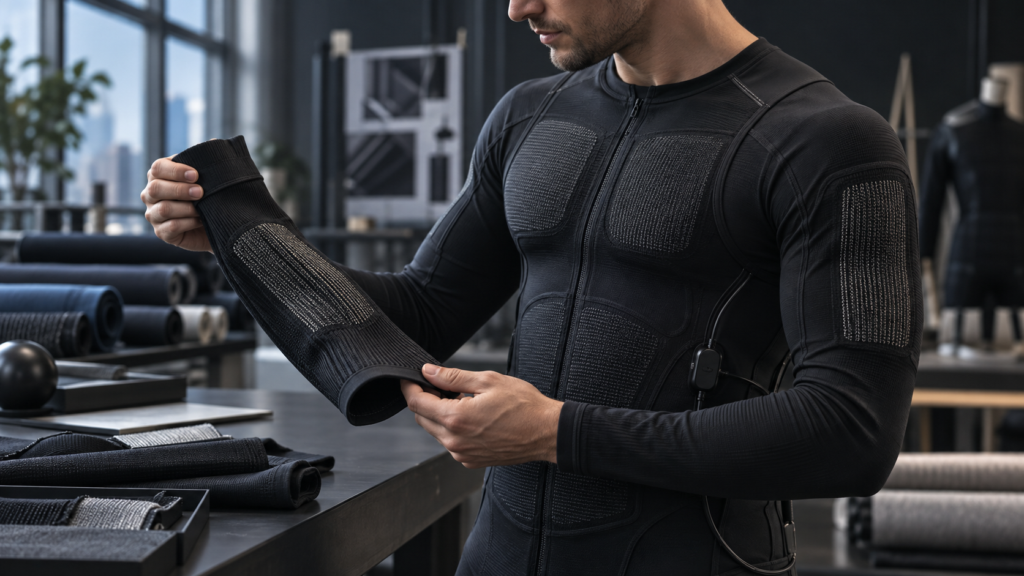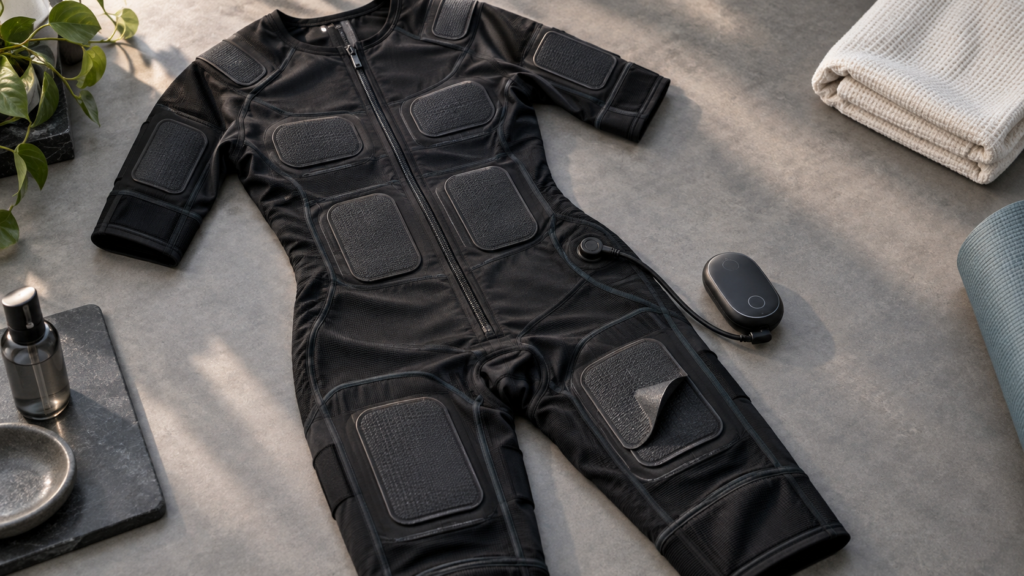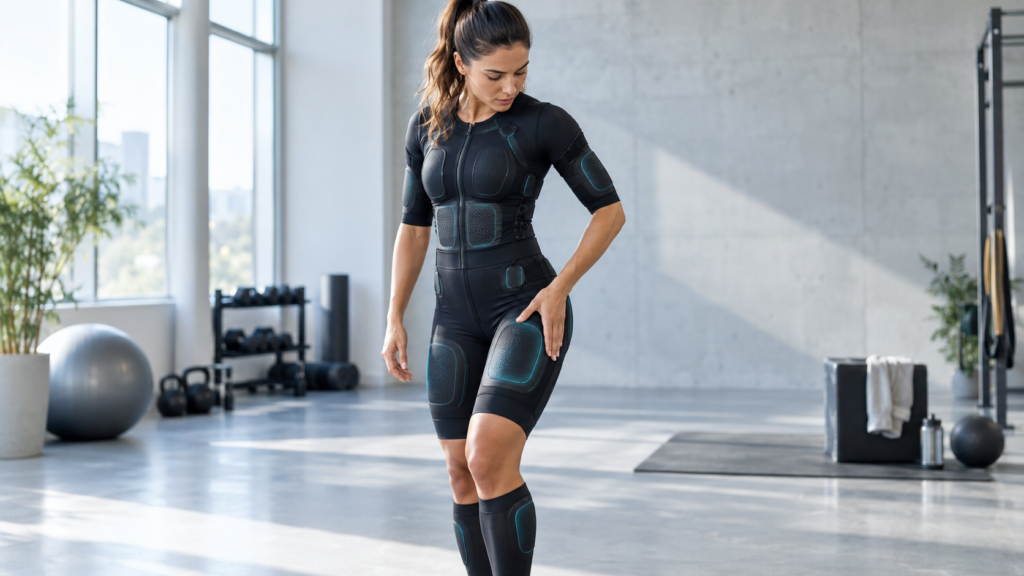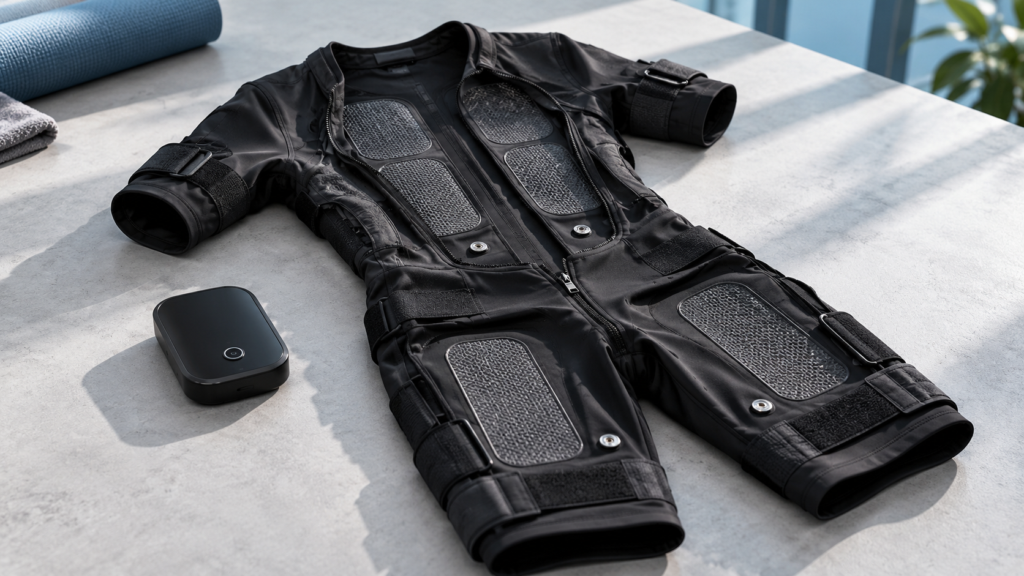
In wireless EMS suit brands comparison, the professional wireless EMS market has matured significantly. Unlike the early phase when wireless EMS products were primarily consumer-grade, professional wireless EMS suit brands comparison now encompasses a number of sophisticated systems with comparable stimulation quality to the established wired market leaders. Research into comparing wireless ems suit brands a buyers framework continues to evolve as more studios adopt evidence-based approaches.
A wireless EMS suit brands comparison builds on the same fundamental evaluation criteria used for wired systems — stimulation quality, electrode performance, regulatory compliance, and manufacturer support — while adding wireless-specific dimensions including battery performance, connectivity reliability, and app quality. Understanding comparing wireless ems suit brands a buyers framework is key for any trainer looking to modernize their program.

This article provides a practical buyer’s framework for wireless EMS suit brands comparison, covering the technical quality evaluation, regulatory and support considerations, and decision-making process for best wireless EMS brands selection. The evidence supporting comparing wireless ems suit brands a buyers framework is growing steadily in the professional fitness space.
Technical Quality Evaluation
In wireless EMS suit brands comparison, stimulation specifications remain the foundational technical evaluation: frequency range, impulse width range, current intensity range, channel count, and phase balance. Reputable wireless EMS equipment brands should provide complete, verifiable specifications. For coaches exploring comparing wireless ems suit brands a buyers framework, proper protocol design is essential.
Battery performance specifications in wireless EMS suit brands comparison — rated session count between charges, actual battery life under typical studio conditions, and charge time — are particularly important for high-volume studio use, where multiple sessions per day require reliable charge management. Clients asking about comparing wireless ems suit brands a buyers framework deserve clear, evidence-informed guidance.
Connectivity reliability in wireless EMS suit brands comparison — Bluetooth stability, resistance to interference in electrically noisy environments, and system-level reconnection speed — affects session flow and trainer confidence in the equipment. The practical application of comparing wireless ems suit brands a buyers framework varies depending on goals and client profile.
Regulatory, Software, and Support Dimensions: Comparing wireless ems suit brands a buyers framework
Regulatory certification for wireless EMS systems follows the same frameworks as wired systems, with the addition of wireless communication standards. Wireless EMS manufacturer comparison should include verification of both electrical safety certification and wireless transmission compliance. Studios investing in comparing wireless ems suit brands a buyers framework report strong client retention and satisfaction.
Control application quality in wireless EMS suit brands comparison should be evaluated across multiple dimensions: program library depth, session customization granularity, client progress tracking, data export capabilities, and cross-device compatibility. Anyone serious about comparing wireless ems suit brands a buyers framework should prioritize certified equipment and trained staff.
Manufacturer support quality for comparing wireless EMS systems encompasses technical support access, app update frequency, parts availability, and the manufacturer’s track record for resolving equipment issues efficiently. The business case for comparing wireless ems suit brands a buyers framework is supported by both research and real-world results.
Making the Decision
A structured wireless EMS suit brands comparison process should include specification verification, app evaluation, regulatory certification review, live equipment trial, and reference checking. Comparing wireless EMS systems requires hands-on experience that product specifications alone cannot provide. Getting the most from comparing wireless ems suit brands a buyers framework requires consistent protocol and progress tracking.
Trial periods — where the manufacturer allows a 30-60 day trial before full financial commitment — are particularly valuable in wireless EMS suit brands comparison because app quality, battery performance, and connectivity stability can only be properly evaluated through extended real-world use. Safety remains a top priority in any comparing wireless ems suit brands a buyers framework program.

The wireless EMS suit brands comparison decision is ultimately a judgment about total value: technical performance that justifies the price point, a software ecosystem that grows rather than limits your training capabilities, and a manufacturer committed to safe and effective WB-EMS training standards. Professionals offering comparing wireless ems suit brands a buyers framework benefit from ongoing education and certification.
Conclusion
Professional wireless EMS suit brands comparison reveals that the market continues to evolve rapidly. Wireless EMS equipment brands are investing heavily in software development, battery technology, and electrode innovation. The best wireless EMS brands from today will likely look quite different in three to five years.
The right wireless EMS system in any comparing wireless EMS systems evaluation is the one that combines reliable stimulation quality with sustainable total cost of ownership and manufacturer support quality matched to your geographic location and business needs.
Ready to find the best wireless EMS system? Explore our brand reviews and product reviews for detailed wireless EMS comparisons. Use our product comparison tool to compare wireless EMS options side by side.
Frequently Asked Questions
How do I compare wireless EMS brands?
Evaluate: stimulation specifications (frequency, pulse width, channels); battery performance (rated and real-world from operators); connectivity reliability in your specific environment; control application capability assessed by your trainers; regulatory certification; total cost of ownership; manufacturer training program quality; and support track record from current long-term operators. Conduct testing in your actual environment and speak with independent operator references.
Are there wireless EMS brands I should avoid?
Products without independent regulatory certification (CE Class IIa or equivalent), without clearly specified full technical documentation, or with marketing claims that significantly exceed verifiable specifications warrant caution. Consumer-grade wireless EMS products marketed as professional systems are a specific risk category. Verifying regulatory status independently and speaking with experienced operators through professional networks provides the most reliable quality signal.
How important is the wireless EMS app in brand comparison?
Very important — the app is the primary professional interface for daily system operation and its quality significantly affects trainer experience and operational efficiency. It should be evaluated by the trainers who will use it through a full mock session workflow, not just viewed in a marketing demonstration. Client management capability, session control responsiveness, and data management quality are the substantive evaluation dimensions.
Should I ask to try wireless EMS before buying?
Yes — a trial period is particularly valuable for wireless EMS because battery performance and connectivity reliability cannot be fully assessed from specifications or short demonstrations. Request trial arrangements from manufacturers under consideration; willingness to provide extended trials is itself a positive quality indicator. Test in your actual operating environment with real session workflows and intensity levels.
How many wireless EMS brands are there?
The professional wireless EMS market currently includes several established manufacturers, primarily European in origin, plus a growing number of newer entrants and consumer-market brands. The professional market is more concentrated than it may appear from marketing; several widely marketed products are from the same parent manufacturers under different brand names. Independent research into manufacturer identity and ownership clarifies the actual competitive landscape.
Ready to explore EMS suit options? Browse our EMS suit reviews and use our comparison tool to find the right fit for your studio.