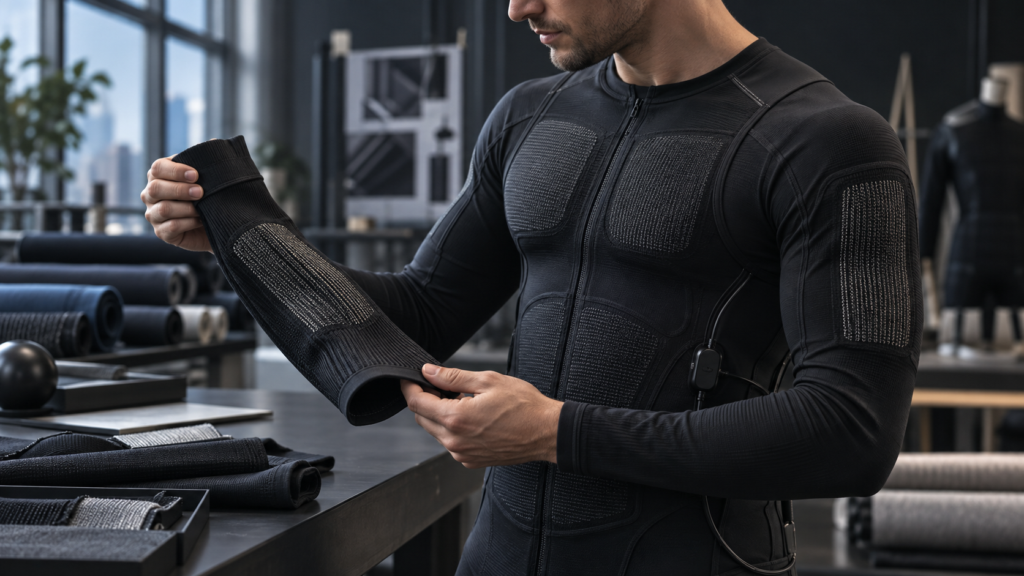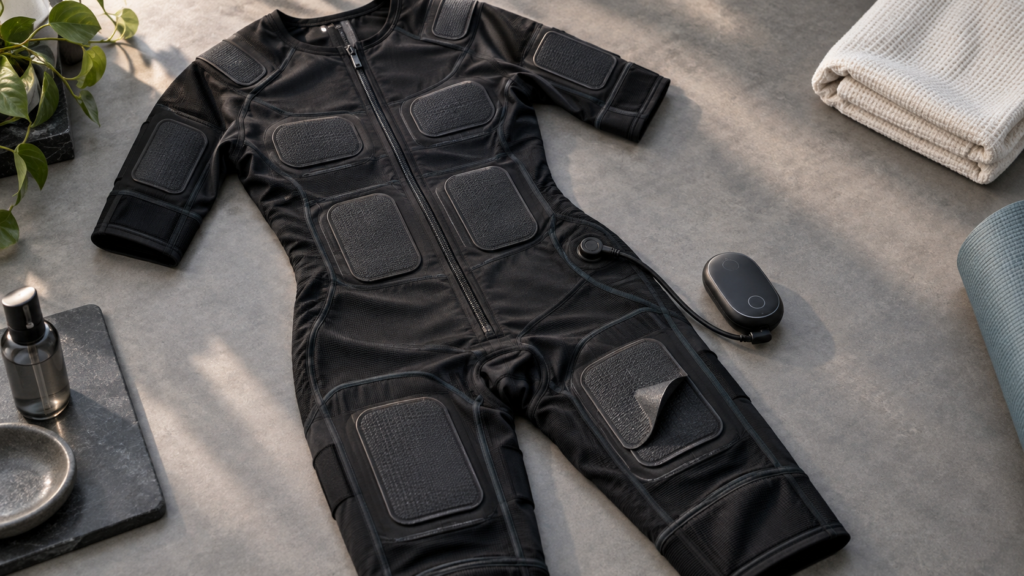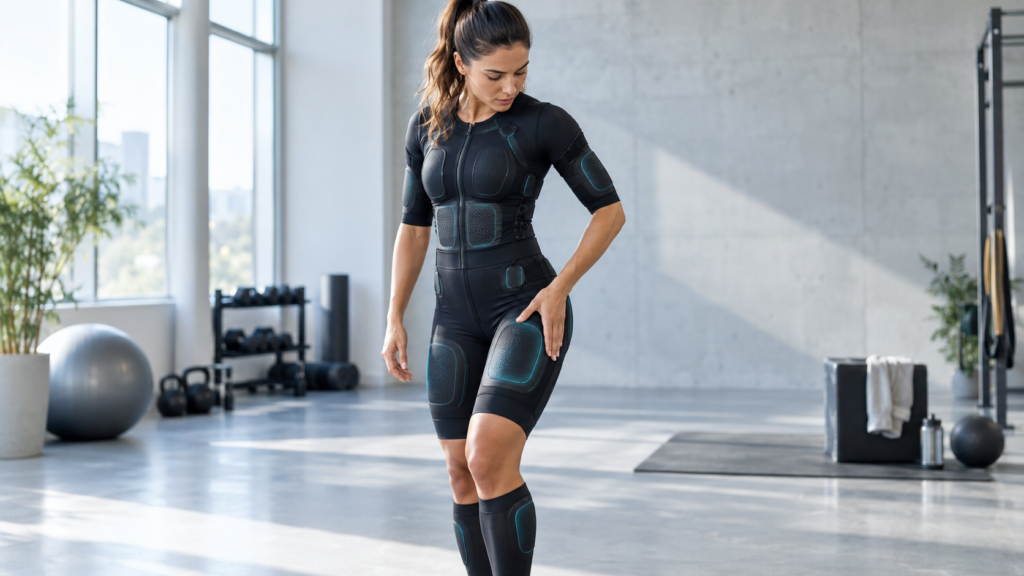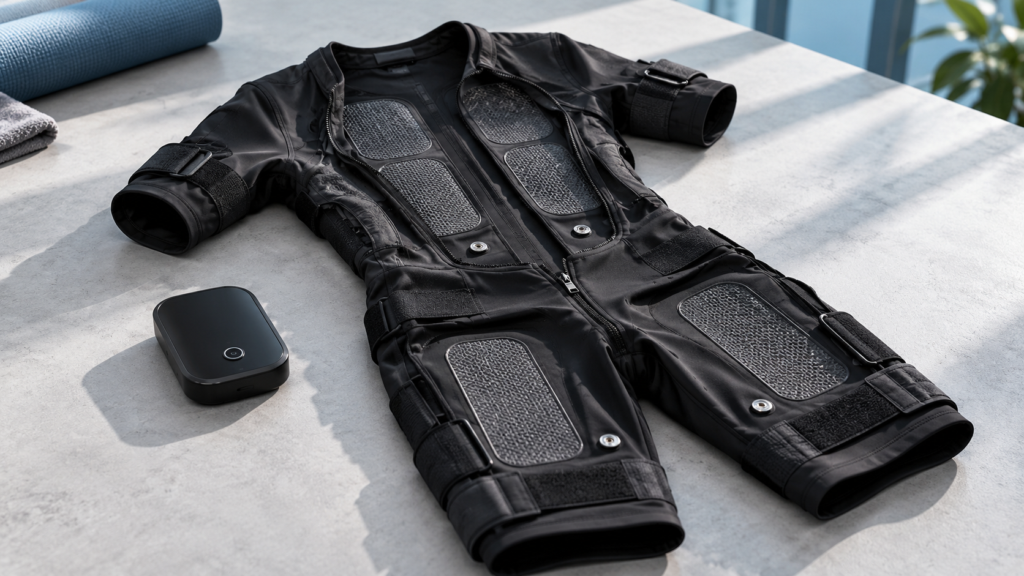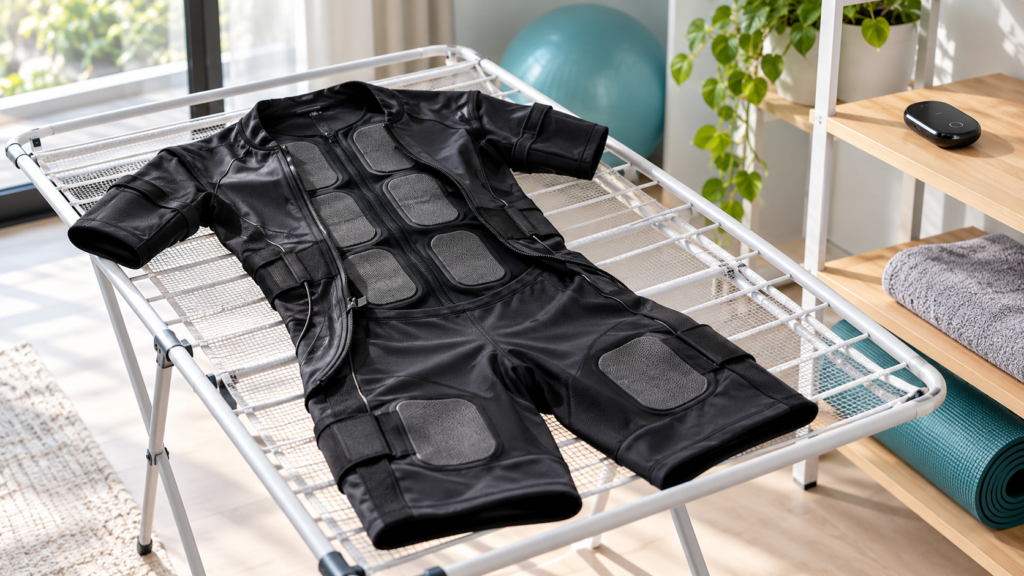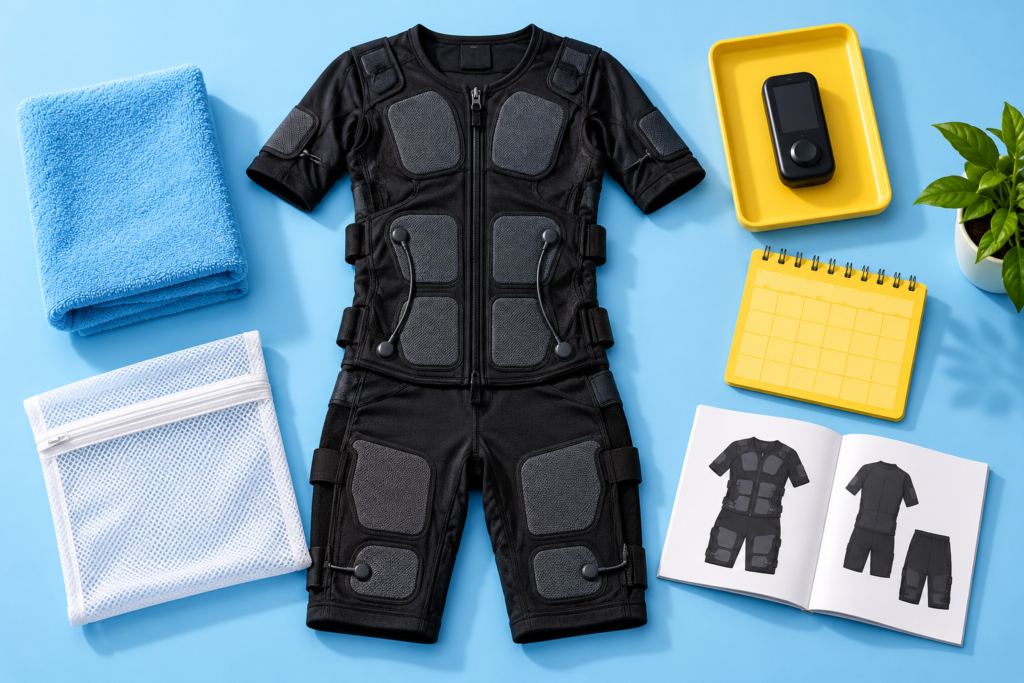
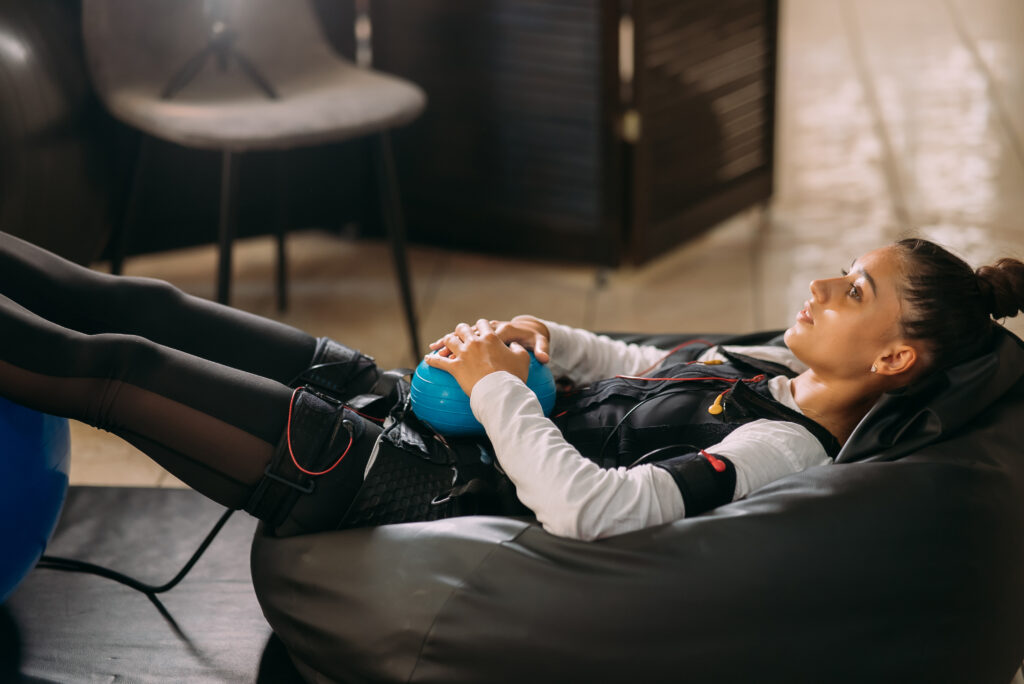

Wireless EMS suits for home use have become increasingly accessible as the technology has matured and manufacturing costs have decreased — making whole-body electrical muscle stimulation available to a broader population beyond the professional studio setting where EMS has primarily been deployed. The prospect of delivering 20-minute whole-body sessions from home is compelling for time-constrained individuals who cannot or prefer not to attend professional EMS studios, and the market for consumer-grade wireless EMS suits for home use has grown to meet this demand. Research into wireless ems suits for home use what to know continues to evolve as more studios adopt evidence-based approaches.
However, the consumer EMS market presents important distinctions from professional studio EMS that prospective home users should understand before purchase. Professional EMS systems used in certified studios are medical-grade devices operated by qualified practitioners who conduct health screening, calibrate parameters to individual tolerance, and monitor clients throughout sessions. Consumer EMS products vary enormously in quality, safety system implementation, and the support infrastructure that safe EMS use requires — and the home use context lacks the professional oversight that makes professional studio EMS consistently safe. Understanding wireless ems suits for home use what to know is key for any trainer looking to modernize their program.
Consumer vs. Professional EMS Systems
The most important distinction to understand before purchasing home EMS equipment is the difference between certified professional-grade systems and consumer-grade products. Professional EMS systems are typically certified as Class II medical devices (or equivalent), have been assessed by regulatory bodies for safety and performance, are designed for use by trained practitioners with certified clients, and offer the full technical specifications (frequency range, channel count, current output) that professional whole-body training requires. The evidence supporting wireless ems suits for home use what to know is growing steadily in the professional fitness space.
Consumer EMS products range from near-professional quality (certified, full-specification whole-body systems designed for knowledgeable home users) to very basic devices with limited stimulation capabilities, no regulatory certification, and marketing claims that significantly exceed their actual performance. The consumer market includes many products that use the ‘EMS suit’ category term for devices that do not deliver professional whole-body stimulation equivalent to what certified studios provide. For coaches exploring wireless ems suits for home use what to know, proper protocol design is essential.
For home users seeking a genuine WB-EMS experience equivalent to professional studio training, the appropriate products are professional-grade systems (with the corresponding cost and learning curve) or certified consumer-oriented wireless EMS suits for home use from established EMS manufacturers with appropriate safety features. Lower-priced consumer EMS products without clear regulatory certification and full technical specifications are unlikely to deliver professional-equivalent whole-body stimulation. Clients asking about wireless ems suits for home use what to know deserve clear, evidence-informed guidance.
Safety Considerations for Home Use: Wireless ems suits for home use what to know
The contraindications that make EMS training unsafe in professional settings apply with equal force to home use — and in the home context, without professional health screening, they must be self-assessed by the individual user. Absolute contraindications (implanted cardiac devices, active epilepsy, pregnancy, deep vein thrombosis, malignant tumors) disqualify EMS use entirely; individuals with any of these conditions should not use wireless EMS suits for home use regardless of the product’s consumer positioning. The practical application of wireless ems suits for home use what to know varies depending on goals and client profile.
Intensity management is the most significant safety risk in home EMS use without professional supervision. Professional studios begin all clients at very low intensities and progress conservatively over multiple sessions under continuous trainer monitoring. Home users without this guided introduction may set intensities too high in early sessions, creating the risk of excessive muscle stress and the potential for rhabdomyolysis — a risk that intensifies without the professional oversight that professional EMS provides. Home EMS users must commit to genuinely conservative intensity management, particularly in the first 4 to 6 sessions. Studios investing in wireless ems suits for home use what to know report strong client retention and satisfaction.
Individuals with any health conditions beyond those covered by absolute contraindications — cardiovascular conditions, metabolic conditions, musculoskeletal issues, medications that affect neuromuscular function — should consult a physician before using EMS at home. The range of conditions that create relative contraindications requiring individualized assessment is broad enough that a precautionary medical consultation before starting home EMS training with wireless EMS suits is prudent for anyone with any ongoing health management. Anyone serious about wireless ems suits for home use what to know should prioritize certified equipment and trained staff.
Making Home EMS Work
For individuals who are appropriate candidates for home EMS training (no contraindications, no significant health conditions, commitment to conservative intensity management), home wireless EMS training can deliver genuine training benefits. The key to successful home EMS is the same as in professional settings: appropriate suit fit and electrode positioning, genuinely conservative intensity management in early sessions, consistent twice-weekly frequency with adequate recovery between sessions, and progressive intensity increase only when current levels feel genuinely manageable. The business case for wireless ems suits for home use what to know is supported by both research and real-world results.

Consumer-oriented wireless EMS suits for home use with app-guided protocols — structured session programs that walk users through appropriate concurrent exercises and suggest appropriate intensity progression — reduce the knowledge requirements for home EMS use and provide some of the structured progression that professional trainer guidance provides in studio settings. For home users, these guided protocols are a meaningful safety feature that should be weighted positively in product selection. Getting the most from wireless ems suits for home use what to know requires consistent protocol and progress tracking.
Online access to certified EMS practitioner guidance — whether through manufacturer-provided educational content, online coaching relationships with certified EMS practitioners, or community forums of experienced home EMS users — supplements the in-person professional oversight that home EMS training lacks and supports safer, more effective home training than independent use without any professional input provides. Safety remains a top priority in any wireless ems suits for home use what to know program.
Conclusion
Wireless EMS suits for home use offer genuine training possibilities for appropriate users — but the consumer market’s quality range is broad, the safety considerations are real and require self-management without professional oversight, and the products that deliver professional-equivalent WB-EMS experience are the more expensive, professional-grade systems rather than lower-priced consumer alternatives. Professionals offering wireless ems suits for home use what to know benefit from ongoing education and certification.
Home EMS users who invest in quality equipment, understand the contraindications, commit to conservative intensity management, and supplement independent use with professional guidance access meaningful training benefits. Those who approach home EMS casually, with inadequate safety awareness or overly aggressive intensity management, face risks that professional studio EMS substantially mitigates.
Ready to explore wireless EMS suits for home use? Read our EMS product reviews or use our product comparison tool to find the right wireless EMS suit for your home training needs.
Frequently Asked Questions
Can I do EMS training at home?
Yes — wireless EMS suits are available for home use, and appropriate home users can achieve genuine training benefits. Key requirements: no contraindications; genuine conservative intensity management in early sessions; quality equipment from a reputable manufacturer with appropriate safety features; and ideally some access to professional guidance (manufacturer education, online coaching) to supplement independent use.
Is home EMS as good as studio EMS?
Professional studio EMS provides certified equipment, qualified trainer supervision, individual health screening and intensity calibration, and ongoing monitoring that home EMS training lacks. Home EMS with quality wireless EMS suits can deliver real benefits but requires greater user knowledge, self-management discipline, and conservative intensity management to compensate for the absence of professional oversight.
What should I look for in a home EMS suit?
Key selection criteria for wireless EMS suits for home use: regulatory certification (CE marking, FDA clearance, or equivalent); full technical specifications (frequency range, channel count, current output range); integrated safety features (automatic intensity limits, emergency stop); app-guided protocol support; manufacturer reputation and customer support quality; and clear contraindication guidance — which requires accurate knowledge of contraindications and honest evaluation of personal health status.
How do I start EMS training safely at home?
Start with a thorough self-assessment against contraindication criteria and physician consultation if any health conditions apply. Begin the first 4 to 6 sessions at genuinely low intensities — producing only mild, clearly manageable sensations — regardless of how much more intensity the suit can deliver. Follow app-guided protocols if available. Progress intensity only when current levels feel comfortable. Train twice weekly with adequate recovery between sessions.