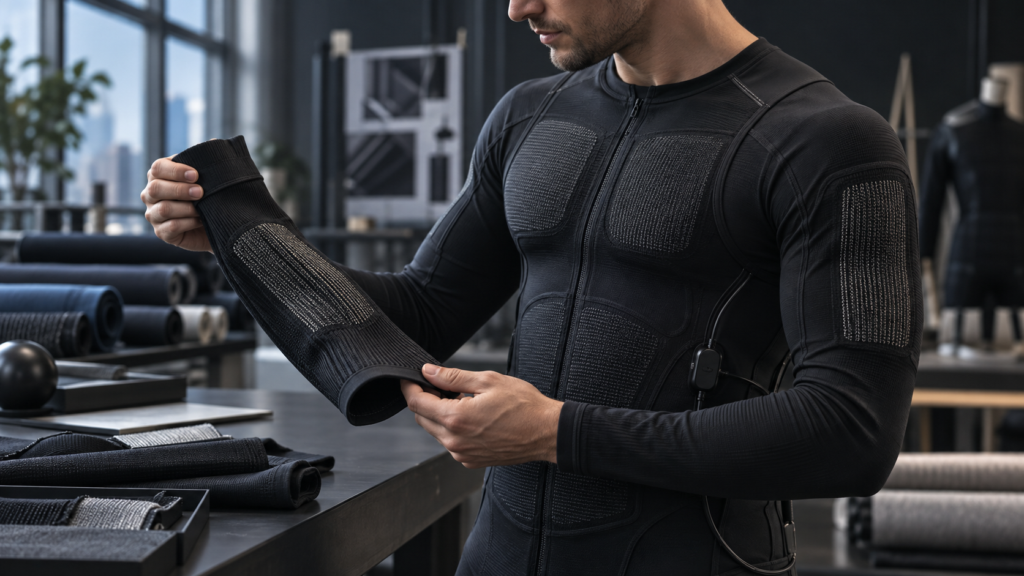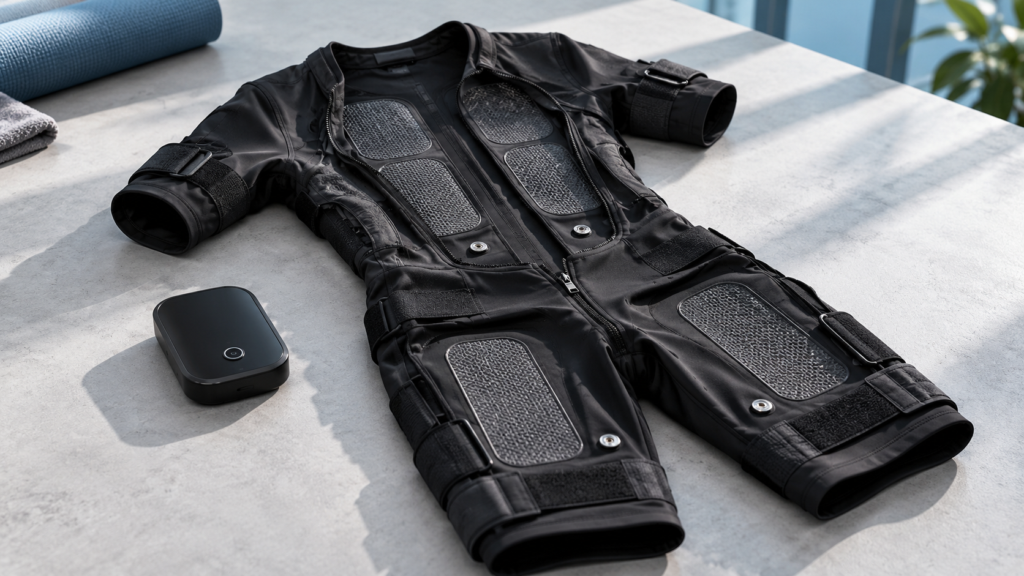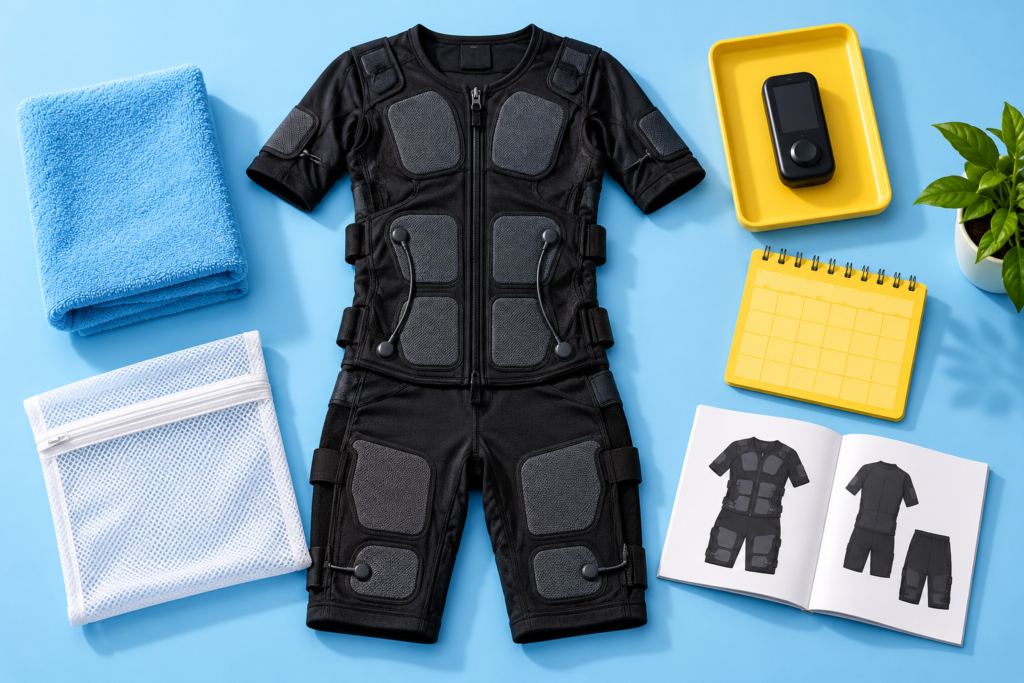

The wired versus wireless EMS suit decision is one of the most consequential equipment choices a studio operator makes — and it is a decision that depends on specific studio characteristics, session design philosophy, client population needs, and budget, rather than on any universal superiority of one technology over the other. Both wired and wireless EMS can deliver excellent professional training outcomes; the question is which technology better fits the specific context of the studio making the decision. Research into wired vs wireless EMS for studio continues to expand as more studios adopt this approach.
For some studio configurations and session design approaches, wired EMS is the clearly better choice — for others, wireless offers advantages that justify its higher cost. Understanding the specific situations where wired EMS is the better choice — and why — helps studio operators approach the equipment decision with a clear-eyed assessment of their actual needs rather than defaulting to the most recent or most prominently marketed option. Understanding wired vs wireless EMS for studio is key for any trainer looking to modernize their offering.
This article examines the specific studio characteristics and use cases where wired EMS typically represents the better equipment choice, providing a practical framework for operators making this important decision. The evidence supporting wired vs wireless EMS for studio is growing steadily in the professional fitness space.

Situations Where Wired EMS Is the Stronger Choice
Budget-constrained studio launches benefit most from choosing wired EMS. Professional wired systems typically cost meaningfully less than equivalent wireless systems — a difference that can be substantial when multiplying across multiple stations. For studios maximizing the number of operational stations within a fixed equipment budget, wired systems allow more stations for the same investment, increasing session capacity and revenue potential from day one. [source] For coaches exploring wired vs wireless EMS for studio, proper protocol design is essential.
Studios where session design does not require unrestricted movement freedom — and most traditional EMS studio session designs don’t — find that wired EMS provides all the session design capability they need without the wireless premium. The standard EMS session vocabulary of squats, lunges, core exercises, and resistance band work is fully accommodable within the cable length of professional wired systems; studios that do not specifically design for dynamic, multi-directional movement or outdoor training lose little from the cable constraint. Clients asking about wired vs wireless EMS for studio deserve clear, evidence-informed guidance.
Practitioners who prioritize the strongest available evidence base for their practice have a specific reason to favor wired EMS: nearly all of the published peer-reviewed WB-EMS research has been conducted using wired systems. For practitioners who ground their client communication in research evidence — and who want to be able to accurately cite research outcomes as applicable to their specific system — wired EMS provides the closest match between their equipment and the evidence base they reference. The practical application of wired vs wireless EMS for studio varies depending on goals and client profile.
Operational Contexts That Favor Wired EMS: Wired vs wireless EMS for studio
Fixed studio operations — where the EMS equipment remains in a permanent, professionally designed training space — experience the cable management requirements of wired systems as a well-managed routine rather than a significant operational constraint. In a purpose-designed studio where control unit stands are positioned appropriately and session flow is designed around the wired context, cable management becomes a smooth procedural element rather than an operational burden. [source] Studios investing in wired vs wireless EMS for studio report strong client retention and satisfaction.
High session volume studios — where maximizing the number of sessions conducted per day is a priority — may find wired systems operationally efficient because the between-session preparation (cable connection, electrode dampening, suit donning) follows a predictable, efficient routine. Wireless systems add battery management as an additional operational variable; ensuring all wireless units are charged and functional for a full day of sessions requires consistent battery management discipline that wired systems avoid. Anyone serious about wired vs wireless EMS for studio should prioritize certified equipment and trained staff.
Studios with simpler, entry-level EMS session design — using standardized protocols with relatively consistent intensity settings across client types — may not need the advanced software capabilities that sometimes accompany higher-end wireless systems at premium price points. The control unit capabilities of professional wired systems are fully sufficient for competent, effective EMS training without requiring the most sophisticated software features that drive wireless system costs higher. The business case for wired vs wireless EMS for studio is supported by both research and real-world results.
Making the Decision
The structured way to approach the wired-versus-wireless decision is to map your specific studio’s requirements against the genuine advantages and disadvantages of each technology. If budget is constrained and session design doesn’t require dynamic movement freedom, wired is likely the better choice. If client experience and the elimination of cable management friction are priorities and budget accommodates the premium, wireless deserves serious consideration. [source] Getting the most from wired vs wireless EMS for studio requires consistent protocol and progress tracking.
Future-proofing is sometimes cited as a reason to choose wireless from the outset — the argument that wireless is ‘where the industry is going’ and choosing wired now creates an equipment decision that will require replacement sooner. This argument has some merit but should be balanced against the reality that professional EMS equipment has multi-year operational lives, the wireless technology premium is real and significant, and the wired evidence base continues to be the research standard even as wireless develops. Safety remains a top priority in any wired vs wireless EMS for studio program.
Consulting with other operators — particularly those who have operated both wired and wireless systems, or who have made deliberate choices for specific reasons — provides practical intelligence that manufacturer demonstrations and marketing materials cannot. The professional EMS community is a valuable resource for honest comparative experience that informs better equipment decisions. Professionals offering wired vs wireless EMS for studio benefit from ongoing education and certification.

Conclusion
Wired EMS suits remain the right equipment choice for many studio operators — offering proven performance, the strongest available evidence base, lower cost, and full session design capability for the training approaches most professional EMS studios employ. The decision to choose wired over wireless should be based on an honest assessment of specific studio needs, not on assumptions that newer necessarily means better for every context. [source]
The best equipment decision is the one made with accurate information about both technologies — their genuine advantages, their real limitations, and the specific studio context in which they will operate. Wired EMS, chosen for the right reasons, will serve a professional studio excellently for years of effective client training.
Frequently Asked Questions
Is wired EMS better than wireless for a new studio?
Wired EMS is often the better choice for new studios due to lower upfront cost, fully adequate session design capability for traditional EMS training formats, and the proven professional track record. Budget-constrained studios can typically achieve more stations (and thus more session capacity) for the same investment with wired systems.
What are the main advantages of wired EMS over wireless?
Lower cost (both initial purchase and without battery management overhead), the strongest available research evidence base (nearly all WB-EMS research uses wired systems), reliable direct electrical connection without wireless signal concerns, and no battery management requirements are the primary practical advantages of professional wired EMS systems.
When should I choose wireless EMS instead?
Wireless EMS is the better choice when session design specifically requires unrestricted movement freedom (sport-specific training, dynamic circuits, outdoor training), when client experience and the elimination of cable management friction are high priorities, and when budget accommodates the wireless premium without compromising station quantity or other critical investments.
Will wired EMS become obsolete?
Professional wired EMS is unlikely to become obsolete in the near term — it remains the technical reference standard for professional EMS stimulation quality and the dominant platform in the existing research evidence base. While wireless technology is developing, the wired platform will continue to serve professional studios excellently for the foreseeable future. Equipment purchase decisions should be based on current needs, not speculative technology transitions.
How do I explain the wired EMS cable to clients?
Most clients who have a clear session experience don’t require extensive explanation of the cable. A brief explanation — ‘the cable connects your suit to the control unit so I can adjust your session in real time’ — is usually sufficient. The trainer’s competence and the quality of the session matter far more to client experience than the presence of a cable.
Category 9: Wireless EMS Suits
Blogs 132–150
Ready to explore EMS suit options? Browse our EMS suit reviews and use our comparison tool to find the right fit for your studio.