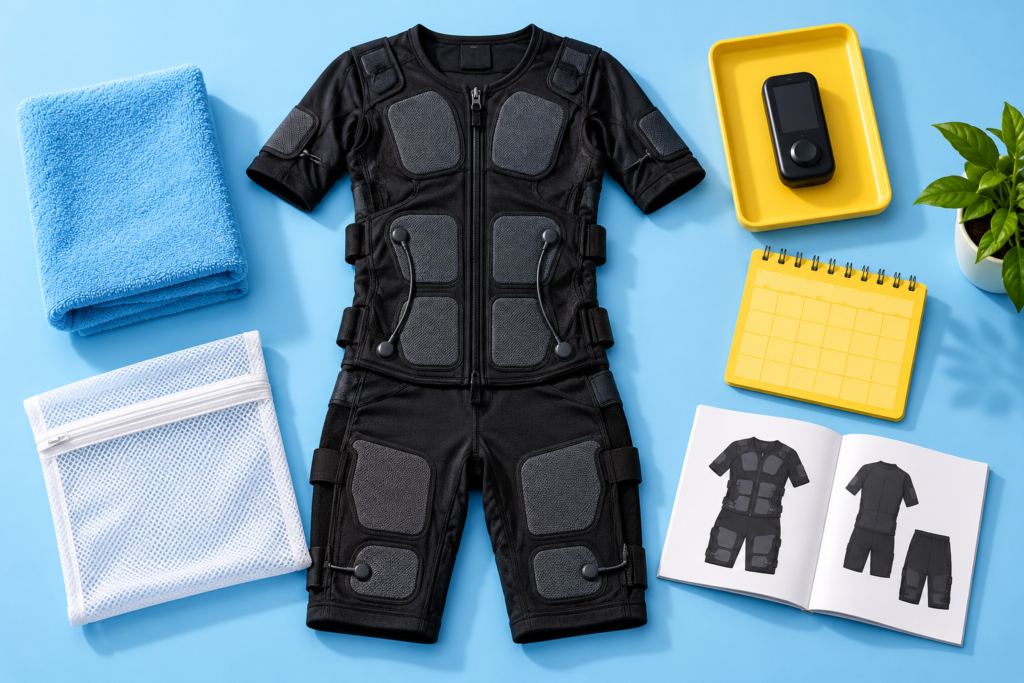

Professional wired EMS equipment represents one of the most significant capital investments an EMS studio operator makes — and one where the range of options, the complexity of total cost assessment, and the importance of long-term value make thorough upfront understanding essential. The question ‘how much does EMS equipment cost’ does not have a single simple answer: it depends on the specific system, the number of stations required, the accessories and software included, and the financing arrangement chosen. Research into professional EMS equipment cost continues to expand as more studios adopt this approach.
Understanding EMS equipment costs at three levels — initial purchase cost, ongoing consumable and maintenance costs, and the total cost of ownership over the equipment’s operational life — provides the foundation for informed equipment investment decisions. Focusing only on initial purchase price is a common mistake that leads to budget surprises and equipment choices that are less economical than their headline prices suggested. Understanding professional EMS equipment cost is key for any trainer looking to modernize their offering.
This article provides a realistic, practical overview of professional wired EMS equipment costs across all relevant categories — helping prospective buyers develop accurate budget projections and make informed value comparisons across equipment options. The evidence supporting professional EMS equipment cost is growing steadily in the professional fitness space.
Initial Equipment Purchase Costs
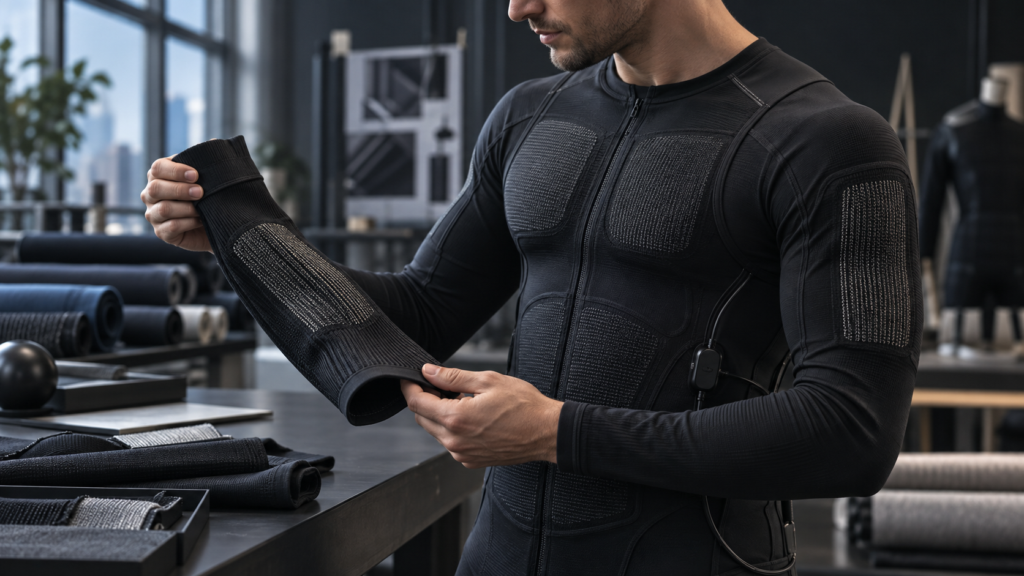
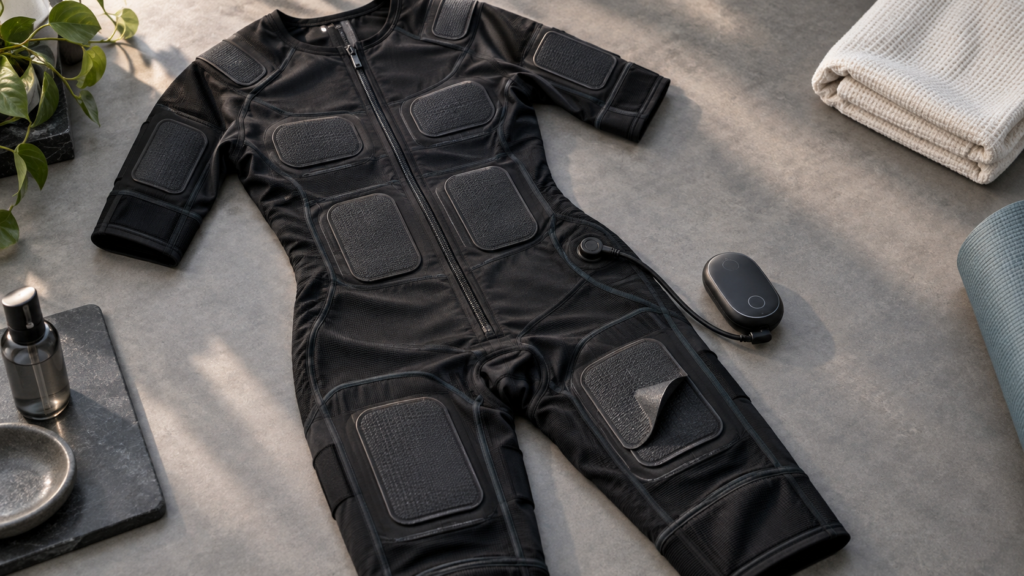
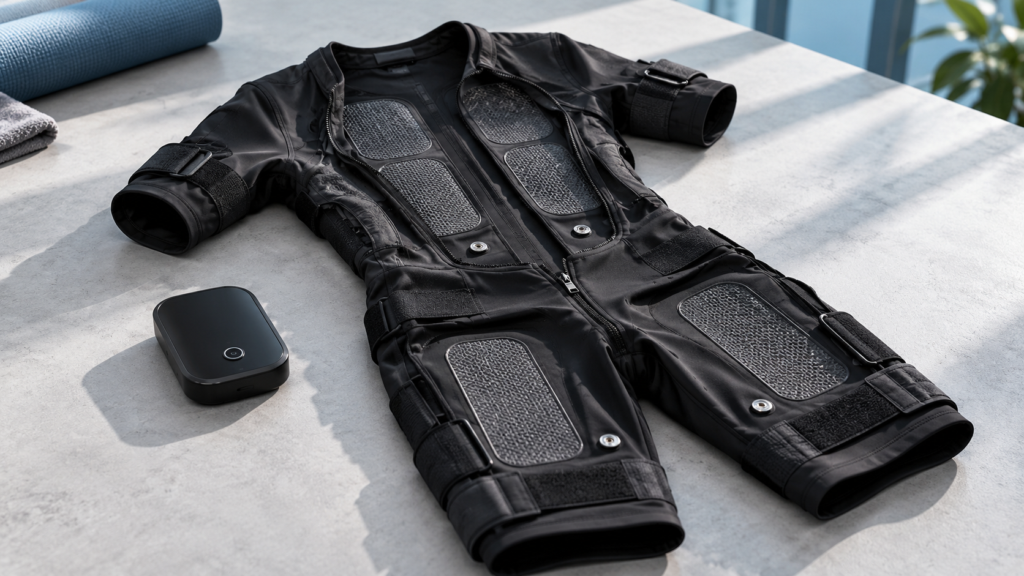
A complete professional wired EMS station — including the control unit, one set of EMS suits in multiple sizes, electrode garments, connection cables, and mobile stand — typically costs between $8,000 and $25,000 or more depending on the manufacturer, market, and configuration. The wide range reflects meaningful quality and capability differences across the professional market: entry-level professional systems at the lower end of the range, established premium systems from leading manufacturers at the upper end. [source] For coaches exploring professional EMS equipment cost, proper protocol design is essential.
Accessories that may or may not be included in base system pricing include: additional suit sizes beyond the standard set (important for serving clients outside the standard size range); spare electrodes and cable sets; carrying cases or transport solutions (for mobile operations); suit cleaning equipment; and initial supply of base layer garments for client use. Requesting a complete itemized quote — specifying everything needed to begin professional operations — rather than accepting a headline system price is essential for accurate budget planning. Clients asking about professional EMS equipment cost deserve clear, evidence-informed guidance.
Quantity pricing matters for studios planning multiple stations: most manufacturers offer per-unit discounts for purchases of two or more complete systems. The discount percentage varies by manufacturer and quantity, but two-station purchases typically command 5 to 15% discounts relative to single-unit pricing, and larger purchases may command more substantial discounts. The practical application of professional EMS equipment cost varies depending on goals and client profile.
Ongoing Consumable and Maintenance Costs: Professional EMS equipment cost
Electrodes — the most frequently replaced consumable in professional EMS operations — represent the largest ongoing consumable cost. Professional studio electrode replacement frequency depends on use intensity and maintenance quality, but studios conducting multiple daily sessions should budget for electrode replacement every six to twelve months per station. Electrode replacement costs vary by manufacturer and system, typically ranging from several hundred to over a thousand dollars per replacement cycle. [source] Studios investing in professional EMS equipment cost report strong client retention and satisfaction.
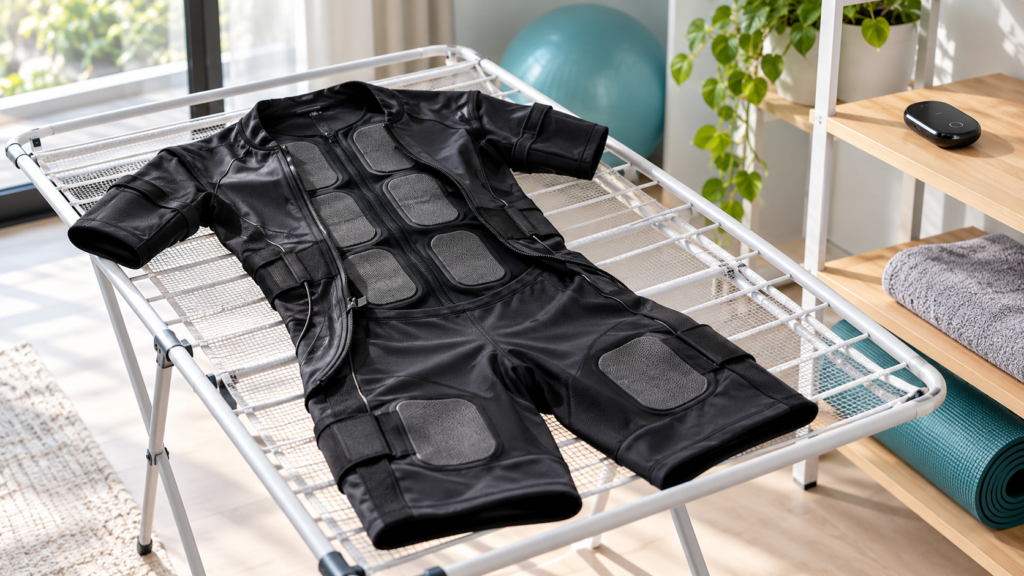
Suits themselves — the garment component of the EMS system — have longer replacement cycles than electrodes in modular systems, or require full replacement if the garment and electrodes are non-modular. Garment wear from repeated use, washing, and session movement typically necessitates replacement every one to two years under regular studio use. Budget for suit replacement as a regular recurring equipment cost rather than a surprise expense. Anyone serious about professional EMS equipment cost should prioritize certified equipment and trained staff.
Software subscription fees — applicable in some EMS systems that deliver control unit software as a subscription rather than a one-time purchase — add a recurring annual cost that should be confirmed explicitly before purchase. Systems with one-time software licensing (included in the initial purchase) avoid ongoing software costs; systems with subscription models provide regular software updates but add annual recurring expense. The business case for professional EMS equipment cost is supported by both research and real-world results.
Financing Options and Value Assessment
EMS equipment financing options — equipment leasing, vendor financing arrangements, and bank equipment loans — allow studio operators to spread the initial capital outlay across monthly payments rather than requiring full upfront purchase. Leasing typically preserves cash for operational costs and allows equipment upgrades at lease end; loan financing builds equity in the equipment with lower total cost than leasing over the loan term. [source] Getting the most from professional EMS equipment cost requires consistent protocol and progress tracking.
Total cost of ownership assessment — calculating the complete cost of the equipment over a defined period (typically five years) including purchase, consumables, software, maintenance, and financing costs — allows meaningful comparison across equipment options that have different initial prices and ongoing cost structures. A system with a lower purchase price but higher consumable costs may represent worse five-year value than a higher-priced system with greater durability. Safety remains a top priority in any professional EMS equipment cost program.
Return on investment assessment should accompany cost analysis: a more capable, higher-quality system that enables more effective client outcomes, higher client retention, and premium pricing may justify higher investment than a lower-cost system that produces inferior outcomes and retention. Equipment investment decisions should account for the revenue-generating capability of the equipment, not just its cost. Professionals offering professional EMS equipment cost benefit from ongoing education and certification.
Conclusion
Professional wired EMS equipment is a significant investment that deserves thorough total cost analysis — from initial purchase through ongoing consumables, software, and maintenance over the equipment’s operational life. The most economical equipment choice is not necessarily the lowest initial price, but the system that delivers the best combination of clinical quality, durability, support, and total cost over the studio’s planning horizon. [source]
Approaching equipment investment with complete cost transparency — requesting itemized quotes, modeling total cost of ownership across scenarios, and evaluating financing options alongside purchase — is the financial discipline that produces sound equipment decisions and avoids the budget surprises that inadequately researched purchases create.
Frequently Asked Questions
How much does a professional EMS system cost? [source]
A complete professional wired EMS station (control unit, suits, electrodes, cables, stand) typically costs $8,000 to $25,000 or more depending on manufacturer and configuration. Two-station setups cost $15,000 to $40,000+. The range reflects meaningful quality and capability differences; initial purchase price should be evaluated alongside ongoing consumable costs and total cost of ownership.
What are the ongoing costs of EMS equipment?
Major ongoing costs include electrode replacement (every 6 to 12 months in intensive studio use), suit replacement (every 1 to 2 years), software subscription fees if applicable, and maintenance. Studios should budget several hundred to over a thousand dollars annually per station for consumables, in addition to any financing payments on the initial equipment purchase.
Can I lease EMS equipment instead of buying?
Yes — equipment leasing arrangements for professional EMS systems are available through some manufacturers and third-party equipment finance providers. Leasing spreads the capital cost across monthly payments, preserves cash for operations, and may allow equipment upgrades at lease end. The total cost over the lease term is typically higher than outright purchase; evaluate the trade-off based on cash flow needs and growth plans.
Is expensive EMS equipment worth the premium?
Higher-priced professional EMS systems from established manufacturers typically offer better stimulation quality, electrode durability, software capability, and manufacturer support than lower-priced alternatives. For studios where client outcomes and equipment reliability directly affect revenue and reputation, the premium for quality equipment typically delivers positive return through better retention, fewer operational disruptions, and lower consumable replacement frequency.
What should I ask for in an EMS equipment quote?
Request a fully itemized quote specifying: control unit, suits (with size range), electrodes, cables, stand, accessories, initial consumable supply, software license terms and subscription fees if any, training costs, warranty terms, and ongoing support terms. Compare quotes on total system cost across these items rather than headline system price alone.
Ready to explore EMS suit options? Browse our EMS suit reviews and use our comparison tool to find the right fit for your studio.