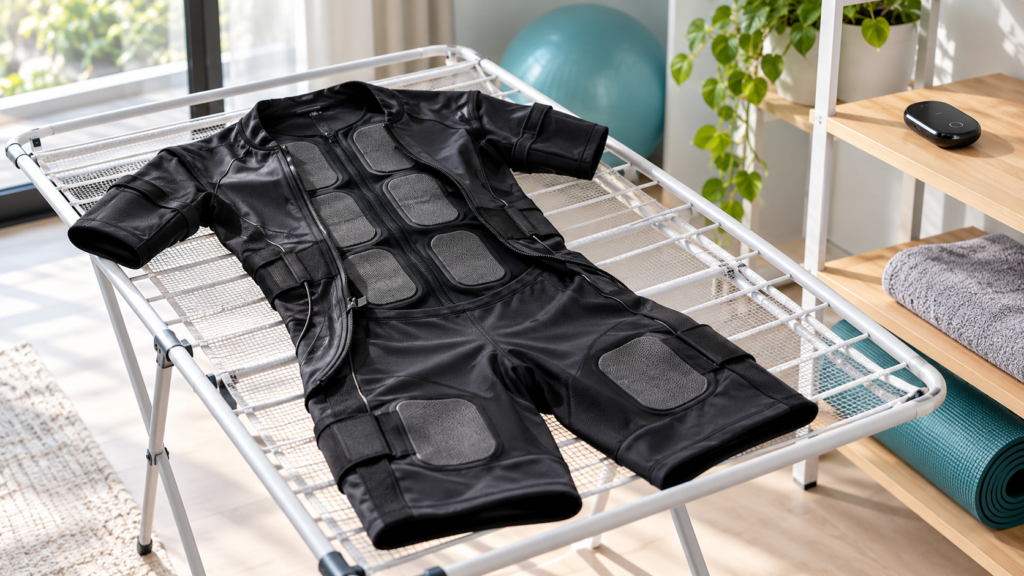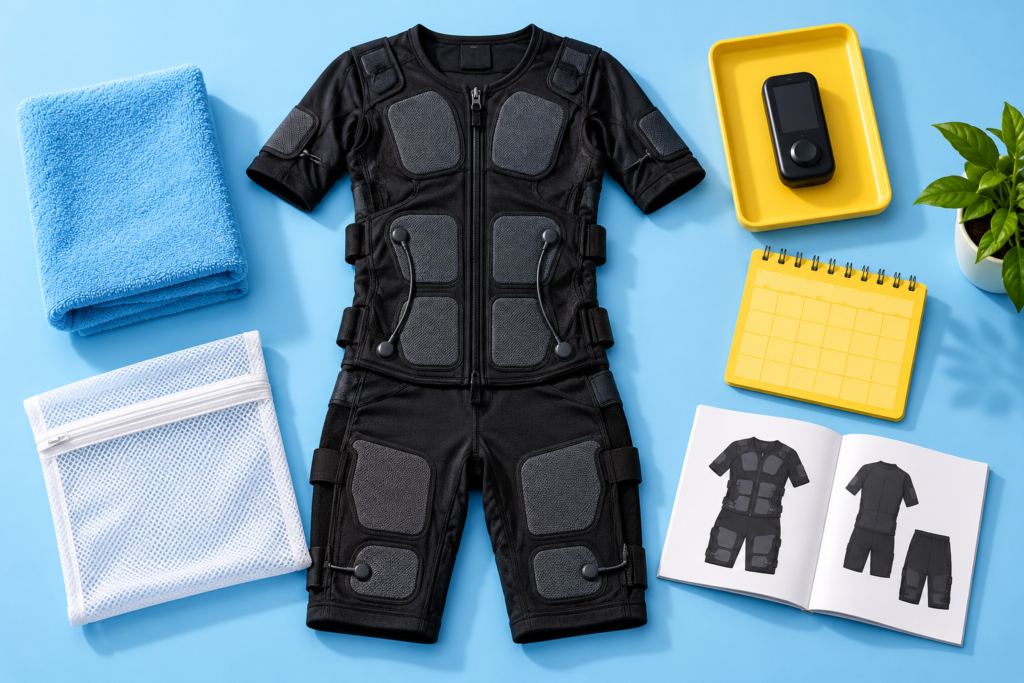
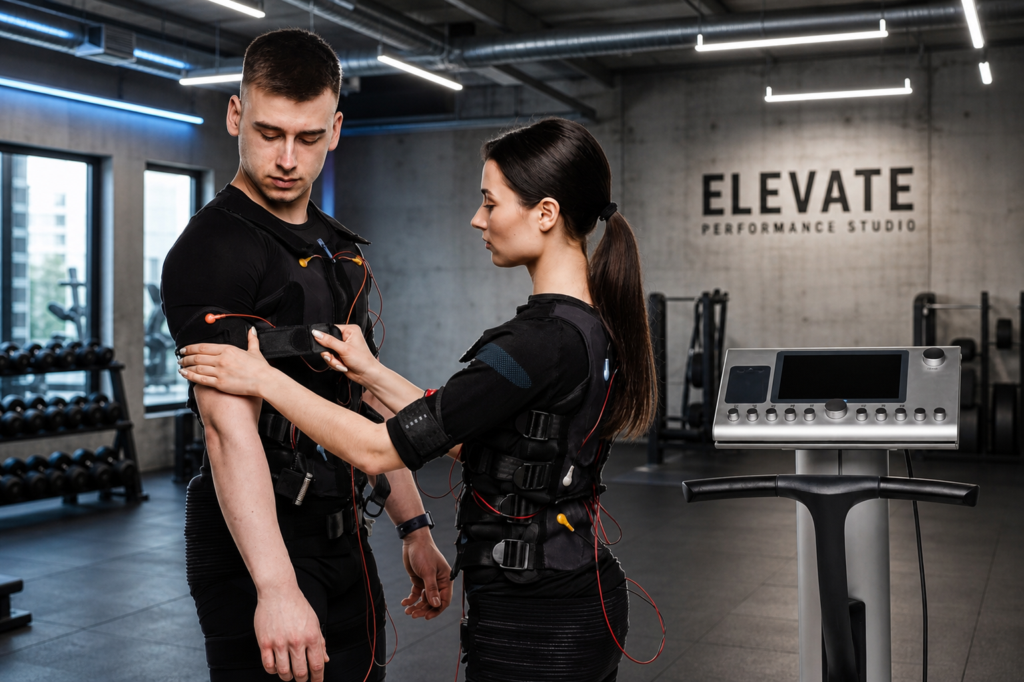
The professional EMS suit brands comparison landscape is more complex than it may initially appear. The professional wired EMS suit market is served by a number of established manufacturers, primarily European in origin, that have developed significant expertise over decades of product development. Research into comparing professional wired ems suit brands what to co continues to evolve as more studios adopt evidence-based approaches.
Professional EMS suit brands comparison decisions matter enormously in the business context. Brand selection in the EMS equipment market is a significant capital commitment — and equipment quality, reliability, and manufacturer support have direct implications for training outcomes and operational continuity. Understanding comparing professional wired ems suit brands what to co is key for any trainer looking to modernize their program.
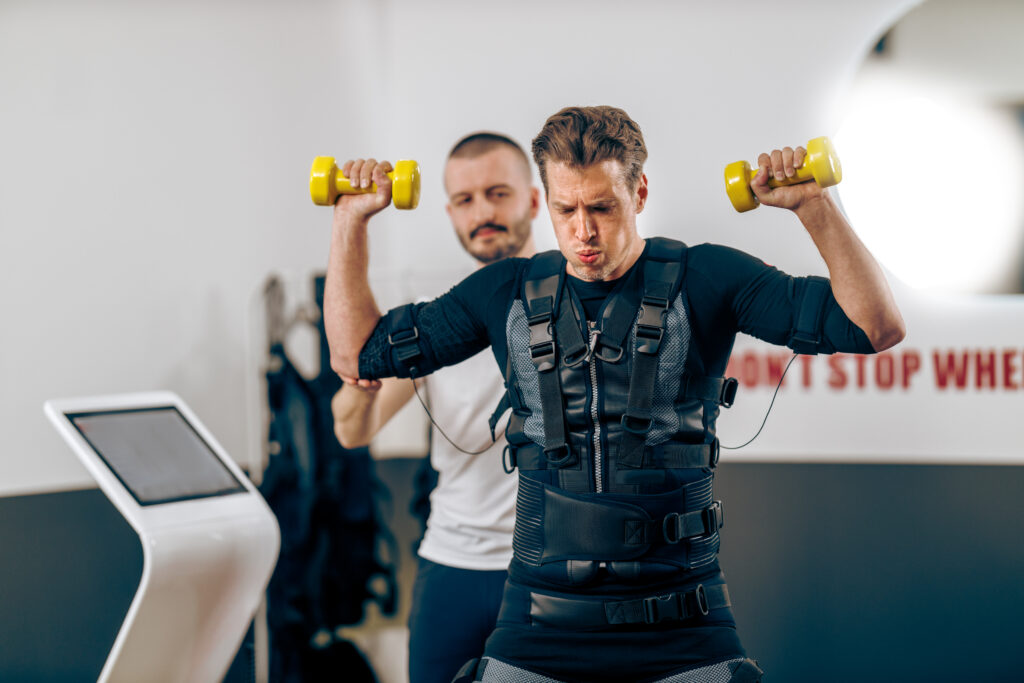
This article provides a framework for professional EMS suit brands comparison, covering the technical quality dimensions, regulatory compliance, and commercial factors that distinguish leading EMS suit manufacturer comparison options. The evidence supporting comparing professional wired ems suit brands what to co is growing steadily in the professional fitness space.
Technical Quality Dimensions
In any professional EMS suit brands comparison, stimulation quality — the precision of current delivery across muscle groups — is the most important technical differentiator. EMS quality standards for whole-body training establish what parameters matter for safe and effective stimulation. For coaches exploring comparing professional wired ems suit brands what to co, proper protocol design is essential.
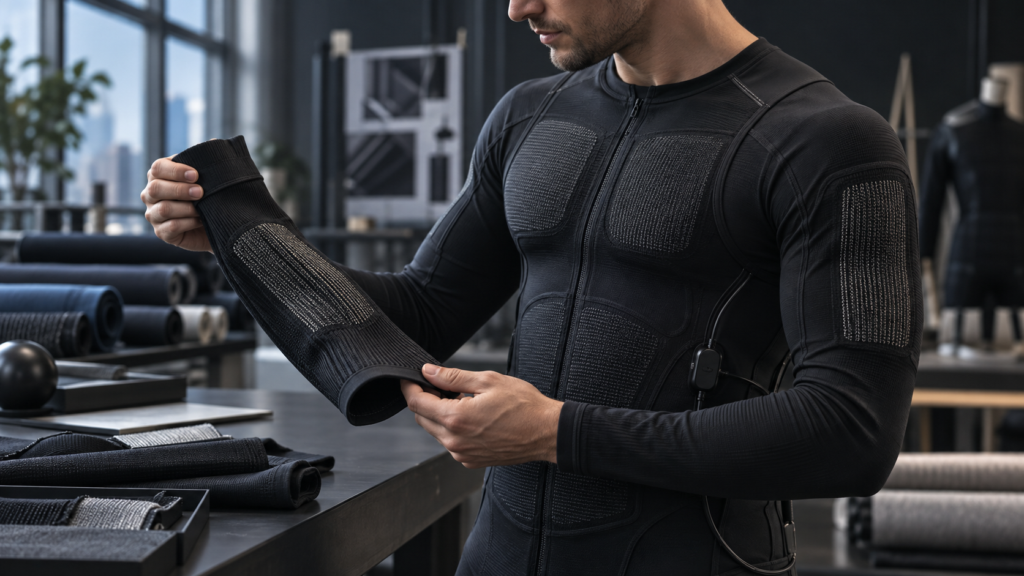
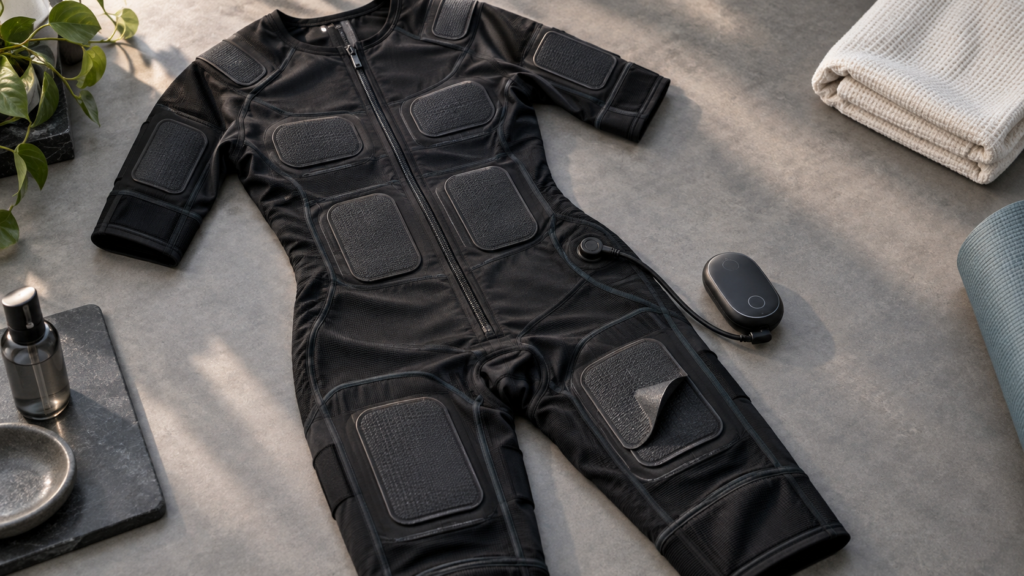
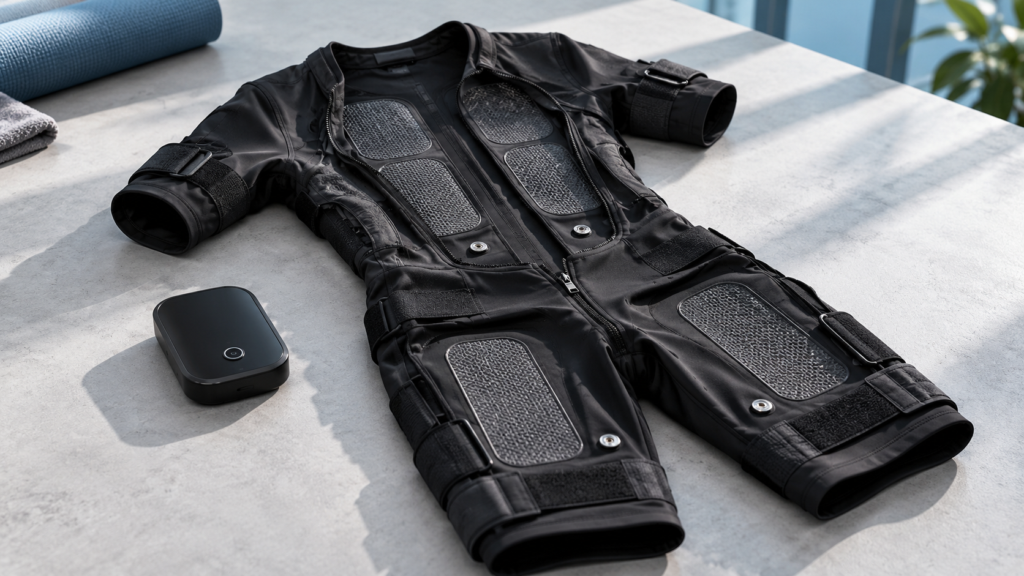
In professional EMS suit brands comparison, electrode quality and longevity — the conductivity, durability, and comfort of the electrode materials — directly affect training outcomes and operating costs. High-quality electrode systems maintain consistent performance over thousands of sessions. Clients asking about comparing professional wired ems suit brands what to co deserve clear, evidence-informed guidance.
Control unit software quality in professional EMS suit brands comparison — the user interface, programming flexibility, session customization capabilities, and data logging — varies significantly between manufacturers and affects both trainer and client experience. The practical application of comparing professional wired ems suit brands what to co varies depending on goals and client profile.
Regulatory, Support, and Commercial Dimensions: Comparing professional wired ems suit brands what to co
Regulatory compliance is a non-negotiable evaluation criterion in professional EMS suit brands comparison. FDA guidance on powered muscle stimulators establishes clear criteria for medical device classification, and professional EMS equipment should meet applicable regulatory requirements in the markets where it is used. Studios investing in comparing professional wired ems suit brands what to co report strong client retention and satisfaction.
Manufacturer training and certification programs are essential elements in professional EMS suit brands comparison. The best EMS suit brands provide comprehensive trainer education resources, ongoing support, and certification programs that help studios maintain service quality. Anyone serious about comparing professional wired ems suit brands what to co should prioritize certified equipment and trained staff.
Long-term support quality — parts availability, technical service access, software updates — is a dimension of professional EMS suit brands comparison that deserves more attention than it typically receives. Equipment failures in a studio context have direct revenue implications. The business case for comparing professional wired ems suit brands what to co is supported by both research and real-world results.
Making the Decision
A comprehensive professional EMS suit brands comparison process should include direct equipment trials, reference checks with existing studio operators, detailed technical specification review, and financial analysis of total cost of ownership. Best EMS suit brands are those that perform reliably over years of intensive use. Getting the most from comparing professional wired ems suit brands what to co requires consistent protocol and progress tracking.
Cost should be evaluated on a total cost of ownership basis in any EMS suit quality comparison: initial purchase price, expected consumable costs (electrode replacement, suit maintenance), financing or leasing options, and the cost implications of different warranty terms. Safety remains a top priority in any comparing professional wired ems suit brands what to co program.
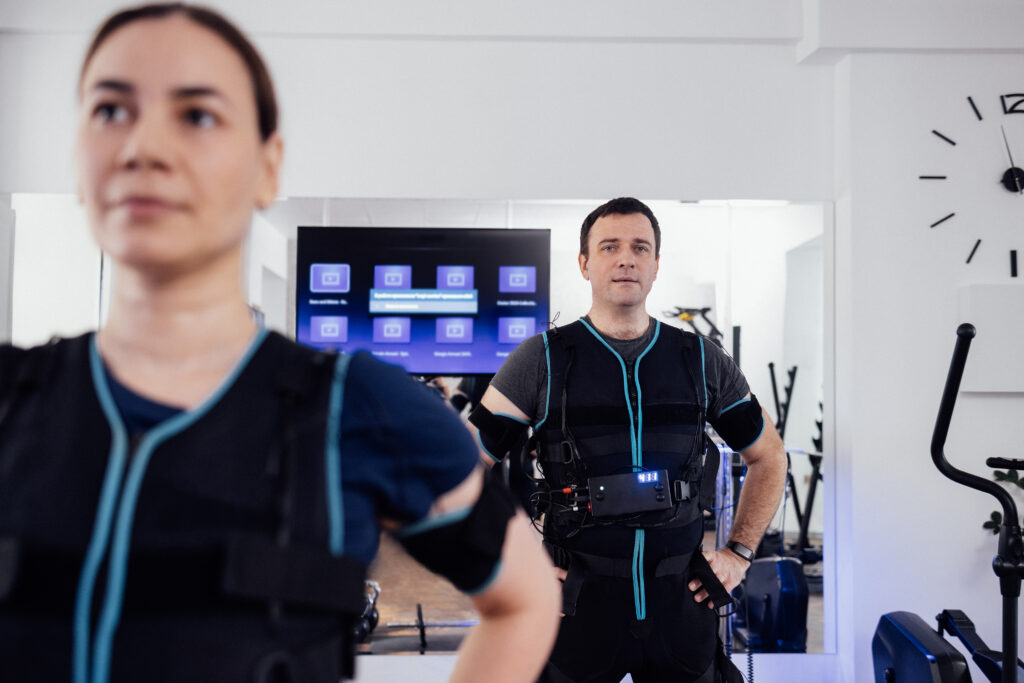
Trial periods — where the manufacturer allows extended evaluation of the equipment before purchase commitment — are valuable risk management for significant equipment investments. Some manufacturers offer trial arrangements that allow operators to assess the system with actual clients over a period of weeks before finalizing the purchase decision; taking advantage of these opportunities where available reduces the risk of significant investment in equipment that proves unsuitable for the specific studio context. Professionals offering comparing professional wired ems suit brands what to co benefit from ongoing education and certification.
Conclusion
Professional EMS suit brands comparison reveals that the major established brands share certain fundamental quality standards but differ in their specific technical implementations, software sophistication, and commercial support structures. Professional EMS equipment brands from Europe tend to lead in clinical validation and regulatory compliance.
The right brand for a specific studio in any professional EMS suit brands comparison is the one whose technical specifications match your training protocols, whose support infrastructure matches your geographic location, and whose total cost of ownership fits your business model.
Ready to compare professional EMS suit brands? Explore our detailed brand reviews and product reviews, or use our product comparison tool to evaluate options side by side.
Frequently Asked Questions
How do I compare EMS suit brands?
Evaluate: technical specifications (frequency range, channel count, waveform type); electrode quality and lifespan; control unit software capabilities; regulatory compliance documentation; training and certification program quality; manufacturer support track record from existing operators; and total cost of ownership including consumables. Speak with current operators through independent professional networks rather than relying solely on manufacturer-provided references.
Are European EMS brands better than others?
European manufacturers were the pioneers of professional WB-EMS systems and the longest-established brands typically originate from German-speaking Europe. Longevity and market experience are positive indicators, but quality varies within any geographic origin. Evaluate each specific brand on its technical merits, regulatory compliance, and support quality rather than on geographic origin.
Do EMS suit brands matter for training results?
Brand choice affects training results through the technical quality of stimulation delivery, electrode coverage and positioning accuracy, and the control unit’s protocol design capabilities. A higher-quality professional system from a reputable manufacturer delivers more consistent, precisely calibrated stimulation than lower-quality alternatives — with meaningful effects on training outcomes and client experience.
Can I use EMS suits from one brand with a control unit from another?
EMS suits and control units from different manufacturers typically use proprietary connection systems and are not cross-compatible without adaptation. Mixing components from different manufacturers risks incompatible connections, inconsistent current delivery, safety system failures, and voiding of manufacturer warranties. System components should be from the same manufacturer unless cross-compatibility is explicitly confirmed.
How long do professional EMS systems last?
High-quality professional EMS systems — with proper maintenance — typically have operational lives of five to ten years or more for the control unit. Suits and electrodes have shorter operational lives (one to three years under regular studio use depending on maintenance quality). Total cost of ownership calculations should account for consumable replacement frequency over the expected equipment lifetime.
Ready to explore EMS suit options? Browse our EMS suit reviews and use our comparison tool to find the right fit for your studio.