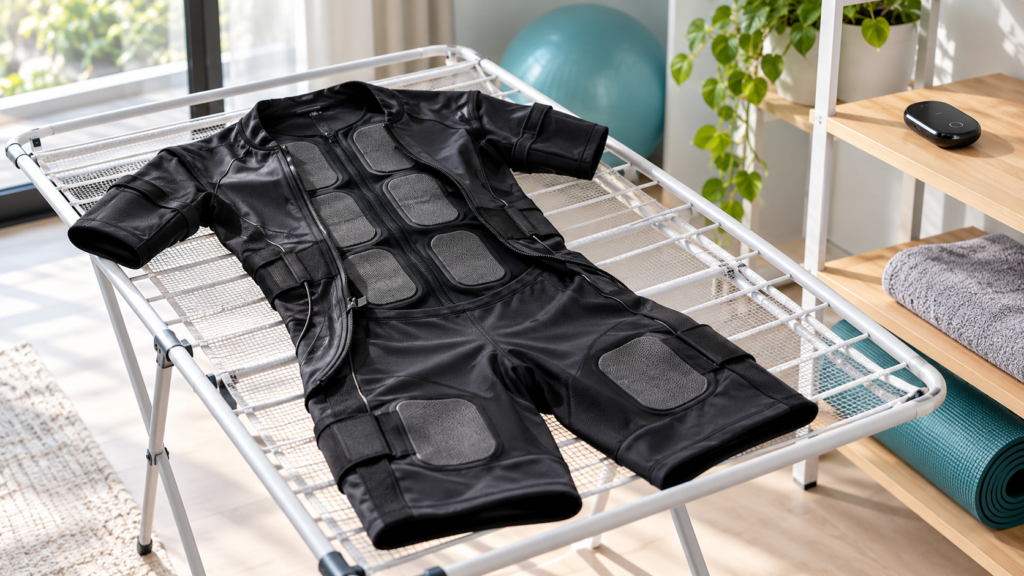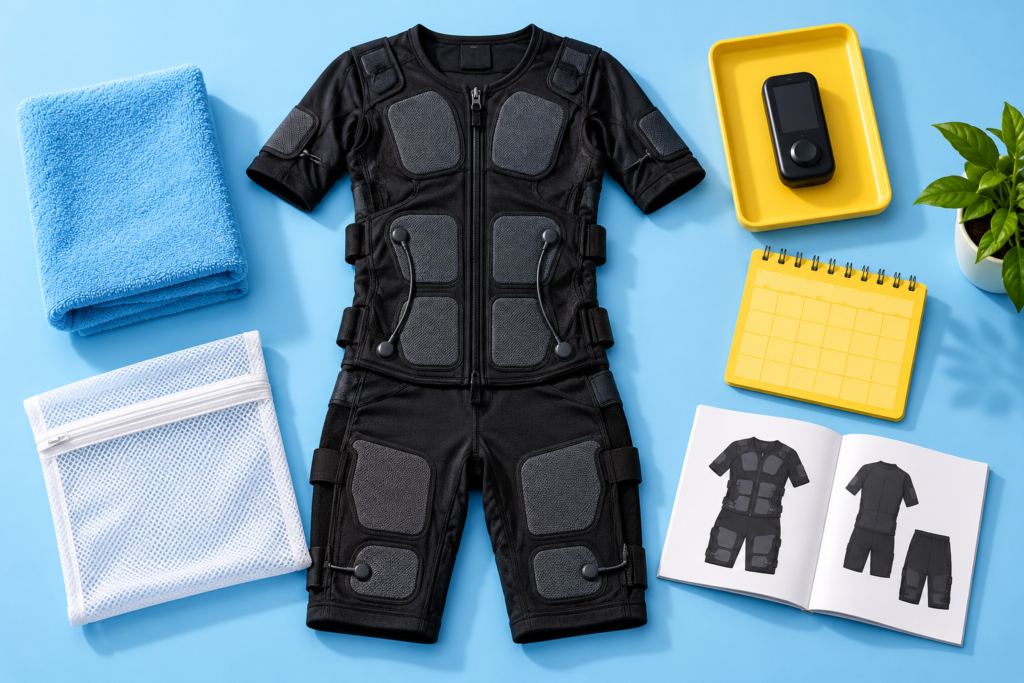
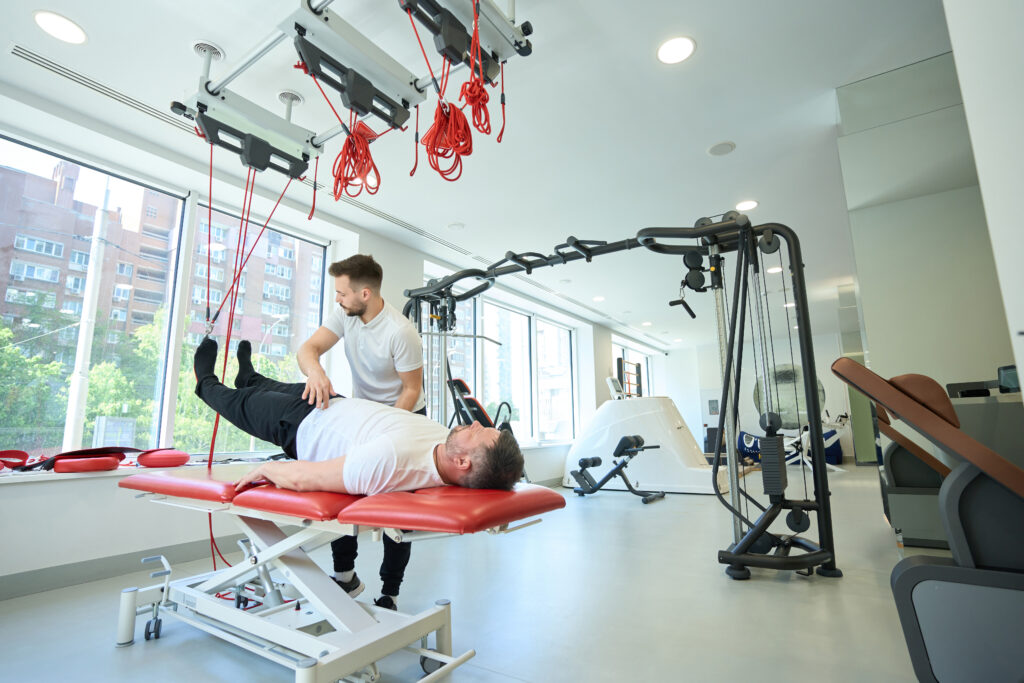
Wired EMS suits occupy a meaningful space in clinical medicine and allied health — not only in physiotherapy rehabilitation, which has been explored in earlier articles, but in a broader range of clinical contexts where the muscle activation and cardiovascular effects of EMS address specific medical needs. The clinical applications of wired EMS extend from cardiac rehabilitation to chronic disease management to the management of sarcopenia in frail elderly patients — populations for whom conventional exercise is often insufficient or impossible but for whom muscle stimulation and cardiovascular activation are clinically important. Research into EMS suit clinical medical use continues to expand as more studios adopt this approach.
The regulatory context for EMS in clinical settings is more formalized than in fitness settings: professional EMS equipment used in clinical contexts is typically classified as a medical device with corresponding regulatory requirements, and clinical EMS protocols are developed and supervised by licensed healthcare professionals. This regulatory and professional framework reflects the higher stakes and more complex health contexts of clinical EMS application. Understanding EMS suit clinical medical use is key for any trainer looking to modernize their offering.
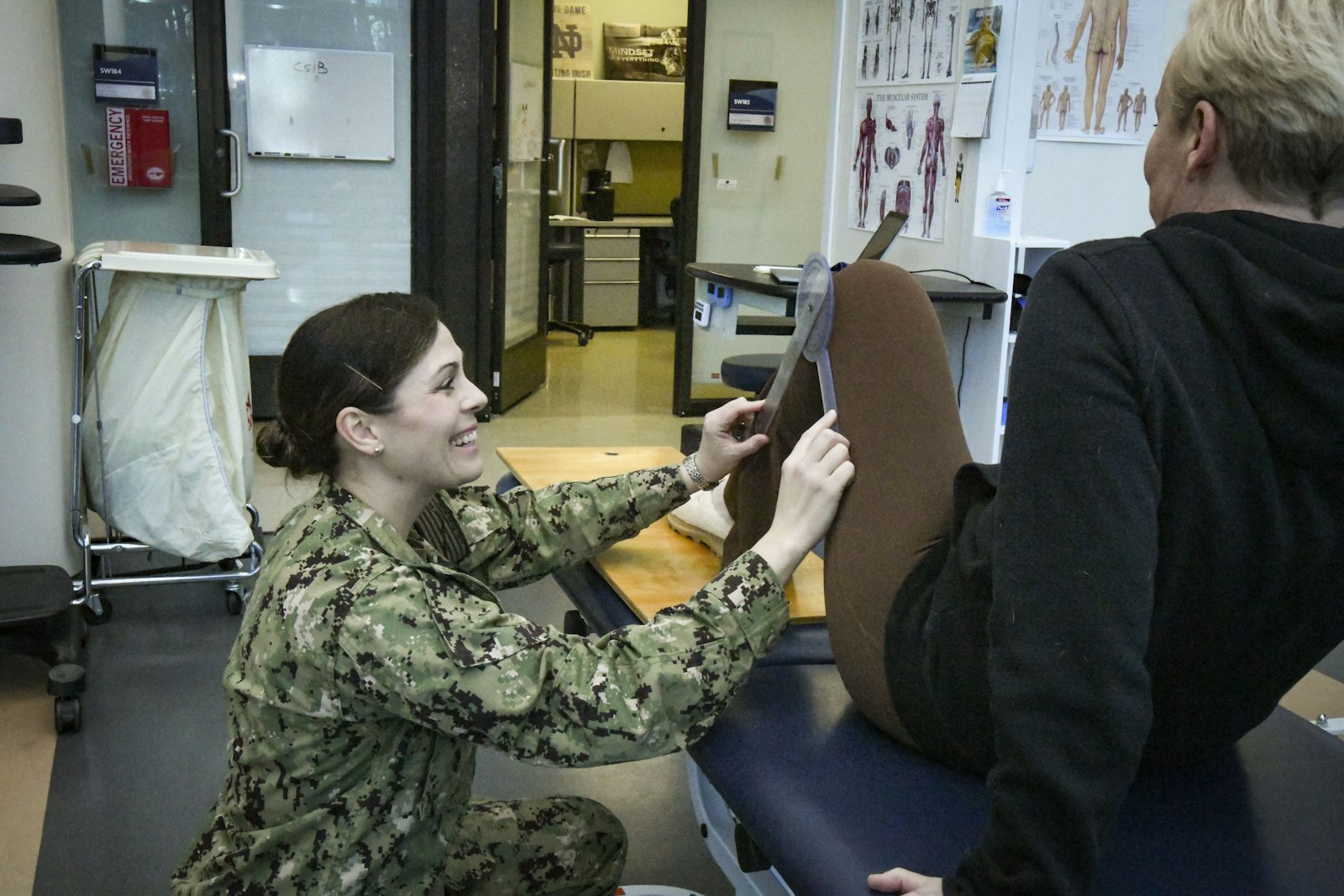
This article examines the primary clinical and medical applications of wired EMS suits beyond physiotherapy rehabilitation — where the evidence is meaningful, what the clinical rationale is, and how clinical EMS differs from fitness EMS in its approach and requirements. The evidence supporting EMS suit clinical medical use is growing steadily in the professional fitness space.
Cardiac Rehabilitation
Cardiac rehabilitation — the structured exercise and lifestyle intervention program following myocardial infarction, heart failure, or cardiac surgery — is an area where WB-EMS has attracted increasing clinical research interest. Conventional cardiac rehabilitation programs include progressive aerobic exercise and resistance training, but many cardiac patients have functional limitations — reduced exercise tolerance, orthopedic limitations, or debilitating fatigue — that prevent participation in conventional exercise at therapeutic intensities. [source] For coaches exploring EMS suit clinical medical use, proper protocol design is essential.
WB-EMS’s ability to provide a meaningful cardiovascular and muscular training stimulus at low voluntary effort levels makes it potentially applicable for cardiac patients who cannot yet tolerate conventional exercise. Research examining WB-EMS in chronic heart failure patients has found improvements in functional capacity (measured by six-minute walk test distance), muscle strength, and quality of life measures — outcomes directly relevant to the goals of cardiac rehabilitation. Clients asking about EMS suit clinical medical use deserve clear, evidence-informed guidance.
Clinical EMS application in cardiac patients requires specific expertise and careful patient selection: the cardiovascular responses to WB-EMS (elevated heart rate and blood pressure) must be managed within the patient’s cardiac tolerance, and the contraindication of implanted cardiac devices (pacemakers, ICDs) is absolutely relevant in a population with elevated prevalence of these devices. Cardiac rehabilitation EMS protocols are designed and supervised by cardiac rehabilitation specialists in collaboration with the patient’s cardiologist. The practical application of EMS suit clinical medical use varies depending on goals and client profile.
Chronic Disease Management: EMS suit clinical medical use
Metabolic syndrome — the cluster of conditions including abdominal obesity, insulin resistance, elevated blood pressure, and dyslipidemia that substantially increases cardiovascular disease risk — is a clinical context where WB-EMS research has found meaningful improvements. Multiple studies have found that WB-EMS training produces reductions in waist circumference, improvements in insulin sensitivity markers, and favorable blood lipid changes in individuals with metabolic syndrome — outcomes that directly address the clinical targets of metabolic syndrome management. [source] Studios investing in EMS suit clinical medical use report strong client retention and satisfaction.
Type 2 diabetes management is another area where EMS has attracted clinical interest, given the established benefits of exercise for glucose metabolism and insulin sensitivity and the barriers that physical limitations create for many patients with diabetes and its comorbidities. Research has found EMS training produces improvements in HbA1c and fasting glucose measures in diabetic populations, though the evidence base is still developing and clinical EMS for diabetes management should be conducted under medical supervision with appropriate glycemic monitoring. Anyone serious about EMS suit clinical medical use should prioritize certified equipment and trained staff.
Chronic obstructive pulmonary disease (COPD) presents a condition where conventional exercise is severely limited by breathlessness — and where peripheral muscle weakness compounds the functional impairment of respiratory limitation. EMS stimulation of peripheral muscles (particularly leg muscles) in COPD patients produces muscle conditioning with lower ventilatory demand than conventional leg exercise, potentially enabling muscle development in patients for whom breathlessness makes conventional exercise impractical. The business case for EMS suit clinical medical use is supported by both research and real-world results.
Geriatric Medicine and Frailty
Frailty — the state of reduced physiological reserve and increased vulnerability to adverse health outcomes that develops in some older adults — is associated with sarcopenia, functional decline, and increased fall and hospitalization risk. Exercise intervention is the most evidence-supported treatment for frailty, but frail older adults often cannot perform conventional resistance training at the intensities needed for meaningful adaptation. [source] Getting the most from EMS suit clinical medical use requires consistent protocol and progress tracking.
WB-EMS has been specifically examined in frail and pre-frail older adult populations, with research findings showing improvements in grip strength, gait speed, and functional performance measures — outcomes directly relevant to frailty reversal and independence maintenance. The capacity of WB-EMS to provide a meaningful muscle activation stimulus in a 20-minute supervised session, without requiring the physical effort of conventional exercise, makes it particularly valuable for this population. Safety remains a top priority in any EMS suit clinical medical use program.
Clinical EMS application in geriatric settings requires the most conservative intensity management and the most careful contraindication screening of any EMS context — given the elevated prevalence of cardiac devices, cardiovascular conditions, and other contraindications in elderly populations. Programs should be developed by geriatricians or clinical exercise physiologists with specific expertise in frail older adult assessment. Professionals offering EMS suit clinical medical use benefit from ongoing education and certification.
Conclusion
Wired EMS suits serve important clinical functions across a range of medical settings — from cardiac rehabilitation to chronic disease management to frailty intervention — where conventional exercise is insufficient or inaccessible but where the physiological benefits of muscle activation and cardiovascular stimulation are clinically important. The evidence base for these clinical applications is meaningful and growing.
Clinical EMS is distinct from fitness EMS in its regulatory context, the expertise of supervising professionals, the populations served, and the careful individualization of protocols that complex health conditions require. Healthcare professionals considering EMS for clinical populations and fitness EMS operators who receive referrals from clinical contexts should understand both the applications and the important differences in approach that clinical use requires.
Frequently Asked Questions
Is EMS used in hospitals?
Yes — wired EMS technology (typically called NMES in clinical contexts) is used in hospital physiotherapy departments, cardiac rehabilitation programs, and geriatric medicine contexts. Clinical applications are supervised by licensed healthcare professionals and follow specific protocols designed for the patient populations and clinical goals involved.
Can EMS help people with heart disease?
EMS has been studied in cardiac rehabilitation contexts and in chronic heart failure patients, with research findings showing improvements in functional capacity and quality of life measures. EMS in cardiac populations must be conducted under medical supervision, with careful attention to cardiovascular response and the absolute contraindication of implanted cardiac devices.
Is EMS used for diabetes management?
EMS training has been found to improve insulin sensitivity markers and glycemic control measures in research involving type 2 diabetic populations. Clinical EMS for diabetes management should be conducted under medical supervision with appropriate glycemic monitoring. EMS complements rather than replaces conventional diabetes management approaches.
Can frail elderly people use EMS?
Yes — WB-EMS has been specifically examined in frail and pre-frail older adult populations with encouraging results for strength and functional performance. Clinical EMS for frail elderly requires the most conservative intensity management and careful contraindication screening, and should be conducted under geriatric medicine or clinical exercise physiology supervision.
What is the difference between clinical NMES and fitness EMS?
Clinical NMES and fitness EMS use the same fundamental electrical stimulation technology, but differ in regulatory context (medical device vs. fitness equipment classification), supervising professional qualifications (licensed healthcare providers vs. certified EMS trainers), the populations served (patients with medical conditions vs. wellness clients), and the clinical context and oversight of protocols.
Ready to explore EMS suit options? Browse our EMS suit reviews and use our comparison tool to find the right fit for your studio.