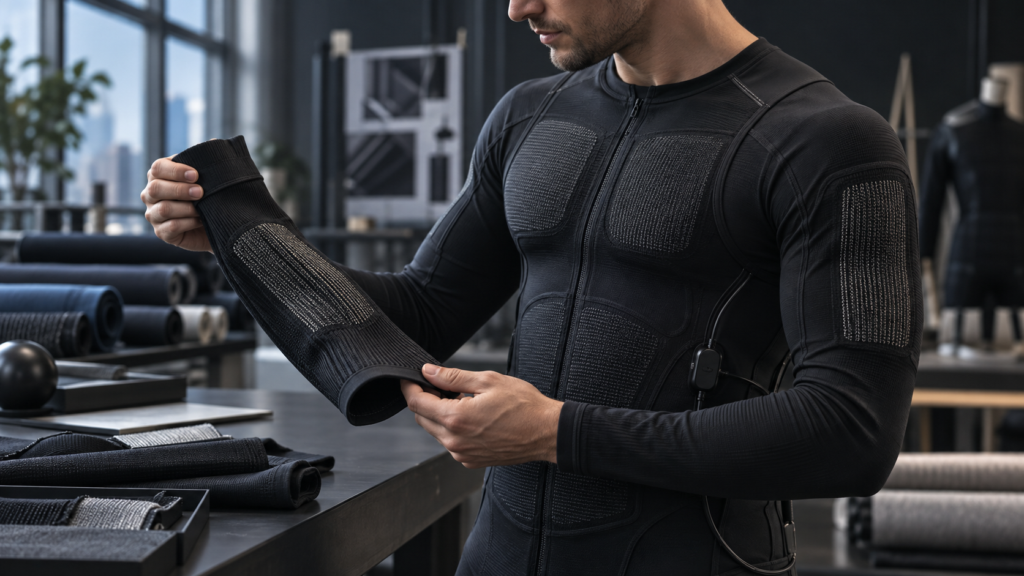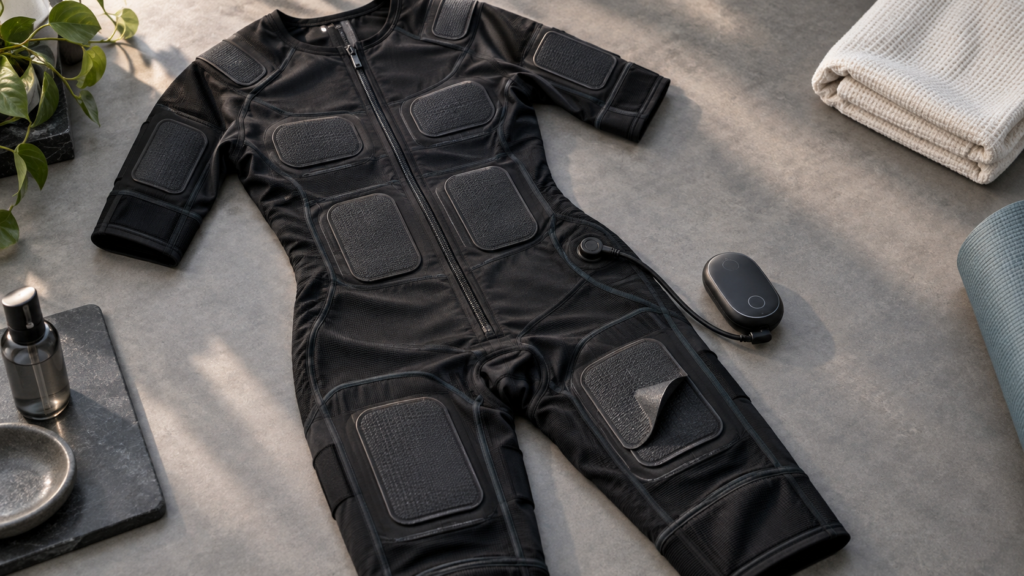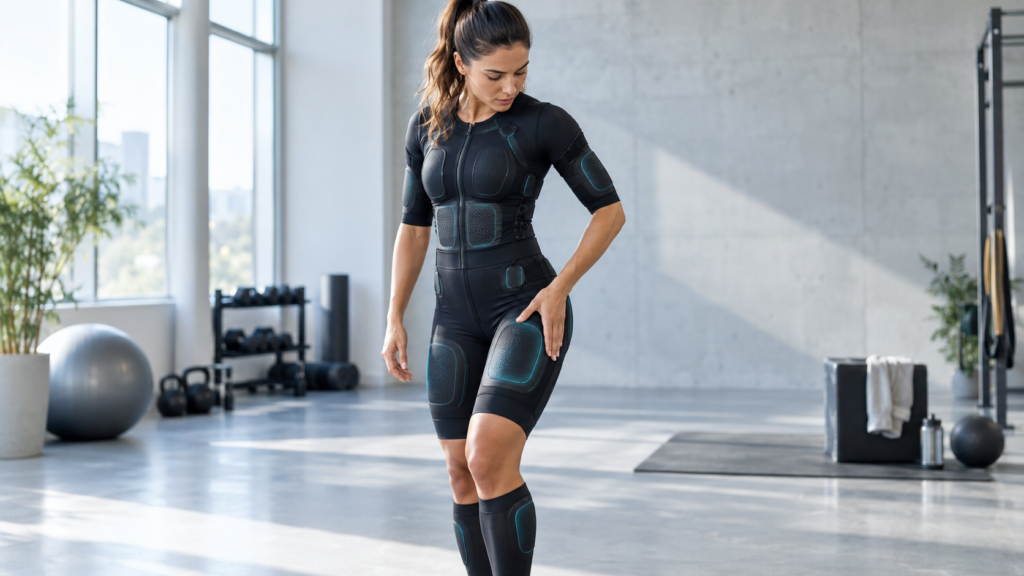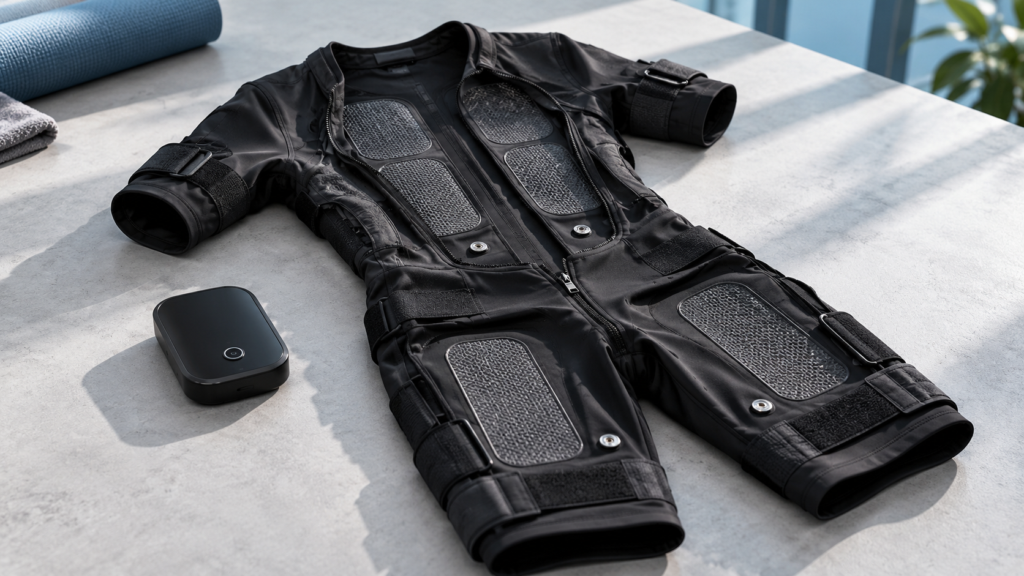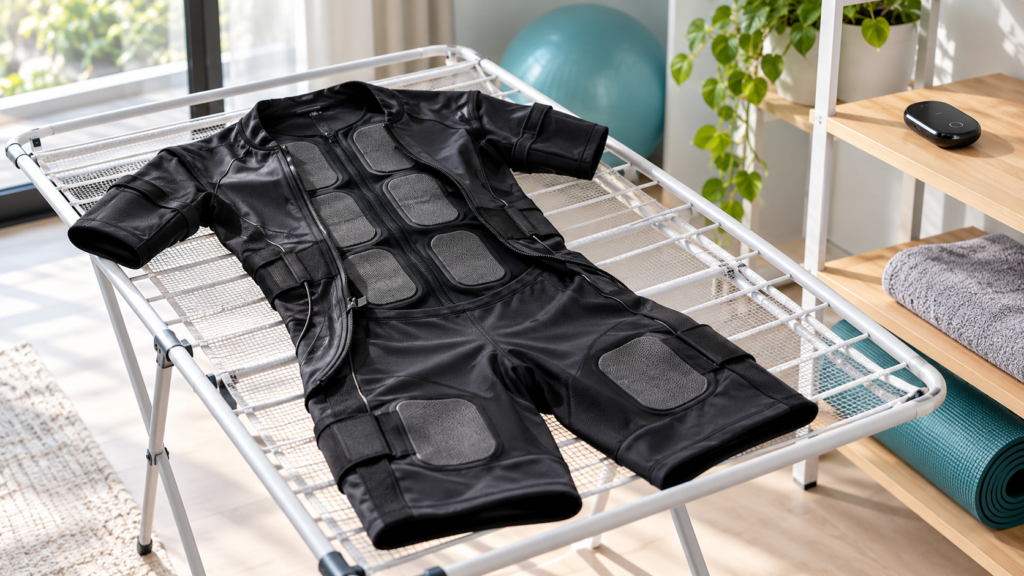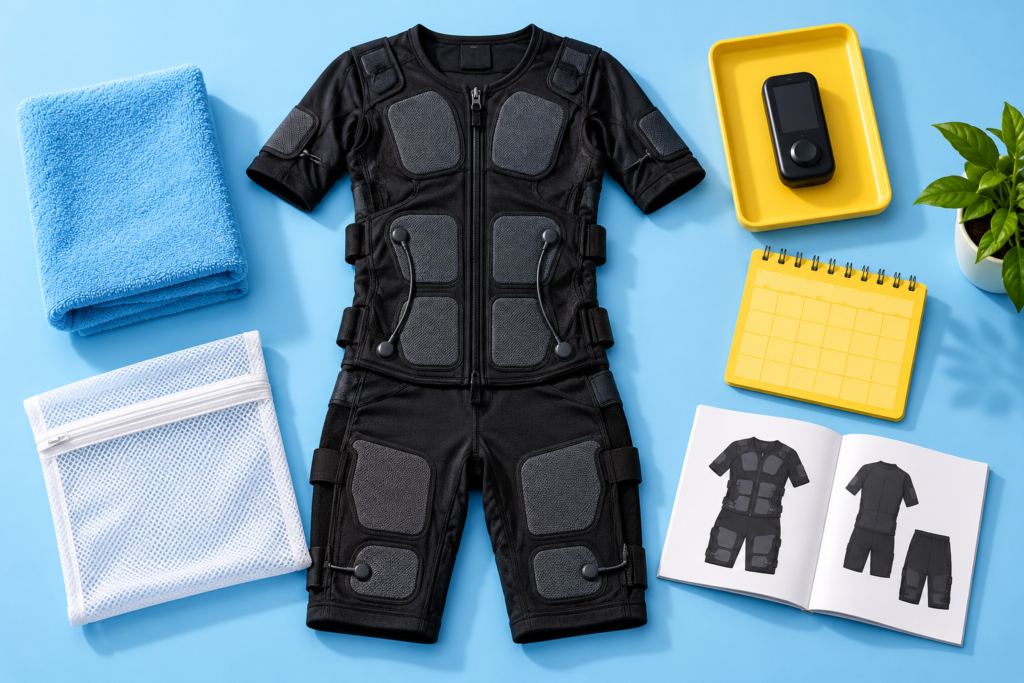
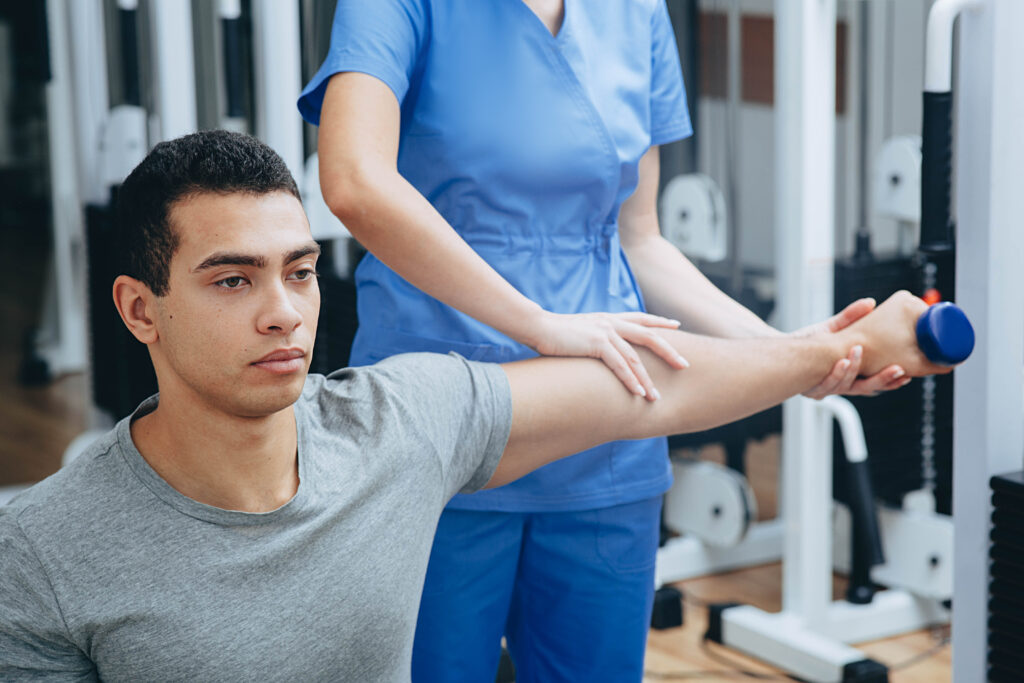
Before EMS became a mainstream fitness technology, it was a clinical rehabilitation tool. Neuromuscular electrical stimulation (NMES) — the formal clinical term for what fitness applications call EMS — has been used in physiotherapy and rehabilitation medicine for decades, with an extensive evidence base supporting its use in specific clinical contexts. The rehabilitation applications of EMS provided both the foundational knowledge that fitness EMS is built on and the demonstration of safety and efficacy that informed the development of professional training protocols. Research into wired EMS suit physical therapy rehabilitation continues to expand as more studios adopt this approach.
Wired EMS technology in rehabilitation contexts differs in some important ways from fitness applications: clinical protocols are typically more conservative in intensity, more precisely targeted to specific muscle groups relevant to the rehabilitation goal, more carefully integrated with the overall rehabilitation program, and managed by physiotherapists with clinical training in both the underlying condition and the EMS application. The rehabilitation EMS literature provides some of the strongest evidence for EMS efficacy because the clinical trial standards of rehabilitation research are more rigorous than much fitness research. Understanding wired EMS suit physical therapy rehabilitation is key for any trainer looking to modernize their offering.

This article examines how wired EMS is used in physical therapy and rehabilitation — the clinical contexts where evidence is strongest, the protocols that characterize clinical use, and the boundary between rehabilitation EMS and fitness EMS that practitioners should understand. The evidence supporting wired EMS suit physical therapy rehabilitation is growing steadily in the professional fitness space.
Post-Surgical Muscle Rehabilitation
One of the most well-established clinical applications of wired EMS in rehabilitation is post-surgical muscle maintenance and recovery — particularly following orthopedic surgeries that involve immobilization or non-weight-bearing periods during which muscle atrophy would otherwise progress rapidly. Knee replacement, ACL reconstruction, hip replacement, and rotator cuff repair are among the surgeries for which EMS muscle maintenance during early post-surgical recovery has been studied and found beneficial. [source] For coaches exploring wired EMS suit physical therapy rehabilitation, proper protocol design is essential.
Post-surgical EMS protocols typically involve low-to-moderate intensity stimulation targeting the muscles most affected by the surgical intervention — the quadriceps following knee surgery, the rotator cuff following shoulder surgery — at intensities that produce muscle activation without stressing healing surgical sites. The goal is to maintain neuromuscular activation and slow the atrophy that occurs during the unavoidable period of reduced weight-bearing or limited voluntary exercise. Clients asking about wired EMS suit physical therapy rehabilitation deserve clear, evidence-informed guidance.
Research on post-surgical EMS has consistently found that EMS-treated patients experience less muscle cross-sectional area loss during immobilization, demonstrate faster strength recovery post-immobilization, and in some studies achieve earlier functional independence milestones than non-EMS-treated controls. These findings have contributed to EMS becoming a standard component of post-surgical rehabilitation protocols in many physiotherapy settings. The practical application of wired EMS suit physical therapy rehabilitation varies depending on goals and client profile.
Neurological Rehabilitation: Wired EMS suit physical therapy rehabilitation
EMS has significant applications in neurological rehabilitation — supporting muscle activation in individuals whose voluntary motor control has been affected by stroke, spinal cord injury, or other neurological conditions. Functional electrical stimulation (FES) — a specialized clinical application of EMS in which stimulation is timed to assist functional movement like walking — has demonstrated meaningful outcomes for stroke-affected lower extremity function and is the subject of active clinical research. [source] Studios investing in wired EMS suit physical therapy rehabilitation report strong client retention and satisfaction.
For individuals with incomplete spinal cord injuries — where some voluntary motor function is preserved but is insufficient for normal movement — EMS can supplement the partial voluntary activation with electrical stimulation, enabling functional movement that voluntary control alone cannot achieve. This clinical application requires sophisticated, individually prescribed stimulation protocols developed by rehabilitation specialists with deep expertise in both the neurological condition and EMS technology. Anyone serious about wired EMS suit physical therapy rehabilitation should prioritize certified equipment and trained staff.
In the context of stroke rehabilitation, EMS stimulation of the affected limb’s muscles — particularly the wrist and hand extensors and the dorsiflexors — has been found to support motor re-learning and the neuroplastic recovery of voluntary motor function. The mechanism is thought to involve the sensory feedback from EMS-driven muscle contractions stimulating the neural pathways involved in motor learning. The business case for wired EMS suit physical therapy rehabilitation is supported by both research and real-world results.
The Boundary Between Clinical and Fitness EMS
Understanding the boundary between clinical rehabilitation EMS and fitness EMS is important for both physiotherapists who refer patients for EMS training and for fitness EMS operators who work with clients who have rehabilitation-adjacent health conditions. Clinical rehabilitation EMS is prescribed by licensed healthcare professionals, follows established clinical protocols for specific diagnoses, and is covered by medical insurance in some markets. Fitness EMS is delivered by certified EMS trainers, follows fitness training protocols, and operates within the wellness rather than medical framework. [source] Getting the most from wired EMS suit physical therapy rehabilitation requires consistent protocol and progress tracking.
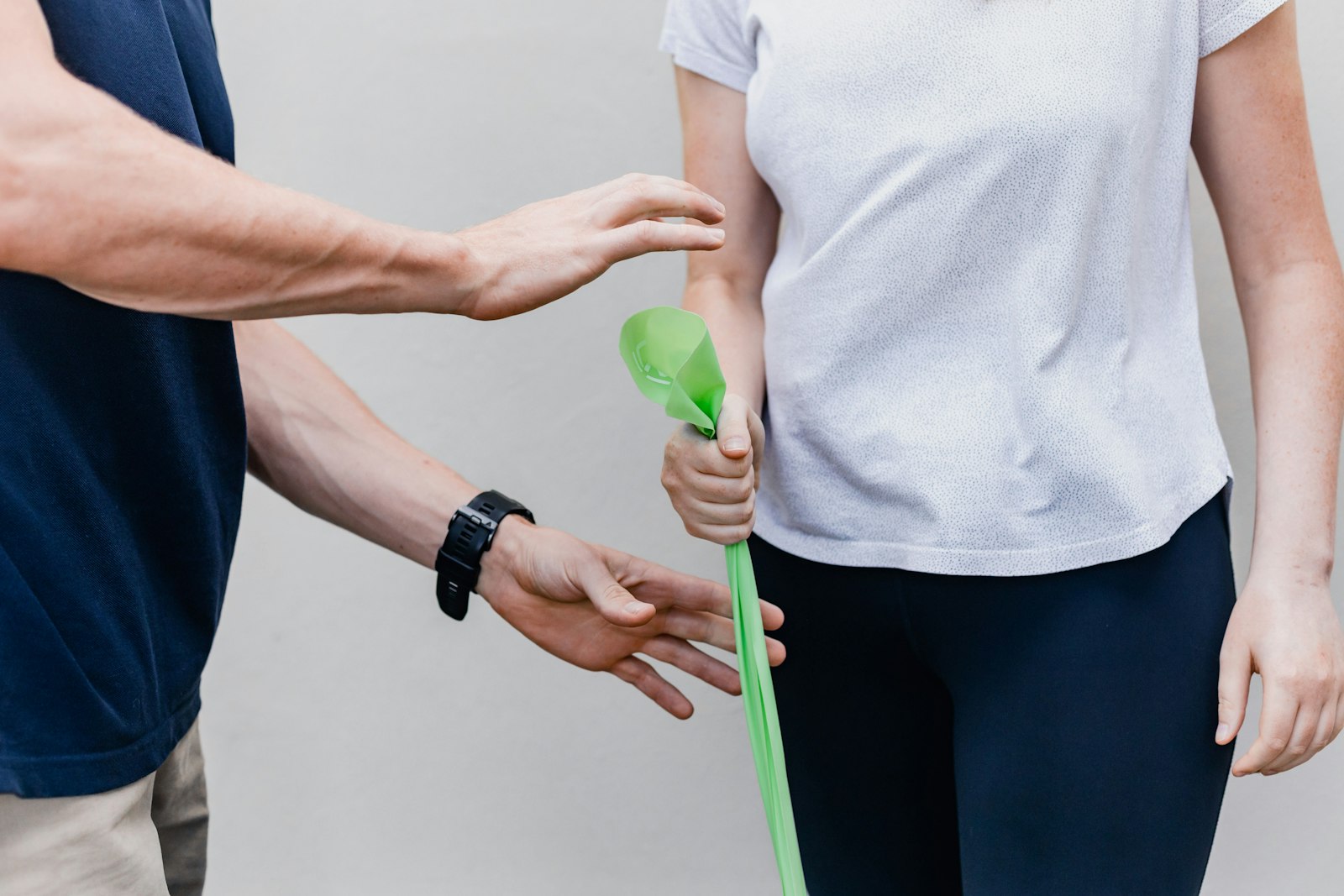
For clients who have completed formal rehabilitation and are transitioning back to fitness training, EMS fitness studios can provide a valuable bridge — continuing the muscle activation and functional training work of rehabilitation within a fitness context that supports long-term health maintenance beyond the rehabilitation episode. This transition should be managed with communication between the rehabilitation team and the EMS fitness trainer. Safety remains a top priority in any wired EMS suit physical therapy rehabilitation program.
Fitness EMS trainers should not attempt to provide rehabilitation EMS in clinical contexts — managing acute post-surgical patients, treating diagnosed neurological conditions, or making therapeutic claims about EMS outcomes for specific medical conditions. The scope of practice distinction between clinical rehabilitation and fitness EMS is important for both professional integrity and client safety. Professionals offering wired EMS suit physical therapy rehabilitation benefit from ongoing education and certification.
Conclusion
Wired EMS suits have a well-established and evidence-supported role in physical therapy and rehabilitation — from post-surgical muscle maintenance to neurological motor recovery — that predates and underpins the fitness applications of the technology. The clinical origins of EMS are not incidental to its fitness application; they explain the safety standards, screening protocols, and contraindication awareness that professional fitness EMS practice appropriately maintains. [source]
For clients transitioning between rehabilitation and fitness contexts, and for fitness EMS practitioners who work with clients who have rehabilitation-relevant health histories, understanding the clinical applications of wired EMS and the appropriate boundaries of fitness EMS practice is important for both safety and the quality of the integrated care these clients deserve.
Frequently Asked Questions
Is EMS used in physiotherapy? [source]
Yes — neuromuscular electrical stimulation (NMES/EMS) has been used in physiotherapy and rehabilitation medicine for decades. Clinical applications include post-surgical muscle maintenance, neurological rehabilitation following stroke or spinal cord injury, and pain management. Clinical EMS is typically prescribed by physiotherapists with specific rehabilitation training.
Can EMS help with recovery after surgery?
Research supports EMS for attenuating muscle atrophy during post-surgical immobilization periods, supporting faster strength recovery, and in some studies enabling earlier functional independence milestones. Post-surgical EMS should be managed by a physiotherapist who can ensure the protocols are appropriate for the specific surgery and recovery stage.
What is functional electrical stimulation (FES)?
FES is a clinical application of EMS in which stimulation is precisely timed to assist functional movement — such as triggering dorsiflexion during the swing phase of walking in stroke patients with foot drop. FES is a specialized rehabilitation application requiring sophisticated programming and clinical expertise distinct from general fitness EMS training.
Can an EMS studio help with rehabilitation from injury?
EMS fitness studios can support individuals who have completed formal rehabilitation and are transitioning back to fitness training — continuing muscle activation and functional training work in a fitness context. Fitness EMS trainers should work with clear communication from the treating physiotherapist and should not manage acute post-surgical or active neurological rehabilitation independently.
Is rehabilitation EMS different from fitness EMS?
Yes — clinical rehabilitation EMS is prescribed by healthcare professionals for specific diagnoses, follows clinical protocols, and operates within a medical care framework. Fitness EMS is delivered by certified EMS trainers in wellness settings following fitness training protocols. The underlying technology is similar but the clinical context, protocols, and professional scope differ significantly.
Ready to explore EMS suit options? Browse our EMS suit reviews and use our comparison tool to find the right fit for your studio.