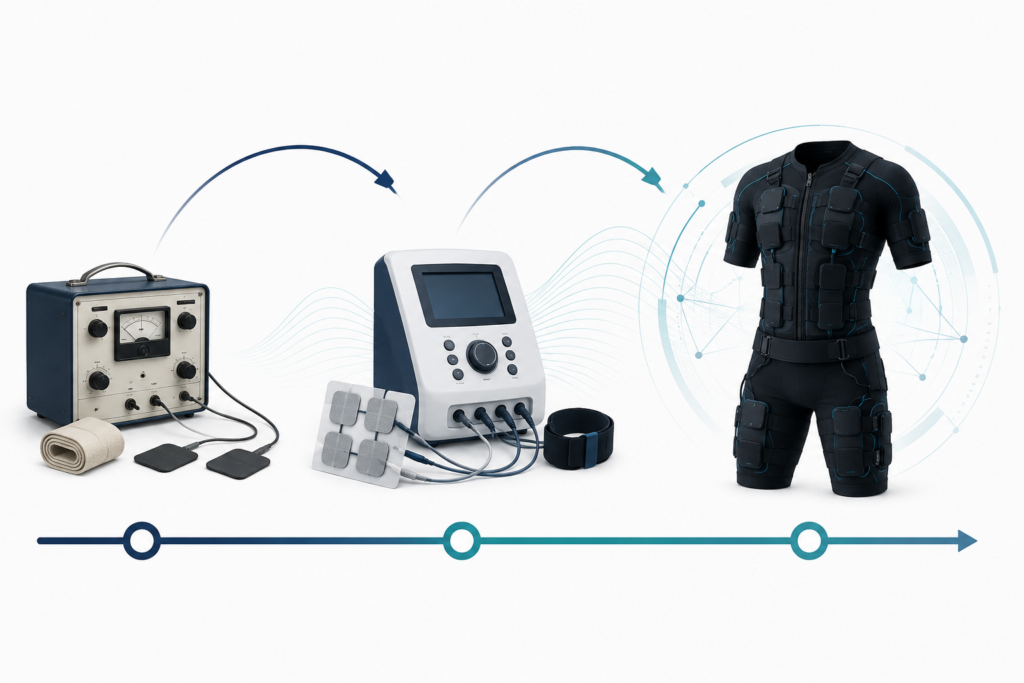
The EMS fitness suit that a client steps into at a professional studio today is the product of decades of development rooted in clinical medicine rather than fitness. Electrical stimulation of muscles has been used therapeutically since the nineteenth century, when European physicians first explored the potential of faradic and galvanic currents for rehabilitating paralyzed muscles. From those early clinical applications, electrical stimulation technology evolved through a century of refinement — in clinical rehabilitation, in sports medicine, in military training research — before arriving at the whole-body EMS training suit that defines modern professional EMS fitness. Research into history of EMS technology training continues to expand as more studios adopt this approach.
Understanding this history illuminates why EMS training looks the way it does today: why the protocols follow the patterns they do, why the research evidence takes the forms it takes, and why the professional standards around EMS training emphasize the clinical awareness that its rehabilitation origins make genuinely important. EMS is not an invention of the fitness industry — it is a technology that the fitness industry has adopted from medicine, and that heritage shapes its responsible use. Understanding history of EMS technology training is key for any trainer looking to modernize their offering.
This article traces the key developments in wired EMS technology from its clinical origins to its current form as professional whole-body training equipment. The evidence supporting history of EMS technology training is growing steadily in the professional fitness space.
Clinical Origins: From Rehabilitation to Sports Medicine
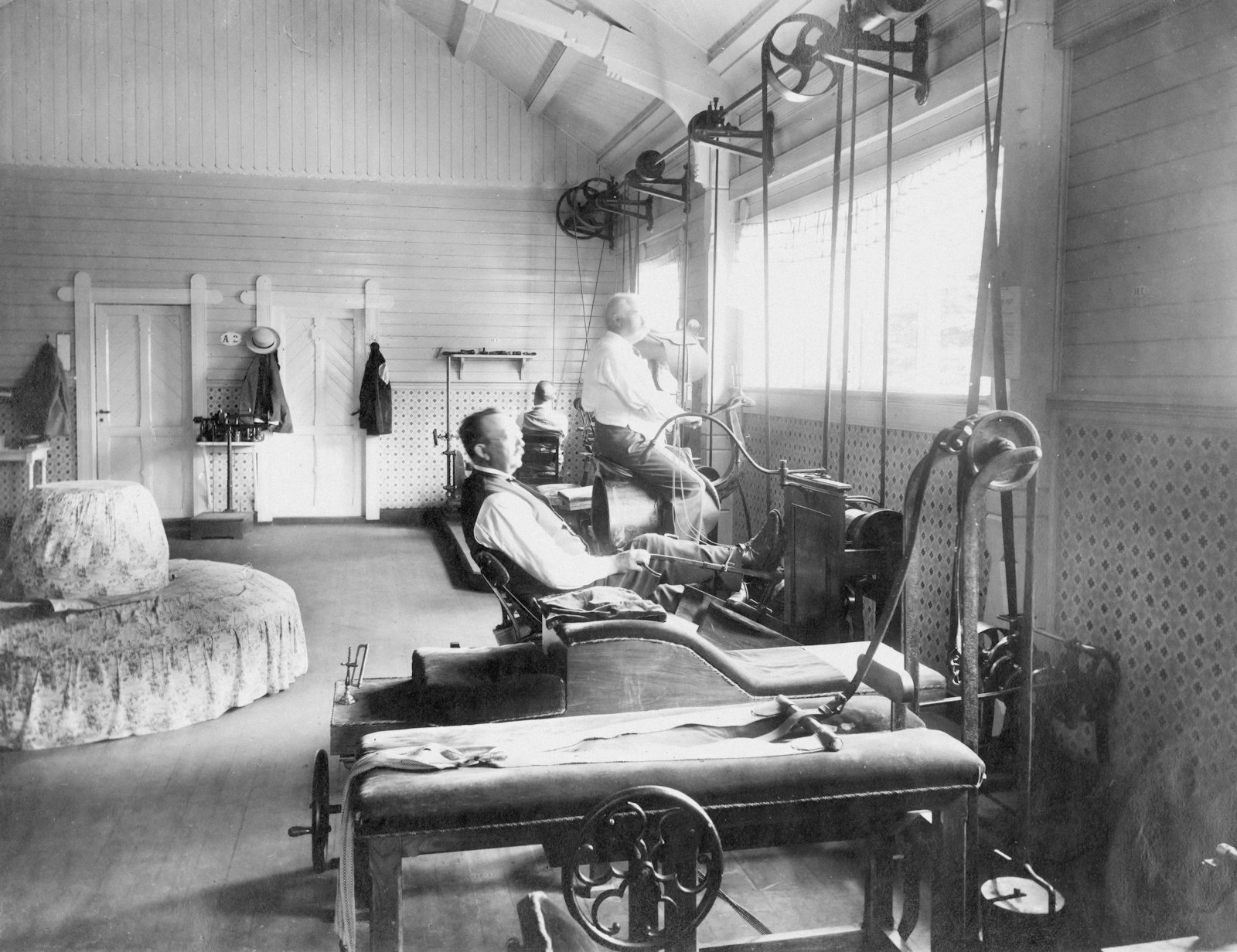
Therapeutic electrical stimulation for muscle rehabilitation has documented use in European medicine from the mid-nineteenth century, when researchers including Guillaume Duchenne de Boulogne systematically explored the application of electrical current to muscles and motor nerves. Duchenne’s work on the physiology of muscle contraction under electrical stimulation established the fundamental principles that clinical electrical stimulation still operates on today. [source] For coaches exploring history of EMS technology training, proper protocol design is essential.
In the twentieth century, neuromuscular electrical stimulation (NMES) became established in physical medicine and rehabilitation as a tool for maintaining or restoring muscle function in patients with upper and lower motor neuron injuries, post-surgical atrophy, and other conditions affecting voluntary muscle control. Clinical NMES devices — using wired electrode connections to precisely placed surface electrodes — became standard physiotherapy equipment in rehabilitation settings across Europe and North America. Clients asking about history of EMS technology training deserve clear, evidence-informed guidance.
The transition of electrical stimulation from rehabilitation to sports performance began most visibly in the Soviet sports system of the 1960s and 1970s, where sports scientists including Yakov Kots developed and used electrical stimulation protocols for enhancing strength development in elite athletes. Kots’s presentations to Western sports scientists in the late 1970s — in which he reported dramatic strength gains from EMS-supplemented training in Soviet athletes — sparked significant research interest in EMS for performance enhancement that drove the next generation of sports science research. The practical application of history of EMS technology training varies depending on goals and client profile.
The Development of Whole-Body EMS: History of EMS technology training
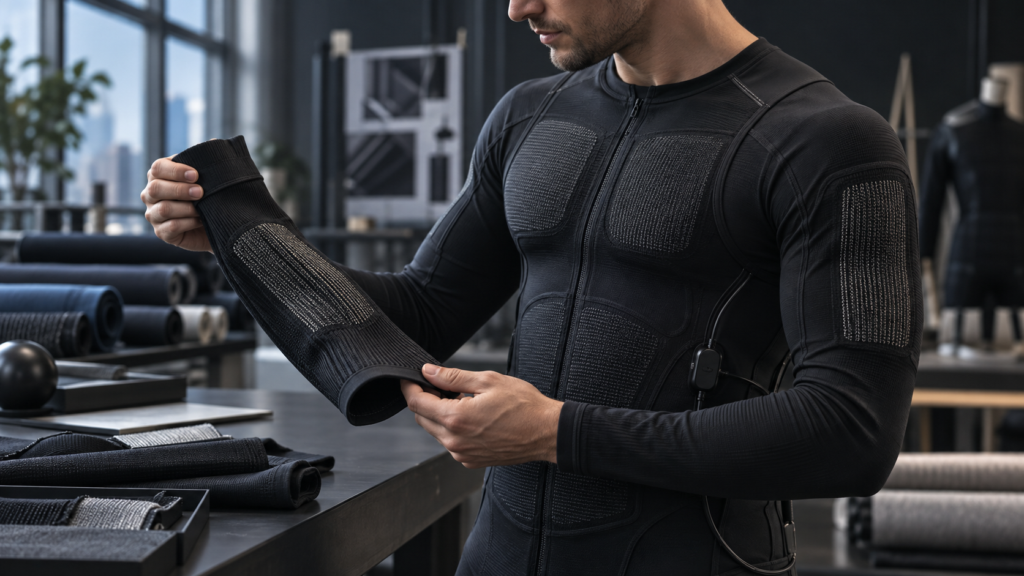
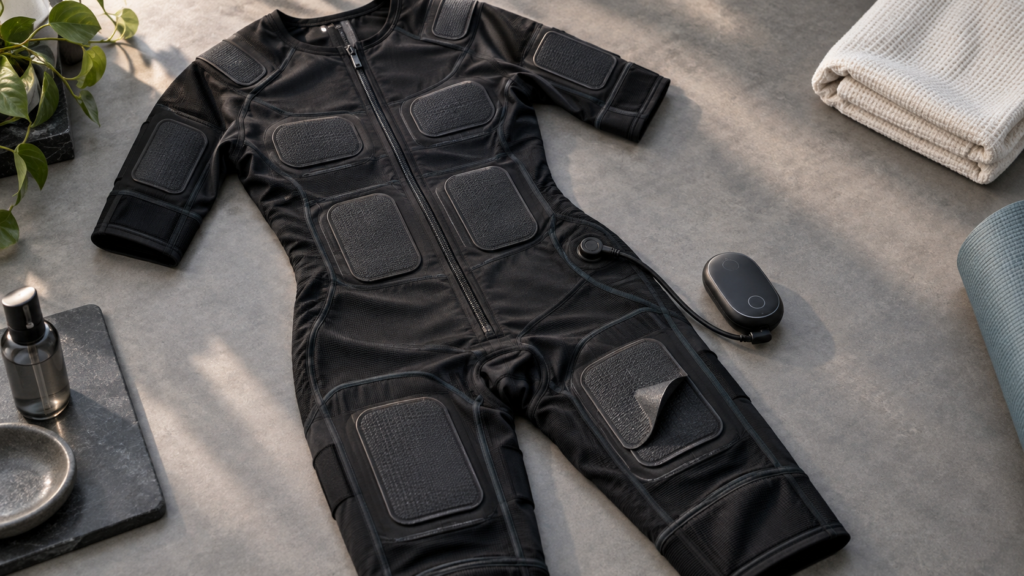
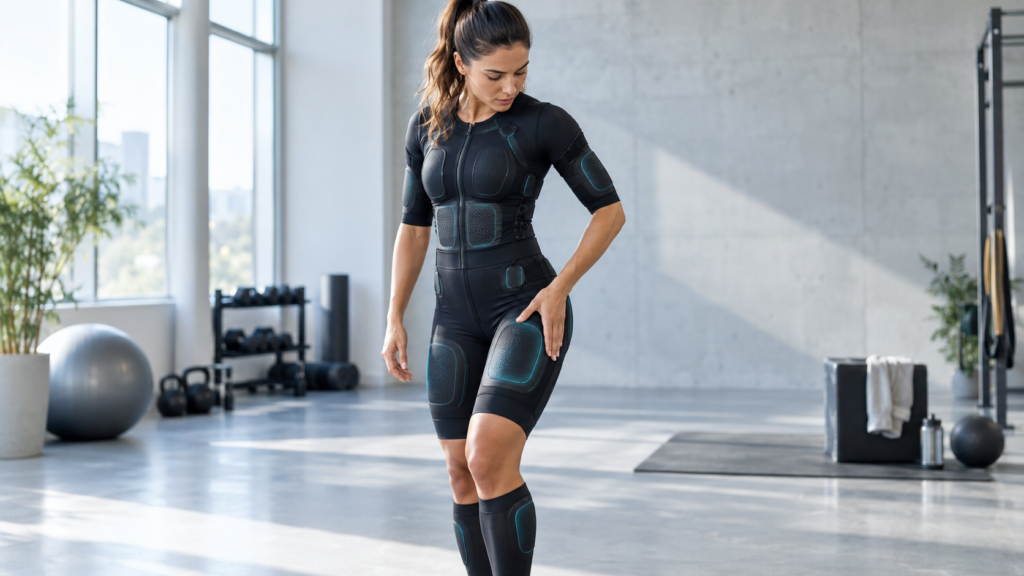
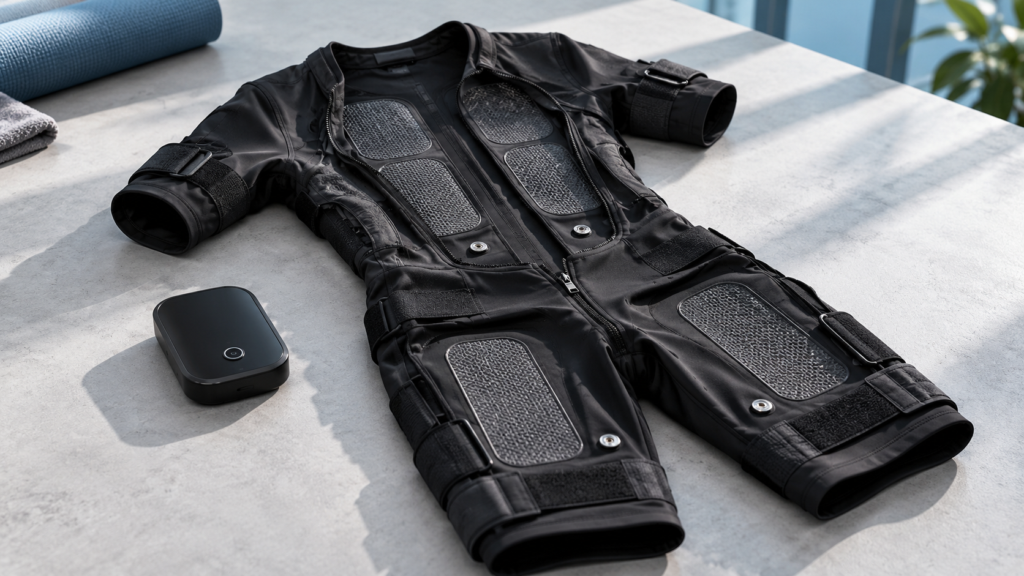
The concept of whole-body EMS — applying simultaneous electrical stimulation to multiple major muscle groups across the entire body using a single integrated garment system — emerged from European research and commercial development in the late 1990s and early 2000s. German and Austrian manufacturers were early leaders in developing integrated WB-EMS suit systems that replaced the manual placement of individual electrode pads with a purpose-designed garment in which electrode positions were fixed to align with major muscle groups. [source] Studios investing in history of EMS technology training report strong client retention and satisfaction.
This integration of multiple electrode areas into a single wearable garment — the defining innovation of WB-EMS technology — dramatically changed the practical application of EMS: what previously required a trained clinician to position individual electrodes across the body could now be achieved by donning a single suit, reducing session setup time and enabling standardized electrode positioning across sessions and clients. Anyone serious about history of EMS technology training should prioritize certified equipment and trained staff.
The first commercial WB-EMS studios emerged in German-speaking countries — Germany, Austria, Switzerland — in the mid-2000s, establishing the boutique studio model that has since spread globally. German sports science researchers — particularly the group led by Wolfgang Kemmler at Friedrich-Alexander-Universität Erlangen-Nürnberg — began the systematic investigation of WB-EMS training outcomes that produced the robust evidence base the field now rests on, with research programs beginning in the late 2000s and producing a substantial body of peer-reviewed literature through the 2010s and 2020s. The business case for history of EMS technology training is supported by both research and real-world results.
From Germany to the World
The global expansion of professional WB-EMS training followed the European establishment of the technology through the 2010s. EMS studios spread first within Europe — particularly in Spain, Eastern Europe, and the United Kingdom — then to the Middle East, Asia (particularly Japan, South Korea, and China), and increasingly to North America and Australia. The global expansion accelerated the development of the EMS franchise model, as established EMS brands sought to scale their studio systems across international markets. [source] Getting the most from history of EMS technology training requires consistent protocol and progress tracking.
Regulatory frameworks for WB-EMS equipment have developed at different paces across markets. The European Union’s medical device regulations — under which professional WB-EMS equipment is classified as a Class IIa medical device — established the most formalized regulatory framework, requiring CE marking and compliance with relevant medical device standards for EMS equipment sold in European markets. Other markets have developed varying regulatory approaches, creating a complex global regulatory landscape for EMS equipment manufacturers and operators. Safety remains a top priority in any history of EMS technology training program.
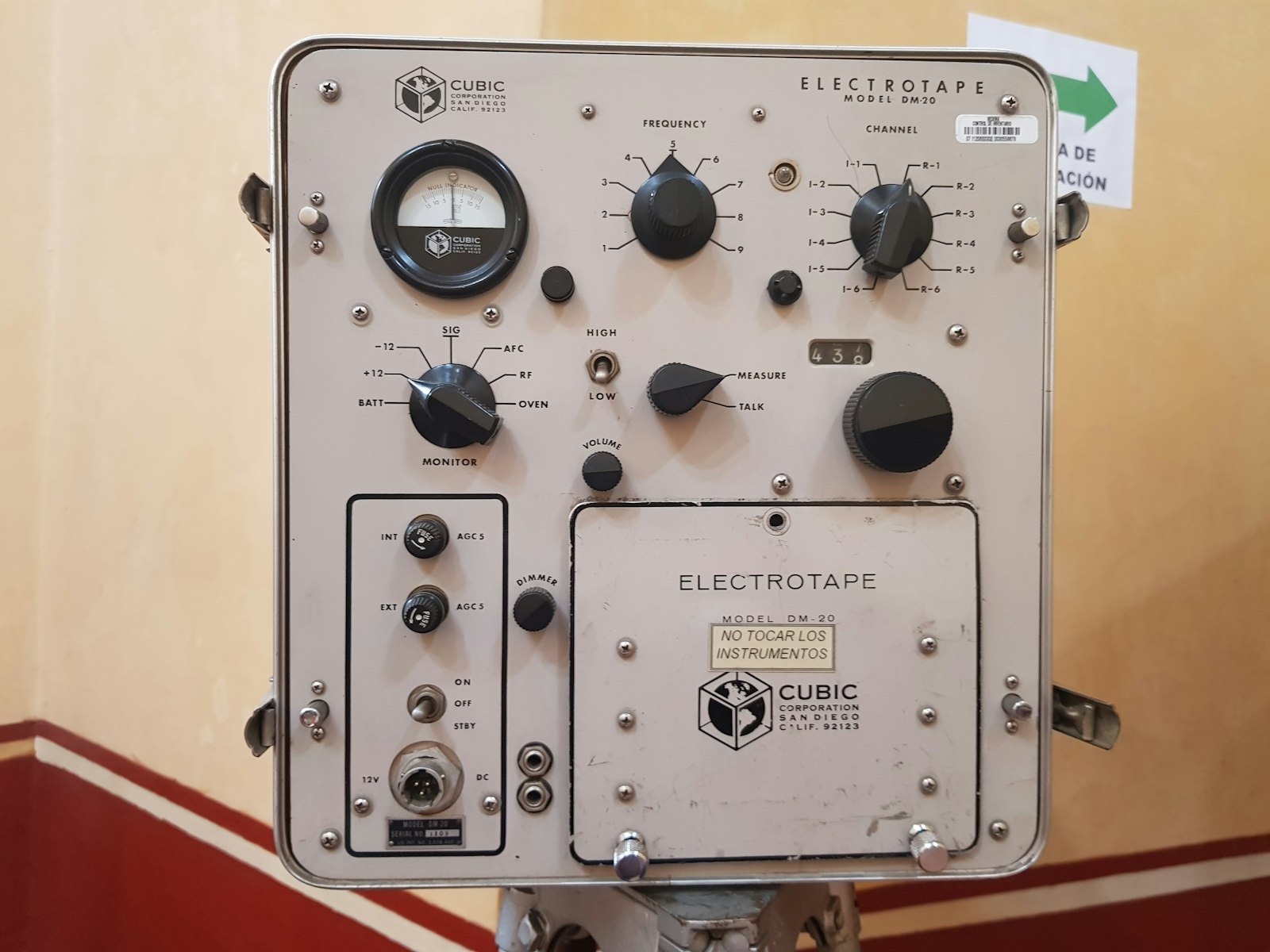
The technology itself continued to develop through this period of global expansion: control unit software became more sophisticated, suit designs improved in comfort and electrode positioning precision, and the first professional wireless EMS systems began reaching the market in the early 2010s — beginning the transition that is still unfolding as wireless technology matures to professional-grade standards. Professionals offering history of EMS technology training benefit from ongoing education and certification.
Conclusion
The history of wired EMS technology is a story of clinical knowledge migrating to applied fitness — the gradual translation of rehabilitation science and sports medicine research into a commercial fitness technology that has now established itself as a distinct and growing sector of the global wellness industry. Understanding this history provides context for why professional EMS practice emphasizes the clinical awareness, screening protocols, and evidence-based approach that its medical origins make genuinely appropriate. [source]
The wired EMS suit, refined through decades of clinical and commercial development, remains the most research-validated form of whole-body EMS training — and its history is the reason that the professional standards and evidence base that make EMS training trustworthy are as developed as they are.
Frequently Asked Questions
When was EMS training invented? [source]
Therapeutic electrical muscle stimulation has roots in nineteenth-century medicine. Whole-body EMS training suits — the form used in modern professional studios — were developed commercially in the late 1990s and early 2000s, with the first EMS studios emerging in German-speaking Europe in the mid-2000s. The global spread of professional EMS studios accelerated through the 2010s.
Where did EMS fitness training originate?
Professional WB-EMS fitness training originated in Germany, Austria, and Switzerland — where both commercial EMS systems and the first EMS studios were developed. German sports science research, particularly from Erlangen-Nürnberg University, established the evidence base that underpins professional EMS practice globally.
Did the Soviet Union use EMS for athletes?
Yes — Soviet sports scientists, most notably Yakov Kots, developed and used electrical stimulation protocols for elite athletic strength development in the 1960s and 1970s. Kots’s presentations to Western researchers in the late 1970s generated significant sports science interest in EMS for performance enhancement that influenced subsequent research internationally.
How has wired EMS technology improved over time?
Key improvements include: integration of electrode areas into wearable suit garments (replacing individual pad placement); more sophisticated control unit software with independent channel control; improved suit materials for comfort, hygiene, and electrode conductivity; refined waveform and frequency programming options; and the eventual development of wireless transmission systems building on wired technology foundations.
Is wired EMS technology still being developed?
Yes — wired EMS technology continues to evolve in suit design, electrode materials, control unit software, and stimulation waveform options. Manufacturers continue to develop and refine wired systems alongside wireless offerings. The wired platform remains the technical reference for professional EMS due to its direct connection reliability and the extensive evidence base accumulated using wired systems.
Ready to explore EMS suit options? Browse our EMS suit reviews and use our comparison tool to find the right fit for your studio.