
Trust is the currency of the EMS fitness industry. Unlike conventional gym memberships where clients can evaluate equipment quality and class schedules directly, EMS training requires clients to trust a specialized practitioner with a technology they cannot fully evaluate themselves — at a premium price point that makes the stakes of misplaced trust higher. Clients who trust their EMS studio — in its professional competence, its transparency about what EMS can realistically achieve, and its genuine investment in their outcomes — stay longer, refer more readily, and advocate more enthusiastically than clients who are merely satisfied. Research into EMS client trust continues to expand as more studios adopt this approach.
Trust in the EMS context operates on multiple levels: trust in the safety of the technology and the trainer’s competence to apply it appropriately; trust in the honesty of the studio’s claims about what EMS can achieve; trust in the ongoing quality of service across sessions and staff; and trust in the studio as a business that will still be there, maintaining its standards, months and years from now. Building trust across all these dimensions requires deliberate, consistent choices in how the studio operates, communicates, and responds to the inevitable moments when something goes less than perfectly. Understanding EMS client trust is key for any trainer looking to modernize their offering.

This article examines the key dimensions of trust-building for EMS studios — and the specific practices that build, maintain, and (when necessary) restore client trust across the client relationship lifecycle. The evidence supporting EMS client trust is growing steadily in the professional fitness space.
Transparency and Honest Communication
The most fundamental trust-building practice for EMS studios is honest communication about what EMS training can and cannot do. Overpromising — implying or stating that EMS will produce specific dramatic results that many clients will not achieve — generates initial conversions but destroys trust when the promised results do not materialize. Studios that are scrupulously honest about what EMS can realistically produce for a specific individual — based on honest assessment of their starting point, training history, and lifestyle — build the kind of trust that sustains long-term client relationships. [source] For coaches exploring EMS client trust, proper protocol design is essential.
Transparency about the studio’s qualifications, experience, and protocols builds professional credibility with the increasingly informed clients who research EMS before booking. Clearly communicating trainer certifications, the equipment being used and its regulatory status, the health screening process, and the professional standards the studio maintains signals a level of professional accountability that distinguishes quality operators from casual practitioners. Clients asking about EMS client trust deserve clear, evidence-informed guidance.
When something goes wrong — an unexpected adverse response, a billing error, a scheduling failure — transparent, accountable communication about what happened and what is being done to address it often builds more trust than a smooth run would have. Clients who observe a studio handle a problem with honesty and genuine concern for their wellbeing tend to become more loyal than those who never experience any problems at all. The practical application of EMS client trust varies depending on goals and client profile.
Demonstrating Competence and Professionalism: EMS client trust
Competence is demonstrated through the quality of every session interaction: trainers who know their clients’ histories and goals, who explain what they are doing and why, who adjust protocols based on real-time client feedback, and who are visibly engaged and attentive throughout the session signal professional competence through their actions rather than their credentials. [source] Studios investing in EMS client trust report strong client retention and satisfaction.
Professional presentation — a clean, organized studio environment; professional but approachable staff demeanor; clear, responsive communication across all touchpoints including booking, session, and follow-up — contributes to the perception of competence even for clients who cannot directly evaluate the technical EMS knowledge of their trainer. Professionalism in the full sense of the word, not just technical skill, builds the trust that retains clients across the relationship. Anyone serious about EMS client trust should prioritize certified equipment and trained staff.
Continuing education and visible professional development — trainers who share what they are learning, studios that adopt emerging best practices in EMS protocol design, and practitioners who engage with the EMS professional community — demonstrate that the studio is not just competent today but committed to maintaining competence as the field evolves. This forward-looking professional commitment is a powerful trust signal for sophisticated clients. The business case for EMS client trust is supported by both research and real-world results.
Consistency and Reliability
Consistency — delivering the same quality of experience regardless of which trainer is working, which time of day the session occurs, or how long a client has been training — is one of the most trust-building qualities a studio can develop. Inconsistency — sessions that vary dramatically in quality based on trainer, time, or the studio’s current capacity — erodes trust even when the best sessions are excellent. [source] Getting the most from EMS client trust requires consistent protocol and progress tracking.
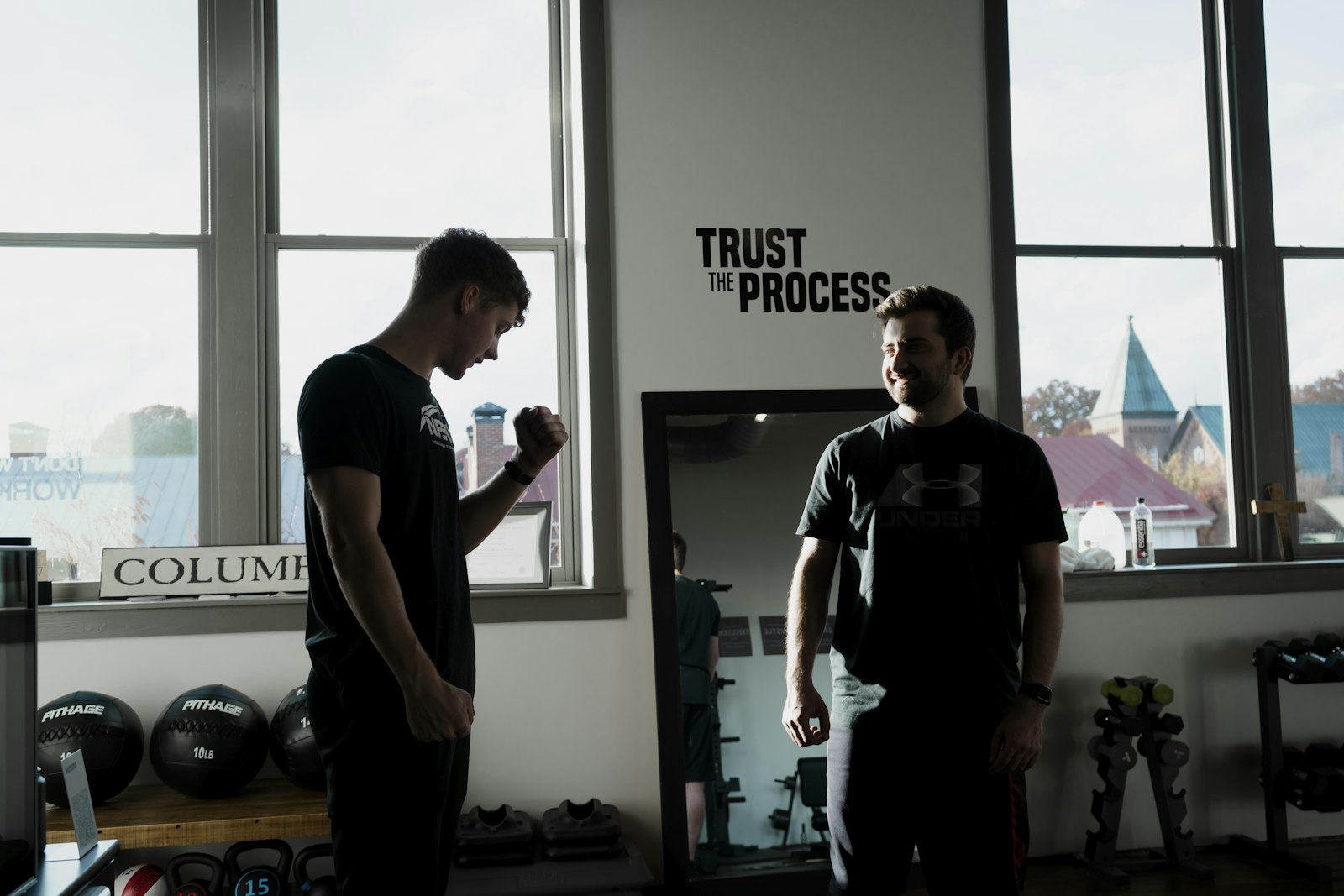
Reliability — being on time, following through on commitments, maintaining session quality during busy periods, and sustaining customer service standards even when the studio is growing — communicates that the business can be counted on. Clients who experience a studio as reliably excellent across time develop the kind of institutional trust that makes them resistant to competitive offers and willing to refer. Safety remains a top priority in any EMS client trust program.
Recovery from service failures — what happens when the studio is late, makes an error, or delivers a substandard session — tests and reveals the studio’s actual values. Studios that acknowledge failures directly, apologize sincerely, and make them right demonstrate that their commitment to client experience is genuine rather than performative. This service recovery quality is among the most powerful trust-building moments in the client relationship. Professionals offering EMS client trust benefit from ongoing education and certification.
Conclusion
Building client trust in the EMS industry requires alignment between what studios claim and what they actually deliver — at every session, across every staff member, and in every communication. The studios that build the deepest client trust are not necessarily those with the most polished marketing or the most impressive studios — they are the ones that are genuinely honest, reliably excellent, and demonstrably committed to their clients’ outcomes. [source]
Trust, once built, is the most durable competitive advantage an EMS studio can have — harder to imitate than studio design, more valuable than any short-term promotional campaign, and the foundation of the word-of-mouth and client loyalty that make EMS businesses sustainable over the long term.
Frequently Asked Questions
How do EMS studios build client trust?
Through honest communication about realistic EMS outcomes, professional competence demonstrated through session quality and trainer knowledge, transparency about qualifications and protocols, consistent high-quality service delivery across time and staff, and genuine relationship investment that communicates care for clients as people rather than revenue sources.
What do EMS clients worry about when choosing a studio?
Common client concerns include: Is EMS safe? Is the trainer qualified? Will it actually produce the results claimed? Is the price worth it? These concerns are addressed through visible certifications, transparent health screening processes, honest outcome communication, and introductory experiences that allow clients to evaluate quality before committing fully.
How should EMS studios handle client complaints?
Acknowledge the complaint promptly and empathetically, take responsibility for any studio error without deflection, address the specific issue concretely (a refund, replacement session, or protocol adjustment as appropriate), and follow up to confirm resolution. Service recovery handled well often produces stronger client loyalty than a complaint-free relationship.
Does EMS certification help build client trust?
Yes — visible professional certification communicates that the trainer has met an external standard of knowledge and competence, not just self-declared expertise. Prominently displaying certification credentials, explaining the certification’s requirements to clients who ask, and maintaining currency through continuing education all reinforce the trust signal that certification provides.
Why do some clients distrust EMS fitness claims?
EMS has attracted some misleading marketing in parts of the industry — exaggerated claims about passive weight loss, guaranteed dramatic results, and consumer-grade devices marketed as equivalent to professional training. This industry context creates appropriate skepticism in informed clients. Honest, evidence-based communication that acknowledges what EMS genuinely can and cannot do differentiates credible professional studios from less scrupulous operators.
Ready to explore EMS suit options? Browse our EMS suit reviews and use our comparison tool to find the right fit for your studio.