
Client success stories are among the most powerful marketing tools available to EMS studios — and among the most important to handle with care. Authentic testimonials from real clients who have experienced meaningful outcomes from EMS training address the primary barrier to EMS adoption (skepticism about whether it really works) better than any advertising claim. At the same time, the rules governing how health and wellness results can be marketed — both legally and ethically — require thoughtful, compliant approach to success story collection and presentation. Research into EMS success stories marketing continues to expand as more studios adopt this approach.
The Federal Trade Commission (FTC) in the United States and equivalent regulatory bodies in other markets have clear guidelines governing the use of testimonials in marketing: results that are not typical for most clients must be disclosed as such; testimonials cannot imply outcomes that the average client cannot reasonably expect; and all material connections between the business and the person providing the testimonial must be disclosed. These guidelines apply to EMS studio testimonials and must shape how studios collect, present, and use client success stories. Understanding EMS success stories marketing is key for any trainer looking to modernize their offering.
Beyond legal compliance, there are ethical dimensions to testimonial marketing that matter for client trust and industry reputation: presenting only exceptional outlier results as representative, making implied guarantees through testimonials that cannot be fulfilled for the average client, or selectively presenting results that create false expectations all ultimately undermine the trust that EMS studios need to build with their client communities. The evidence supporting EMS success stories marketing is growing steadily in the professional fitness space.
Collecting Success Stories with Proper Consent
The foundation of compliant testimonial marketing is proper informed consent from clients whose stories you intend to use. This consent should be specific: what information will be shared (written testimonial, photos, video), where it will be used (website, social media, print), for how long, and whether the client’s name and identifying information will be included or anonymized. General consent buried in service agreements is insufficient — specific, informed consent for each marketing use is appropriate. [source] For coaches exploring EMS success stories marketing, proper protocol design is essential.
Progress data that forms the basis of success stories — body composition measurements, strength assessments, pain scale records, functional performance metrics — should be systematically collected as part of standard studio practice, not just when a client has a good result. Systematic measurement serves both the client (giving them objective evidence of their progress) and the business (creating a rich bank of outcome data that can, with consent, inform marketing). Clients asking about EMS success stories marketing deserve clear, evidence-informed guidance.
Timing consent requests appropriately increases both the quality of testimonials and the likelihood of client participation. Clients who have recently experienced a meaningful milestone — a six-month progress review showing significant body composition change, returning to a sport after injury rehabilitation, achieving a strength goal — are most likely to feel positively motivated to share their experience and most capable of giving an authentic, specific testimonial rather than a generic endorsement. The practical application of EMS success stories marketing varies depending on goals and client profile.
Presenting Results Responsibly: EMS success stories marketing
FTC guidelines require that testimonials reflect the honest opinions, findings, or experiences of the endorsing client, and that any claims about typical results be accurate. If a testimonial describes exceptional results that are not typical for EMS clients generally, a disclosure to that effect — ‘results not typical; individual results vary depending on fitness level, training consistency, and individual factors’ — is required. [source] Studios investing in EMS success stories marketing report strong client retention and satisfaction.
Avoiding language that implies guaranteed outcomes — ‘EMS will transform your body,’ ‘clients lose X pounds in Y weeks guaranteed’ — is both a compliance requirement and an ethical obligation. EMS training produces meaningful results for many clients, but results vary based on individual factors, consistency, and how EMS is integrated with overall lifestyle. Marketing that overpromises creates clients who feel misled when their experience differs from the exceptional outliers presented. Anyone serious about EMS success stories marketing should prioritize certified equipment and trained staff.
The most compelling and compliant success stories share specific, credible details: the client’s starting situation, their goals, the training approach, and the specific measurable outcomes after a specific period. ‘I lost 4cm from my waist and gained functional strength that let me return to hiking after six months of twice-weekly EMS training’ is more credible, more compelling, and more compliant than ‘EMS changed my life — I’ve never felt better.’ The business case for EMS success stories marketing is supported by both research and real-world results.
Formats and Channels for Success Stories
Written testimonials with the client’s first name (or full name with consent) and specific outcome details are the most versatile format — suitable for website, social media captions, and print materials. Video testimonials are more powerful for converting skeptical prospects because the authenticity of a real person speaking genuinely about their experience is difficult to replicate in written form. [source] Getting the most from EMS success stories marketing requires consistent protocol and progress tracking.

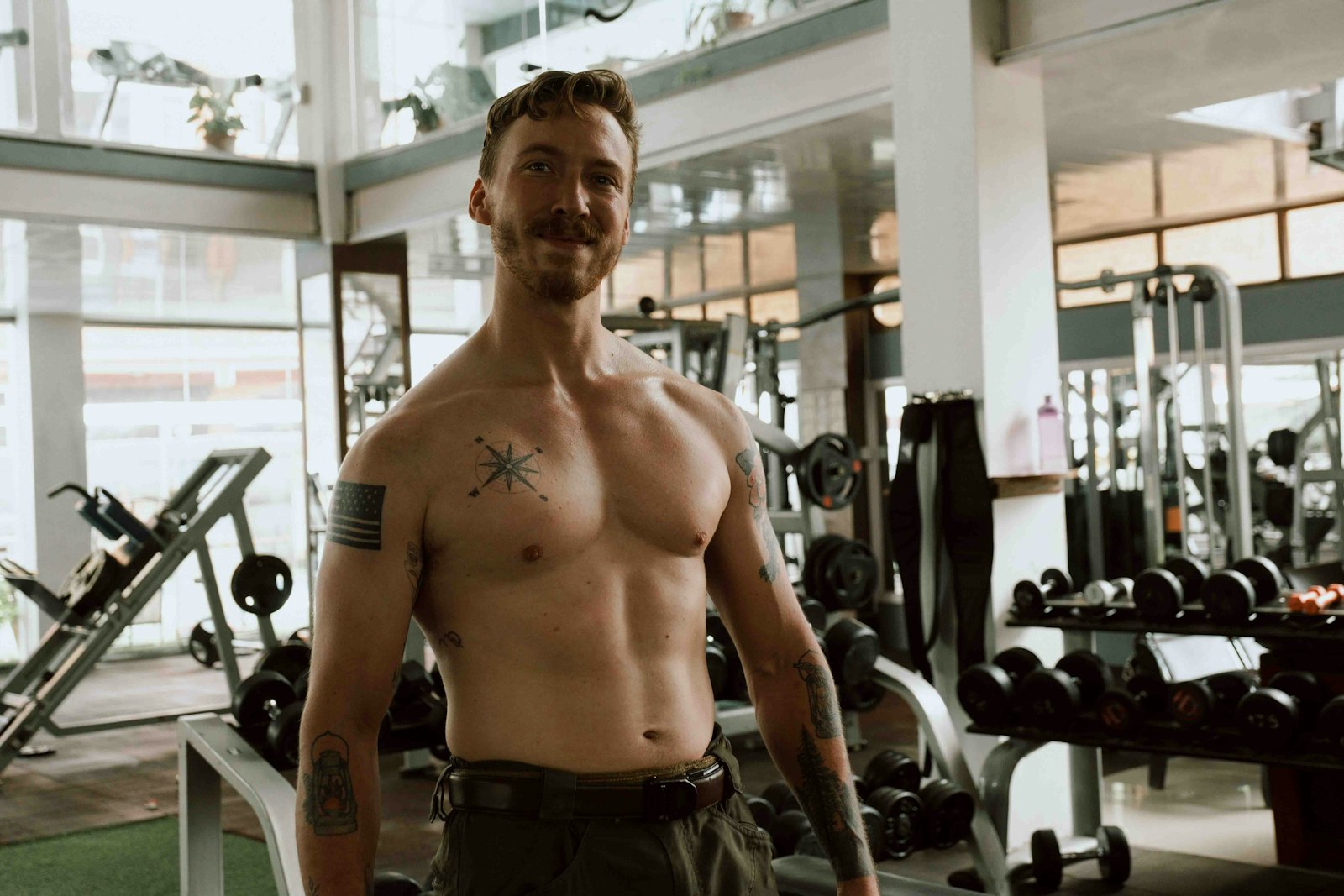
Before-and-after photos — when appropriate and consented to — are particularly powerful for body composition results. The FTC guidelines on before-and-after photos in health and fitness marketing apply fully: photos must be genuine, unmanipulated, from the same client, and accompanied by appropriate result variability disclosure. Photos showing clothing or lighting differences between before and after — a common manipulation — are specifically problematic. Safety remains a top priority in any EMS success stories marketing program.
Case study-style content — a more detailed narrative of a specific client’s journey, their specific situation, the protocols used, and their documented results over time — provides the depth that builds credibility for a sophisticated audience (healthcare providers considering referrals, corporate wellness decision-makers, health-conscious professionals evaluating EMS). These longer formats suit website content, email marketing, and professional outreach materials. Professionals offering EMS success stories marketing benefit from ongoing education and certification.
Conclusion
Client success stories are a genuine asset for EMS studios — when they are authentic, collected with proper consent, presented with appropriate result variability disclosure, and crafted with enough specificity to be credible. The ethical and compliant approach to testimonial marketing is not just a legal necessity — it is the marketing approach that builds the long-term trust on which successful EMS businesses are built.
The most effective EMS success stories are those that are completely true, specifically detailed, enthusiastically shared by real clients who are proud of their genuine outcomes, and presented in a way that manages prospect expectations while honestly conveying the meaningful results that motivated EMS training produces in clients who train consistently.
Frequently Asked Questions
Do I need client permission to use their testimonial?
Yes — explicit, specific informed consent is required before using any client’s testimonial, photos, or personal information in marketing. Consent should specify what information will be used, where, and for how long. General service agreement consent clauses are insufficient for marketing use of personal testimonials.
Are before-and-after photos legal for EMS marketing?
Before-and-after photos are legal with proper consent and FTC-compliant disclosure of result variability. Photos must be genuine, unmanipulated, from the same person, and accompanied by disclosure that results are not typical and vary by individual. Deceptive use of before-and-after imagery violates FTC guidelines.
What should I disclose with EMS client testimonials?
FTC guidelines require disclosing when testimonial results are not typical for most clients, any material connection between the business and the endorser (such as if they received free services), and any other fact that would affect how the testimonial is interpreted. ‘Results vary; individual outcomes depend on training consistency, starting point, and personal factors’ is a common result variability disclosure.
How do I get more EMS client testimonials?
Ask clients at meaningful milestone moments — after completing a package, at progress reviews showing measurable results, or when they spontaneously express satisfaction. Make the process easy: a brief written form, a video recording option during their session, or a review link sent by text after a milestone. Offering to share their story on social media (with their permission) can be motivating for clients who want to celebrate their results.
Can I show EMS results on social media?
Yes — with client consent and appropriate disclosure. Social media is an effective channel for authentic client success content. Ensure consent covers the specific platforms, avoid implying guaranteed results, include result variability disclosure, and ensure all photos are genuine and unedited in ways that would misrepresent results.
Ready to explore EMS suit options? Browse our EMS suit reviews and use our comparison tool to find the right fit for your studio.