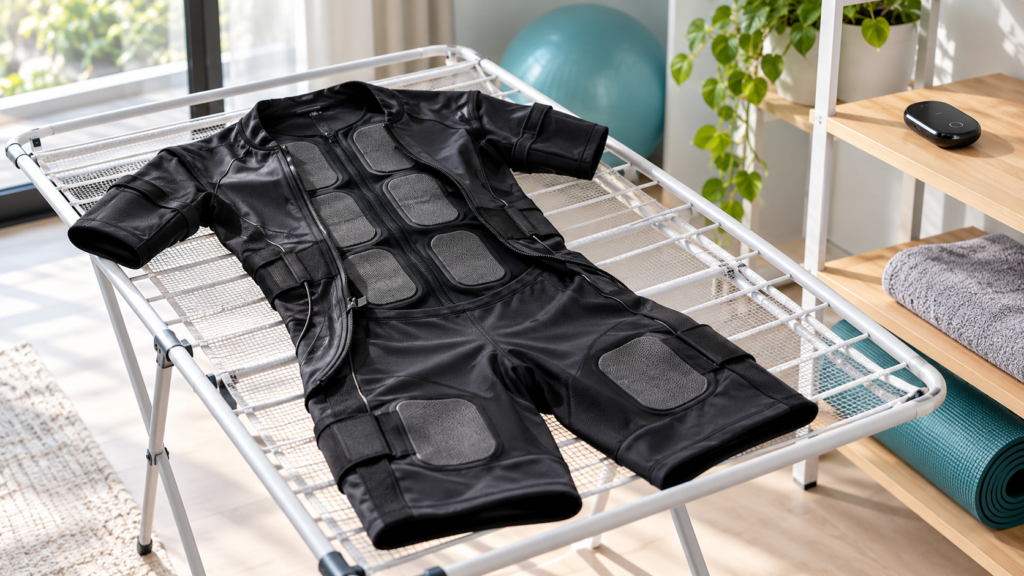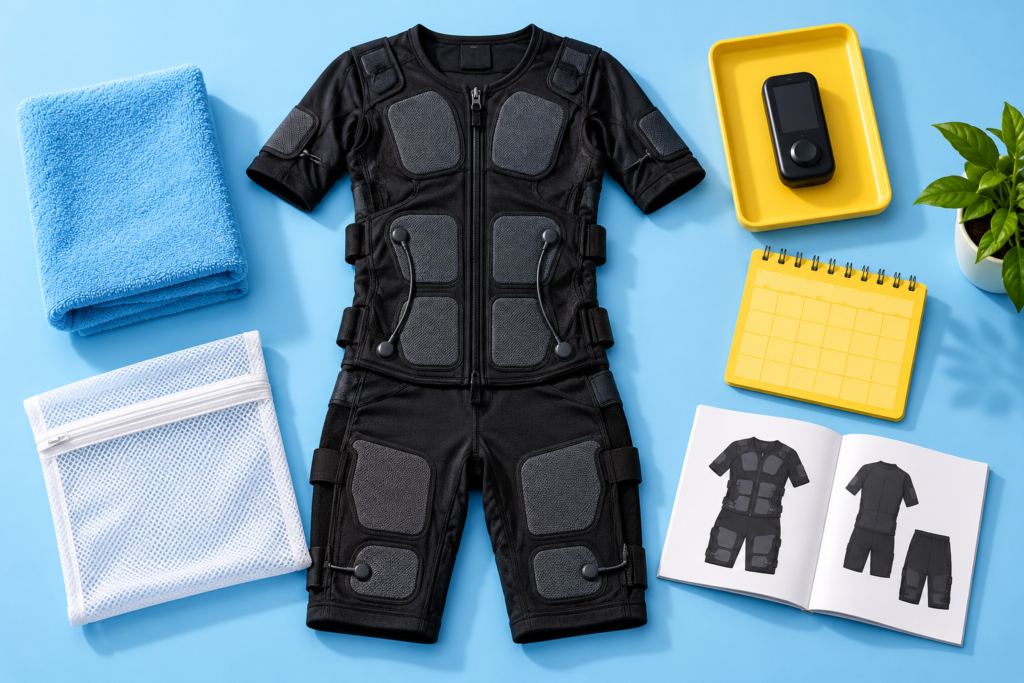

The EMS fitness industry has grown substantially over the past decade, and with that growth has come increasing opportunity for certified EMS trainers and entrepreneurs who want to build businesses around this technology. EMS training’s distinctive value proposition — highly time-efficient sessions, the ability to serve clients who cannot perform conventional resistance training, and the premium positioning that the technology supports — makes it an attractive business model for fitness professionals looking to differentiate in a competitive market. Research into start EMS personal training business continues to expand as more studios adopt this approach.
Starting an EMS personal training business requires navigating a specific set of requirements that differ in important ways from conventional personal training: EMS-specific certification from recognized programs, compliance with medical device regulations governing the EMS equipment you will use, appropriate liability insurance for the specific risks of EMS training, and a client acquisition strategy suited to EMS’s premium price point. Understanding start EMS personal training business is key for any trainer looking to modernize their offering.
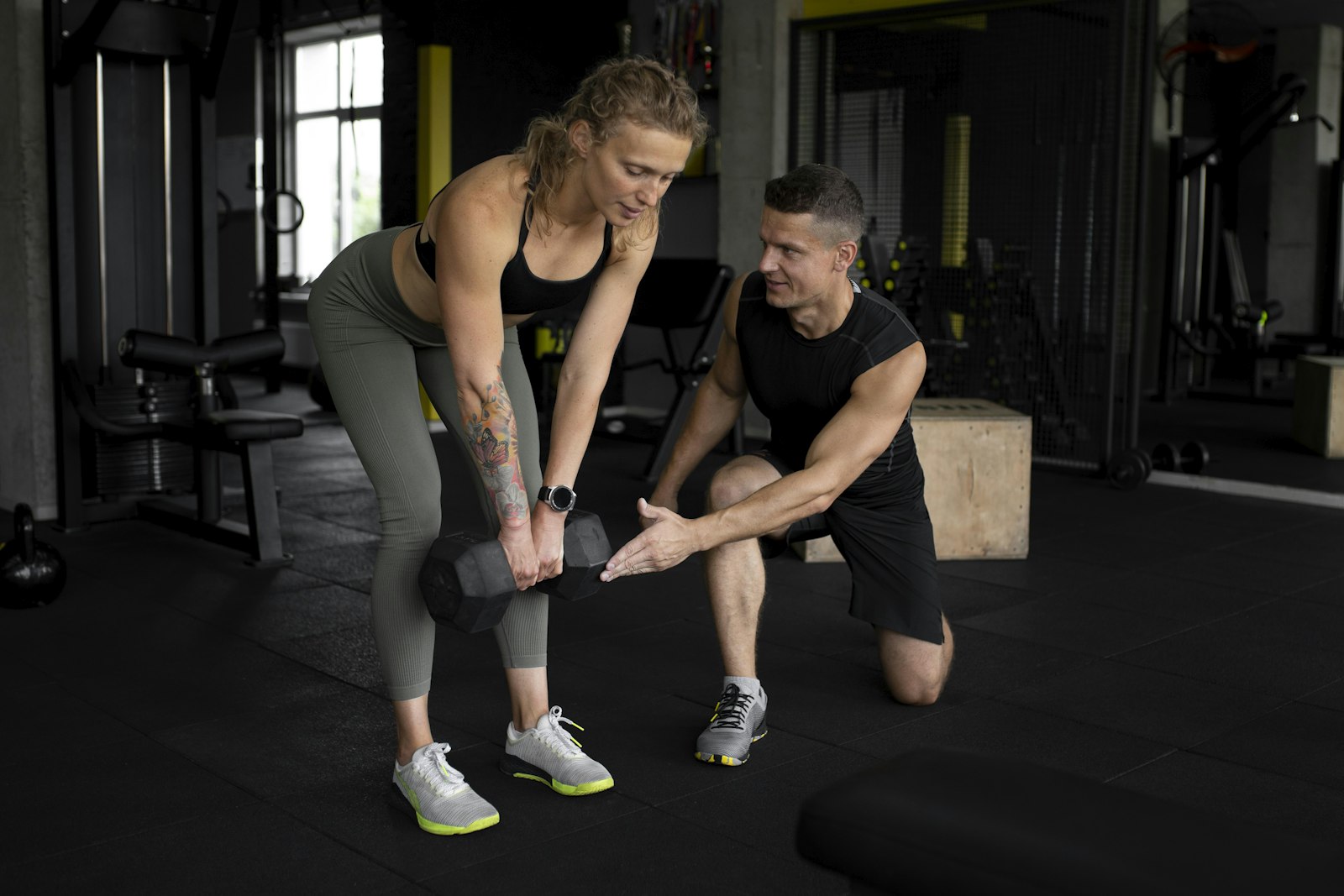
This article provides a practical overview of the key steps involved in starting an EMS personal training business — from getting certified and selecting equipment to setting up the legal structure, pricing services appropriately, and building the client base that makes the business viable. The evidence supporting start EMS personal training business is growing steadily in the professional fitness space.
EMS Certification: The Non-Negotiable Starting Point
EMS-specific certification is the foundation of an EMS personal training business. Unlike conventional personal training, where general CPT credentials are the standard entry point, EMS training requires specialized education in electrical stimulation physiology, contraindication screening, electrode placement and protocol design, and the safety management of EMS sessions. General personal training credentials do not provide these competencies and do not satisfy the professional or insurance requirements of legitimate EMS practice. [source] For coaches exploring start EMS personal training business, proper protocol design is essential.
EMS-specific certification programs vary in depth and recognition. The most comprehensive programs — typically offered by EMS equipment manufacturers or specialized EMS education organizations — provide formal training in EMS physiology and anatomy, practical supervised training with the specific equipment, contraindication and health screening protocols, and examination assessment. Completing a recognized program is important both for your own competence and for client trust, insurance compliance, and professional credibility. Clients asking about start EMS personal training business deserve clear, evidence-informed guidance.
Beyond initial certification, ongoing education and practical supervised experience are important for developing the session management, client communication, and protocol adaptation skills that effective EMS training requires. Many experienced EMS trainers recommend spending time assisting or apprenticing with an established EMS studio before launching independently, to develop practical competence alongside formal certification knowledge. The practical application of start EMS personal training business varies depending on goals and client profile.
Equipment and Legal Setup: Start EMS personal training business
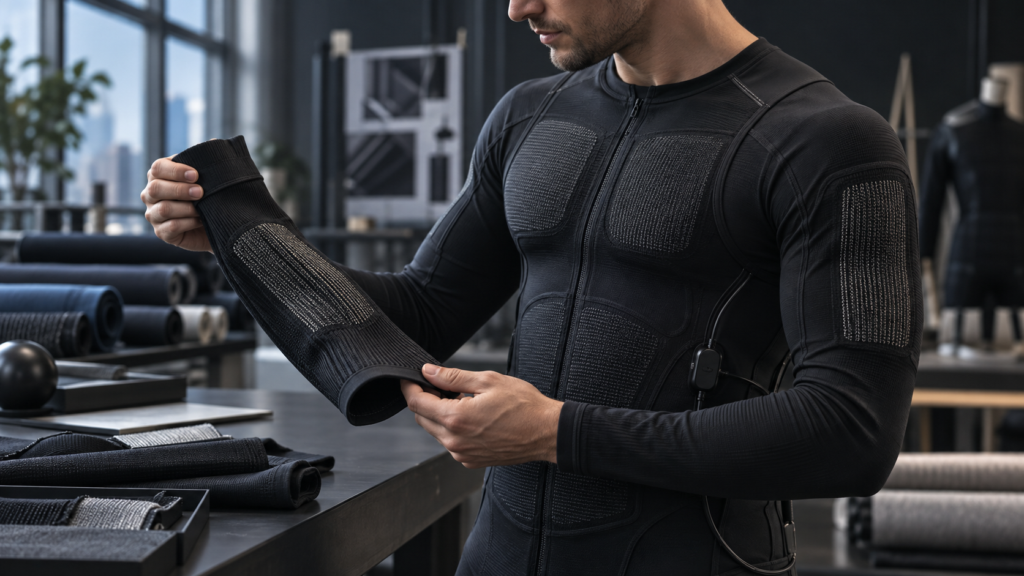
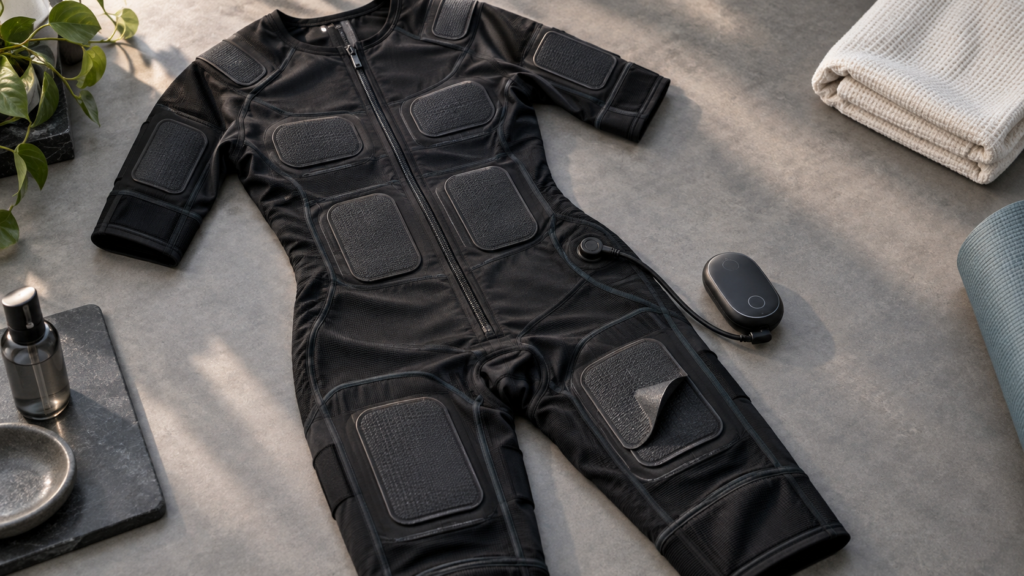
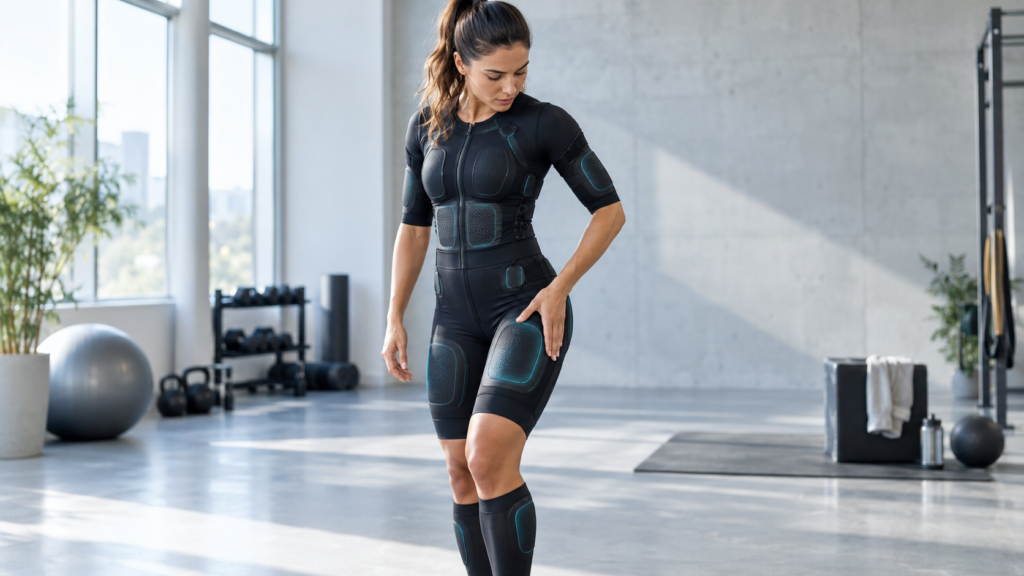
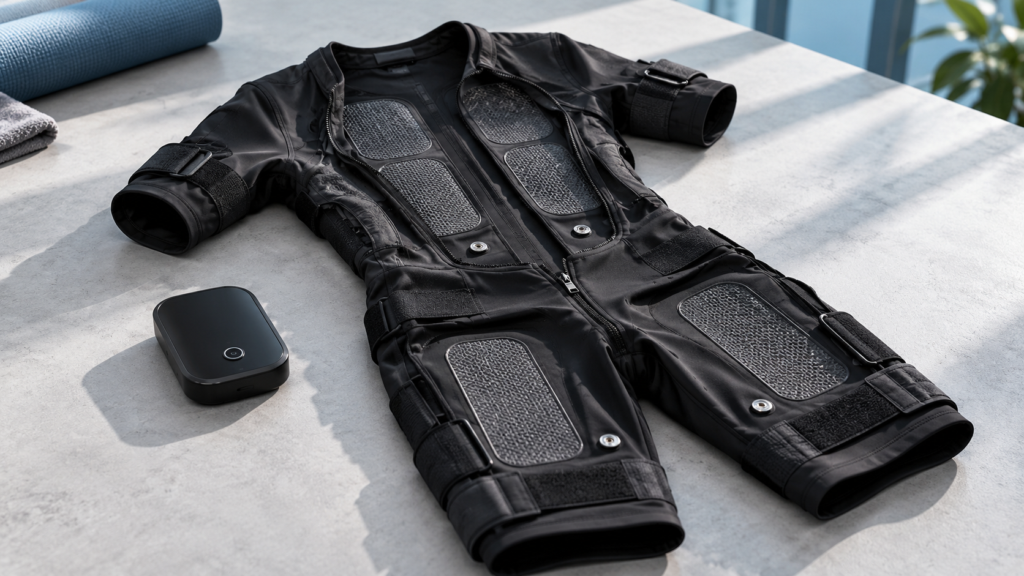
EMS equipment selection is one of the most significant decisions for a new EMS business. Professional WB-EMS systems — the suits and control units used in EMS studios — typically cost between $5,000 and $20,000 or more per system depending on the brand, features, and included software. Understanding the regulatory classification of the equipment you intend to use is important: professional WB-EMS equipment in many markets requires purchase by or in collaboration with certified professionals and must comply with applicable medical device regulations. [source] Studios investing in start EMS personal training business report strong client retention and satisfaction.
Legal business structure — whether to operate as a sole proprietor, LLC, or corporation — affects liability protection and tax treatment in ways that are important for fitness businesses with elevated liability exposure. Consulting with a business attorney familiar with the fitness or wellness industry is advisable before establishing the legal entity. Operating agreements, client liability waivers, informed consent documentation, and health screening forms are foundational legal documents that should be professionally reviewed before client operations begin. Anyone serious about start EMS personal training business should prioritize certified equipment and trained staff.
Liability insurance specifically covering EMS training is essential. General personal trainer liability policies may not cover EMS-specific activities. Seeking an insurer familiar with the EMS fitness industry — and disclosing EMS activity specifically during the application process — ensures you have appropriate coverage for the actual activities your business conducts. The business case for start EMS personal training business is supported by both research and real-world results.
Client Acquisition and Business Viability
EMS training’s premium price point — sessions typically range from $50 to $150 or more depending on market and format — means that client acquisition requires communicating the value proposition clearly and targeting clients who will find that value compelling. The most common initial client acquisition channels for new EMS businesses include introductory session offers that allow potential clients to experience EMS training before committing to packages, referral programs that leverage satisfied early clients, and local business partnerships with complementary wellness providers. [source] Getting the most from start EMS personal training business requires consistent protocol and progress tracking.

Defining the client niche most relevant to your market — whether time-poor professionals, older adults seeking joint-friendly strength training, post-rehabilitation clients, or performance-oriented athletes — allows for more targeted marketing and clearer value communication than a generic ‘EMS training for everyone’ approach. The most successful EMS businesses typically develop clear positioning around a specific client type and the specific outcomes EMS training produces for that type. Safety remains a top priority in any start EMS personal training business program.
Financial viability planning before launch — projecting the number of clients, sessions per week, and revenue per session needed to cover equipment costs, insurance, any facility costs, and compensation — is essential for realistic business planning. EMS training’s higher session prices allow for a viable business model at relatively low session volumes compared to conventional personal training, but the higher upfront equipment investment requires sufficient client throughput to justify. Professionals offering start EMS personal training business benefit from ongoing education and certification.
Conclusion
Starting an EMS personal training business requires more specific preparation than conventional personal training — in certification, equipment compliance, legal structure, and insurance — but the investment in proper foundation-building creates a business with genuine competitive differentiation and premium positioning in the fitness market.
The EMS fitness industry rewards well-prepared, professionally credentialed, and client-focused practitioners. Investing in the right certification, legal setup, and client acquisition strategy from the start builds the professional credibility and business foundation that sustains long-term success in this growing sector of the fitness industry.
Frequently Asked Questions
What certification do I need to start an EMS personal training business?
EMS-specific certification from a recognized EMS education program or equipment manufacturer training program is required. General personal training credentials (CPT) are not sufficient for EMS practice — EMS-specific training covers the physiology, contraindication screening, protocol design, and safety management specific to electrical muscle stimulation.
How much does it cost to start an EMS training business?
Startup costs vary widely based on equipment choice, whether you operate mobile or from a studio, and market. Professional WB-EMS equipment typically costs $5,000 to $20,000 or more per system. Additional costs include certification, insurance, legal setup, and marketing. Many EMS entrepreneurs start mobile (without studio overhead) to reduce initial investment.
Do I need a studio or can I run a mobile EMS training business?
Mobile EMS training is a viable and increasingly common business model — taking the EMS system to clients’ homes, workplaces, or outdoor locations. Mobile operation reduces overhead significantly but requires equipment that is portable and battery-operable, and may have different insurance and logistical considerations than studio operation.
What insurance do I need for an EMS training business?
Liability insurance specifically covering EMS training activities is essential. General personal trainer liability may not cover EMS-specific risks. Seek an insurer experienced with fitness or wellness businesses and disclose EMS activity specifically during the application to ensure appropriate coverage.
How many clients do I need to make an EMS training business viable?
This depends heavily on your pricing, cost structure, and whether you operate mobile or from a studio. At $80 to $120 per session and 20 to 30 sessions per week, an EMS personal training business can generate meaningful revenue at client volumes achievable for a sole practitioner. Detailed financial modeling for your specific market and cost structure is essential before launch.
Ready to explore EMS suit options? Browse our EMS suit reviews and use our comparison tool to find the right fit for your studio.