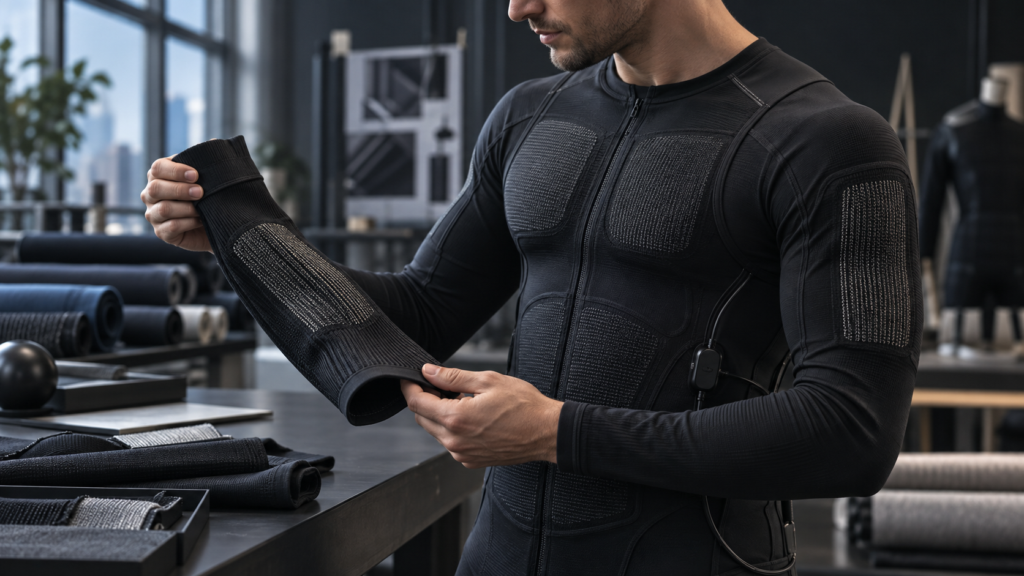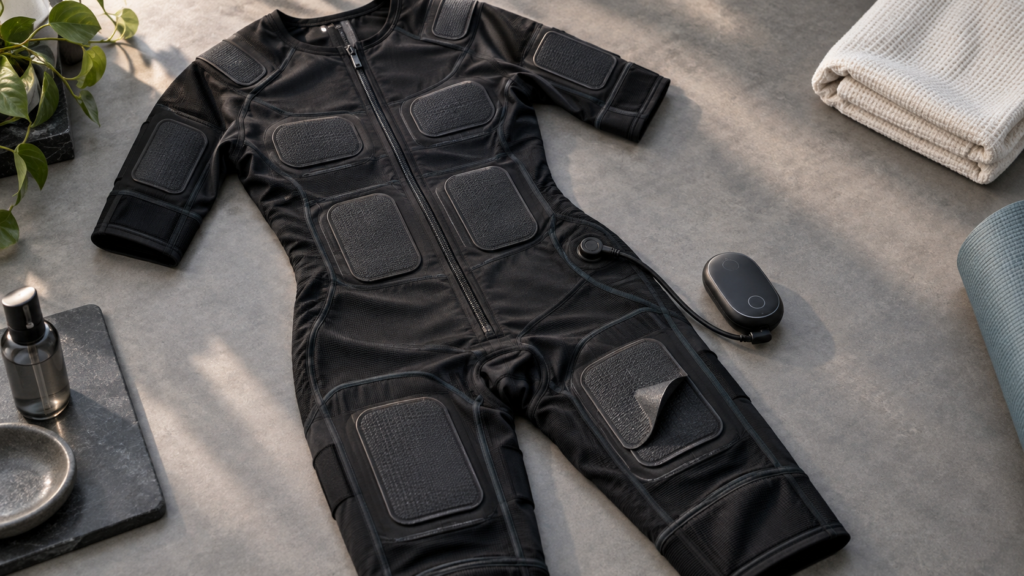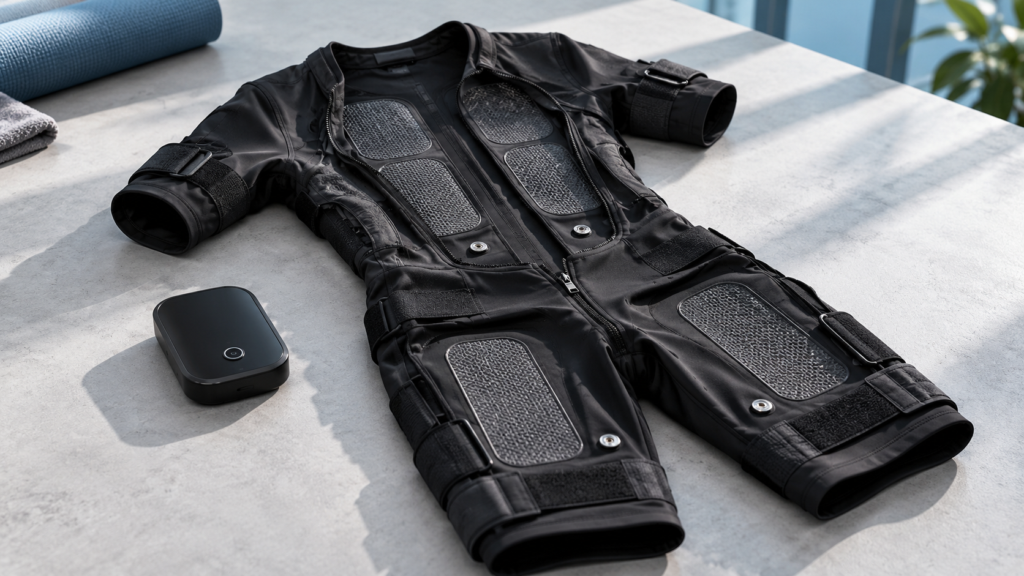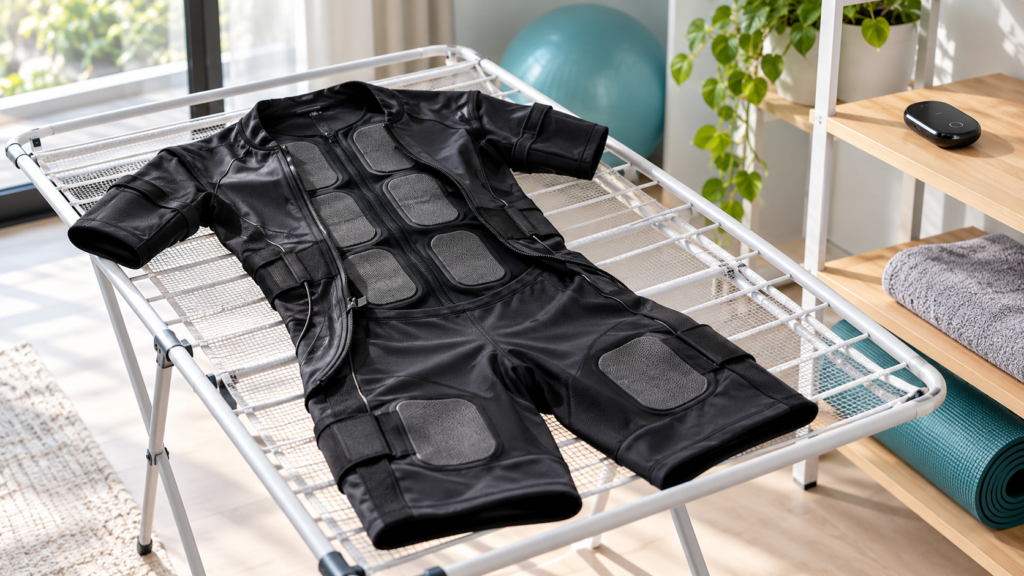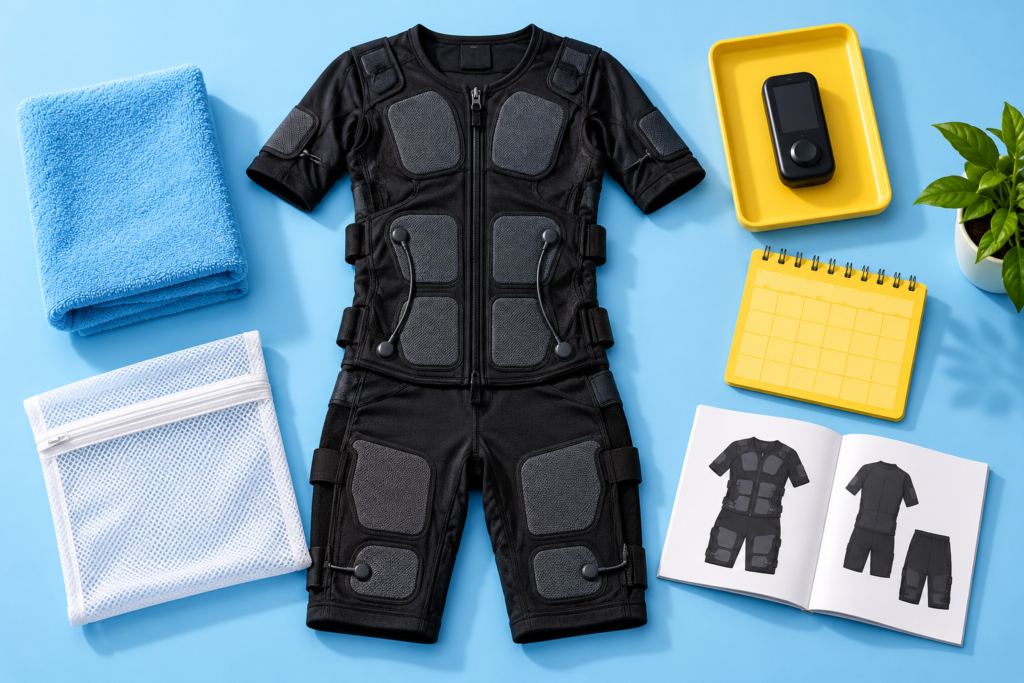

EMS arthritis joint conditions research has grown considerably as EMS technology has become more accessible for clinical and fitness applications. For people living with arthritis, the question of whether EMS training is appropriate, beneficial, or potentially risky deserves a careful, nuanced answer. Research into ems and arthritis what people with joint conditions sho continues to evolve as more studios adopt evidence-based approaches.
Understanding EMS arthritis joint conditions management requires distinguishing between different types of arthritis and different applications of EMS — because the answer varies significantly depending on which condition and which type of stimulation is being considered. Understanding ems and arthritis what people with joint conditions sho is key for any trainer looking to modernize their program.

EMS for arthritis management has been validated in multiple research contexts, with particular evidence for electrical stimulation joint conditions improvement in knee osteoarthritis. The key is distinguishing between the different arthritis types and applying appropriate protocols. The evidence supporting ems and arthritis what people with joint conditions sho is growing steadily in the professional fitness space.
Osteoarthritis and EMS: A Potentially Valuable Combination
For EMS arthritis joint conditions associated with osteoarthritis, the evidence is most promising. Research on EMS for knee osteoarthritis has shown improvements in quadriceps strength, functional capacity, and pain levels comparable to conventional exercise rehabilitation. For coaches exploring ems and arthritis what people with joint conditions sho, proper protocol design is essential.
Recent systematic reviews of EMS for musculoskeletal conditions suggest that EMS arthritis joint conditions applications show particular promise for older adults with limited exercise tolerance, where maintaining muscle mass is critical for joint stability. Clients asking about ems and arthritis what people with joint conditions sho deserve clear, evidence-informed guidance.
The mechanism behind EMS arthritis joint conditions improvement is primarily the preservation or restoration of periarticular muscle mass — the muscles around affected joints — which provides mechanical support and reduces stress on deteriorating joint surfaces. The practical application of ems and arthritis what people with joint conditions sho varies depending on goals and client profile.
Inflammatory Arthritis: Important Considerations: Ems and arthritis what people with joint conditions sho
EMS osteoarthritis management research shows positive outcomes for joint function and pain, but inflammatory EMS arthritis joint conditions — including rheumatoid arthritis — require considerably more caution. The inflammatory process makes joint tissue more vulnerable to mechanical and electrical stress during active disease phases. Studios investing in ems and arthritis what people with joint conditions sho report strong client retention and satisfaction.
EMS arthritis joint conditions applications for rheumatoid arthritis should always be discussed with a rheumatologist. The treating physician’s understanding of current disease activity, medication effects, and individual joint status is essential for safe protocol design. Anyone serious about ems and arthritis what people with joint conditions sho should prioritize certified equipment and trained staff.
For people whose EMS rheumatoid arthritis conditions are well-controlled, low-intensity EMS targeting muscles away from the most affected joints may be appropriate — but this should be explicitly assessed and approved by the treating physician. The business case for ems and arthritis what people with joint conditions sho is supported by both research and real-world results.
For people on immunosuppressive medications — which are common in inflammatory arthritis management — skin integrity at electrode sites is an additional consideration, as any skin irritation or breakdown carries different implications in an immunocompromised individual. Electrode placement should avoid areas of skin inflammation, psoriatic plaques (in PsA), or any compromised skin. Getting the most from ems and arthritis what people with joint conditions sho requires consistent protocol and progress tracking.
Key Questions to Discuss with Your Doctor
EMS arthritis joint conditions discussions with your doctor should address: current disease activity and stability, which specific joints are affected and their current status, any contraindications from current medications, and what monitoring should accompany EMS use. Safety remains a top priority in any ems and arthritis what people with joint conditions sho program.
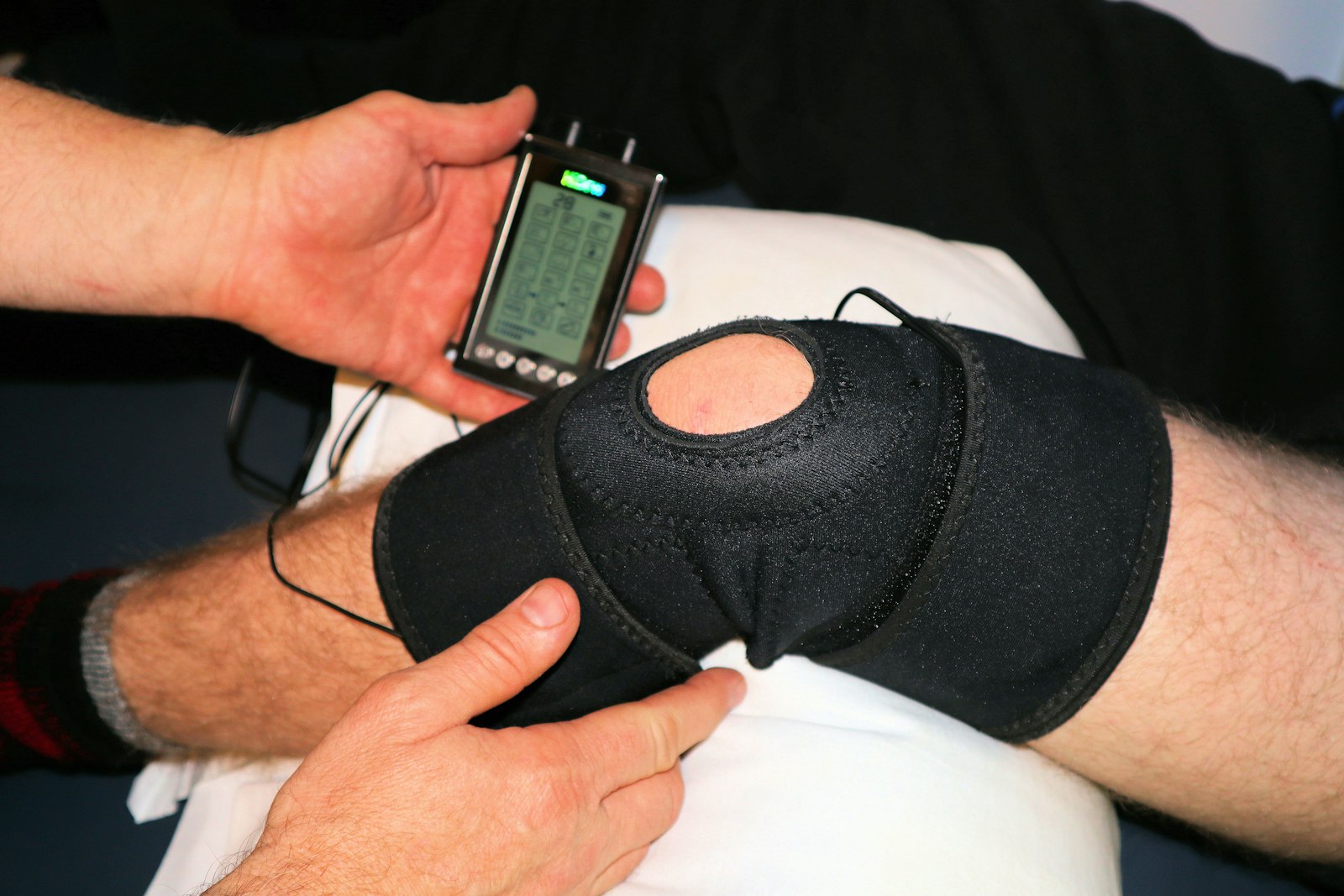
Coordination with a physiotherapist experienced in both EMS arthritis joint conditions management and rehabilitation is advisable for designing appropriate protocols. A physiotherapist can help translate medical clearance into practical, progressive training guidance. Professionals offering ems and arthritis what people with joint conditions sho benefit from ongoing education and certification.
Monitoring during initial EMS arthritis joint conditions sessions — being attentive to joint pain, swelling, and recovery — is essential for safety and for informing whether the protocol requires adjustment. Any increase in joint symptoms warrants protocol review.
EMS arthritis joint conditions management is a legitimate area of clinical interest. The evidence supports cautious use for osteoarthritis under medical guidance, with appropriate precautions for inflammatory arthritis.
The central message for people exploring EMS arthritis joint conditions interventions: EMS training is not inherently contraindicated for arthritis, but it requires individualized medical guidance to be safe and appropriate.
For people whose EMS arthritis joint conditions are well controlled and who receive appropriate medical clearance, EMS training can be a valuable addition to a comprehensive management program, providing muscle support, functional improvement, and quality of life benefits.
If your doctor approves EMS training, explore our brand reviews and product reviews to find the right EMS system. Use our product comparison tool to compare options.
Frequently Asked Questions
Can people with arthritis use EMS training?
EMS training may be appropriate for people with arthritis — particularly for joint-friendly muscle strengthening during well-controlled disease periods. The specific suitability depends on arthritis type, disease activity, and affected joints. Medical clearance from a rheumatologist or healthcare provider is essential before beginning EMS training with arthritis.
Is EMS safe during an arthritis flare?
EMS conditioning targeting actively inflamed joints during a flare is generally not recommended and may worsen inflammation. During active flares, EMS should be avoided for affected joints or limited to very gentle recovery-type stimulation with medical guidance. Resuming or intensifying EMS training is appropriate after flare resolution with healthcare team confirmation.
Can EMS help with knee osteoarthritis pain?
Research has found EMS training produces improvements in pain and function in knee osteoarthritis populations. The joint-friendly muscle activation EMS provides — strengthening the muscles around the arthritic knee without significant joint loading — may reduce pain through improved joint support and reduced joint stress.
Should I tell my rheumatologist if I want to use EMS?
Yes — informing the treating rheumatologist before beginning EMS training with inflammatory arthritis is important. They can advise on appropriateness given current disease activity, any medication interactions, and which joints may require particular care in EMS protocol design.
What type of EMS is best for arthritis?
For arthritic joints, low-intensity recovery EMS (for blood flow support and gentle muscle activation) and moderate-intensity conditioning EMS targeting muscles around (rather than at) arthritic joints are the most appropriate applications. High-intensity conditioning EMS at actively inflamed joints should be avoided. Specific protocols should be designed with physiotherapy guidance.
Ready to explore EMS suit options? Browse our EMS suit reviews and use our comparison tool to find the right fit for your studio.