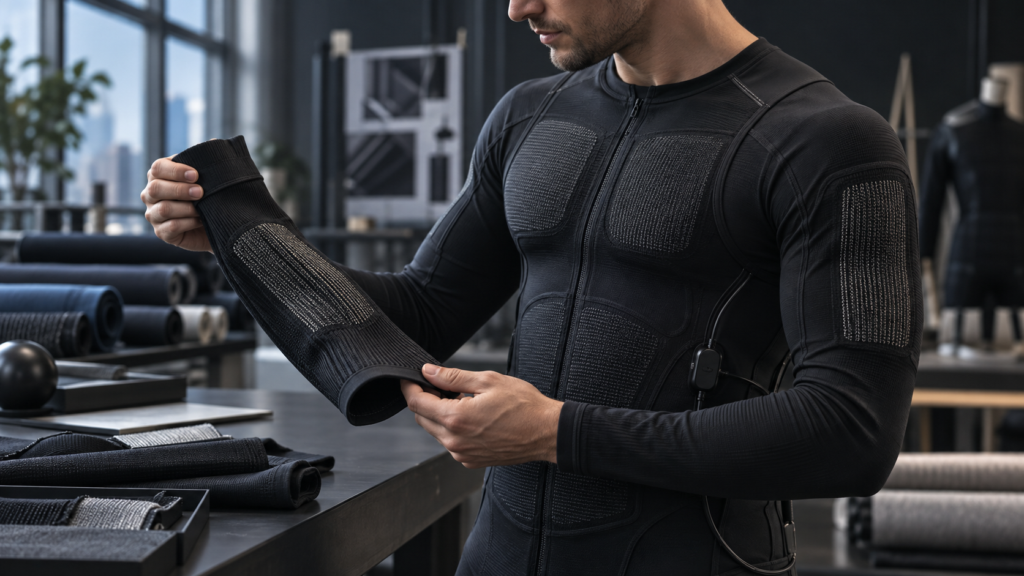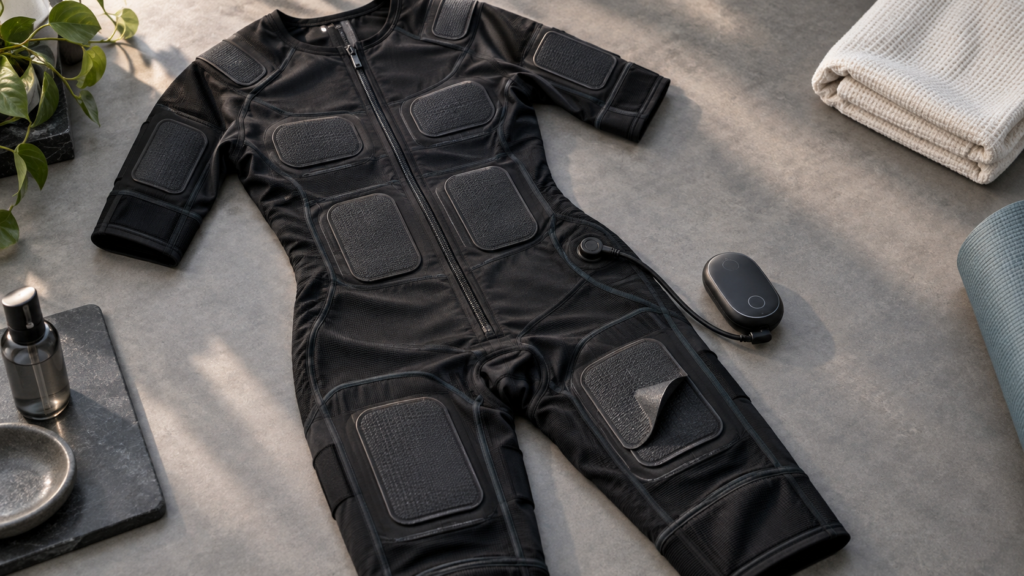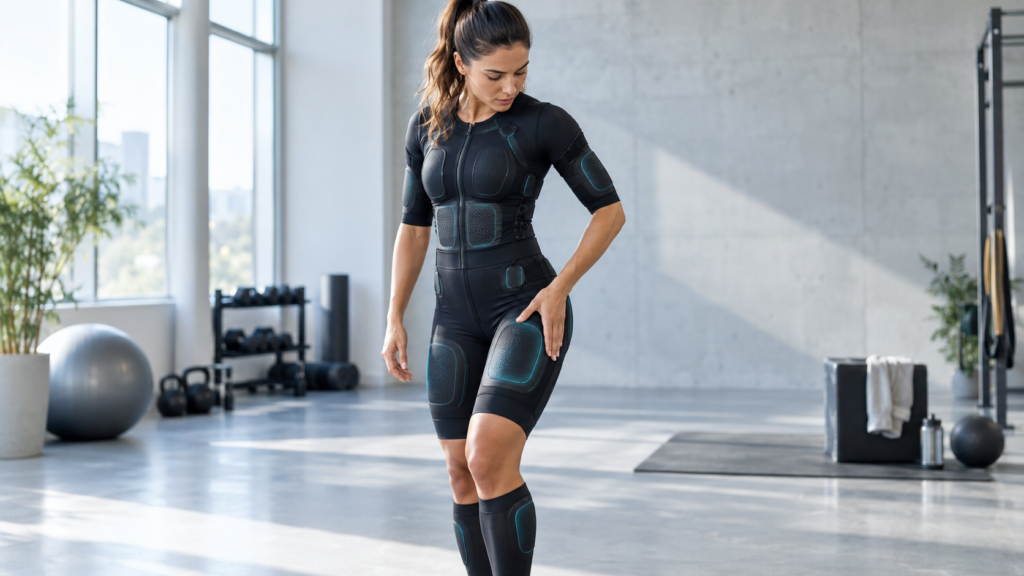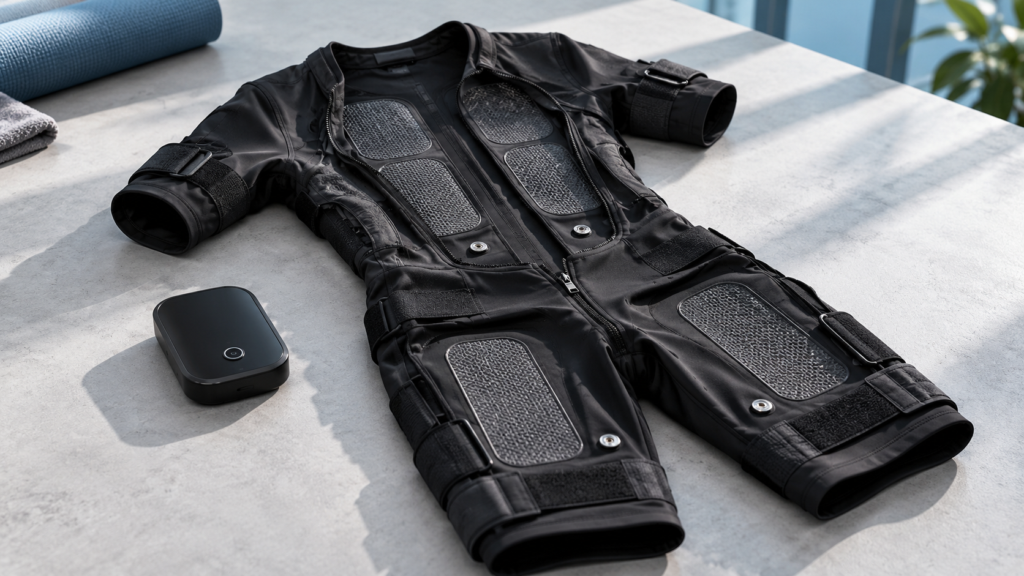
Gluteal inhibition, the reduced activation of the gluteus maximus, medius, and minimus, is often described as the most consequential muscle activation problem in modern sedentary populations. The glutes are the largest and most powerful muscles in the body, responsible for hip extension, hip abduction, and pelvis stabilization in single-leg stance.
When they are inhibited, other muscles must compensate. That compensation leads to movement quality problems, postural dysfunction, lower back pain, knee pain, and elevated injury risk throughout the lower extremity.
The primary culprit is chronic sitting. When the hip is in prolonged flexion, the gluteus maximus is maintained in a lengthened position that reduces its resting neural tone. The hip flexors become shortened and overactive. Over time, voluntary gluteal activation during exercise and movement becomes progressively less complete. EMS glute activation addresses this problem directly, providing electrical stimulation that bypasses the voluntary recruitment limitations created by inhibition and prolonged sitting.
Why Gluteal Inhibition Is Such a Serious Problem
Before getting into how EMS glute activation works, it helps to understand what glute inhibition actually costs you functionally.
The gluteus maximus is the primary hip extensor and the largest contributor to propulsive force in walking, running, and jumping. When it is inhibited, the hamstrings and lumbar erector spinae increase their contribution to hip extension. That compensatory pattern loads these structures beyond their optimal capacity and is associated with hamstring strain, lower back pain, and degenerative lumbar spine changes.
The gluteus medius stabilizes the pelvis in single-leg stance, preventing the pelvis from dropping on the unsupported side during walking and running. Gluteus medius weakness produces a lateral pelvis drop that increases medial knee stress, lateral hip stress, and iliotibial band tension. Patellofemoral pain syndrome, IT band syndrome, and hip bursitis are all associated with this pattern.
For athletes, the consequences extend to performance as well:
- Reduced hip extension power limits sprint acceleration and jumping height
- Impaired pelvis stability reduces force transfer efficiency through the lower extremity kinetic chain
- Compensatory muscle overloading creates chronic tissue stress that limits training volume and predisposes to overuse injuries
EMS glute activation is relevant across all of these presentations because the root cause, inhibited gluteal recruitment, is the same regardless of where the downstream consequences show up.
How EMS Glute Activation Works
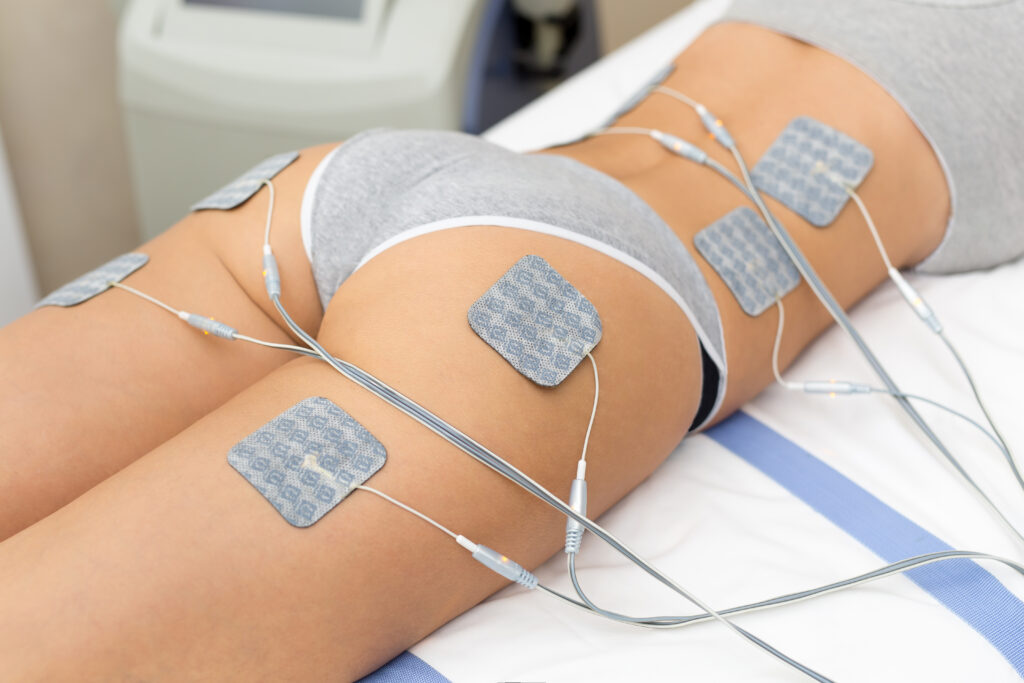
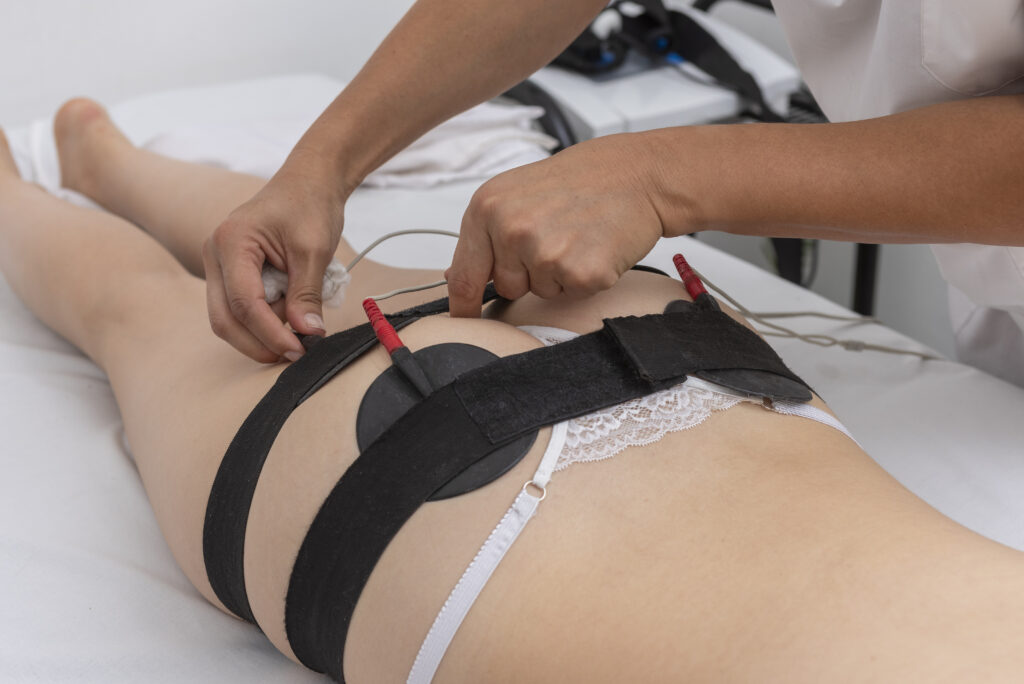
EMS glute activation delivers electrical current directly to the motor nerves supplying the gluteal muscles, producing contraction regardless of the inhibitory signals that prevent full voluntary activation. This direct activation effectively overrides the inhibition temporarily, creating the experience of full gluteal contraction that many inhibited individuals have not felt during conventional exercise.
Gregory and Bickel (2005) in Physical Therapy document that electrical stimulation produces broader and more consistent motor unit recruitment than voluntary effort at the same exercise intensity, which is precisely why EMS glute activation can reach inhibited muscles that conventional glute exercises consistently miss.
Repeated EMS-driven gluteal activation may also produce neuroplastic changes that improve voluntary gluteal recruitment over time. This is a form of motor learning where the repeated activation pattern reinforces the neural pathways for gluteal contraction. Bickel, Gregory, and Dean (2011) in the European Journal of Applied Physiology support this motor learning hypothesis, noting that repeated EMS-driven activation patterns can improve voluntary recruitment of targeted muscles following consistent training periods.
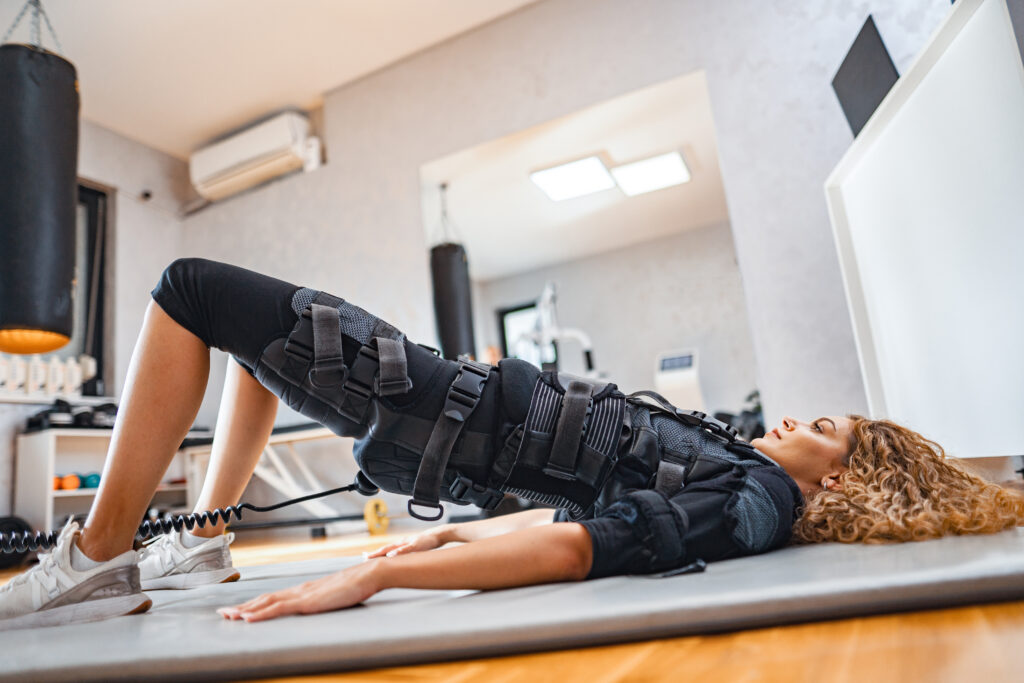
For maximum benefit, EMS glute activation is most effective when combined with functional hip extension exercises performed immediately after or alongside the stimulation. The EMS primes the neuromuscular activation of the glutes. The subsequent exercise trains the brain to recruit the glutes voluntarily in functional movement patterns.
This combination of EMS glute activation as pre-activation followed by glute bridges, hip thrusts, or other hip extension movements is among the most effective EMS-informed glute rehabilitation approaches available.
EMS Glute Activation for Desk Workers
Desk workers are one of the populations most affected by gluteal inhibition, and one of the populations that benefits most from a consistent EMS glute activation practice.
The daily inhibitory effects of prolonged sitting are cumulative. Even individuals who exercise regularly can struggle to fully overcome the inhibition that builds up across a full working day of seated posture. Brief daily EMS glute activation sessions, 10 to 15 minutes at low to moderate intensity, provide maintenance activation that partially offsets those inhibitory effects without requiring a formal training session.
Practical tips for desk workers using EMS glute activation:
- Use brief sessions in the morning before sitting down for the day, or at lunchtime to reset activation midway through
- Follow each EMS glute activation session with a few sets of glute bridges or hip extensions to reinforce the voluntary recruitment pattern
- Combine with regular movement breaks throughout the day for the best cumulative effect on gluteal inhibition
Consistency matters more than intensity here. The goal is maintaining gluteal recruitment quality against the daily inhibitory pressure of sitting, not producing acute strength gains in single sessions.
EMS Glute Activation for Athletes
For athletes, EMS glute activation serves a different but equally important purpose. The goal is not just maintenance but performance optimization and injury prevention.
Nussbaum et al. in Physiother Can note that neuromuscular electrical stimulation is particularly effective for activating muscles with impaired voluntary recruitment, which applies directly to the sport-specific glute inhibition patterns that develop in athletes whose training emphasizes anterior chain dominance.
Pre-training EMS glute activation, using brief protocols of five to ten minutes before conventional training sessions, primes the glutes for better activation quality during the session itself. This pre-activation application aims to improve glute recruitment during the subsequent training rather than provide a conditioning stimulus in itself.
For athletes in sports involving high volumes of running, jumping, or change of direction, consistent EMS glute activation as part of the warm-up routine may reduce the compensatory loading on the hamstrings and lumbar spine that glute inhibition creates, contributing to lower injury rates over a full season.
EMS Glute Activation Protocols: What to Expect
EMS glute activation for inhibition rehabilitation typically uses moderate frequencies in the range of 30 to 50 Hz at intensities sufficient to produce visible glute contractions without discomfort. The individual should feel the glutes contract clearly during each stimulation phase.
Sessions are usually brief, ranging from 15 to 20 minutes, with multiple on and off cycles that allow assessment of glute activation quality between contractions. Dirks et al. (2014) in Acta Physiologica found that neuromuscular electrical stimulation applied consistently over time produces meaningful improvements in both muscle activation and muscle mass maintenance, supporting the case for regular rather than sporadic EMS glute activation sessions.
A few general protocol guidelines:
- For rehabilitation and inhibition correction: moderate intensity, 15 to 20 minute sessions, combined with functional hip extension exercises immediately after
- For pre-training activation: lower intensity, five to ten minutes, focused on priming rather than fatiguing the glutes
- For desk worker maintenance: low intensity, 10 to 15 minutes, daily or near-daily frequency
Working with a qualified EMS trainer or physiotherapist to dial in the right protocol for your specific presentation produces better outcomes than self-directed EMS glute activation without professional guidance.
Conclusion
Gluteal inhibition is one of the most common and consequential muscle activation problems in modern populations, contributing to lower back pain, knee pain, reduced athletic performance, and elevated injury risk. EMS glute activation addresses this problem directly, providing electrical stimulation that activates the glutes regardless of voluntary recruitment limitations.
Combined with functional training, EMS glute activation may support lasting improvements in voluntary gluteal recruitment that translate into better movement quality, reduced injury risk, and improved performance over time. For desk workers, athletes, and anyone with identified gluteal inhibition, it is one of the most targeted and immediately applicable EMS interventions available.
Ready to find the best EMS suit for you? Check out our brand reviews and product reviews to help inform your decision. You can also play with our product comparison tool to find the option that fits your goals and budget.
Frequently Asked Questions
Does EMS activate the glutes? Yes. EMS glute activation delivers electrical stimulation directly to the motor nerves supplying the gluteal muscles, producing contractions regardless of voluntary activation level. This makes it particularly useful for individuals with gluteal inhibition who cannot achieve full voluntary glute activation through conventional exercise alone.
Can EMS fix dormant glutes? EMS glute activation can significantly improve gluteal recruitment by providing direct electrical activation that bypasses inhibitory signals, potentially facilitating motor learning improvements in voluntary gluteal recruitment over time. Combining EMS activation with functional hip extension exercises produces better long-term outcomes than EMS alone.
How long does it take EMS to improve glute activation? Some individuals notice improved glute awareness and activation quality within the first few EMS glute activation sessions. Meaningful and durable improvements in voluntary gluteal recruitment typically develop over four to eight weeks of consistent EMS activation combined with functional training.
Should I use EMS glute activation before or after training? Pre-training EMS glute activation, using brief low-intensity sessions before conventional exercise, is the most common application for improving training quality. Post-training EMS can also be used for recovery-focused gluteal activation at very low intensity, though the pre-activation application is generally more impactful.
Is EMS useful for glute activation in desk workers? Yes. Desk workers are among the populations most affected by chronic gluteal inhibition from prolonged sitting. Daily brief EMS glute activation sessions help maintain gluteal recruitment quality against the daily inhibitory effects of sitting. Combined with regular movement breaks and hip extension exercises, it provides a targeted and practical contribution to desk worker glute health.