
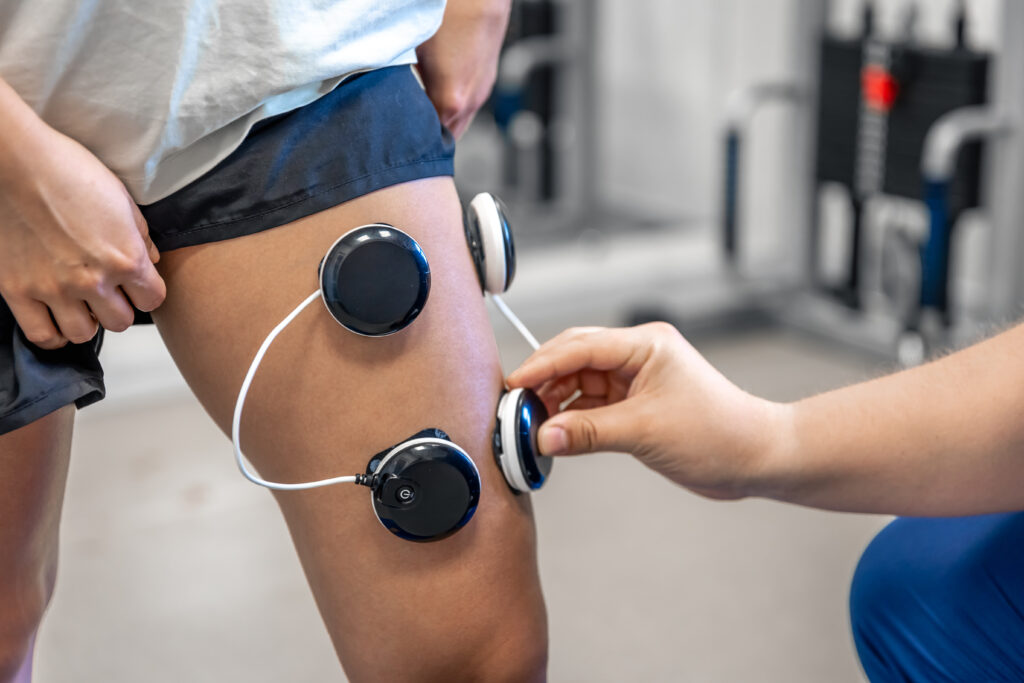
Muscle atrophy, the loss of muscle mass and strength, is one of the most consequential physiological changes that comes with aging, illness, and injury. In older adults, the progressive muscle loss known as sarcopenia reduces independence, increases fall risk, and is associated with elevated mortality risk.
In individuals undergoing surgery, hospitalization, or immobilization following injury, disuse atrophy can occur with startling speed. Studies show measurable muscle mass loss within days of immobilization, creating a rehabilitation burden that extends well beyond the primary condition being treated.
EMS muscle atrophy prevention is grounded in a straightforward physiological rationale. Muscle atrophy is driven primarily by the absence of mechanical loading and neural activation. EMS provides the neural activation stimulus, driving muscle contractions, when voluntary activation or mechanical loading is impossible. Electrical stimulation has been used clinically to counteract muscle atrophy for decades, with applications ranging from post-surgical limb stimulation to ICU-based protocols for critically ill patients.
This article examines the mechanisms of muscle atrophy, the evidence for EMS muscle atrophy prevention across different clinical and aging contexts, and the practical applications of electrical stimulation for people managing muscle loss.
The Physiology Behind Muscle Atrophy
Skeletal muscle mass is maintained through a balance between muscle protein synthesis and muscle protein breakdown. When synthesis exceeds breakdown, muscle mass is maintained or grows. When breakdown exceeds synthesis, muscle mass is lost.
The primary stimuli for muscle protein synthesis are:
- Mechanical loading through exercise
- Adequate dietary protein
The primary drivers of muscle protein breakdown are:
- Disuse and physical inactivity
- Catabolic hormones including elevated cortisol and reduced testosterone and growth hormone
- Inflammatory mediators from injury, illness, or surgery
During immobilization following fracture, joint surgery, or enforced bed rest, the absence of mechanical loading dramatically reduces muscle protein synthesis. Inflammatory responses from the underlying condition simultaneously elevate breakdown. The resulting negative protein balance produces muscle fiber atrophy that begins within 24 to 48 hours and can exceed one percent of muscle mass per day during complete immobilization.
This is the context in which EMS muscle atrophy prevention has its most immediate and well-documented clinical application.
Age-related sarcopenia involves a more gradual but equally serious imbalance. Walston et al. (2019) report that muscle loss averages one to two percent per year after age 50 and accelerates after age 60, driven by declining anabolic hormone levels, reduced physical activity, and chronic low-grade inflammation. EMS muscle atrophy prevention in this population addresses the same fundamental deficit: insufficient stimulus for muscle protein synthesis to keep pace with ongoing breakdown.
The Evidence for EMS Muscle Atrophy Prevention During Immobilization
Research on EMS for immobilization-related atrophy has produced consistently positive findings.
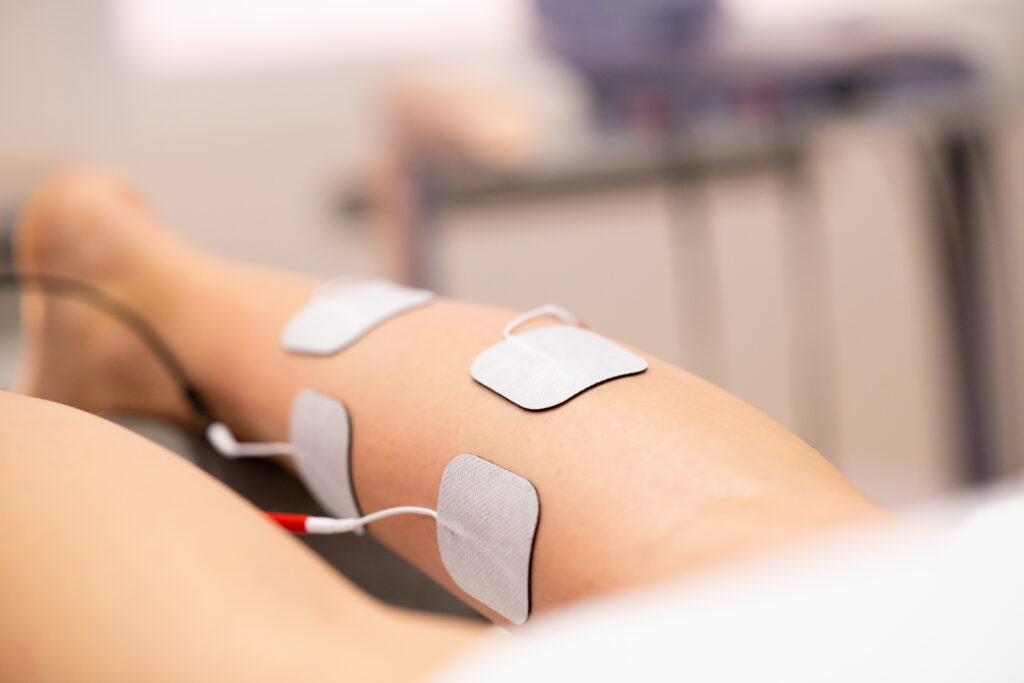
Dirks et al. (2014) in Acta Physiologica demonstrated that neuromuscular electrical stimulation prevents muscle disuse atrophy during leg immobilization in humans. EMS-treated limbs showed significantly less muscle mass loss, better maintenance of muscle cross-sectional area, and faster strength recovery compared to untreated controls.
Some studies have found 30 to 50 percent reductions in the muscle cross-sectional area loss that occurs during immobilization periods. That is a clinically meaningful result.
In post-surgical rehabilitation contexts including ACL reconstruction, knee replacement, and hip surgery, EMS has been found to attenuate the quadriceps and surrounding muscle atrophy that routinely follows these procedures. The result is faster strength recovery and earlier functional independence.
Clinical neuromuscular electrical stimulation for post-surgical muscle maintenance is now guideline-endorsed in multiple physiotherapy frameworks, reflecting genuine confidence in EMS muscle atrophy prevention in these settings.
Dirks et al. (2018) in the Journal of Applied Physiology further examined interventional strategies to combat muscle disuse atrophy, identifying neuromuscular electrical stimulation and dietary protein as the two most evidence-supported approaches. The combination of EMS stimulation and adequate protein intake produces better atrophy-limiting outcomes than either intervention alone.
EMS Muscle Atrophy Prevention in Critically Ill Patients
One of the most demanding contexts for EMS muscle atrophy prevention is the intensive care unit.
Critically ill patients experience extreme catabolic conditions simultaneously: complete immobilization, severe inflammatory stress, inadequate nutrition, and the physiological demands of acute illness. The resulting muscle wasting can be profound and has significant consequences for recovery, length of hospital stay, and long-term functional outcomes.
Maffiuletti et al. (2013) in BMC Medicine conducted a systematic review of neuromuscular electrical stimulation for preventing skeletal muscle weakness and wasting in critically ill patients. Early EMS stimulation in the ICU setting was associated with better muscle mass maintenance and improved functional outcomes compared to standard care alone.
The evidence base in this area continues to develop given the complexity of the critically ill patient population. But the growing research signal reflects how seriously critical care teams are taking the problem of ICU-acquired muscle weakness, and where EMS muscle atrophy prevention fits within the solution.
EMS Muscle Atrophy Prevention for Older Adults and Sarcopenia
For older adults, EMS muscle atrophy prevention through whole-body EMS training is one of the most practically accessible interventions available for sarcopenia management.
Multiple studies have found that twice-weekly whole-body EMS training over 12 to 16 weeks produces meaningful improvements in muscle strength and mass in older adults who cannot or do not engage in sufficient conventional resistance training.
Many older adults face real barriers to conventional resistance training, including:
- Joint pain and mobility limitations
- Cardiovascular restrictions
- Difficulty tolerating the physical demands of traditional gym-based exercise
- Limited access to appropriate facilities or professional guidance
Whole-body EMS training provides a resistance training stimulus that supports muscle protein synthesis and neuromuscular function without requiring the same physical capacity as conventional exercise.
Nussbaum et al. in Physiother Can note that neuromuscular electrical stimulation is particularly effective for activating muscles with impaired voluntary recruitment. This finding is directly relevant to older adults whose neuromuscular drive to skeletal muscle declines as part of the aging process.
EMS muscle atrophy prevention in this context works by compensating for reduced voluntary neural drive with an external electrical stimulus that maintains the activation needed to support protein synthesis. For a population with limited alternatives, that is a meaningful clinical benefit.
Practical Applications: How to Use EMS for Muscle Atrophy Prevention
Understanding the evidence matters. Knowing how to apply it is what actually makes a difference.
Before planned surgery:
Pre-surgical EMS conditioning, building muscle mass and strength before the procedure, provides a functional reserve that limits the impact of post-surgical atrophy. Starting with greater muscle mass means the same degree of atrophy leaves you in better functional condition than if you began with lower reserves. This prehabilitation approach to EMS muscle atrophy prevention is increasingly recommended in pre-surgical care pathways.
During immobilization:
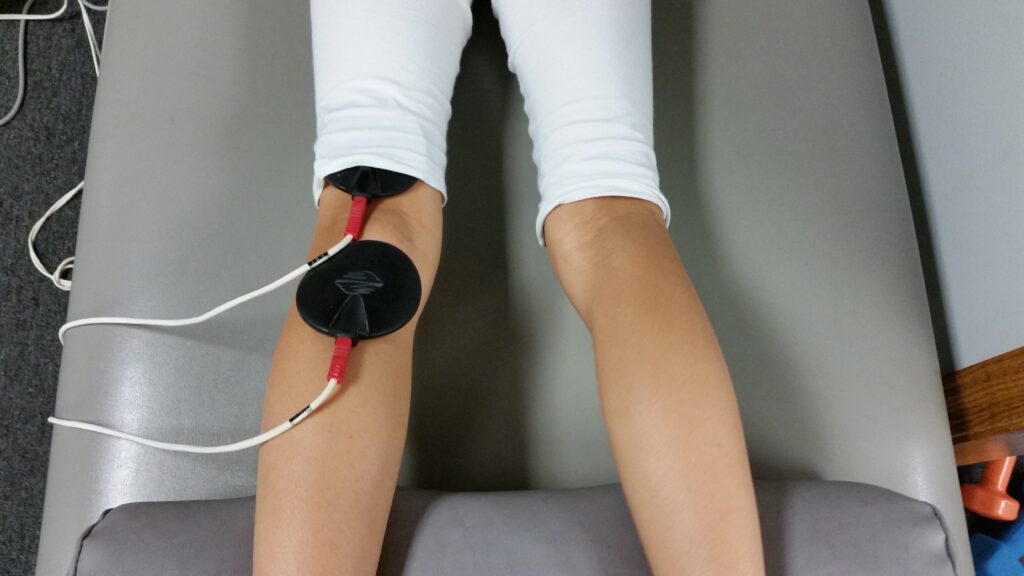
Low to moderate intensity electrical stimulation applied to the immobilized limb or area, where approved by the treating medical team, can maintain neuromuscular activation and support muscle protein synthesis in the affected muscles. This attenuates rather than eliminates the inevitable atrophy of immobilization, but the difference in outcomes between treated and untreated patients is clinically meaningful.
For older adults:
Consistent twice-weekly whole-body EMS sessions appear sufficient to provide a meaningful muscle maintenance stimulus. The evidence for whole-body EMS in sarcopenia prevention is among the strongest available for any specific EMS application, making it a well-supported choice for older adults prioritizing muscle health.
In all clinical and rehabilitation contexts, professional guidance from a physiotherapist or medical team is important for appropriate protocol design and safe implementation.
Conclusion
EMS muscle atrophy prevention has a well-established role across multiple contexts, from post-surgical limb stimulation to sarcopenia management in older adults. The mechanisms are physiologically coherent, the evidence base is meaningful, and the clinical endorsement of electrical stimulation for muscle maintenance reflects genuine confidence in its efficacy.
For individuals at risk of or already experiencing muscle atrophy through immobilization, surgery, aging, or illness, this is a valuable and evidence-supported tool for maintaining the muscle mass and neuromuscular function that support recovery, independence, and quality of life.
Ready to find the best EMS suit for you? Check out our brand reviews and product reviews to help inform your decision. You can also play with our product comparison tool to find the option that fits your goals and budget.
Frequently Asked Questions
Can EMS prevent muscle wasting?
Research consistently shows EMS can significantly attenuate muscle loss during immobilization and post-surgical periods, and supports muscle mass maintenance in older adults with sarcopenia. It cannot completely prevent atrophy in the face of powerful catabolic conditions but meaningfully reduces the rate of muscle loss.
How does EMS prevent muscle atrophy?
EMS provides the neural activation stimulus that drives muscle contractions and supports muscle protein synthesis, the same fundamental stimulus that voluntary exercise provides, but deliverable when voluntary activation or mechanical loading is impossible due to injury, surgery, or immobilization.
Is EMS used in hospitals to prevent muscle wasting?
Yes. Clinical neuromuscular electrical stimulation is used in hospital settings for muscle maintenance after surgery, during rehabilitation from musculoskeletal conditions, and increasingly in ICU settings. EMS muscle atrophy prevention in clinical contexts is guided by physiotherapists and medical teams with specific protocols for each situation.
Can EMS help with age-related muscle loss?
Whole-body EMS training has been shown in multiple studies to maintain and in some cases increase muscle mass in older adults, making it a relevant intervention for sarcopenia prevention. Twice-weekly sessions appear sufficient to provide meaningful muscle maintenance stimulus for older adults who cannot sustain conventional resistance training.
Should I use EMS during injury recovery to prevent muscle loss?
EMS during injury recovery can help maintain muscle mass in the affected area, but should be used under professional guidance, particularly after surgery or with significant orthopedic injuries. The treating physiotherapist or medical team should confirm appropriateness and provide suitable protocols before beginning.