

EMS for back pain management is an increasingly relevant application of electrical muscle stimulation as back pain affects a significant portion of the population. Low back pain is a leading cause of disability globally, and EMS offers a targeted approach to one of the key contributors: weakened or inhibited core and spinal muscles. Research into ems for back pain management what you should know continues to evolve as more studios adopt evidence-based approaches.
EMS for back pain works through two primary mechanisms: direct pain modulation (similar to TENS) and muscle activation that addresses underlying muscle weakness and inhibition. Understanding which mechanism applies to which type of back pain guides appropriate EMS application. Understanding ems for back pain management what you should know is key for any trainer looking to modernize their program.
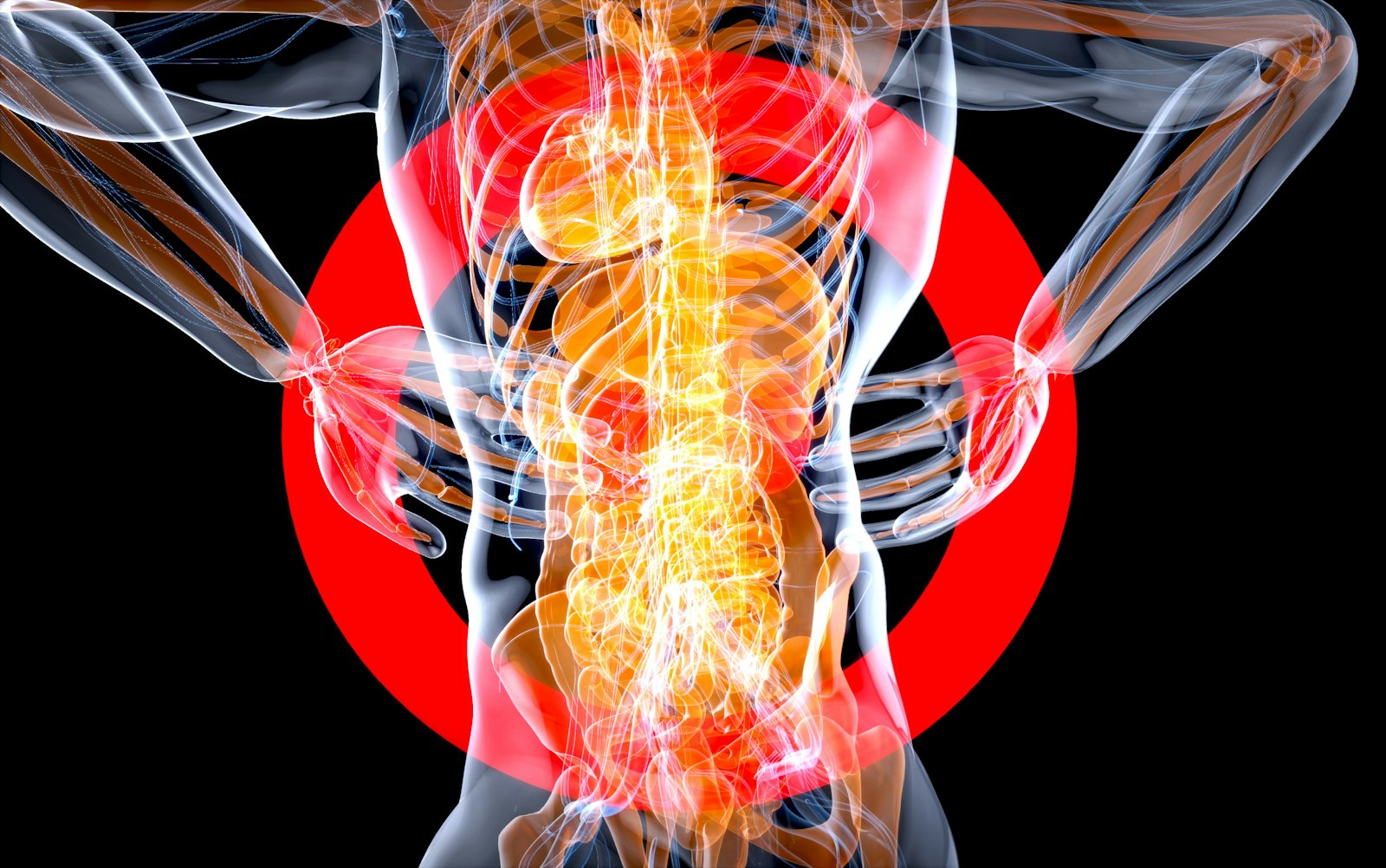
This article examines what is known about electrical stimulation and back pain management — distinguishing between clinical TENS applications and EMS training applications, examining what each contributes, and providing honest guidance about when electrical stimulation approaches may be appropriate and when professional medical assessment is essential. The evidence supporting ems for back pain management what you should know is growing steadily in the professional fitness space.
TENS vs. EMS: Important Distinctions for Back Pain
EMS for back pain vs TENS: both use electrical stimulation but serve different purposes. TENS primarily modulates pain signals at low frequencies; EMS for back pain addresses the muscular contributors to pain by creating muscle contractions that strengthen supportive muscles. For coaches exploring ems for back pain management what you should know, proper protocol design is essential.
EMS lower back pain applications: whole-body EMS activates the erector spinae and multifidus, which are often inhibited or weakened in chronic low back pain. Targeted EMS can specifically address these key stabilizing muscles. Clients asking about ems for back pain management what you should know deserve clear, evidence-informed guidance.
EMS for back pain application appropriateness depends on the type of back pain. Mechanical, non-specific low back pain related to muscle weakness and deconditioning is the most appropriate target for EMS electrical stimulation back pain relief. The practical application of ems for back pain management what you should know varies depending on goals and client profile.
The Muscular Basis of Chronic Low Back Pain: Ems for back pain management what you should know
EMS for back pain muscular mechanism: chronic low back pain is strongly associated with atrophy and inhibition of the deep spinal stabilizers, particularly the multifidus. EMS spinal muscle activation provides a direct intervention for this muscle group. Studios investing in ems for back pain management what you should know report strong client retention and satisfaction.
EMS for back pain deep stabilizer activation: the multifidus, often severely atrophied in chronic low back pain, is activated by EMS electrical stimulation even when voluntary activation is impaired by pain inhibition. Anyone serious about ems for back pain management what you should know should prioritize certified equipment and trained staff.
EMS for back pain program design: combining direct EMS activation of targeted spinal muscles with progressive exercise training produces better outcomes than either approach alone in chronic low back pain. The business case for ems for back pain management what you should know is supported by both research and real-world results.
Evidence for EMS in Back Pain: What Research Shows
EMS back pain management research shows that electrical stimulation interventions for chronic low back pain produce meaningful improvements in pain scores and functional capacity compared to control conditions. Getting the most from ems for back pain management what you should know requires consistent protocol and progress tracking.
EMS for back pain research findings: studies examining EMS for chronic non-specific low back pain consistently find improvements in core muscle strength, pain intensity, and functional disability measures. Safety remains a top priority in any ems for back pain management what you should know program.

EMS for back pain safety considerations: EMS should not be applied directly over areas of active disc herniation, spinal stenosis, or recent spinal surgery without explicit medical guidance. Professionals offering ems for back pain management what you should know benefit from ongoing education and certification.
When to Seek Medical Assessment
EMS for back pain red flags: back pain accompanied by neurological symptoms (leg weakness, numbness, bladder/bowel changes), severe trauma history, or unexplained weight loss requires medical assessment before any exercise intervention including EMS.
Individuals considering EMS training as part of back pain management should discuss this with their healthcare provider, particularly if their back pain is diagnosed, chronic, or associated with any of the concerning features mentioned above. EMS is a wellness and fitness tool, not a medical device for back pain treatment, and its use should be coordinated with appropriate medical oversight for individuals with significant back pain presentations.
Conclusion
EMS for back pain represents a valuable tool in the comprehensive management of musculoskeletal back pain. The evidence supports cautious positive use, particularly for individuals with weakness-based or deconditioning-related back pain.
EMS back pain management should be understood as one component of a broader program that may include exercise, manual therapy, and where appropriate, medical management.
Looking for EMS training for wellness and recovery? Explore our brand reviews and product reviews, or compare options with our product comparison tool.
Frequently Asked Questions
Can EMS help with back pain?
EMS training may support back pain management by activating and strengthening the spinal muscles — particularly the deep stabilizers — that are often deconditioned in chronic low back pain. Research has found EMS training reduces pain and disability in chronic low back pain populations. EMS is best used as an adjunct to comprehensive management under professional guidance, not as a standalone treatment.
Is EMS the same as TENS for back pain?
No — EMS and TENS are related but distinct technologies. TENS uses low currents to modulate pain signals through sensory nerve stimulation. EMS uses higher currents to produce muscle contractions for strengthening and rehabilitation. Both have applications in back pain management but through different mechanisms and with different evidence bases.
What back muscles can EMS target?
EMS can target the superficial and deep spinal muscles including the erector spinae, multifidus, and quadratus lumborum, as well as the core musculature (transverse abdominis, obliques) that contributes to lumbar spinal stability. Effective targeting requires appropriate electrode placement or whole-body EMS suit design that includes back muscle coverage.
Should I use EMS for back pain without seeing a doctor?
Mild, non-specific mechanical back pain without concerning features may respond safely to EMS conditioning as part of a general fitness program. However, significant, worsening, or unexplained back pain — particularly with neurological symptoms, fever, or other concerning features — requires medical assessment before beginning any exercise or EMS program. When in doubt, consult a healthcare provider.
How long does it take EMS to help with back pain?
Research studies finding meaningful improvements in chronic low back pain from EMS training use periods of 8 to 16 weeks with twice-weekly sessions. Pain and disability improvements are typically gradual, with some studies reporting meaningful improvements within 8 weeks and more significant improvements at 12 to 16 weeks.