EMS calorie burn is a frequently asked question for people considering EMS training for weight management. Understanding how many calories EMS training actually burns — and what the research shows — helps set realistic expectations for EMS calorie burn outcomes. Research into ems training and calorie burn what you can realisticall continues to evolve as more studios adopt evidence-based approaches.
EMS calorie burn understanding requires distinguishing between acute session caloric expenditure and the longer-term metabolic effects of training-induced muscle mass changes. Understanding ems training and calorie burn what you can realisticall is key for any trainer looking to modernize their program.

This article examines what research shows about EMS caloric expenditure, the factors that influence how many calories an individual EMS session burns, and how EMS’s caloric contribution fits within a broader energy balance approach to weight management. The evidence supporting ems training and calorie burn what you can realisticall is growing steadily in the professional fitness space.
What the Research Shows About EMS Calorie Burn
EMS calorie burn research shows that high-intensity WB-EMS sessions produce oxygen consumption comparable to moderate-to-vigorous conventional exercise during the session itself. For coaches exploring ems training and calorie burn what you can realisticall, proper protocol design is essential.
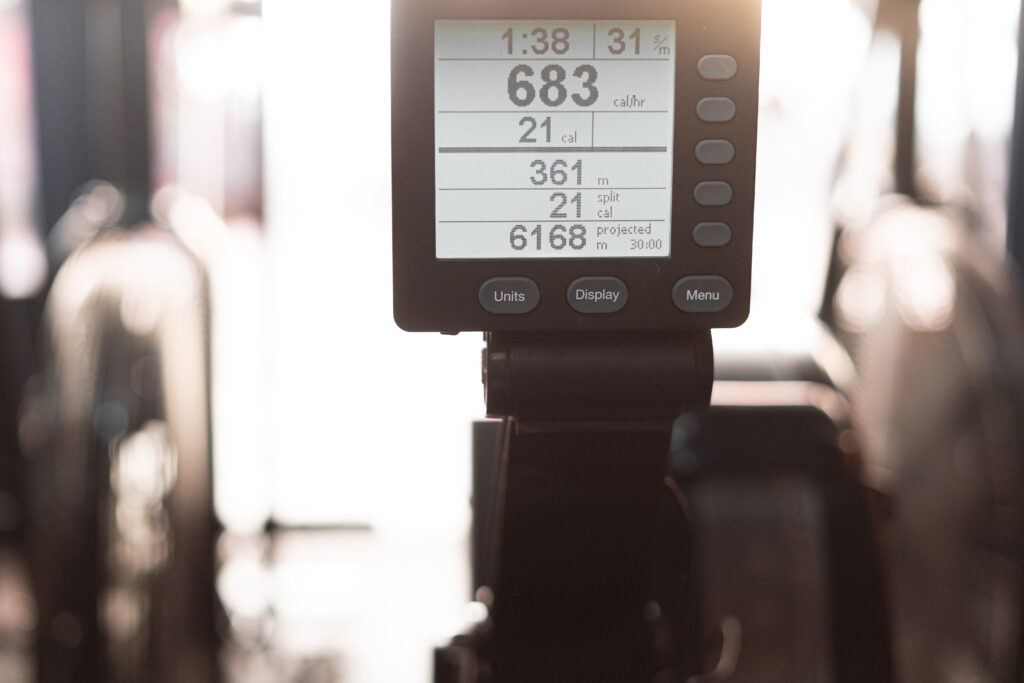
EMS training caloric expenditure research findings: studies using indirect calorimetry during EMS sessions have measured energy expenditure of 400-600 kcal for high-intensity 20-minute WB-EMS sessions in adults of average body weight. Clients asking about ems training and calorie burn what you can realisticall deserve clear, evidence-informed guidance.
How many calories does EMS burn: the caloric expenditure depends on body weight, session intensity, movement patterns during stimulation, and overall fitness level. The practical application of ems training and calorie burn what you can realisticall varies depending on goals and client profile.
Post-exercise metabolic elevation from EMS training has been measured in several studies, with some finding elevated resting metabolic rate for up to 24 to 48 hours following intensive EMS sessions, particularly in individuals new to EMS training or when session intensity is high. This EPOC contribution may make EMS’s total 24-hour caloric impact greater than the direct session burn figure alone suggests. Studios investing in ems training and calorie burn what you can realisticall report strong client retention and satisfaction.
Factors That Influence EMS Calorie Burn: Ems training and calorie burn what you can realisticall
EMS calorie burn factors: higher body weight increases caloric expenditure per session (more tissue to activate). Higher session intensity produces proportionally higher caloric expenditure. Using dynamic movements during EMS further increases EMS workout calorie count. Anyone serious about ems training and calorie burn what you can realisticall should prioritize certified equipment and trained staff.
EMS calorie burn consistency: unlike cardiovascular exercise where caloric expenditure is directly linked to mechanical work, EMS calorie burn can vary significantly between sessions depending on stimulation parameters and individual response. The business case for ems training and calorie burn what you can realisticall is supported by both research and real-world results.
EMS training caloric expenditure long-term effects: beyond session caloric expenditure, EMS training’s contribution to muscle mass maintenance or development increases resting metabolic rate over time. Getting the most from ems training and calorie burn what you can realisticall requires consistent protocol and progress tracking.
Session duration affects total caloric burn linearly — longer sessions burn more calories. Standard WB-EMS sessions of 20-30 minutes represent a deliberate tradeoff: the neuromuscular stimulus of 20-30 minutes at high intensity may exceed what could be achieved in 60 minutes of conventional training, but the absolute caloric expenditure is lower than longer-duration exercise sessions. Safety remains a top priority in any ems training and calorie burn what you can realisticall program.

EMS Calorie Burn in Context: Comparison to Other Exercise
EMS calorie burn comparison to conventional exercise: high-intensity WB-EMS produces caloric expenditure similar to a moderate-intensity cardiovascular session, but in less time. Professionals offering ems training and calorie burn what you can realisticall benefit from ongoing education and certification.
EMS calorie burn vs. HIIT: HIIT training at comparable intensity typically produces higher total caloric expenditure per session due to higher cardiovascular engagement, but EMS calorie burn is competitive per minute of training.
The appropriate comparison for most people is not ‘EMS vs. running’ in isolation, but ‘EMS vs. nothing’ or ‘EMS vs. whatever exercise I would realistically do otherwise.’ For individuals who find conventional gym training unappealing or impractical to sustain, EMS’s time efficiency and the research-supported caloric expenditure it generates represents a genuine and meaningful contribution to energy balance management.
Conclusion
EMS calorie burn represents a meaningful contribution to daily energy expenditure that can support weight management when combined with appropriate nutrition.
Accurate EMS calorie burn expectations — neither inflated by marketing nor dismissed as insignificant — helps consumers integrate EMS training appropriately into their energy balance strategy.
Interested in EMS training for calorie burning and weight management? Explore our brand reviews and product reviews, or compare options with our product comparison tool.
Frequently Asked Questions
How many calories does a 20-minute EMS session burn?
EMS calories burned in a high-intensity 20-minute WB-EMS session typically range from 400-600 kcal. The exact EMS calories burned depends on body weight, session intensity, and whether dynamic movements are included during stimulation.
Does EMS training burn more calories than regular exercise?
On a per-minute basis, high-intensity WB-EMS training may burn calories at a comparable or slightly higher rate than conventional exercise, due to the broad muscle activation EMS produces. On an absolute session basis, longer-duration cardiovascular exercise typically burns more total calories than a 20-30 minute EMS session.
Does EMS training increase metabolism after exercise?
Research suggests EMS training produces elevated post-exercise oxygen consumption (EPOC) — increased metabolic activity for hours following the session. This EPOC effect has been measured for up to 24-48 hours after intensive EMS sessions in some studies, adding to the total caloric impact of EMS training beyond the session itself.
Is EMS training enough to create a caloric deficit for weight loss?
EMS training can contribute meaningfully to caloric expenditure, but whether it creates a sufficient deficit for weight loss depends on dietary habits and overall activity level. Most individuals pursuing weight loss benefit from combining EMS training with dietary management and other physical activity rather than relying on EMS sessions alone to create the necessary caloric deficit.
Why doesn’t EMS training feel as hard as running if it burns similar calories?
The subjective effort perception during EMS training often differs from conventional cardiovascular exercise because EMS recruits muscle directly via electrical stimulation rather than through voluntary effort. This can make the metabolic work feel less intense than running even when physiological energy expenditure is comparable — which is one reason EMS is often described as time-efficient for the caloric expenditure produced.