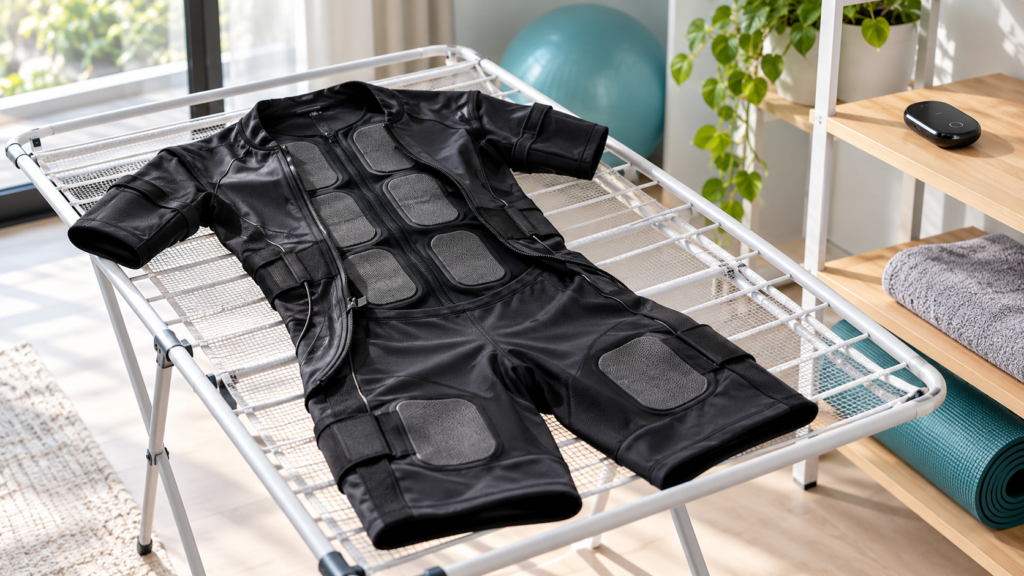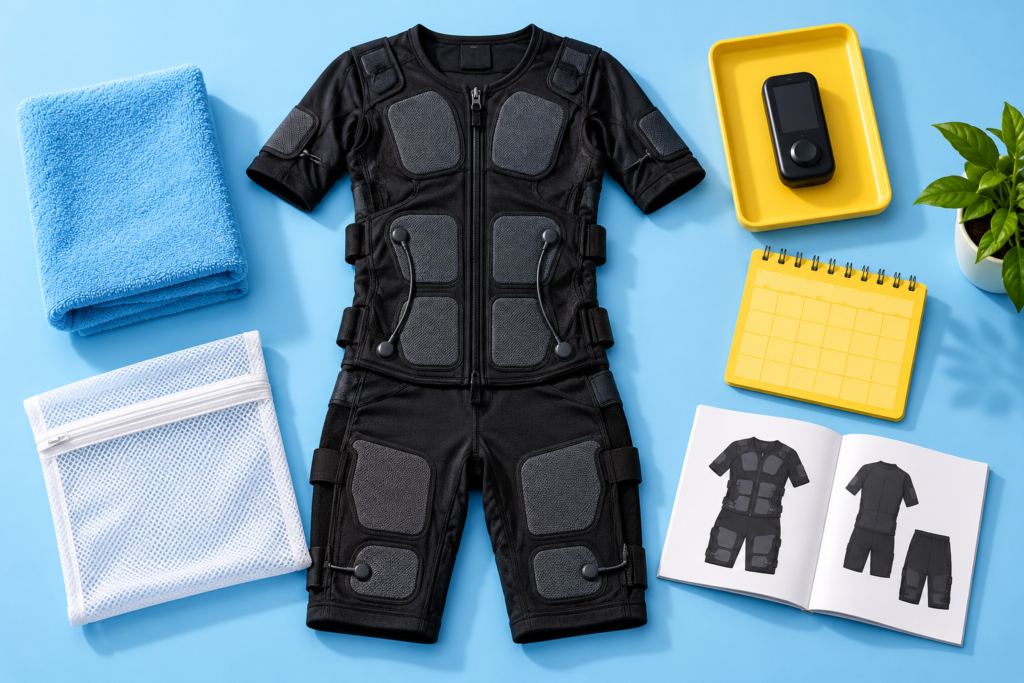
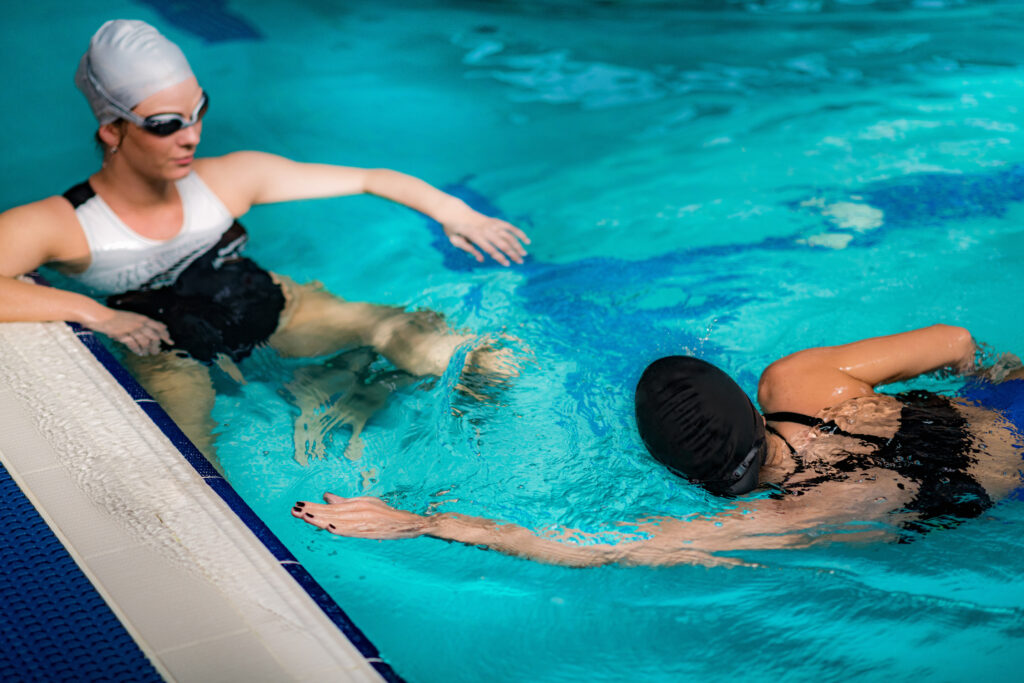
EMS swimming training has emerged as a valuable tool in elite competitive swimming programs. The unique demands of swimming — whole-body coordination, specific muscle activation patterns, and high training volumes — create clear entry points for EMS aquatic sport training supplementation. Research into ems for swimmers training and recovery applications continues to evolve as more studios adopt evidence-based approaches.
EMS swimming training addresses a core challenge in competitive swimming: developing the specific muscle groups that power swimming performance (particularly the latissimus dorsi, posterior shoulder complex, and hip flexors) in a dryland format. Understanding ems for swimmers training and recovery applications is key for any trainer looking to modernize their program.
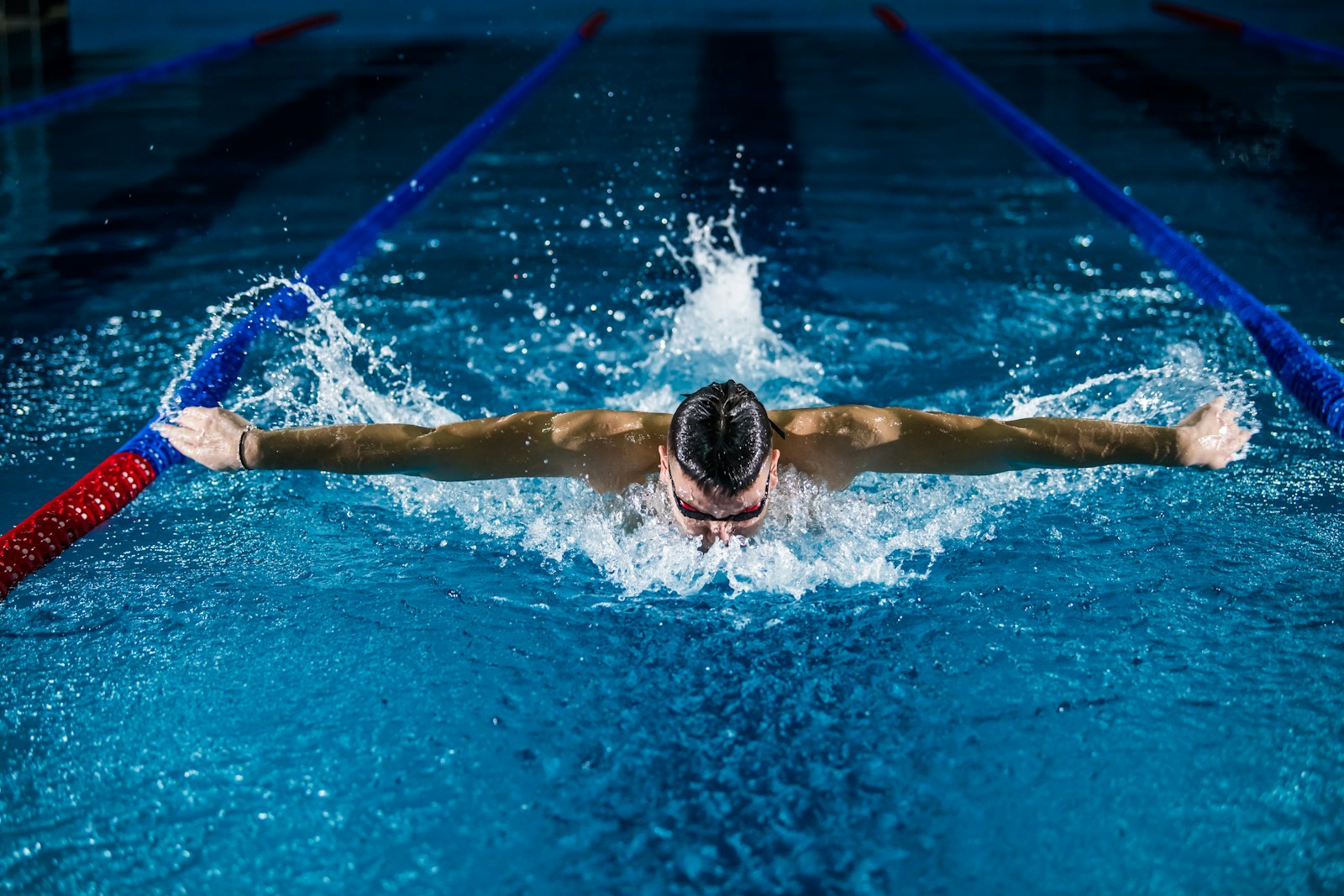
This article examines the specific ways EMS training can benefit competitive swimmers — through targeted strength development of swimming-critical muscle groups, recovery support during high-volume training blocks, and the management of the shoulder health challenges that define swimming’s most common injury context. The evidence supporting ems for swimmers training and recovery applications is growing steadily in the professional fitness space.
Swimming-Critical Muscle Groups and EMS Targeting
EMS swimming training and strength research demonstrates that EMS conditioning can target the pulling muscles and shoulder stabilizers that determine swimming power and efficiency. For coaches exploring ems for swimmers training and recovery applications, proper protocol design is essential.
EMS swimmer performance development: EMS swimming training targets the latissimus dorsi and posterior deltoid — the primary muscles responsible for the underwater pull phase that generates propulsive force. Clients asking about ems for swimmers training and recovery applications deserve clear, evidence-informed guidance.
Electrical stimulation swimming conditioning: targeted EMS conditioning of the rotator cuff and scapular stabilizers helps develop the shoulder stability that supports high-volume swimming without injury accumulation. The practical application of ems for swimmers training and recovery applications varies depending on goals and client profile.
EMS swimming training program design: EMS conditioning sessions should be separated from hard swimming training sessions by at least 24 hours. This scheduling protects recovery quality and allows each session to produce maximal adaptation.: Ems for swimmers training and recovery applications
EMS swim recovery protocols: the high training volumes typical of competitive swimming create significant accumulated fatigue. EMS swim recovery protocols using low-frequency stimulation can accelerate recovery between sessions. Studios investing in ems for swimmers training and recovery applications report strong client retention and satisfaction.
EMS swimming training recovery evidence supports the use of low-frequency EMS for blood flow promotion and muscle recovery between swimming sessions. Anyone serious about ems for swimmers training and recovery applications should prioritize certified equipment and trained staff.
EMS swimming training and race preparation: during competition periods, EMS recovery becomes the primary application. Reducing conditioning EMS and emphasizing recovery protocols supports performance on competition days. The business case for ems for swimmers training and recovery applications is supported by both research and real-world results.
EMS swimming training off-season and pre-season: the off-season provides the best opportunity for targeted EMS swimming training conditioning as it can be integrated without competition performance concerns.
EMS swimming training dryland conditioning: swimmers use EMS conditioning as part of their dryland training program, complementing resistance training, flexibility work, and technical drills. Getting the most from ems for swimmers training and recovery applications requires consistent protocol and progress tracking.
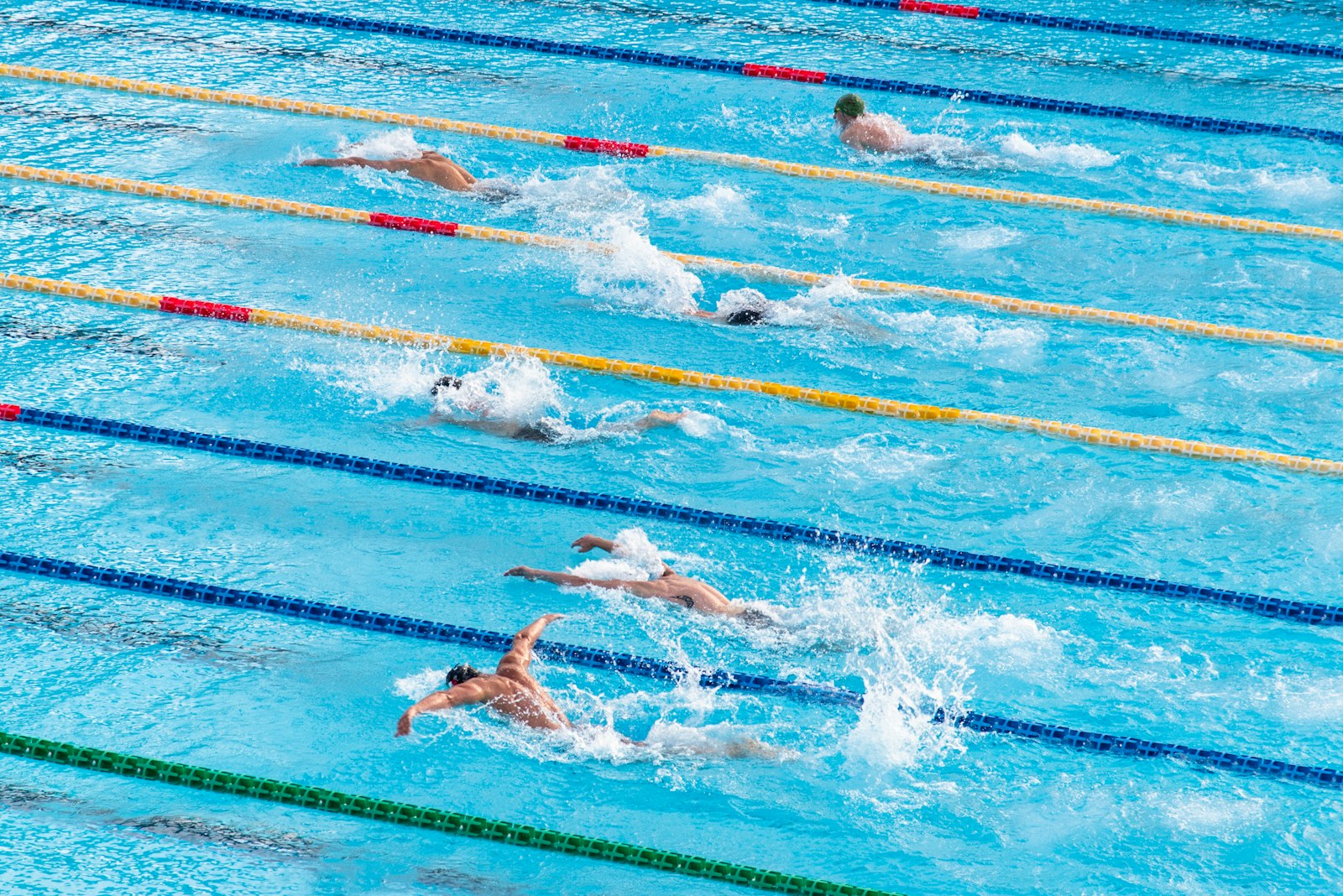
EMS swimming training safety considerations: swimmers should ensure that any EMS swimming training equipment is stored and used in dry conditions, completely separate from pool activities. Safety remains a top priority in any ems for swimmers training and recovery applications program.
EMS swimming training and dryland coordination: EMS swimming training works best when coordinated with the dryland strength coach to ensure appropriate integration with the overall training plan. Professionals offering ems for swimmers training and recovery applications benefit from ongoing education and certification.
Conclusion
EMS swimming training represents a practical and effective supplement for competitive swimmers who want to maximize the development of stroke-specific muscle groups without adding excessive dryland training volume.
The combination of EMS swimming training for targeted strength development and EMS recovery for high-volume swim training management addresses two of the most persistent challenges in competitive swimming preparation.
Interested in EMS training for swimming performance? Explore our brand reviews and product reviews, or compare options with our product comparison tool.
Frequently Asked Questions
Can swimmers use EMS in the pool?
No — EMS training devices cannot be safely used in water. EMS benefits for swimmers come exclusively from dryland conditioning and recovery applications, which are designed to develop the physical qualities and support the recovery demands that influence in-water performance.
Which muscles should swimmers target with EMS?
The latissimus dorsi and posterior shoulder complex are primary targets for EMS conditioning in swimmers, given their central role in the pulling phase of most strokes. Core musculature for stroke cycle stability and hip musculature for kick propulsion are also relevant targets depending on the swimmer’s event and identified physical priorities.
Can EMS help prevent swimmer’s shoulder?
EMS conditioning targeting the posterior shoulder rotator cuff muscles — strengthening the external rotators and scapular stabilizers relative to the typically overdeveloped internal rotators — may support the muscle balance that is important for shoulder health under high swimming volumes. This is best approached as part of a comprehensive shoulder health program with sports medicine input.
Is EMS useful during swim meet preparation?
EMS recovery protocols can be useful during competition taper phases — supporting muscular recovery and readiness without the joint stress of additional training volume. Some swimmers use low-intensity EMS recovery sessions between heats at multi-day competitions to support faster recovery between races.
How does EMS compare to resistance band training for swimmers?
EMS conditioning and resistance band training serve complementary but different purposes for swimmers. Resistance band exercises develop movement-specific strength patterns in swimming-relevant positions. EMS can supplement this by providing additional neuromuscular activation stimulus during those movements or through targeted activation of specific muscles. The two approaches work well in combination.