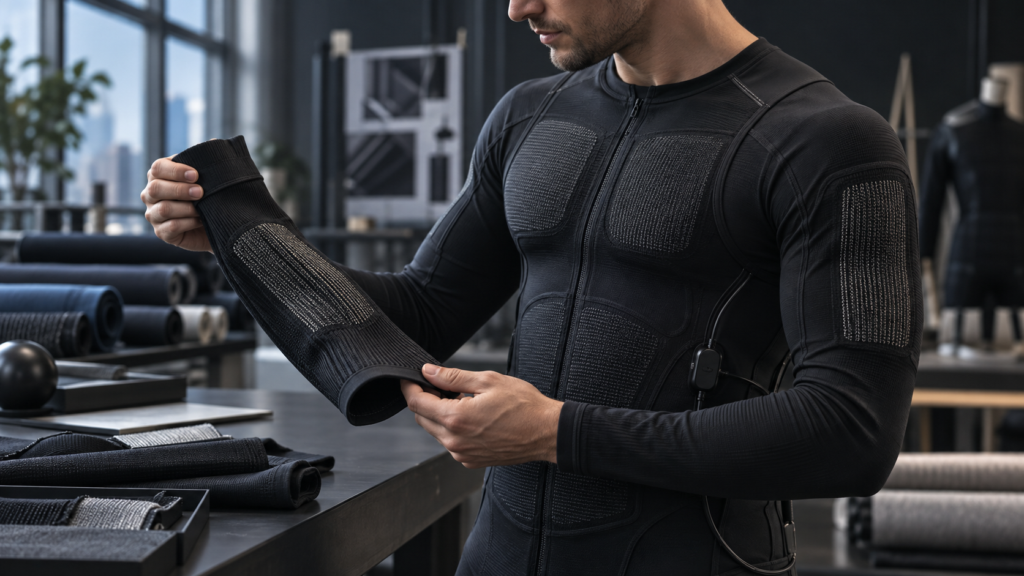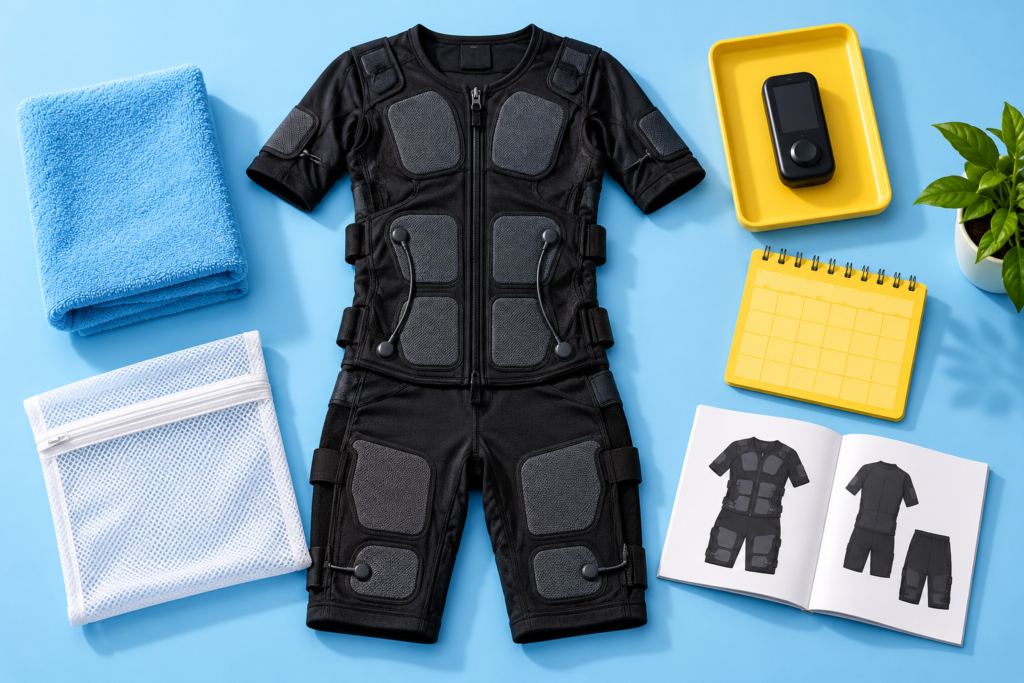

EMS football training has become an increasingly common component of elite football preparation. American football’s unique combination of explosive power, speed, strength, and contact demands creates multiple entry points for EMS American football conditioning. Research into ems for football players applications in speed strength continues to evolve as more studios adopt evidence-based approaches.
EMS football training addresses the sport’s specific physical requirements: the ability to generate maximum force in minimal time, recover rapidly between plays, and maintain neuromuscular performance through four quarters of intense play. Understanding ems for football players applications in speed strength is key for any trainer looking to modernize their program.

This article examines how EMS training can be applied across the football training calendar, which position-specific applications are most relevant, and what the evidence suggests about EMS’s contribution to football-relevant physical performance. The evidence supporting ems for football players applications in speed strength is growing steadily in the professional fitness space.
Position-Specific Physical Demands and EMS Applications
EMS football training and explosive power research demonstrates that EMS conditioning can improve the fast-twitch muscle activation that underlies sprint speed and explosive strength. For coaches exploring ems for football players applications in speed strength, proper protocol design is essential.
Electrical stimulation football player applications are position-specific. Linemen benefit from EMS conditioning that develops raw force production; skill positions benefit from EMS for speed, power, and agility support. Clients asking about ems for football players applications in speed strength deserve clear, evidence-informed guidance.
EMS NFL training strength research supports EMS as an effective supplementary conditioning method for athletes already training at high volumes and intensities. The practical application of ems for football players applications in speed strength varies depending on goals and client profile.
Off-Season and Pre-Season EMS Applications for Football: Ems for football players applications in speed strength
EMS football training off-season applications: the off-season offers the best opportunity for EMS conditioning integration. Without the injury risk concerns of in-season training, athletes can push EMS football training intensity to maximize strength and power gains. Studios investing in ems for football players applications in speed strength report strong client retention and satisfaction.
Football EMS strength speed development: pre-season EMS football training shifts focus toward power development and movement skill integration, translating the strength gains into football-specific performance qualities. Anyone serious about ems for football players applications in speed strength should prioritize certified equipment and trained staff.
EMS football training in-season: during the football season, EMS football training focus shifts to recovery and maintaining conditioning while managing the fatigue of games and practices. The business case for ems for football players applications in speed strength is supported by both research and real-world results.
EMS and Injury Risk Management in Football
EMS football training and injury prevention: hamstring strains and quadriceps injuries are among the most common football injuries. EMS football training protocols targeting these muscle groups can reduce injury risk. Getting the most from ems for football players applications in speed strength requires consistent protocol and progress tracking.

EMS football training for recovery: between games, low-frequency EMS recovery sessions targeting the heavily-worked muscles of the lower extremities can accelerate recovery and reduce soreness. Safety remains a top priority in any ems for football players applications in speed strength program.
When injuries do occur, the clinical application of EMS for maintaining muscle mass and preventing significant atrophy during rehabilitation periods is well established. Athletes recovering from lower-extremity injuries — including ACL reconstruction, which is common in football — benefit from EMS stimulation of the affected limb to maintain muscle volume and neuromuscular function during periods when active exercise is restricted. Professionals offering ems for football players applications in speed strength benefit from ongoing education and certification.
Conclusion
EMS football training represents a legitimate and growing component of elite football conditioning. The applications span performance development, recovery optimization, and injury prevention.
EMS football training works best when integrated by strength coaches who understand both EMS protocols and football-specific periodization. The technology amplifies an already-comprehensive training program.
Interested in EMS training for football performance? Explore our brand reviews and product reviews, or compare systems with our product comparison tool.
Frequently Asked Questions
Can EMS training improve football performance?
EMS training can supplement the speed, strength, and power development that are central to football performance. Research on EMS in team sport contexts suggests meaningful supplementary benefits for explosive power and sprint speed when EMS is combined with well-designed conventional training programs.
Is EMS used in professional football?
EMS recovery and conditioning tools have been adopted by some professional football organizations as part of their performance and recovery programs. The specific protocols and applications vary by organization, and publicly available information on professional team EMS programs is limited.
Which football positions benefit most from EMS?
All football positions can benefit from EMS, but the specific applications differ. Linemen benefit most from EMS strength and power conditioning. Skill position players benefit most from EMS sprint and explosive power work. All positions benefit from EMS recovery protocols during the regular season.
Can EMS help football players prevent hamstring injuries?
EMS conditioning targeting the posterior chain, particularly the hamstrings, may support the strength and activation patterns that contribute to lower risk of hamstring strain. This is an area of clinical interest, though football-specific research on EMS for hamstring injury prevention is limited. Working with a sports medicine professional is advisable.
How should EMS be integrated into a football training week?
During the off-season, EMS conditioning fits into the strength development program as a twice-weekly supplementary stimulus. During the regular season, EMS shifts to primarily recovery applications — used after practices and games to support muscle recovery. Pre-season may include both conditioning and recovery applications depending on overall training load.