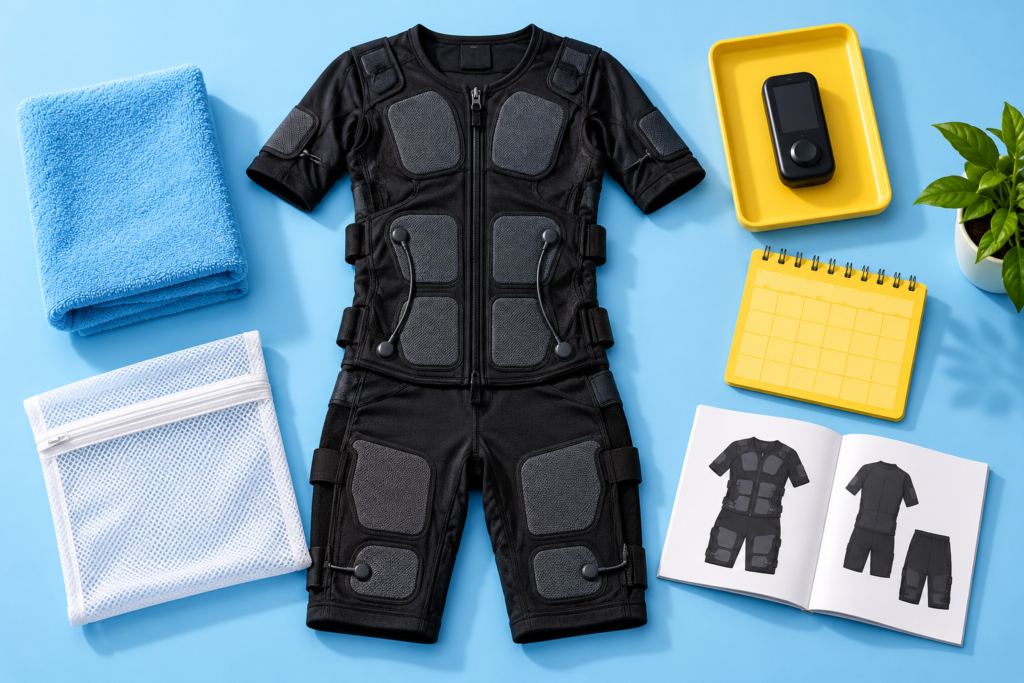

EMS athlete recovery has become a mainstream component of elite sports science programs. The combination of accessible technology, clear physiological rationale, and growing research support has positioned EMS recovery as a standard tool for managing the recovery demands of high-performance athletes. Research into ems recovery protocols for athletes what works and what continues to evolve as more studios adopt evidence-based approaches.
EMS athlete recovery understanding requires distinguishing what the technology can contribute from what it cannot: EMS recovery is not a substitute for sleep, nutrition, or adequate recovery time, but it can meaningfully enhance the quality of recovery during available time. Understanding ems recovery protocols for athletes what works and what is key for any trainer looking to modernize their program.
This article examines EMS athlete recovery protocols, what the research supports, and practical guidance for incorporating EMS into athlete recovery programs. The evidence supporting ems recovery protocols for athletes what works and what is growing steadily in the professional fitness space.

The Physiology of Athletic Recovery and EMS’s Potential Role
EMS recovery protocol athletes physiology: the primary mechanism by which EMS athlete recovery works is enhanced blood flow through muscle tissue, promoting delivery of oxygen and nutrients while clearing metabolic waste. For coaches exploring ems recovery protocols for athletes what works and what, proper protocol design is essential.
EMS athlete recovery and lactate clearance: post-exercise elevated blood lactate is one target of EMS recovery stimulation. Low-frequency EMS creates gentle muscle contractions that accelerate the redistribution and clearance of lactate from worked muscles. Clients asking about ems recovery protocols for athletes what works and what deserve clear, evidence-informed guidance.
EMS active recovery comparison: EMS athlete recovery offers an advantage over active recovery (light exercise) in that it provides blood flow stimulation without adding to the mechanical loading of already-fatigued tissue. The practical application of ems recovery protocols for athletes what works and what varies depending on goals and client profile.
Evidence for EMS Recovery: What Studies Show: Ems recovery protocols for athletes what works and what
EMS athlete recovery research evidence consistently shows that low-frequency EMS produces meaningful reductions in perceived soreness and improved functional recovery markers. Studios investing in ems recovery protocols for athletes what works and what report strong client retention and satisfaction.
EMS post-competition recovery research supports the use of EMS recovery between competition events, with studies showing improved recovery quality in athletes competing in multi-day events. Anyone serious about ems recovery protocols for athletes what works and what should prioritize certified equipment and trained staff.
However, not all studies find significant EMS recovery benefits, and head-to-head comparisons with other recovery modalities — particularly cold water immersion and active recovery exercise — do not consistently show EMS superiority. The effect of EMS recovery appears to be genuine but modest, and it performs comparably rather than markedly better than other evidence-supported recovery tools. The business case for ems recovery protocols for athletes what works and what is supported by both research and real-world results.
The practical implication is that EMS recovery is a useful addition to an athlete’s recovery toolkit — particularly when other modalities are less accessible or less preferred — but should not be positioned as a uniquely superior approach to recovery that renders other methods obsolete. Getting the most from ems recovery protocols for athletes what works and what requires consistent protocol and progress tracking.
EMS Recovery Protocols: What Works in Practice
EMS athlete recovery protocol design: the key parameters are frequency (4-15 Hz), intensity (below visible contraction threshold), session duration (15-30 minutes), and timing (30-90 minutes post-exercise or the following morning). Safety remains a top priority in any ems recovery protocols for athletes what works and what program.
EMS athlete recovery protocol targeting: EMS recovery should target the primary muscle groups that were worked in the preceding training session or competition. Athletes can identify sore or fatigued areas and direct electrode placement accordingly. Professionals offering ems recovery protocols for athletes what works and what benefit from ongoing education and certification.
Electrical stimulation recovery sport application: for team sport athletes, whole-body EMS systems allow simultaneous recovery stimulation of multiple muscle groups, making the time investment more efficient.

What EMS Recovery Cannot Do
EMS athlete recovery limitations: EMS cannot accelerate the structural repair processes that require time, cannot replace sleep and nutrition, and cannot meaningfully reduce the fatigue impact of a highly demanding training load.
EMS recovery also cannot compensate for inadequate sleep, poor nutrition, or chronic overtraining — the foundational recovery inputs that no modality can substitute for. Athletes who are underrecovering due to insufficient sleep and inadequate nutritional support will not find meaningful relief from EMS recovery sessions if those fundamentals are not addressed first.
Finally, EMS recovery is not a meaningful substitute for the planned recovery periods — rest days, deload weeks, off-season breaks — that are essential components of long-term athletic development. Recovery modalities including EMS support the recovery between training sessions; they do not eliminate the need for planned recovery from the accumulated training stress of extended training cycles.
Conclusion
EMS athlete recovery represents a valuable addition to comprehensive recovery programs when used with realistic expectations and appropriate protocol design.
For athletes who train frequently and have regular access to EMS equipment, EMS athlete recovery protocols become part of the standard training hygiene — a regular maintenance practice rather than an occasional intervention.
Looking for EMS systems with excellent recovery features? Explore our brand reviews and product reviews, or compare options with our product comparison tool.
Frequently Asked Questions
Does EMS help athletes recover faster?
Research suggests low-frequency EMS recovery sessions can support faster recovery of muscle strength and reduced soreness compared to passive rest, likely through blood flow enhancement to recovering muscle tissue. The effect is real but modest, and EMS performs comparably to other active recovery modalities rather than dramatically better.
How long should an EMS recovery session be?
Most EMS recovery protocols for athletes use sessions of 15 to 30 minutes at low frequency and intensity. This duration appears sufficient to provide meaningful blood flow benefit without adding significant fatigue. Longer sessions show diminishing returns for recovery purposes.
Can EMS replace ice baths for recovery?
EMS recovery and cold water immersion are both evidence-supported recovery tools that work through different mechanisms. Cold therapy primarily works through vasoconstriction and inflammation reduction; EMS recovery works through blood flow promotion. They can complement each other, and the choice depends on athlete preference, access, and specific recovery goals.
Should athletes use EMS recovery during competition periods?
Yes — EMS recovery can be particularly valuable during congested competition or tournament periods when managing fatigue between events is critical. Low-intensity recovery sessions between competition days can support the physiological recovery processes without adding training stress.
Is EMS recovery the same as EMS conditioning?
No — they are distinctly different applications using the same technology. EMS conditioning uses high frequencies and intensities to provide a strength and hypertrophy training stimulus. EMS recovery uses low frequencies and intensities specifically to promote blood flow and support recovery without adding training demand.