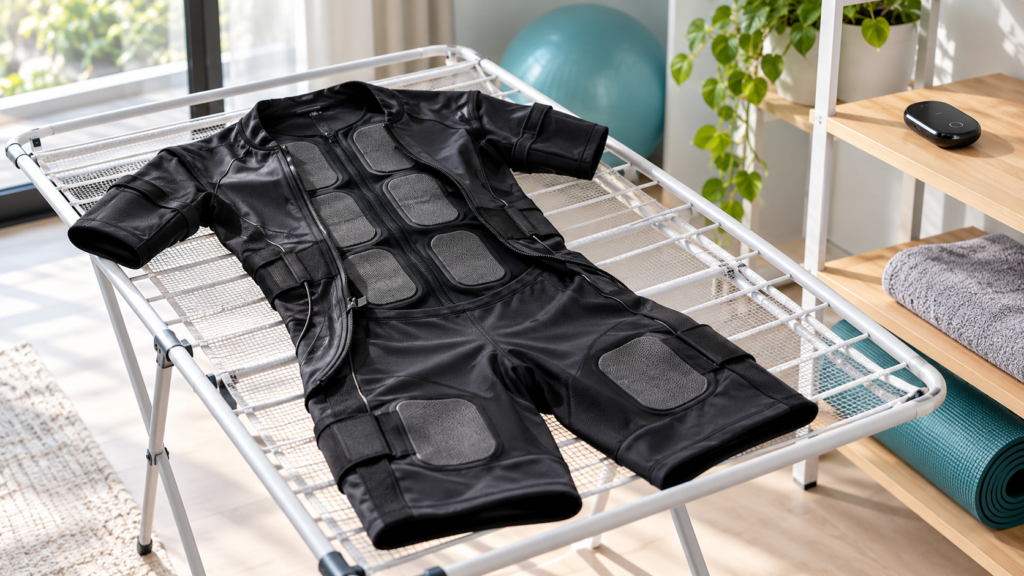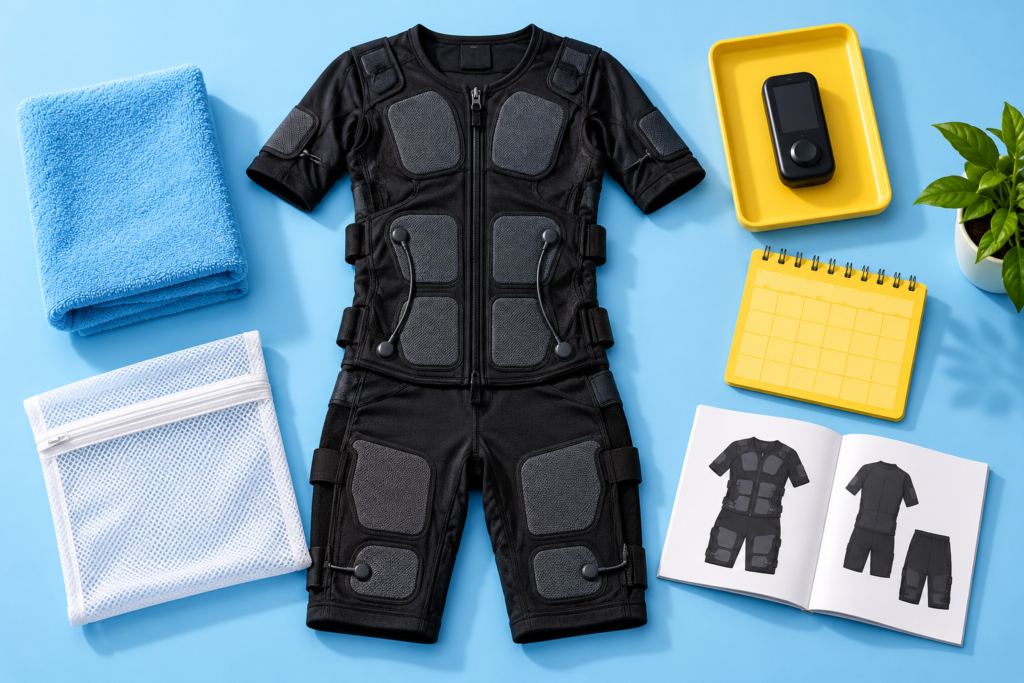

EMS sprint training represents one of the most studied applications of electrical muscle stimulation in athletic performance enhancement. Speed is the most sought-after physical quality in sports, and EMS sprint training offers targeted neuromuscular development that complements conventional speed and power training. Research into ems for sprint training can electrical stimulation impr continues to evolve as more studios adopt evidence-based approaches.
EMS sprint training effectiveness depends on its ability to develop the specific neuromuscular qualities that determine sprint speed: fast-twitch muscle fiber recruitment, rate of force development, and reactive strength. Understanding ems for sprint training can electrical stimulation impr is key for any trainer looking to modernize their program.
This article examines the evidence for EMS sprint training, the neuromuscular basis of sprint performance, and practical integration guidelines for sprinters and speed-sport athletes. The evidence supporting ems for sprint training can electrical stimulation impr is growing steadily in the professional fitness space.
The Neuromuscular Basis of Sprint Speed
EMS fast twitch training mechanism: sprint speed is primarily limited by the ability to activate fast-twitch (Type II) muscle fibers rapidly and forcefully. EMS sprint training at high frequencies (80-100 Hz) preferentially recruits these fibers. For coaches exploring ems for sprint training can electrical stimulation impr, proper protocol design is essential.

Fast-twitch (Type II) muscle fibers are central to sprint performance. They produce significantly more force and power than slow-twitch fibers but are preferentially recruited only at high intensities — when the demand on the neuromuscular system exceeds what slow-twitch fibers can meet. In the context of maximum effort sprinting, fast-twitch fibers contribute the majority of propulsive force. Clients asking about ems for sprint training can electrical stimulation impr deserve clear, evidence-informed guidance.
One of the challenges in training fast-twitch fibers through voluntary exercise is that maximum voluntary effort — the condition under which high-threshold motor units are most fully recruited — is difficult to sustain for the volume needed to drive meaningful adaptation. EMS training offers a different pathway: by directly stimulating muscles electrically, it can recruit motor units — including high-threshold fast-twitch units — independently of the voluntary recruitment hierarchy, potentially exposing these fibers to more training stimulus than they receive through conventional voluntary training. The practical application of ems for sprint training can electrical stimulation impr varies depending on goals and client profile.
What Research Shows About EMS and Sprint Performance: Ems for sprint training can electrical stimulation impr
EMS sprint training research demonstrates consistent improvements in sprint performance when EMS is added to conventional speed and strength training programs. Studios investing in ems for sprint training can electrical stimulation impr report strong client retention and satisfaction.
EMS sprinter training systematic review evidence shows that EMS combined with plyometric and sprint training produces superior speed improvements compared to sprint training alone. Anyone serious about ems for sprint training can electrical stimulation impr should prioritize certified equipment and trained staff.
EMS sprint training force-velocity relationship: improvements in maximal strength through EMS sprint training shift the force-velocity curve favorably, allowing athletes to generate more force at higher movement velocities. The business case for ems for sprint training can electrical stimulation impr is supported by both research and real-world results.
Electrical stimulation sprint speed improvement: EMS sprint training studies consistently report 3-7% improvements in sprint times following 8-12 week EMS-supplemented training programs in trained athletes. Getting the most from ems for sprint training can electrical stimulation impr requires consistent protocol and progress tracking.
How to Use EMS for Sprint Development
EMS sprint training protocol design: high-frequency stimulation (80-100 Hz), maximal comfortable intensity, and positioning that specifically targets sprint-relevant muscle groups maximizes transfer to sprint performance. Safety remains a top priority in any ems for sprint training can electrical stimulation impr program.
EMS running speed and practical integration: for field sport athletes, EMS sprint training should be scheduled on strength development days, not on speed practice days where technical sprint work is already the focus. Professionals offering ems for sprint training can electrical stimulation impr benefit from ongoing education and certification.
Pre-activation use involves lower-intensity EMS applied to key sprint muscles before a training session, with the goal of increasing neuromuscular readiness and motor unit activation without inducing fatigue. Some sprint coaches use EMS warm-up protocols specifically to prime the neuromuscular system for maximum-effort sprint work, potentially increasing the quality and training stimulus of the sprint session itself.

Athletes using EMS for sprint development should work with coaches familiar with both sprint biomechanics and EMS training to ensure that EMS protocols are designed to target the specific neuromuscular qualities relevant to their sprint events and performance goals.
Important Limitations and Caveats
EMS cannot replicate the complex neuromuscular coordination of actual sprinting. The specific movement patterns, joint angles, and inter-muscular coordination sequences of the sprint stride are sport-specific skills that are developed through sprinting itself — not through electrical stimulation. EMS can improve the physical substrate (strength, power, motor unit recruitment) but cannot substitute for sprint practice in developing the coordination and technique of fast running.
The evidence base, while encouraging, is built on relatively small studies conducted over short training periods. Long-term studies examining EMS’s contribution to sprint development over full training seasons are limited, and the optimal integration of EMS with comprehensive speed training programs requires more research to define precisely.
Individual response to EMS training varies, and not every athlete will benefit equally from EMS supplementation. Factors including current training status, fast-twitch fiber composition, and the quality of existing sprint training all influence how much additional benefit EMS can provide.
Conclusion
EMS sprint training represents a meaningful supplement to conventional speed development training. The neuromuscular adaptations it drives — improved fast-twitch recruitment, better rate of force development — translate directly to sprint performance.
The evidence supports EMS sprint training as a legitimate tool for speed development, particularly for athletes who have reached performance plateaus with conventional training alone.
Ready to add EMS to your sprint training? Explore our brand reviews and product reviews, or compare systems with our product comparison tool.
Frequently Asked Questions
Can EMS make you faster?
Research suggests that EMS-supplemented training can produce greater improvements in sprint speed than conventional training alone, particularly over 8 to 12 week training blocks. The improvements are real but supplementary — EMS adds to the gains from good sprint training rather than creating speed independently.
Which muscles should be targeted with EMS for sprint performance?
The primary sprint muscles — quadriceps, hamstrings, glutes, and calves — are the most relevant targets for EMS sprint conditioning. The relative emphasis depends on individual biomechanical profiles and identified weaknesses. Working with a sprint coach who understands biomechanics helps target EMS protocols appropriately.
How often should sprinters use EMS training?
Standard EMS conditioning frequency of one to two sessions per week is appropriate for sprinters using EMS supplementarily. The EMS load should be integrated into the overall periodization plan — reducing other training volume slightly to accommodate the additional neuromuscular demand of EMS sessions.
Is EMS better for acceleration or top-end speed?
Current evidence does not clearly differentiate EMS effects between acceleration and maximum velocity phases of sprinting. EMS conditioning for general power and force development is likely to benefit both phases, though acceleration — which requires maximal force production from a standing start — may show stronger EMS benefit given the higher proportion of fast-twitch fiber involvement.
Can recreational runners benefit from EMS for speed?
Yes. Recreational runners who want to improve running speed can benefit from EMS conditioning for leg power development, though the specificity of training to running mechanics means that EMS works best alongside actual running rather than as an isolated training approach.